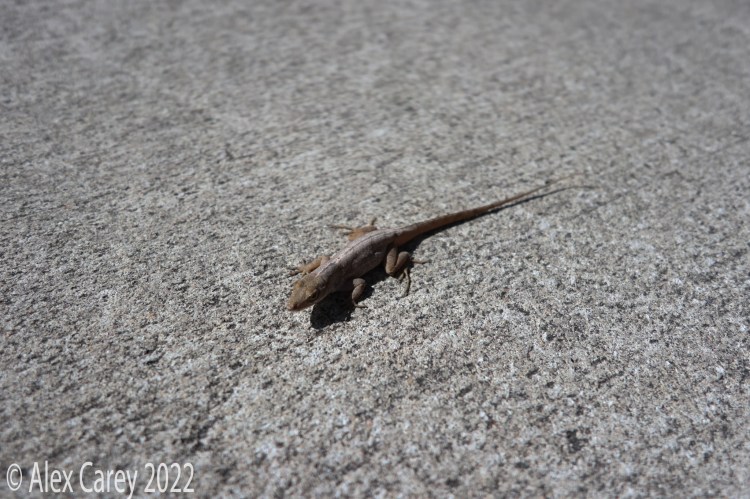
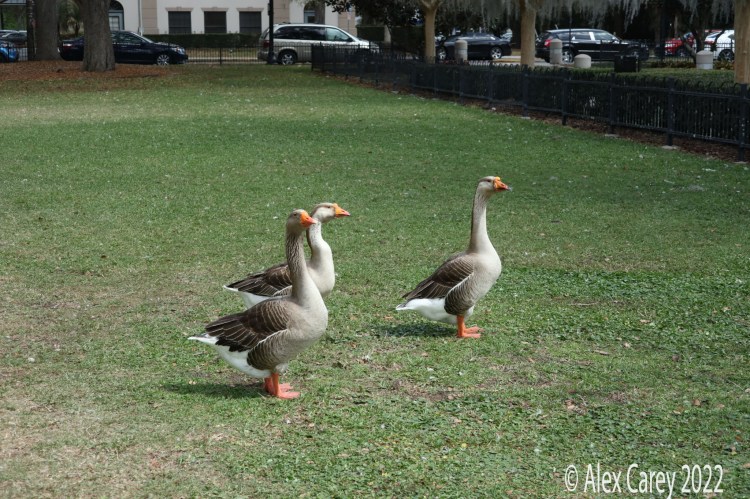
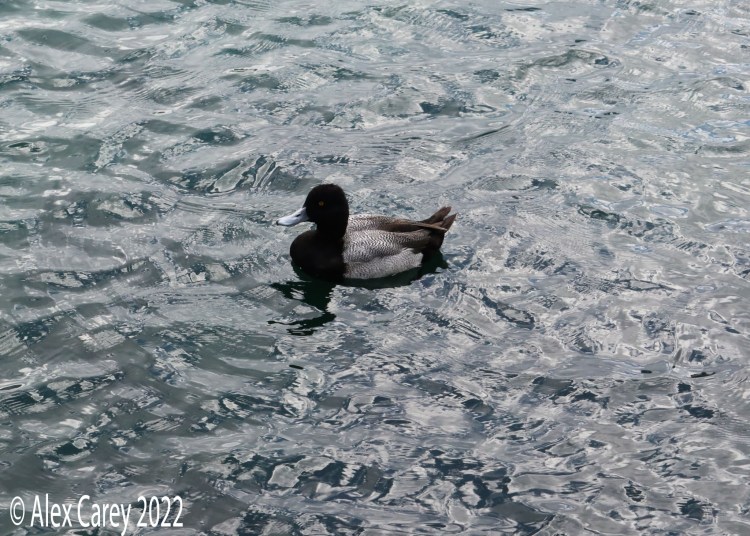
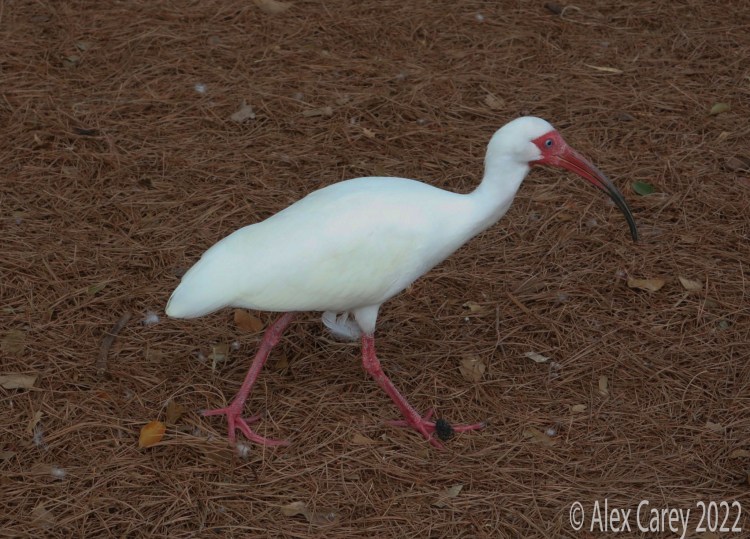
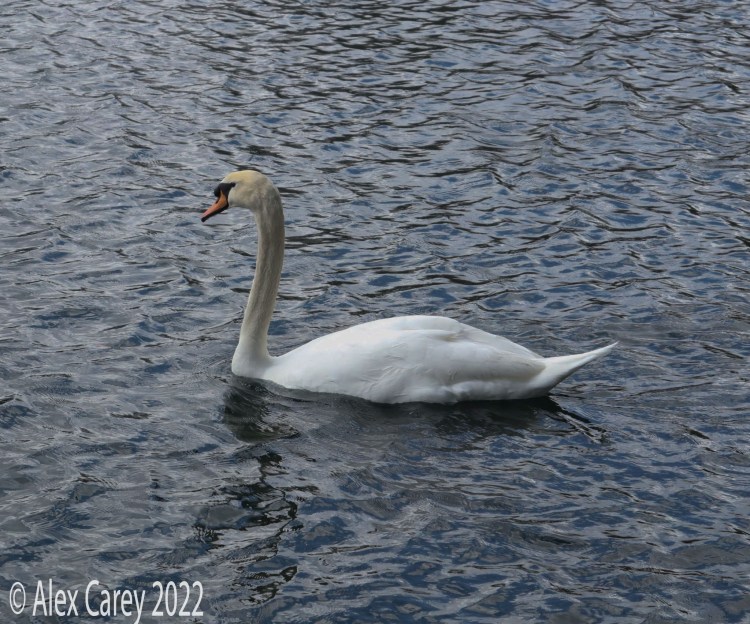
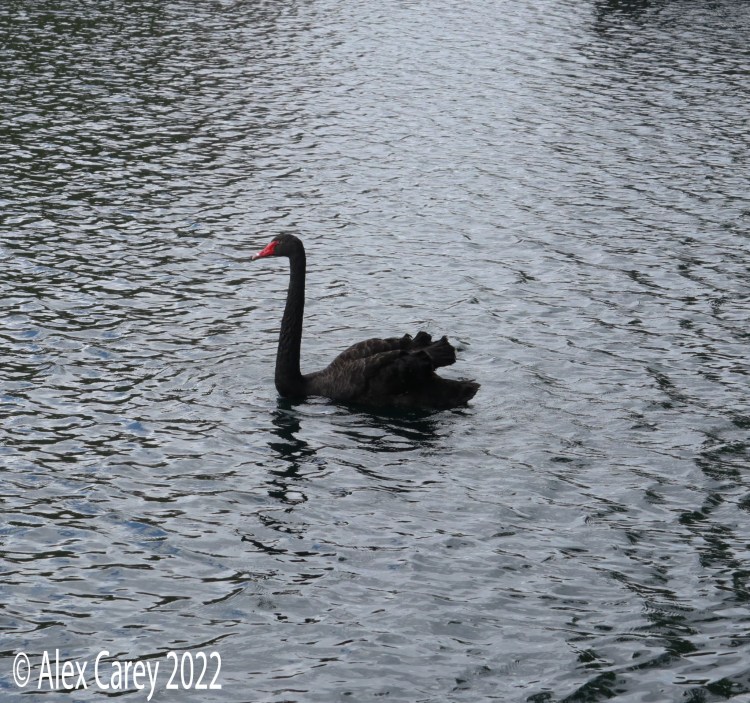
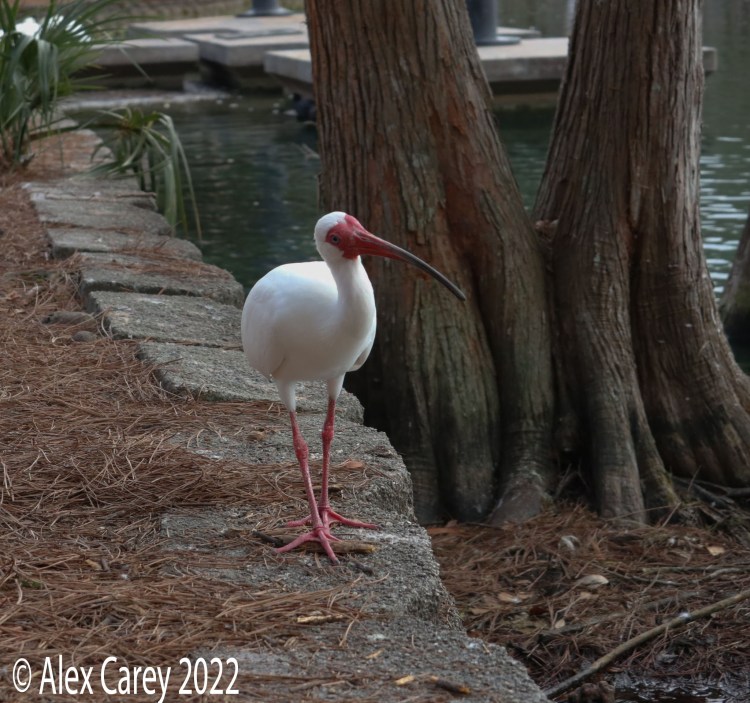
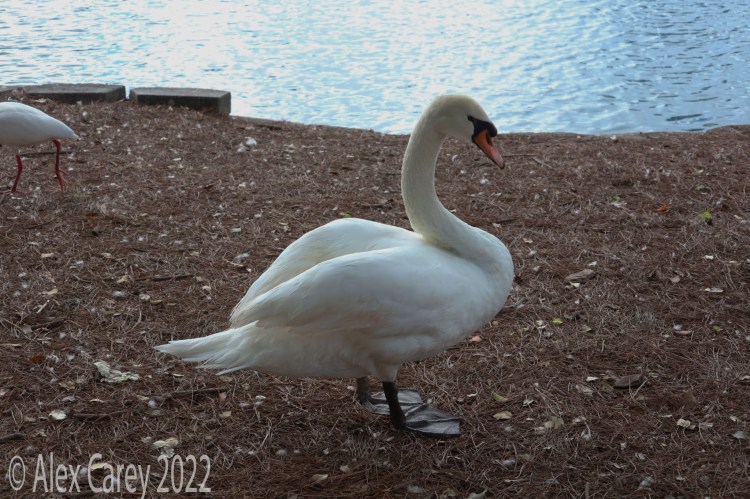
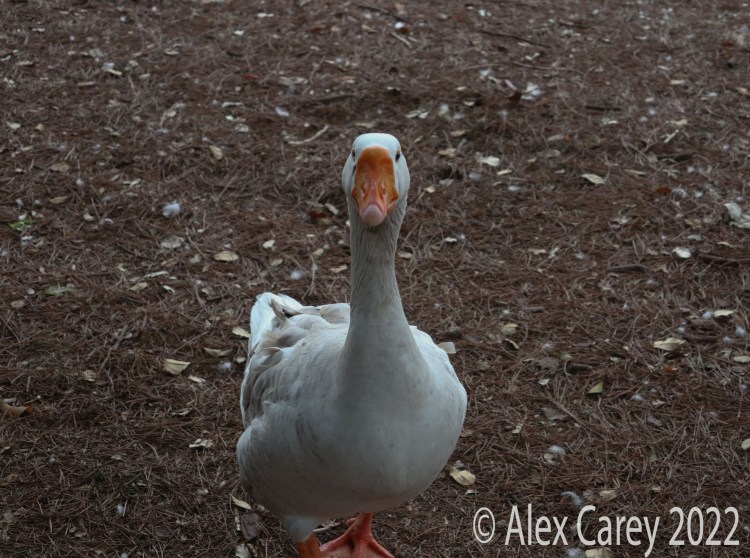
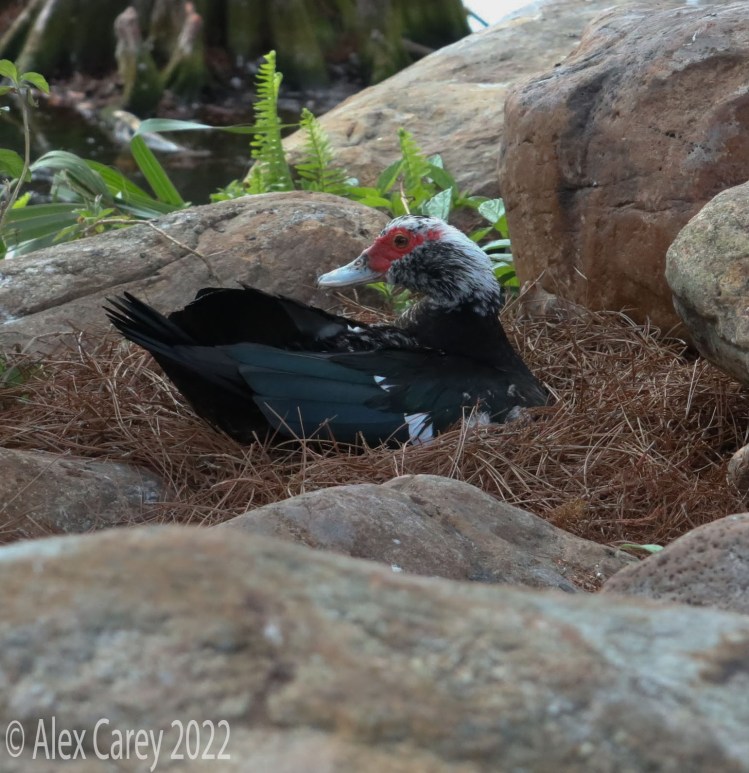
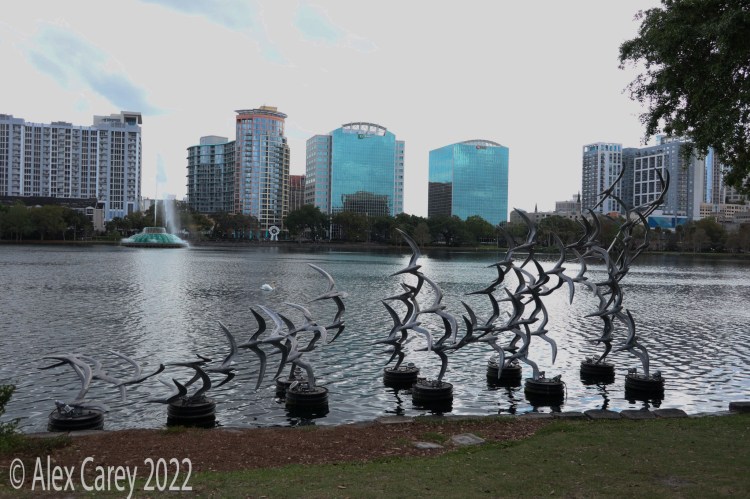
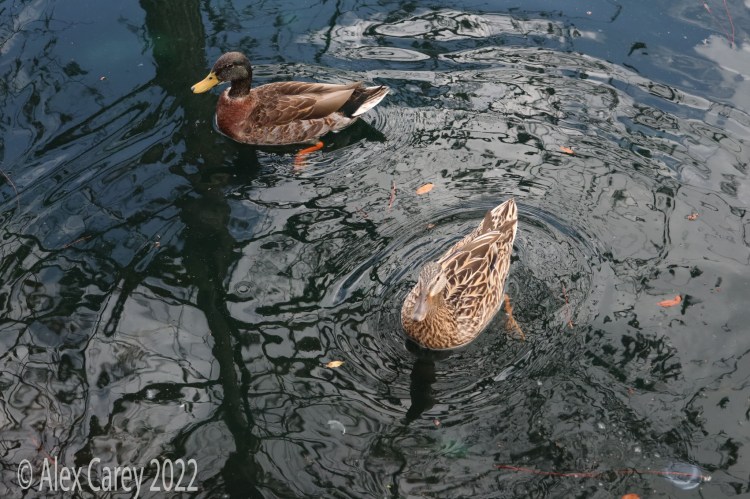
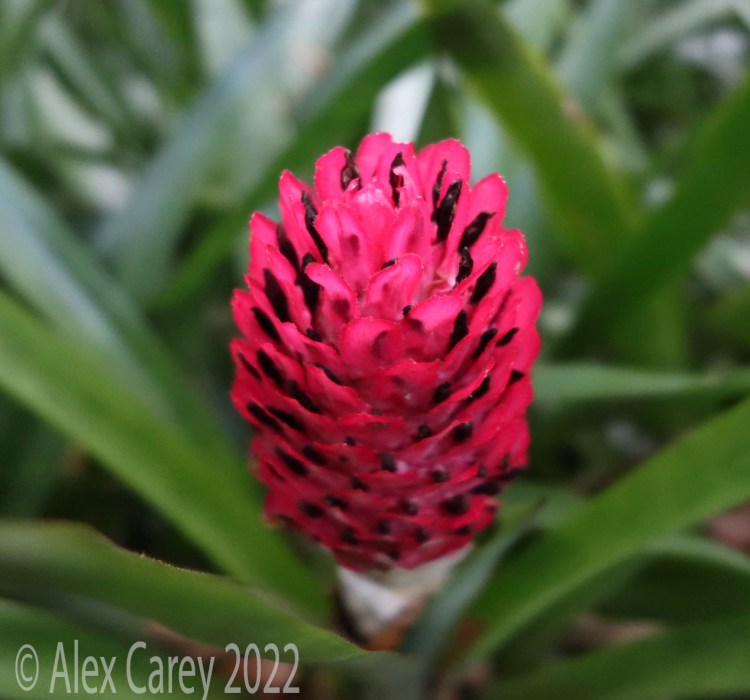
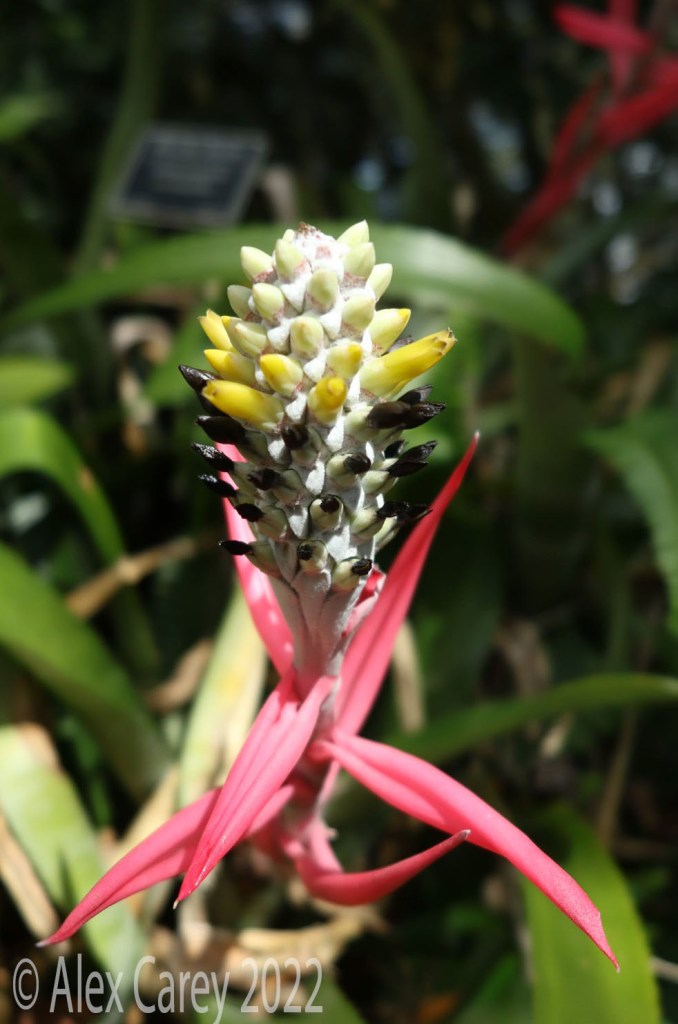
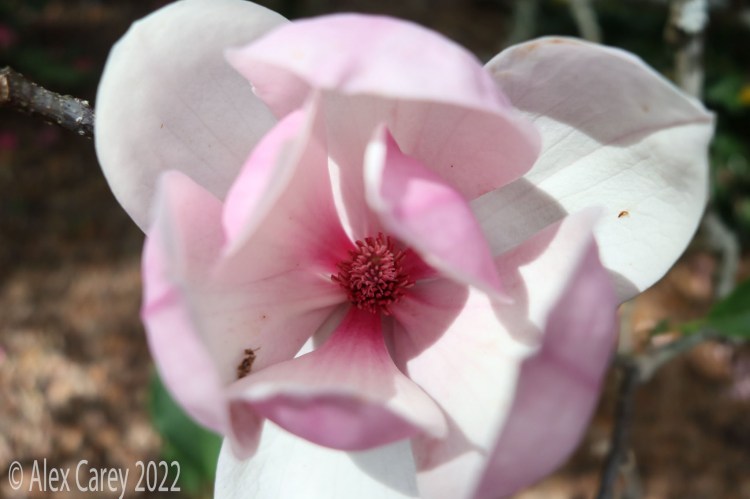
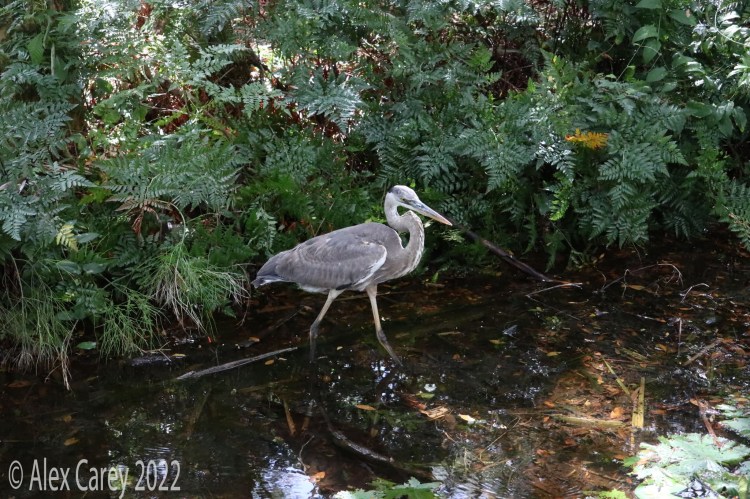
This is a photo gallery from my trip to Florida.








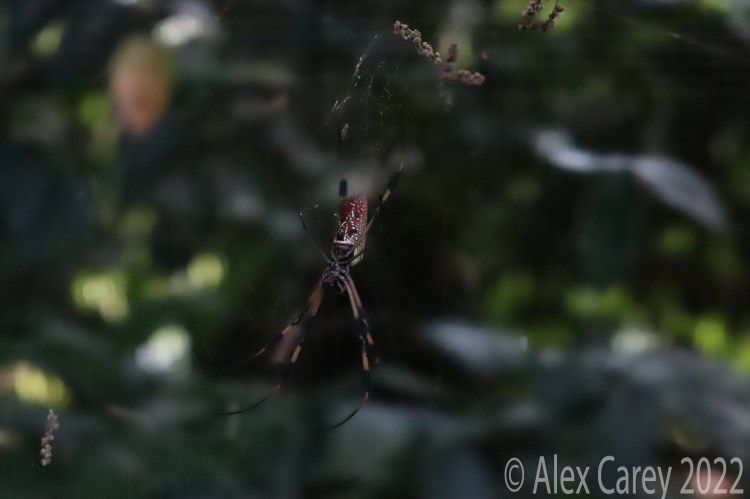
Spider
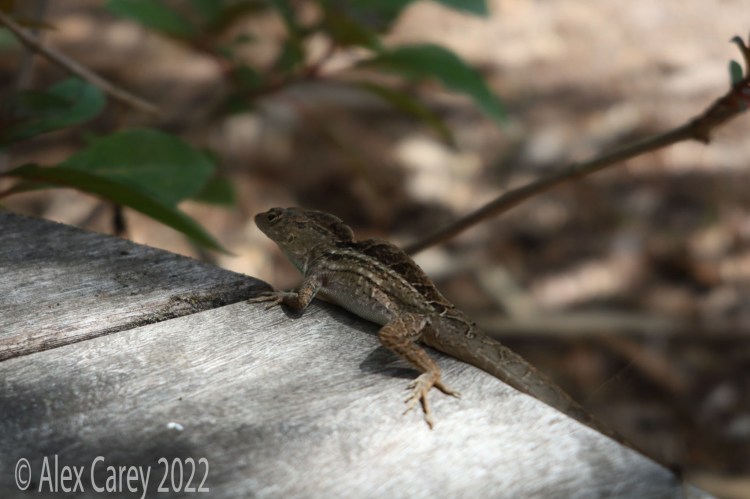
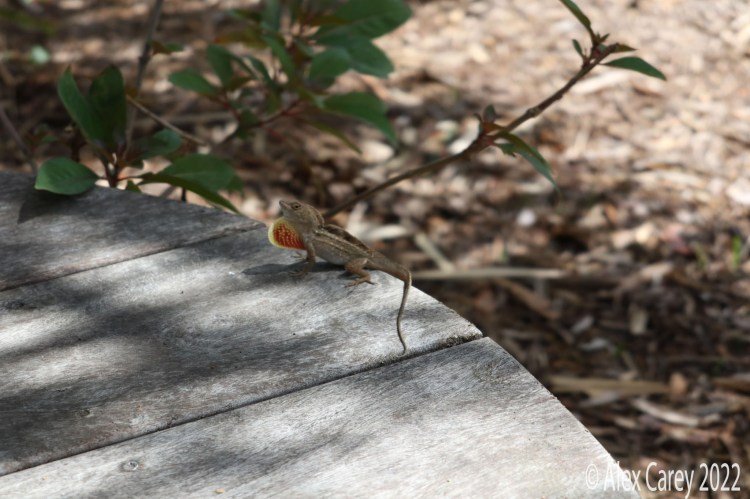

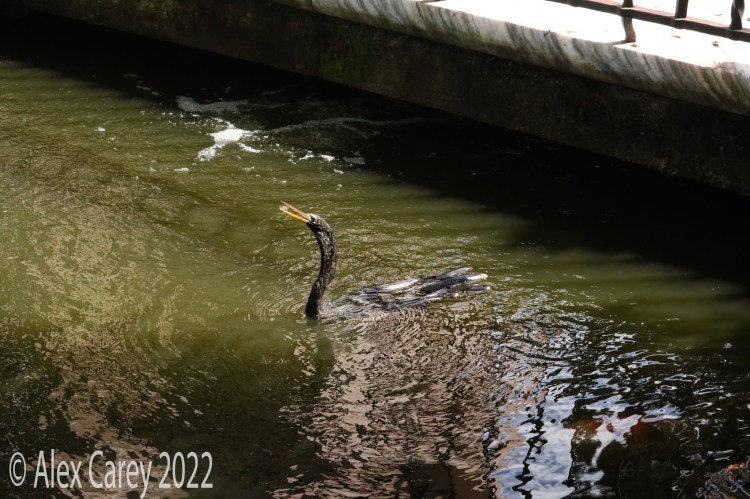
I hope you enjoyed seeing all the wildlife I captured in Florida.

This is a photo gallery from my trip to Florida.
I hope you enjoyed seeing all the wildlife I captured in Florida.

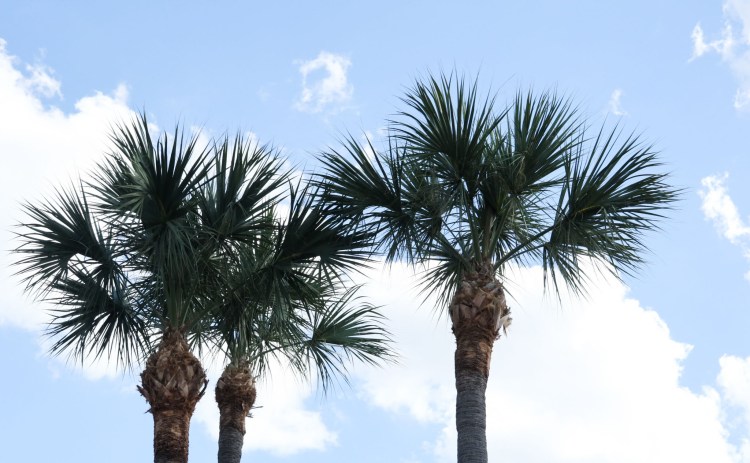
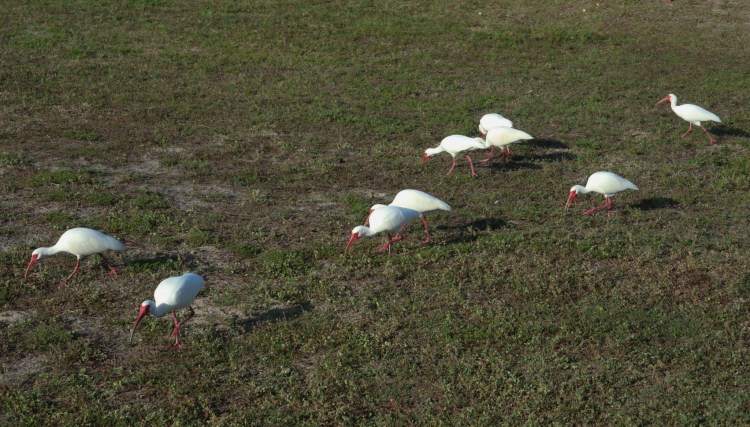
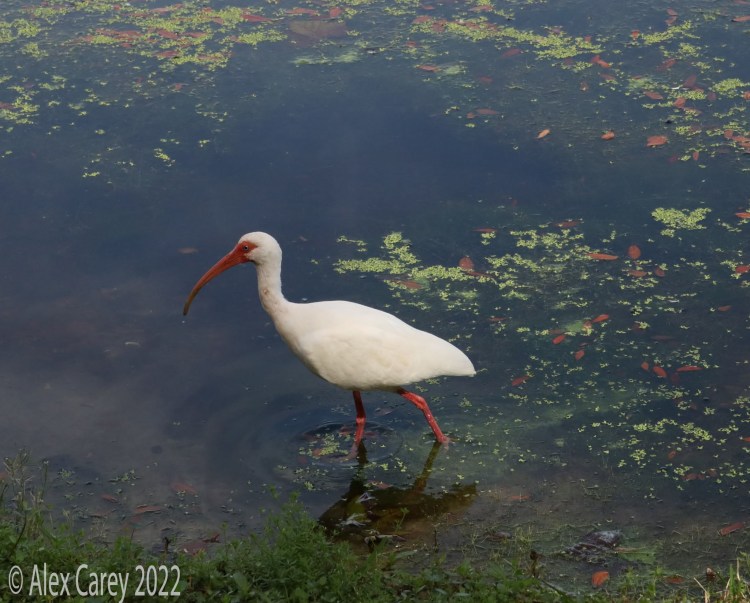
For two weeks in the winter, I am vacationing down in Florida. Florida is known as the sunshine state. I have seen many unique different kinds of birds down here. In fall, birds will migrate down to the lower states to get away from the winter.
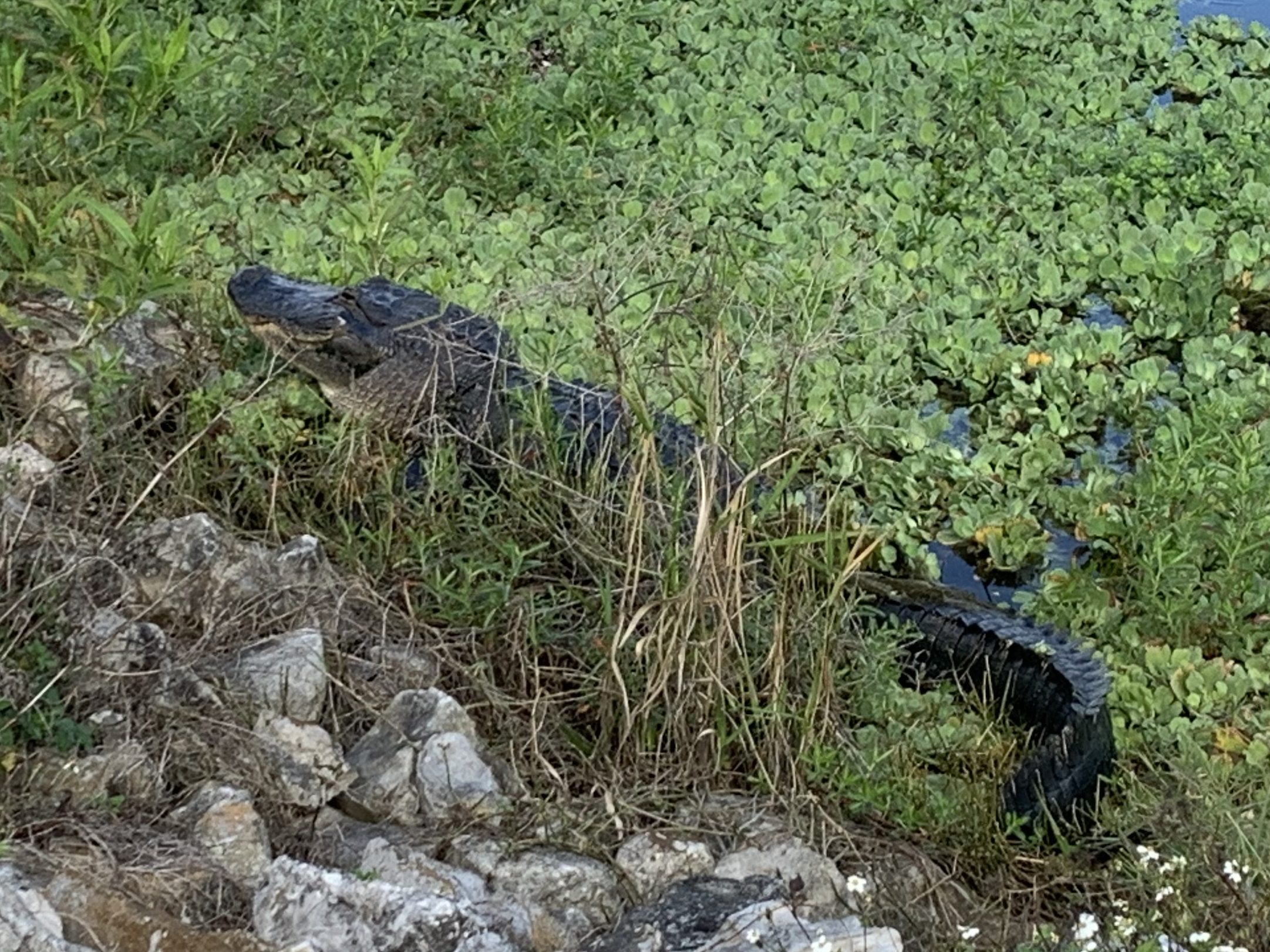
Kissimmee Lakefront Park- I went to Kissimmee Lakefront Park on my first day in Florida. The park is right next to lake Tohopekaliga. The weather was gorgeous and it was awesome seeing different kinds of birds. I didn’t have my camera that day. My dad took this picture of an alligator. Alligators are cold-blooded animals, meaning that they can’t regulate their own temperature, so they have to rely on the temperature around them. I also saw and heard the sandhill cranes while I was there.
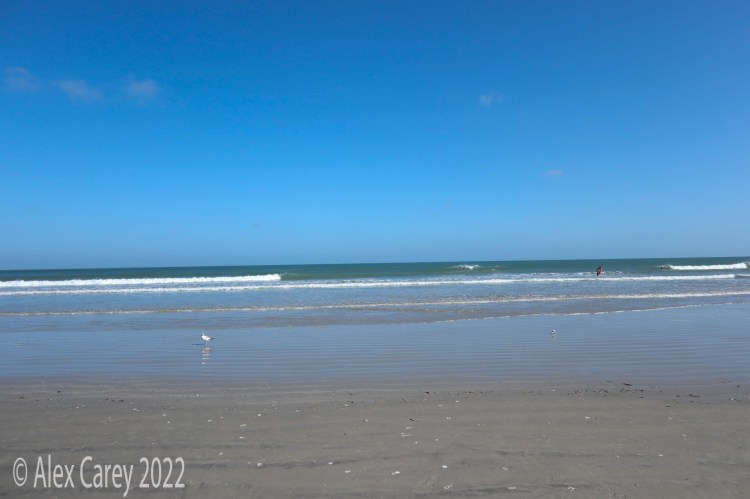
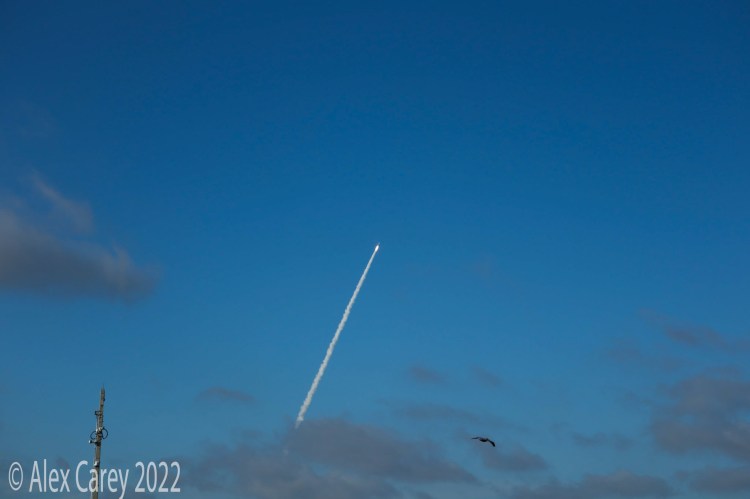
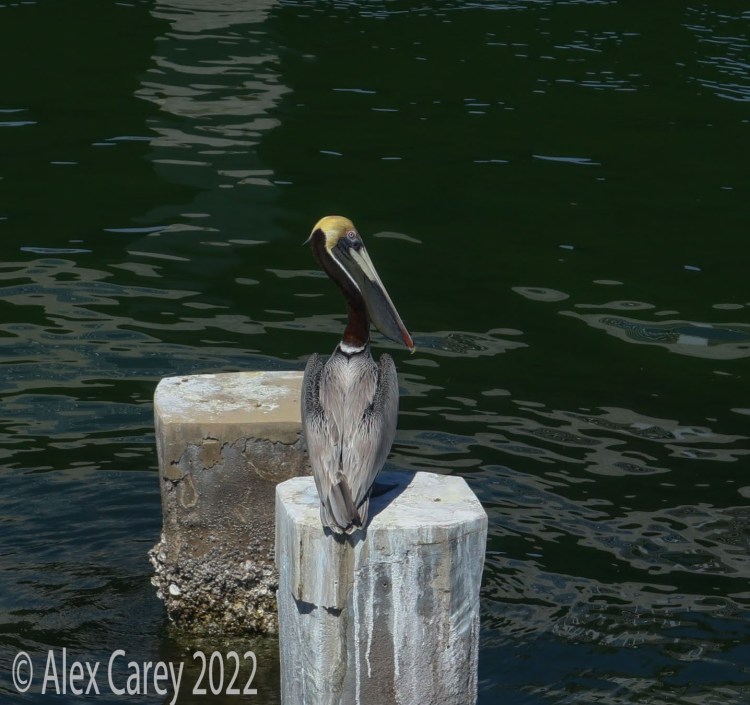
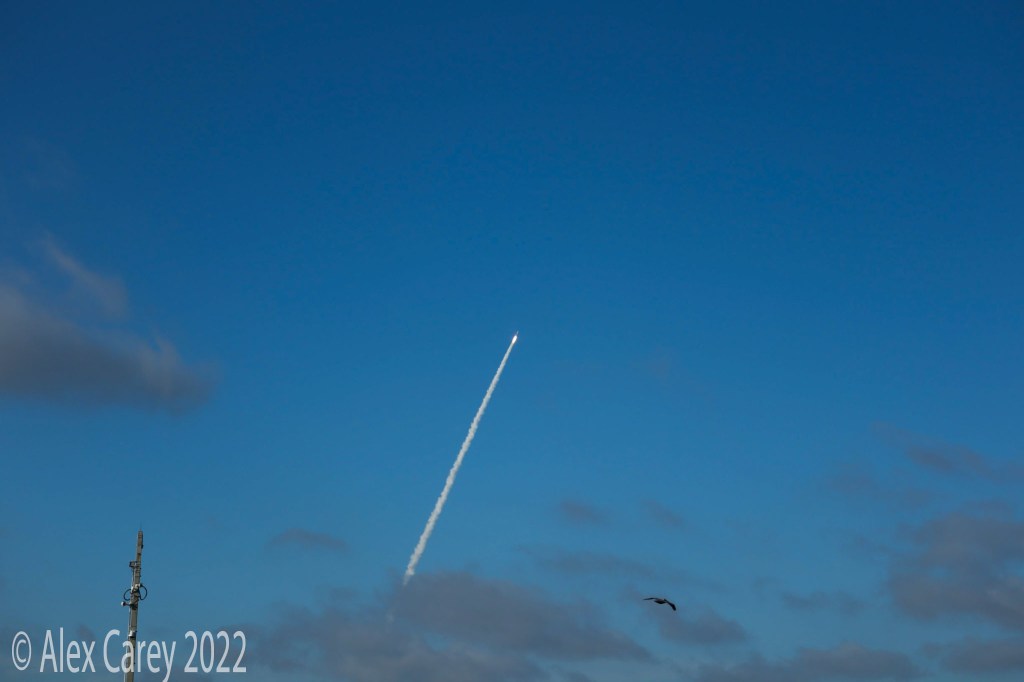
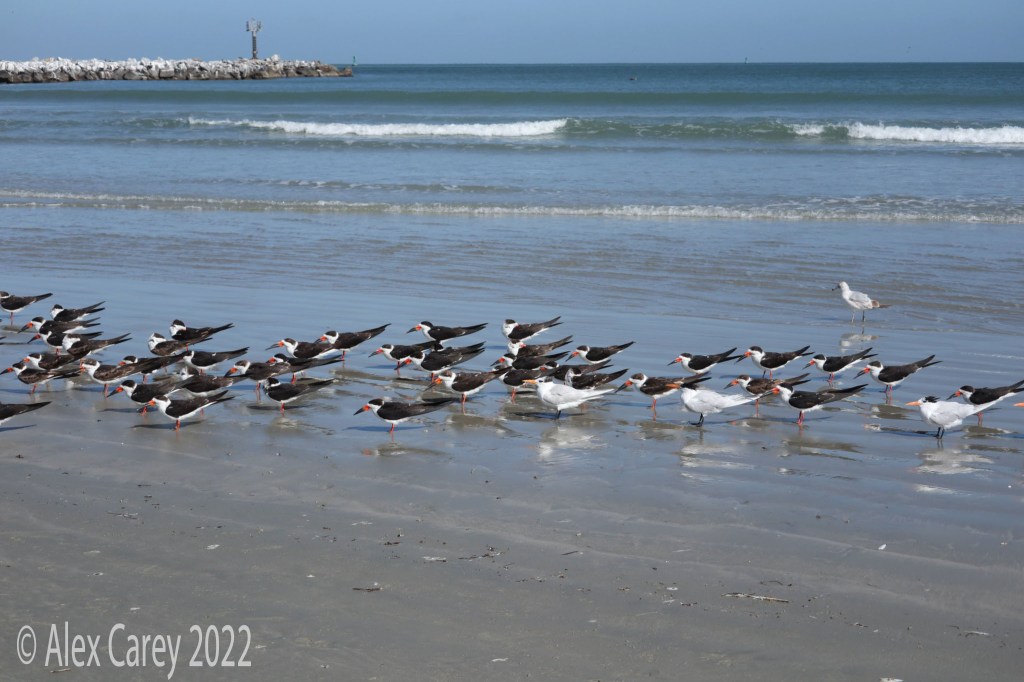
Port Canaveral- I went to Port Canaveral to see a GOES-T weather satellite launch in space. I also went to go fishing at the pier there as well, but caught nothing. I got to see Brown Pelicans, Fish Crows, and many different types of seagulls. Here are some pictures I took while at Port Canaveral.


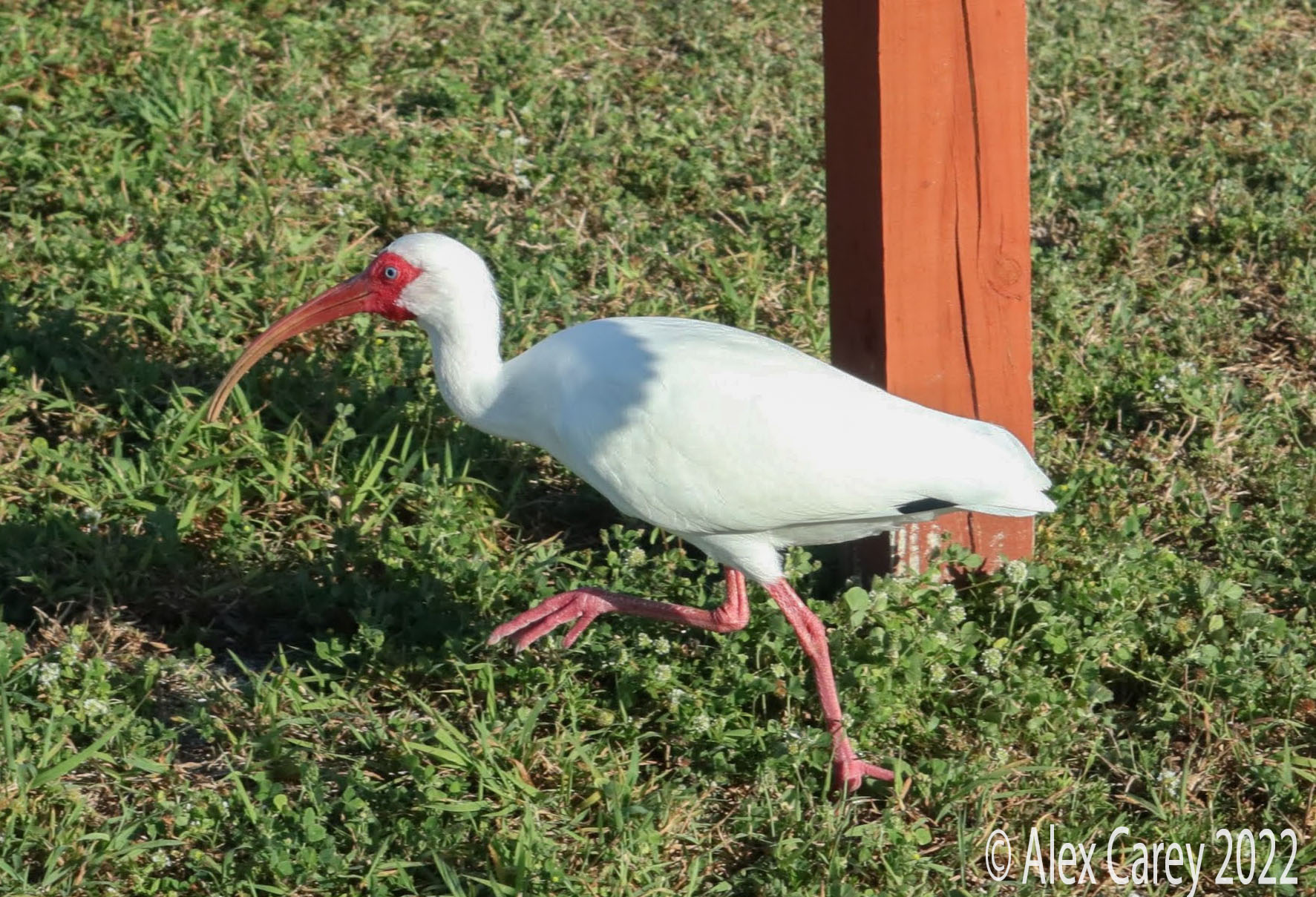
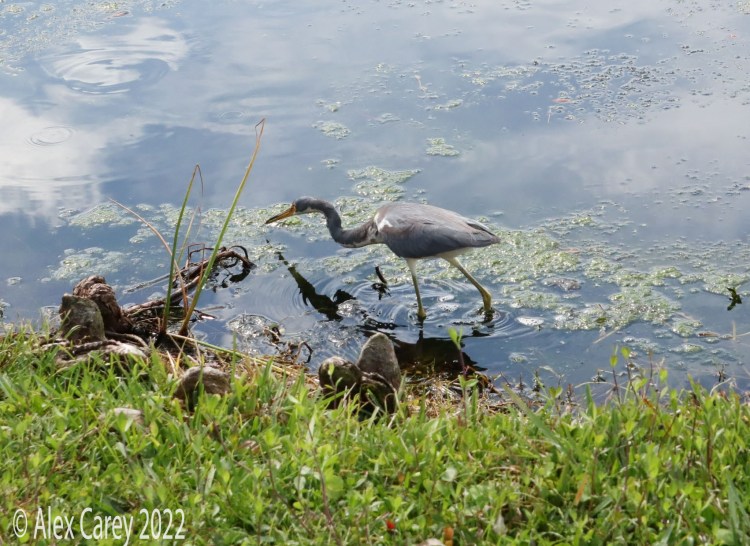
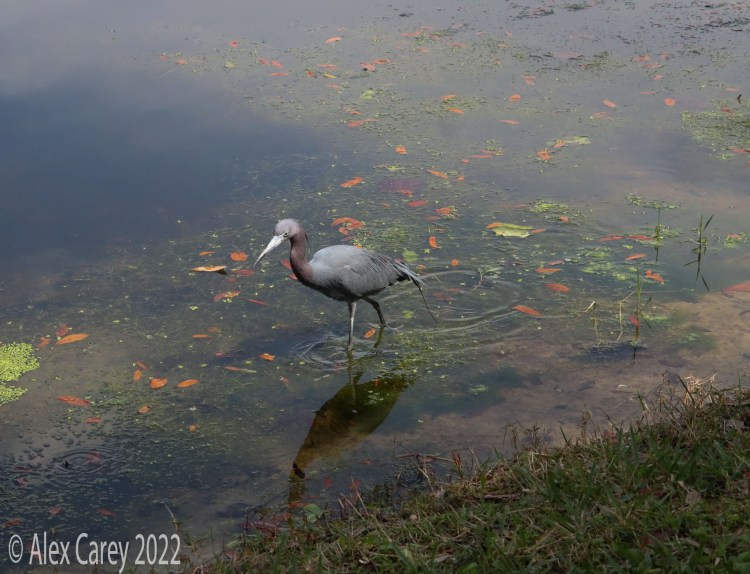
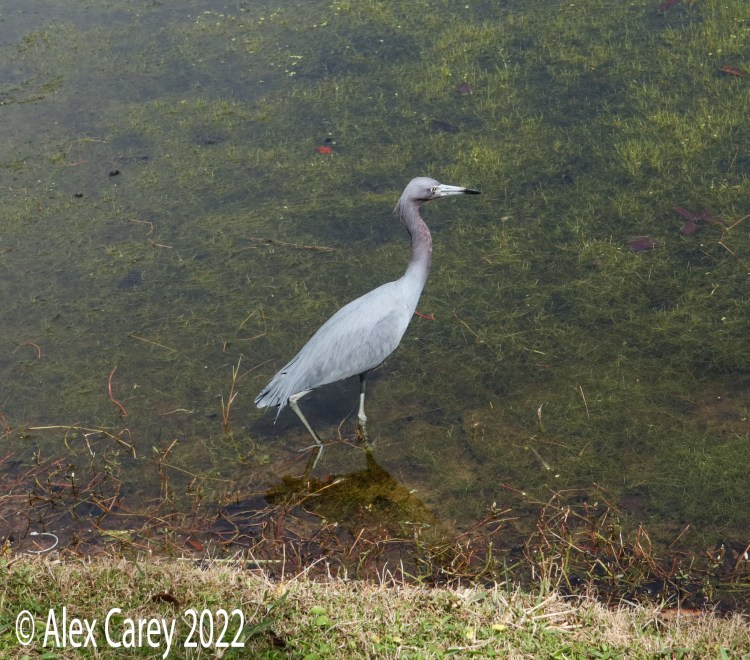
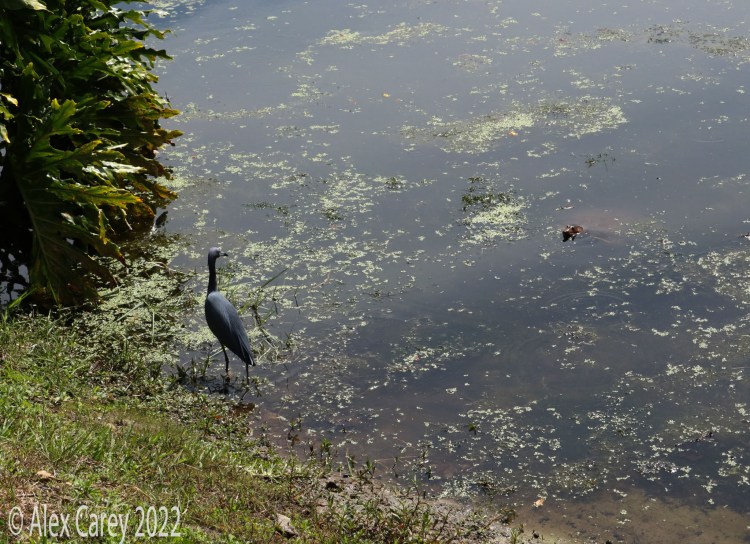
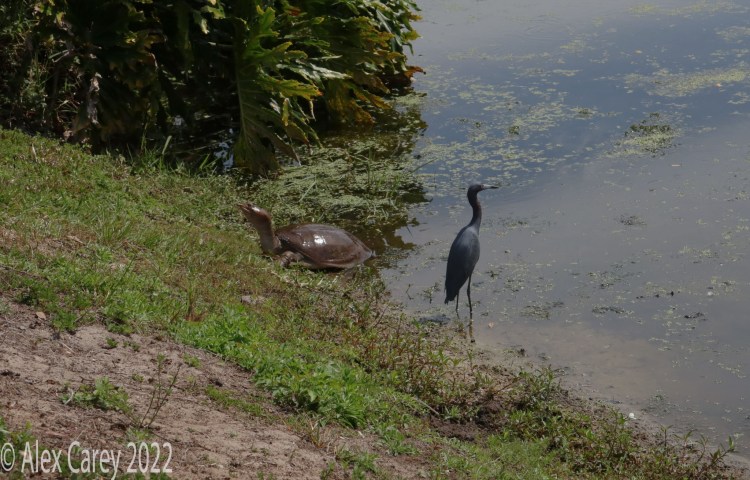
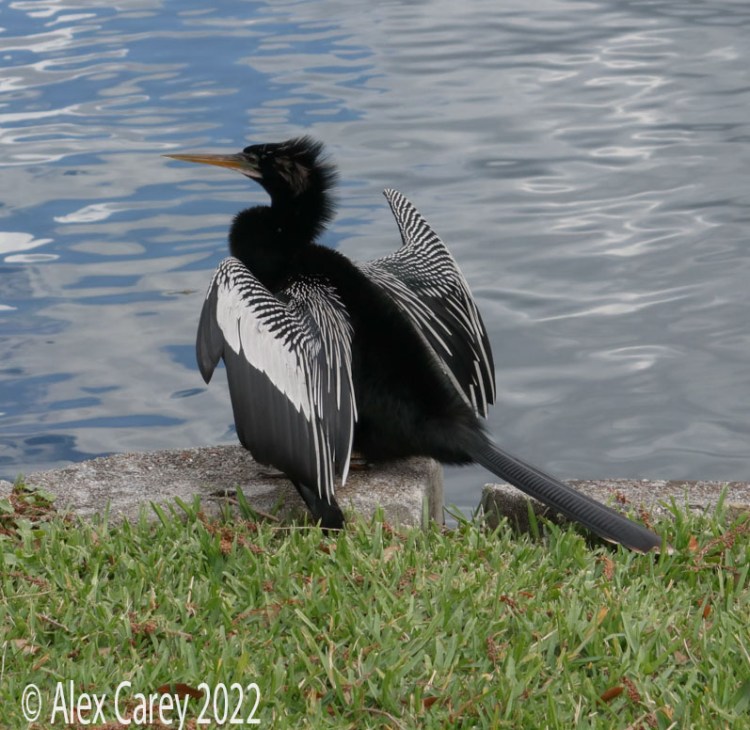
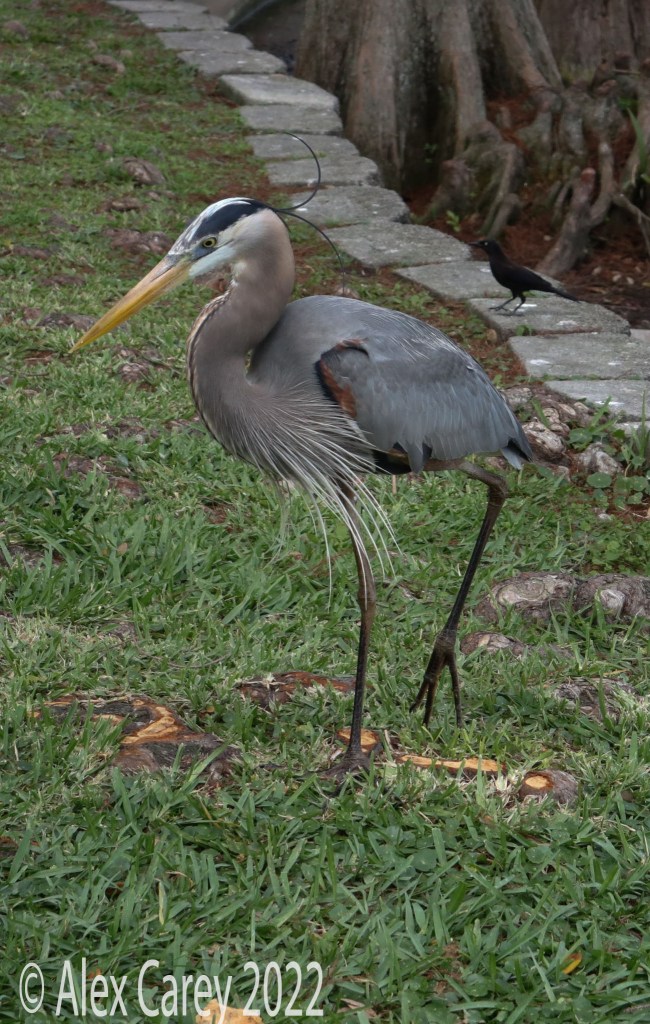
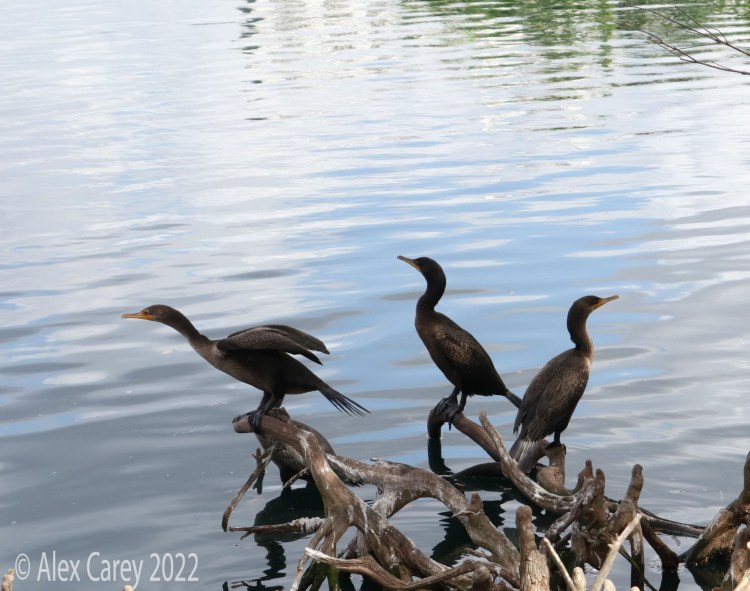
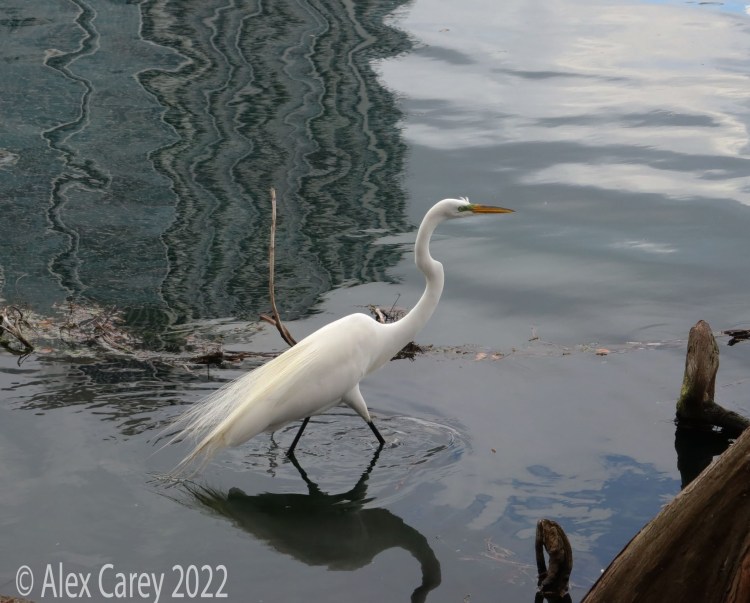
Celebration Florida- I explored Celebration Florida and walked around the area, hoping to get some pictures of the wildlife. The town of Celebration was founded by Disney in 1996. I saw two gators, an anhinga and different species of herons. An interesting fact about egrets, is that they are a type of heron. The Little blue heron is different than the Great blue heron. At the end of my walk I saw the Little blue heron next to a softshell turtle. Softshell turtles are common in lakes in Florida.
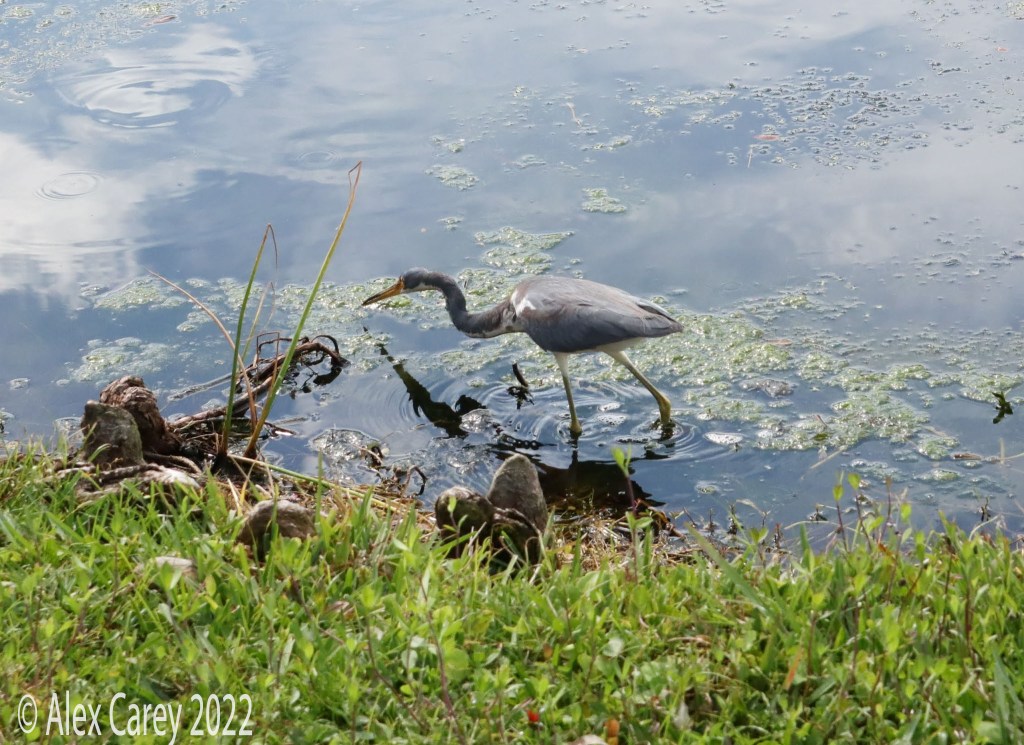


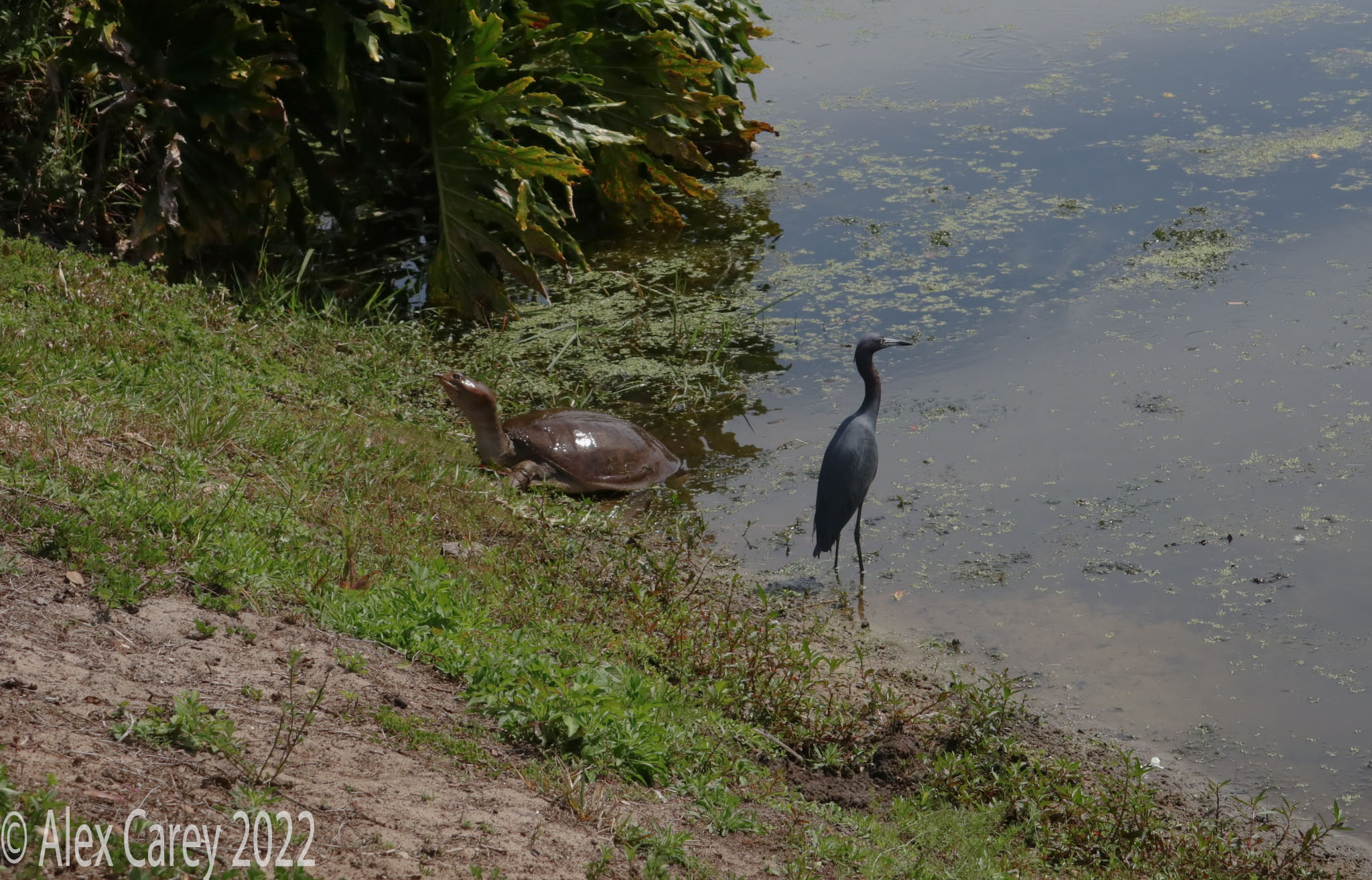
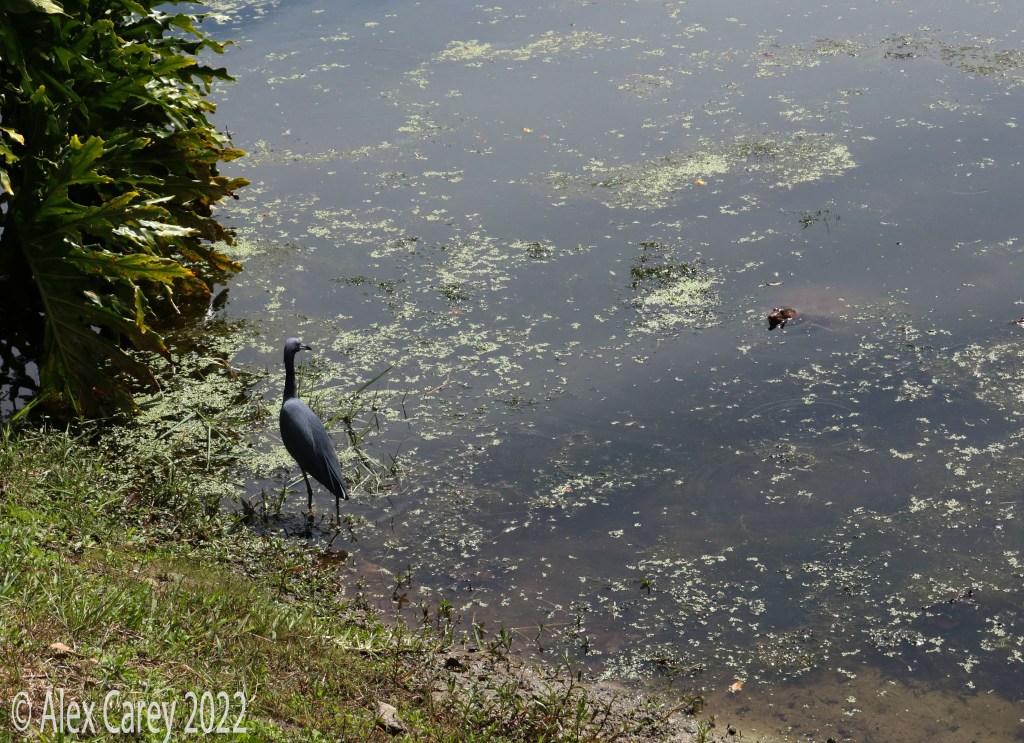
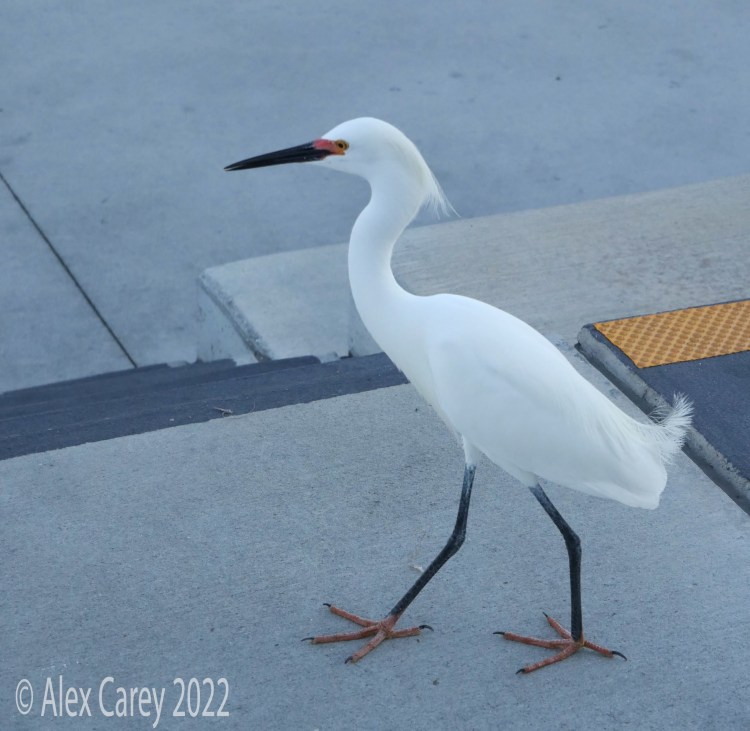
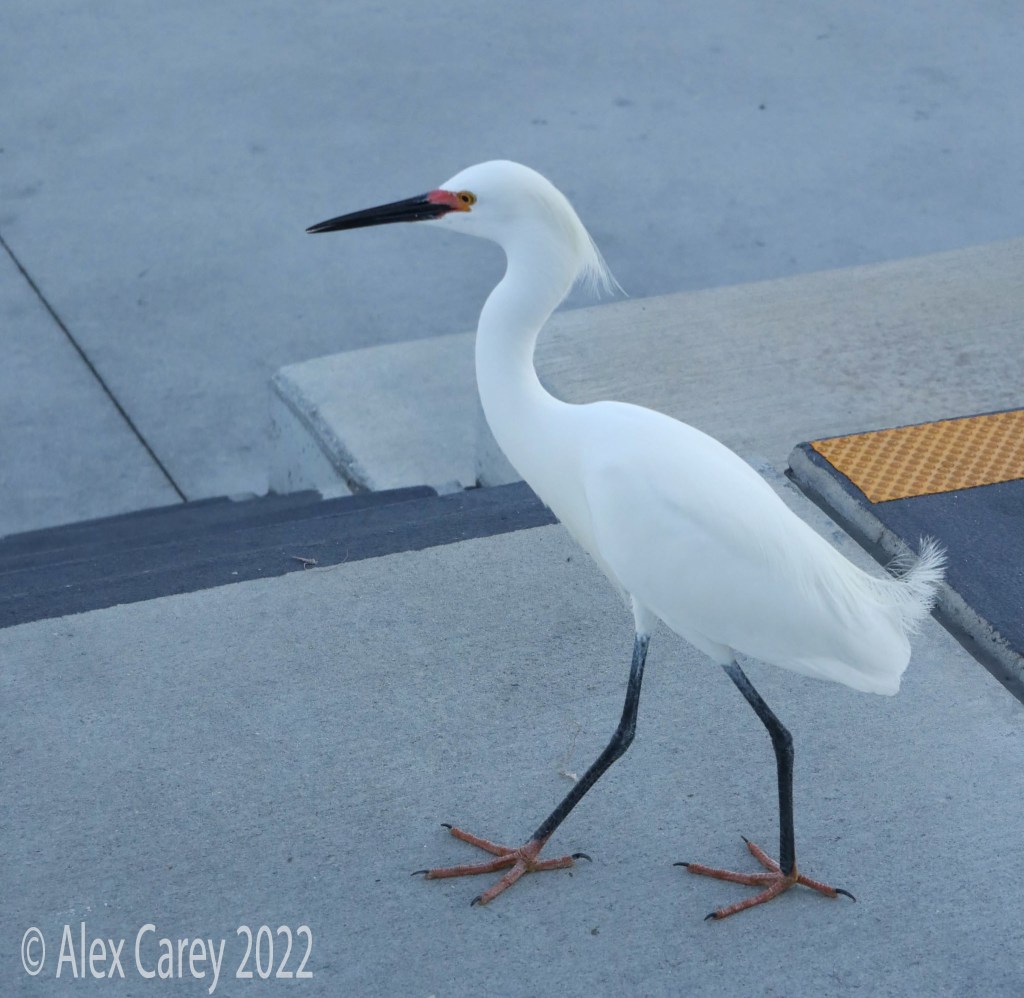
St Pete Pier- St Pete Pier was so awesome to be at. There is a small beach, playground, splash-pad, restaurants and a fishing deck. I went fishing there and caught two Northern Puffer and a Sheepshead. What is weird about sheepshead, is that they have teeth a lot like human. The reason that they have teeth like that, is because their diet consists of mollusks and crustaceans which have tough shells. I also saw brown pelicans, boat-tailed grackles and a snowy egret.
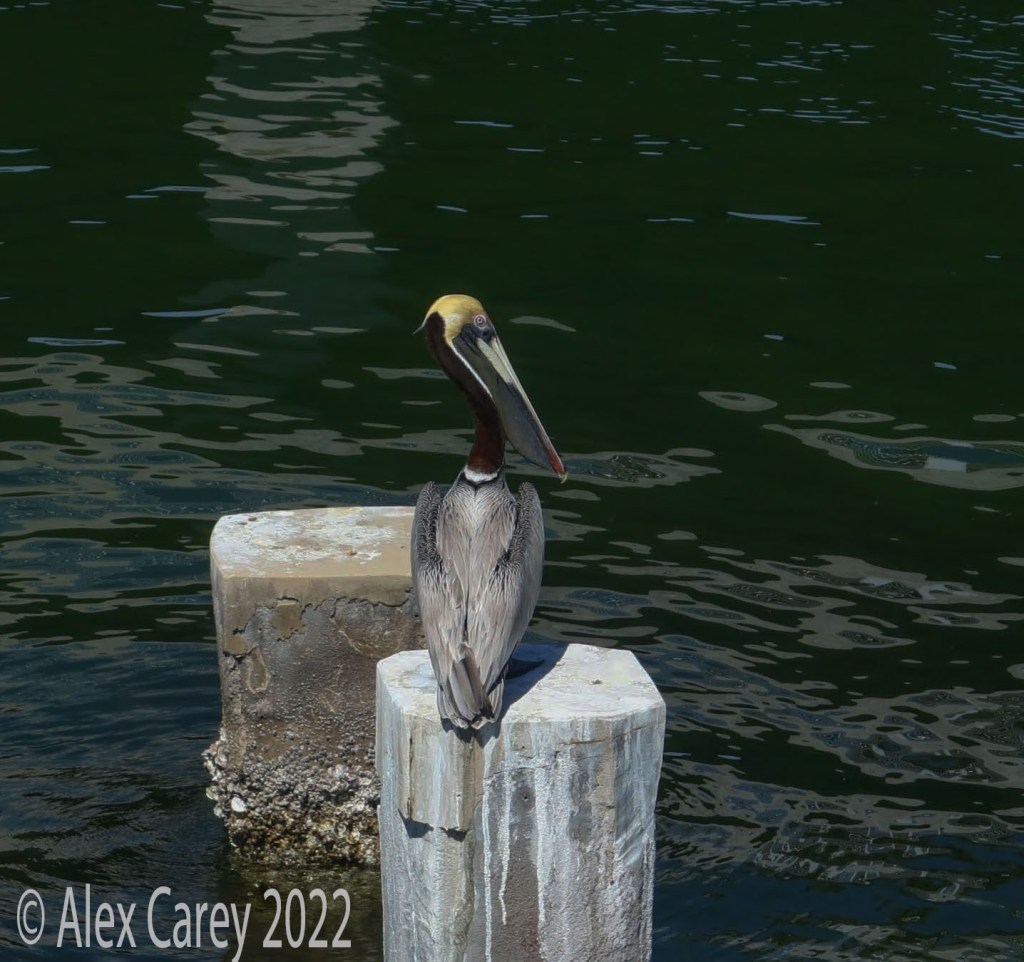

I hope you enjoyed reading about week one.
If you’re interested in binoculars, these are the ones I use. I really like them https://amzn.to/3Gs13lf
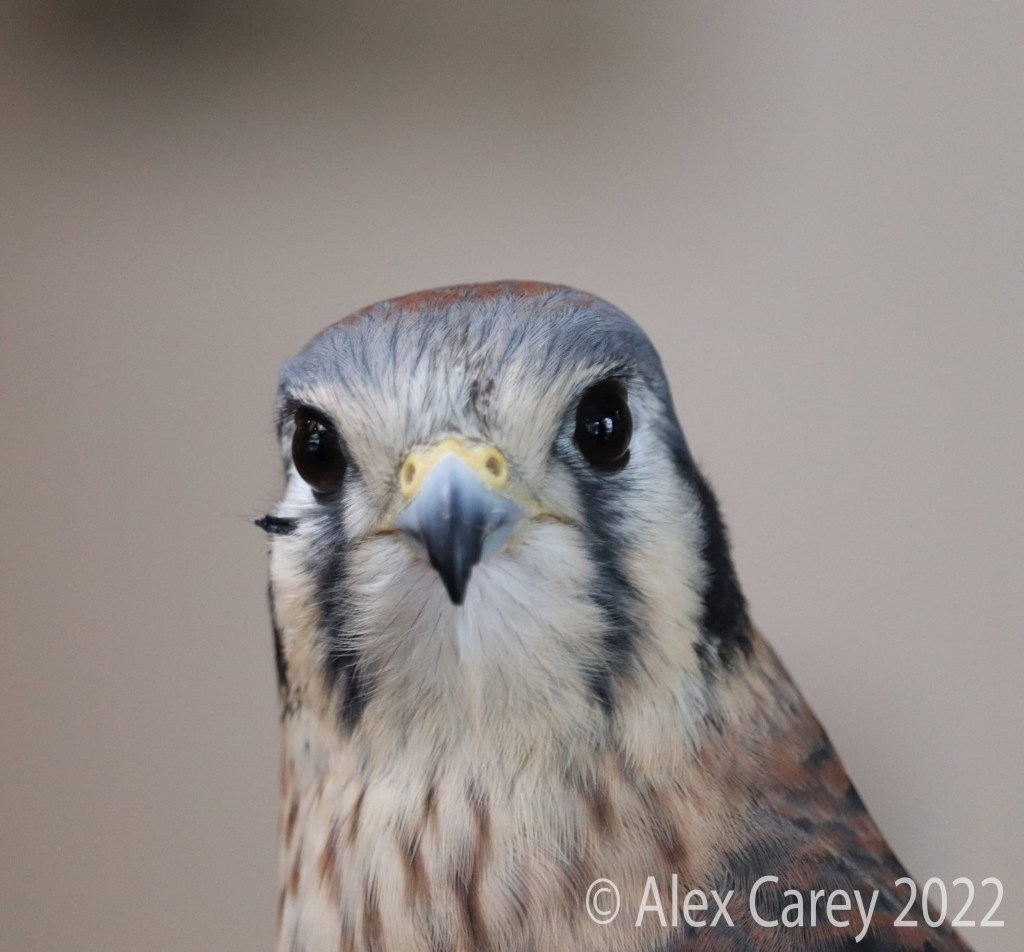
This week, I went to the Gabbert Raptor Center at the University of Minnesota. I went on a guided tour and learned about many different kinds of raptors. Some of them were injured and stayed at the center for a little while; others were there because of human imprinting. Human imprinting is when an animal loses their natural fear of humans and therefore, cannot be returned to the wild.
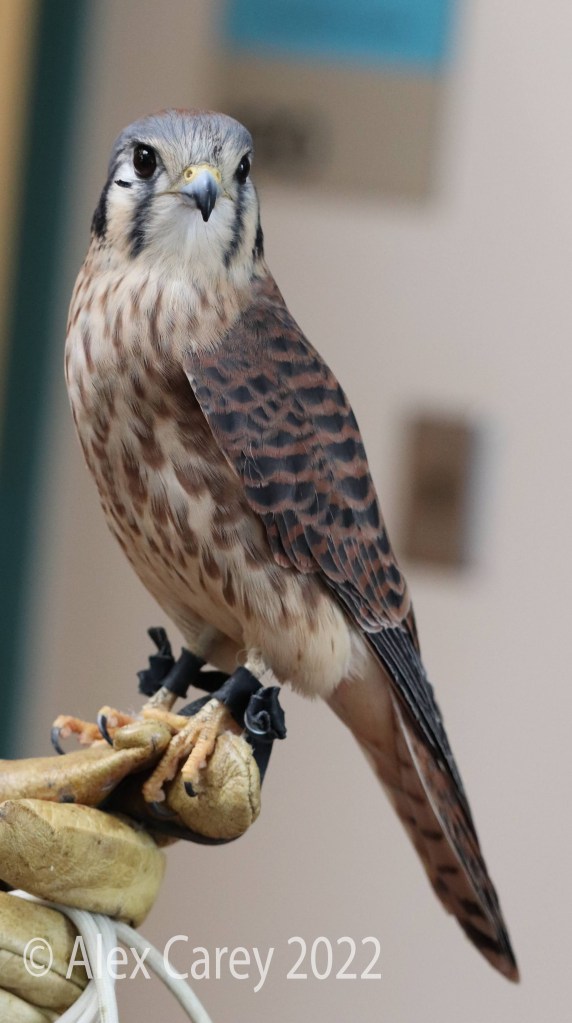
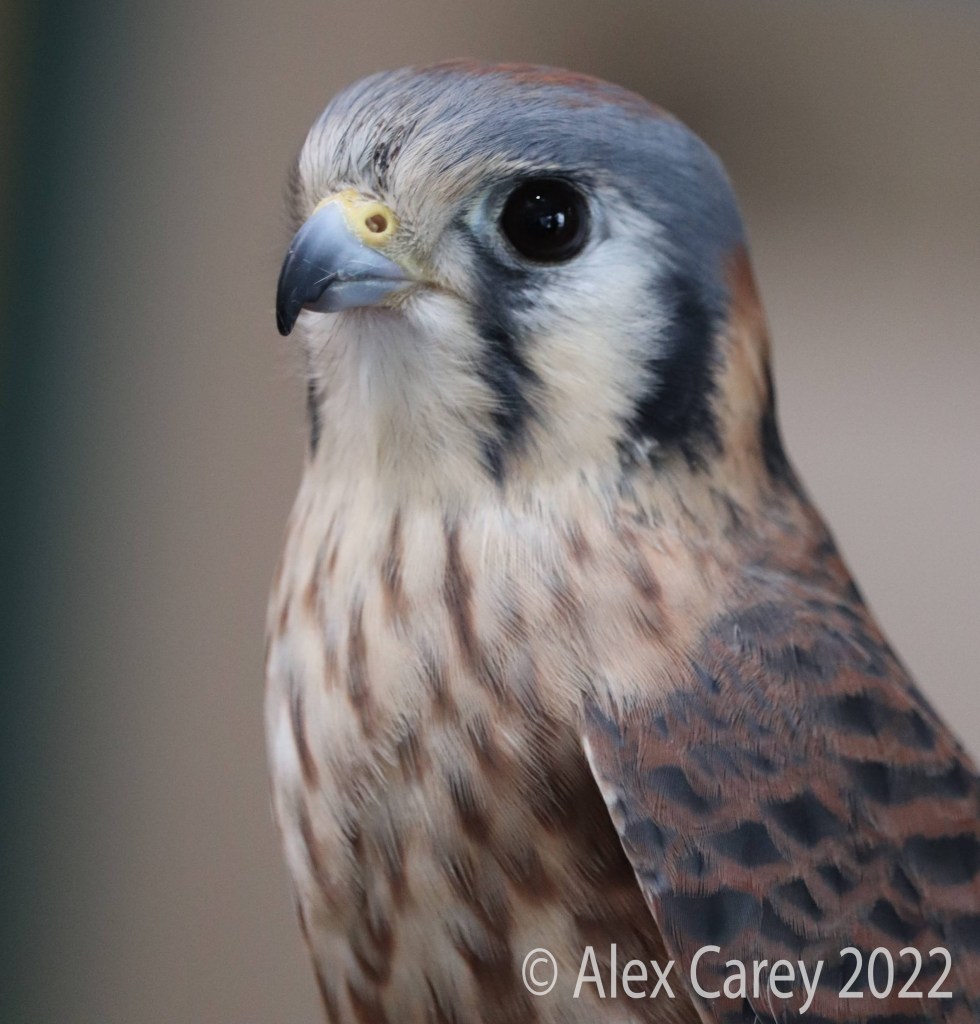

At the beginning of the tour, they brought out an female American Kestrel. It is North America’s littlest falcon. It was pretty cool seeing a kestrel up close where in the wild you can’t see them as much. An interesting fact about the kestrel is that it can see ultraviolet light. This means it can see other animal’s urine trails from far away.
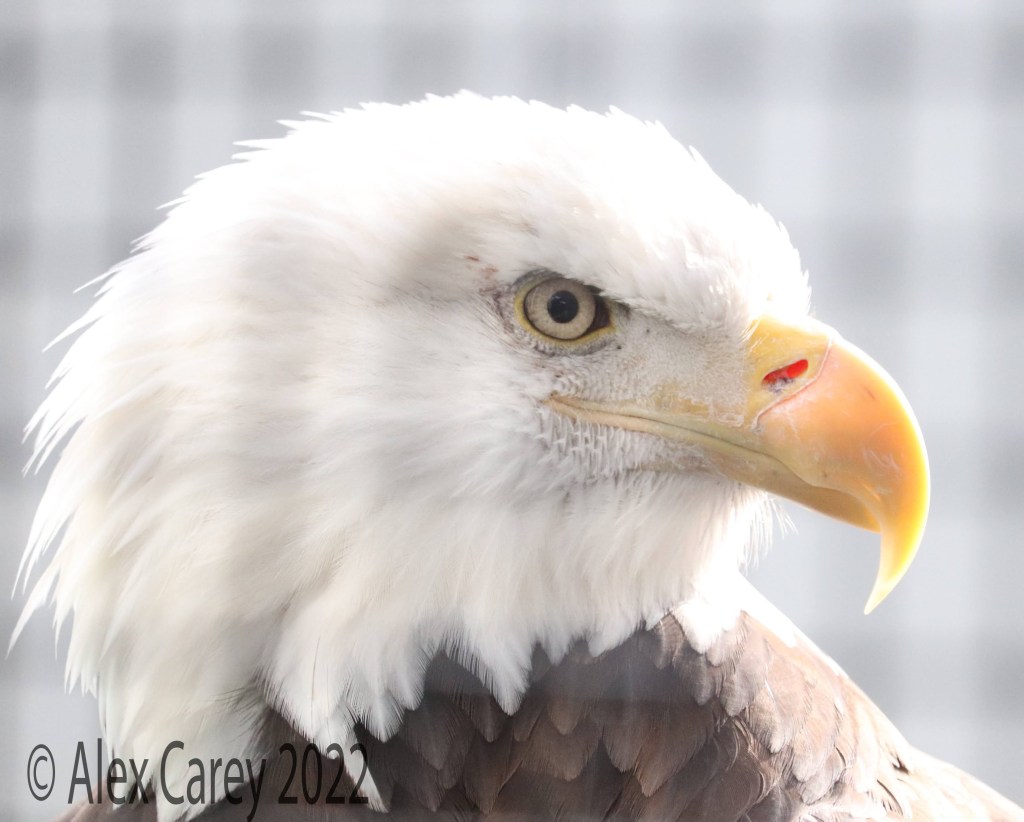
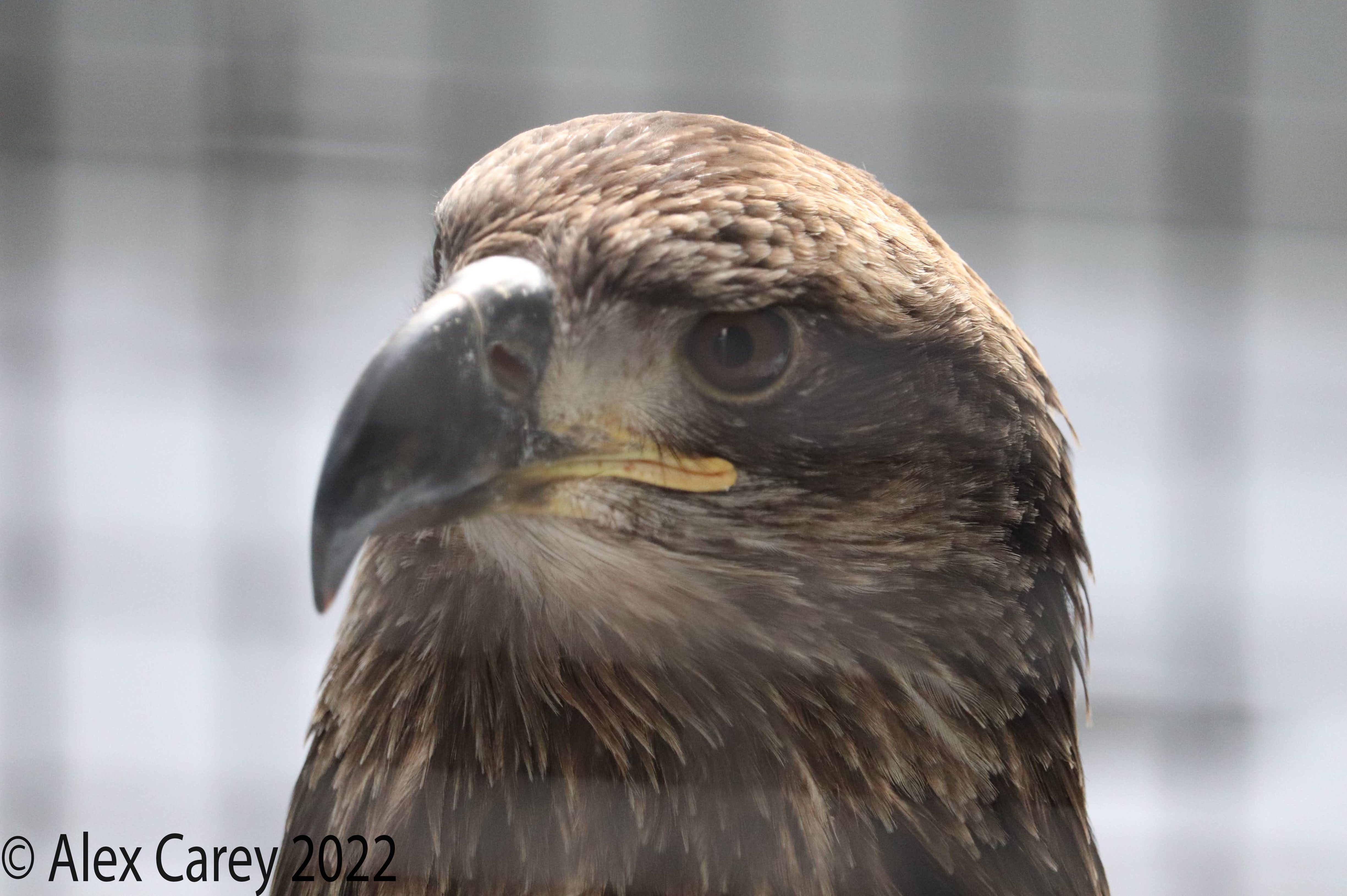
I saw two Bald Eagles while I was there. The one on the left is a male adult and fully mature. And the one on the right is a female juvenile.
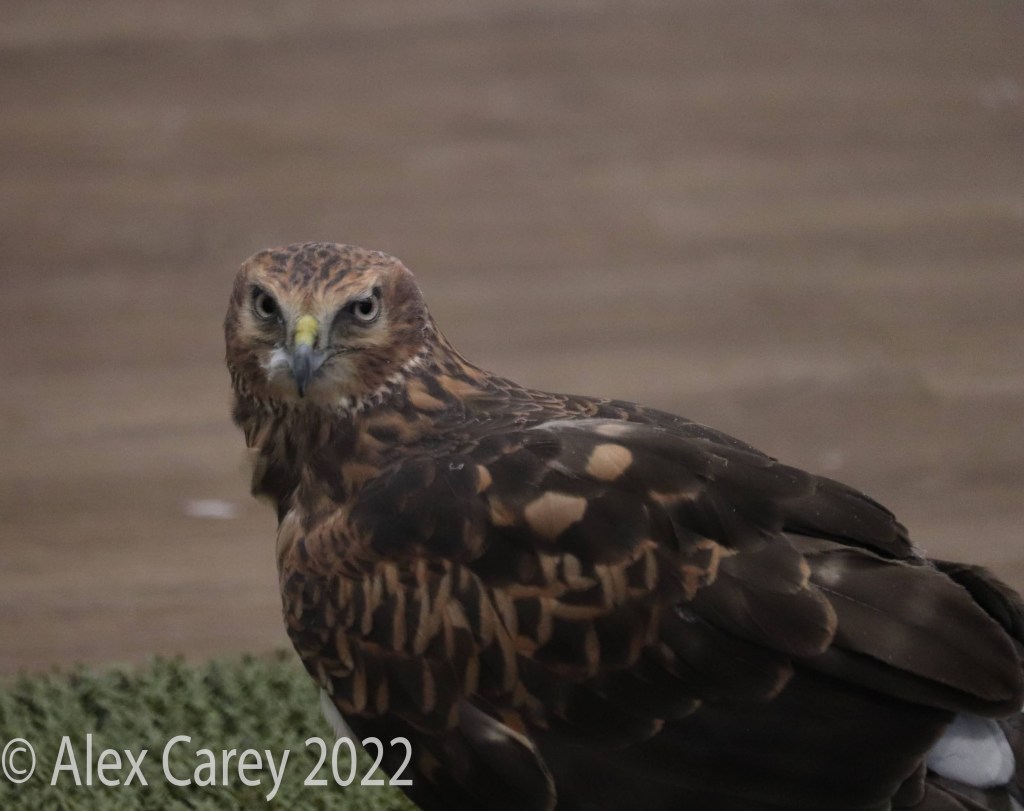

This is a female Northern Harrier. It was refusing to take a bath when I was taking pictures of it. I have never seen a Northern Harrier before so it was cool to see one.
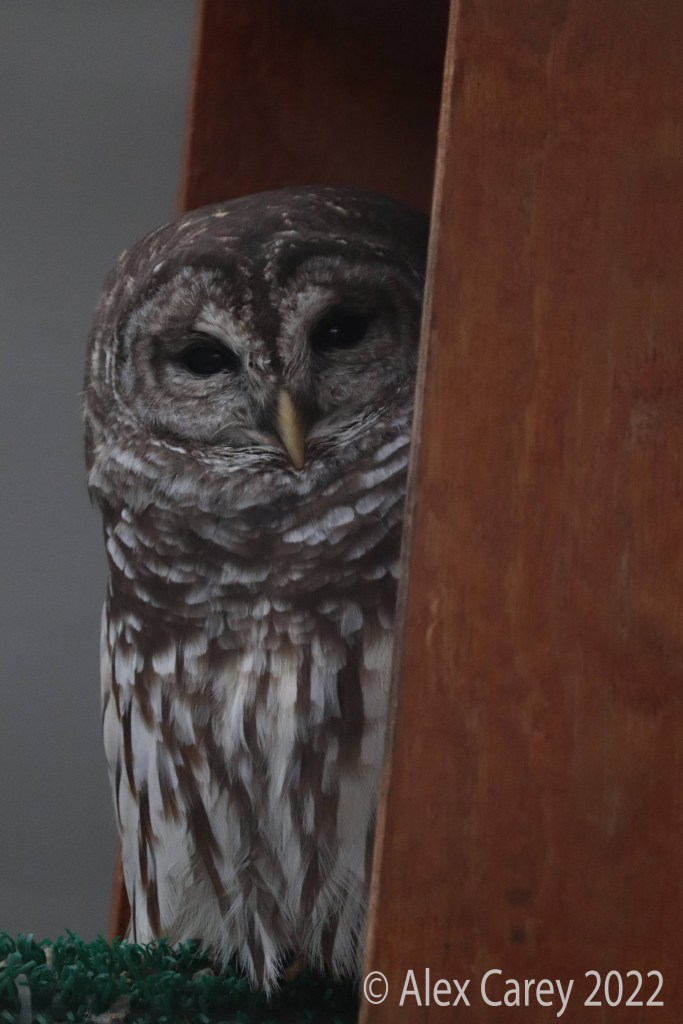
I also saw a Barred Owl there. I have a post about Barred Owls that you can check out on my blog.
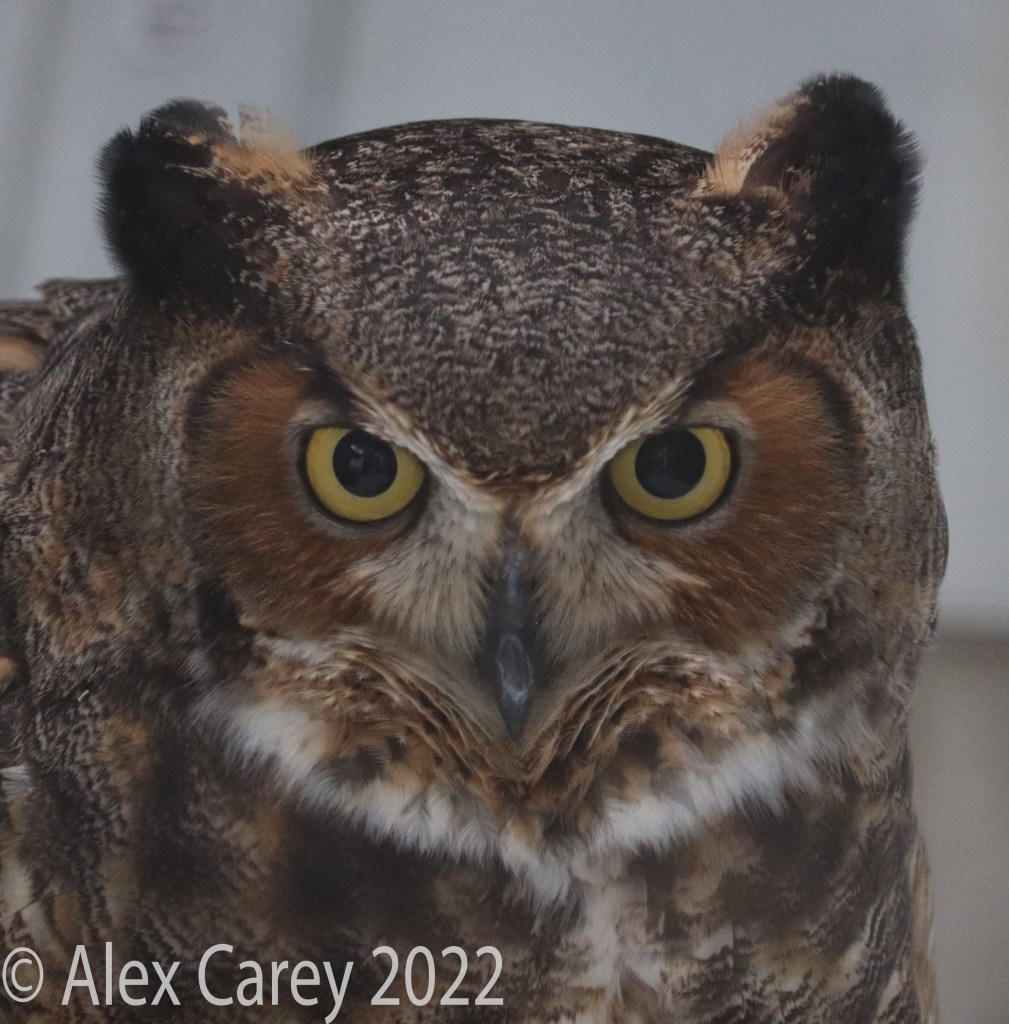
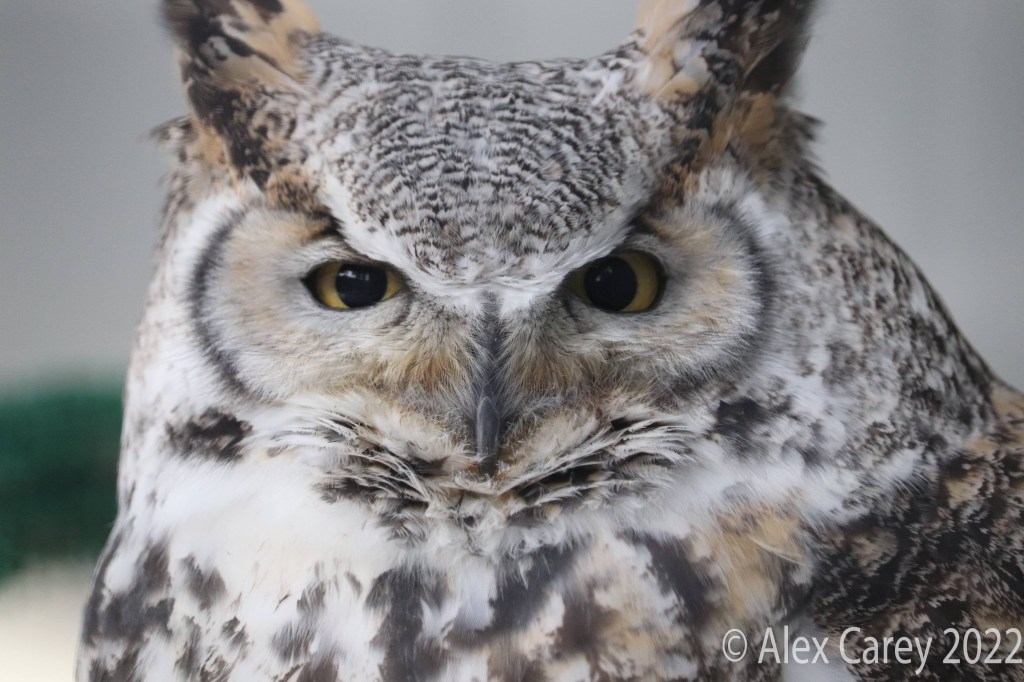
They had two Great Horned owls there, which was amazing to see. The Great Horned is the largest owl in North America. The horns on the Great Horned owl are not really horns at all, they are actually just tufts. Great Horned Owls aren’t all the same color and size.
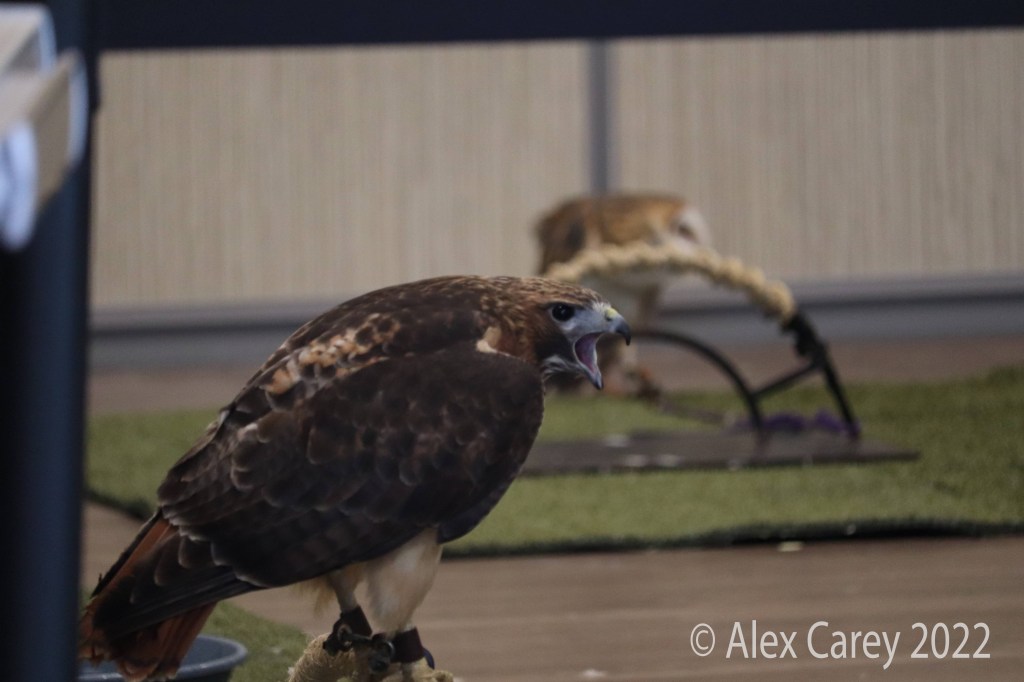
When I was leaving the center, they brought out a red-tailed hawk, who was screaming a lot.
For more information about the raptor center and it’s birds, press the link. https://raptor.umn.edu/
If you’re interested in binoculars, these are the ones I use. I really like them. https://amzn.to/3Gs13lf
This is the book I reference a lot. This is an Amazon affiliate link. I get a small commission if you click and buy through it. Thanks for supporting my blog. https://amzn.to/3pFdeFm
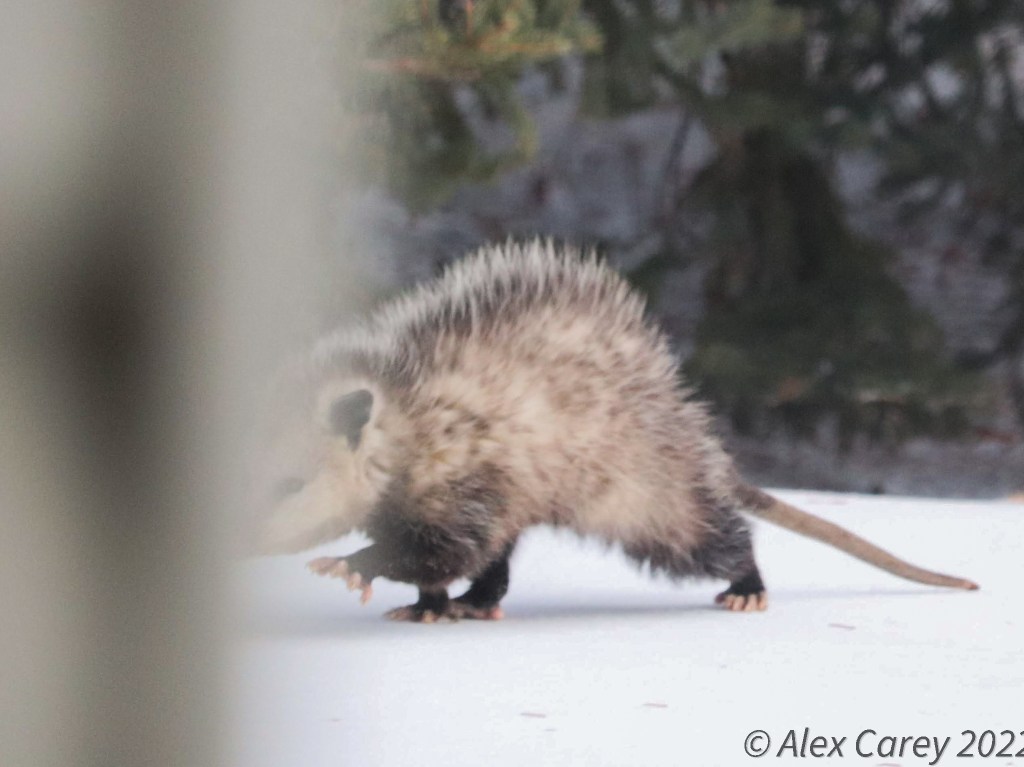
Last week I saw a Virginia Opossum walking in my yard when it was freezing cold outside. I have never seen an opossum in my yard before, so it was amazing to witness. Virginia opossums are marsupials and generally live 1- 4 years. Marsupials are a type of mammal that have pouches for their young until they are mature. It’s not unusual to see the babies riding on their mom’s back too!
Opossums play dead when they feel threatened. They are omnivores, meaning that they eat plants and berries as well as mice and small mammals. They are also good backyard animals, because they will eat and keep the other pests at check. It’s nice to know I have a friendly backyard animal keeping the pests away!

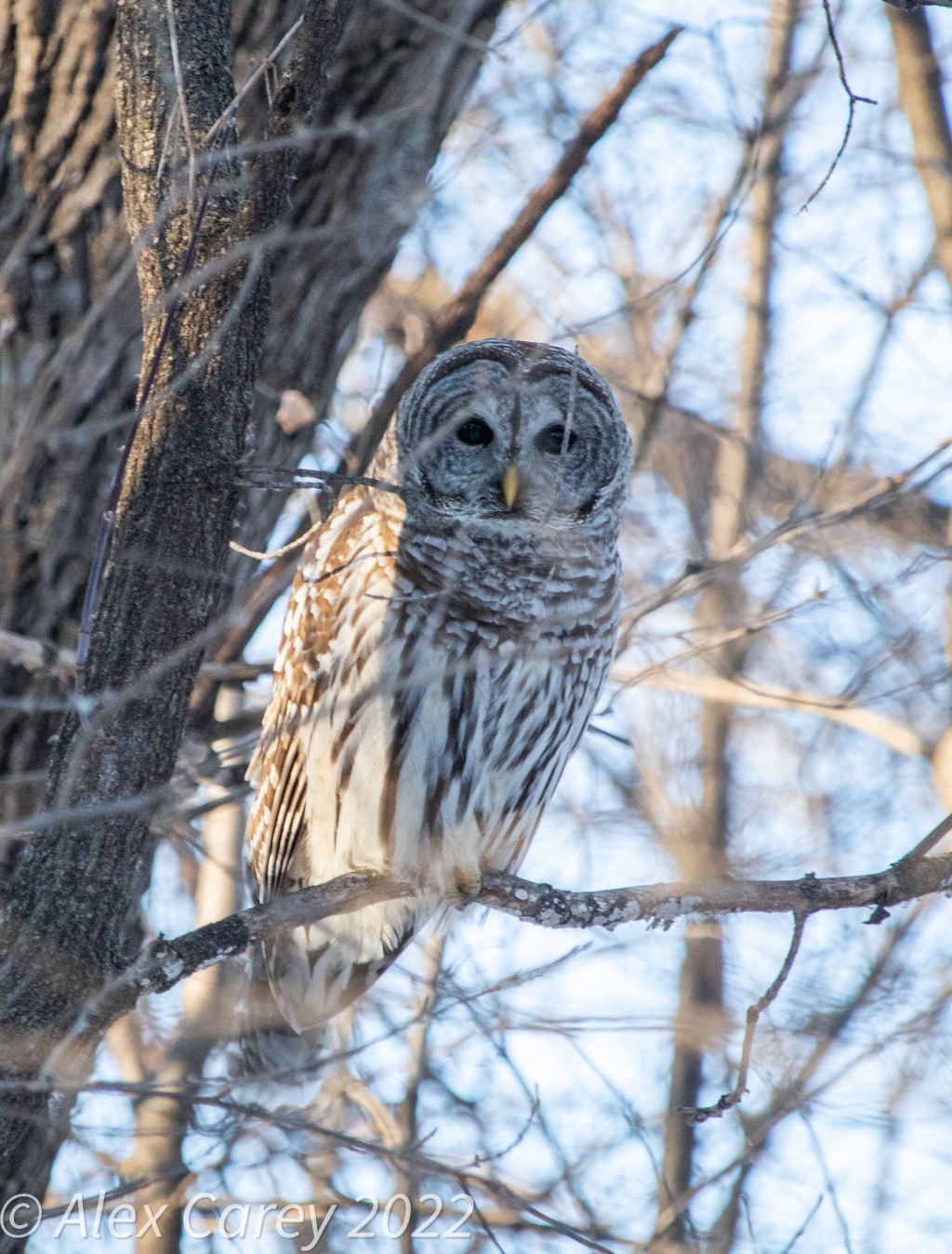
I found a Barred owl while on a walk. This is the second owl species I found this year. Their diet consist of rodents, rabbits, small owls and sometimes birds. The Barred owl has only one natural predator, which is the Great Horned owl. The Great Horned owl and the Barred owl share the same habitat, so if a Great Horned is nearby the Barred owl will move to a different part of it’s territory.
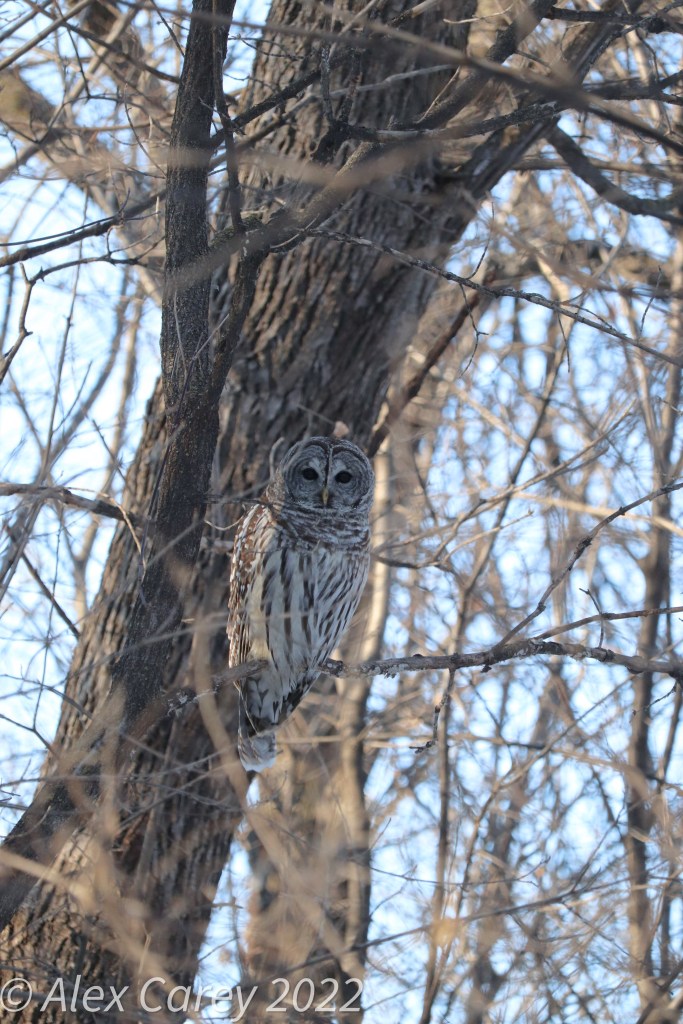
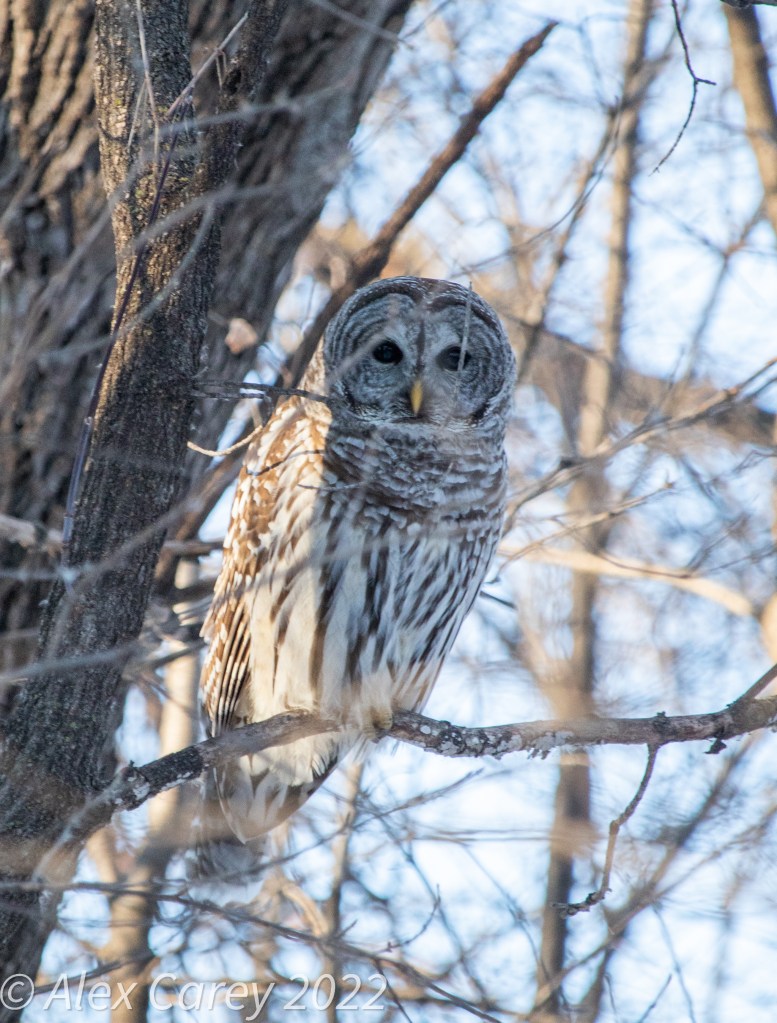
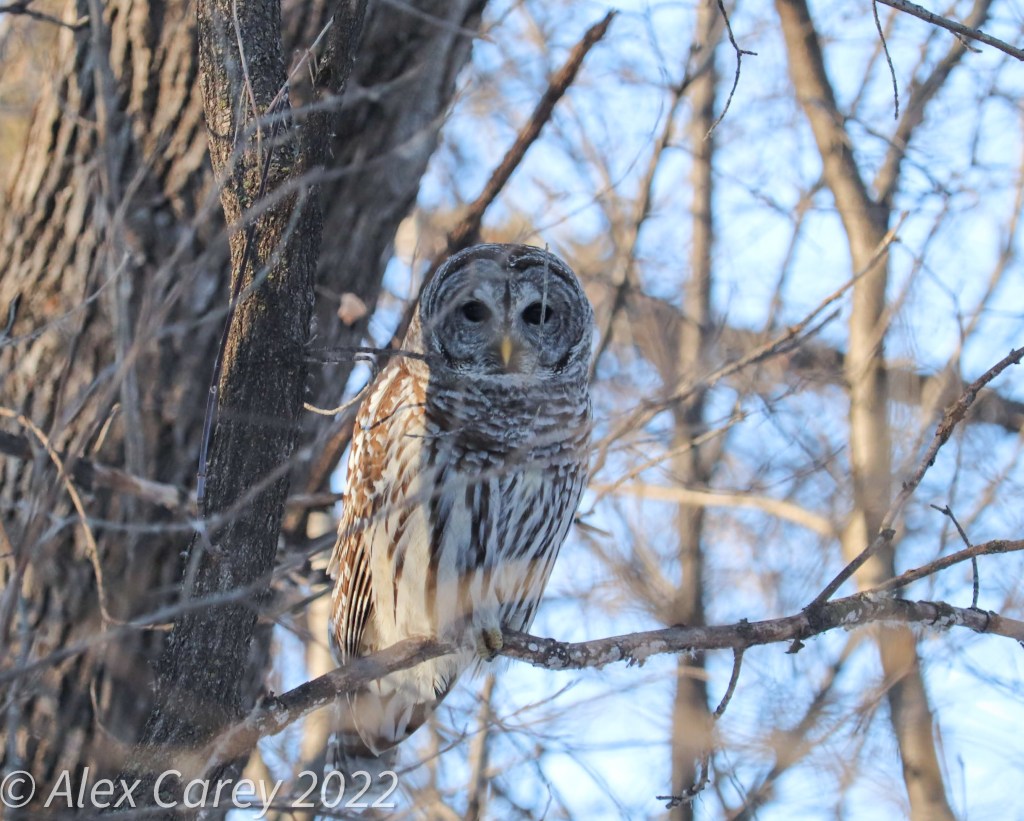

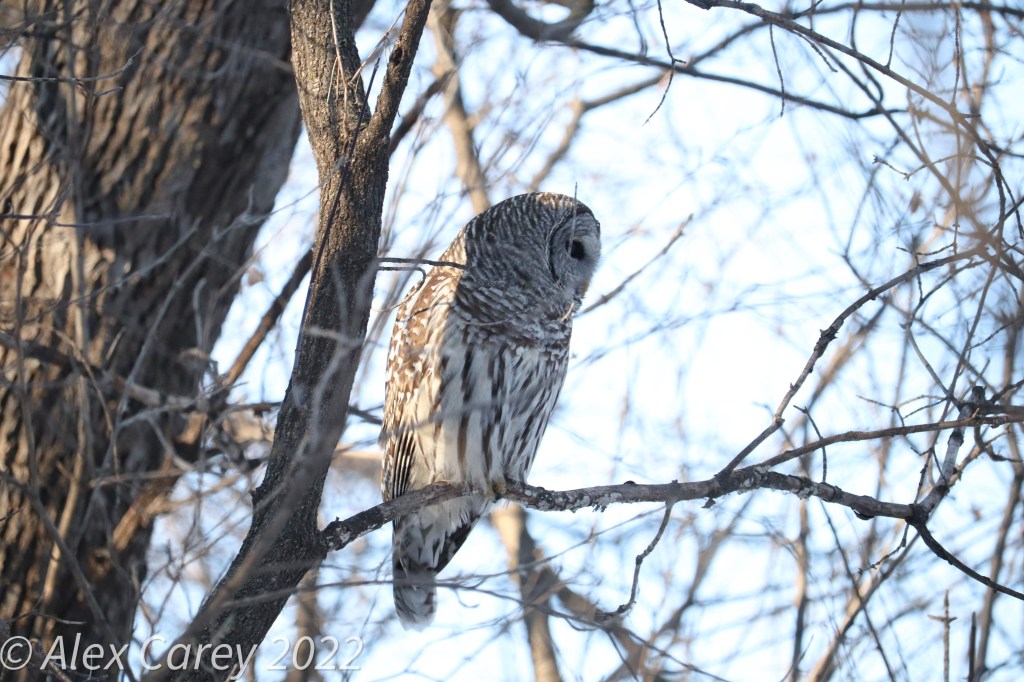
They are also very territorial and are aggressive to intruders when nesting and raising their young. They make a cool call that is 8-9 notes. Their call sounds like “Who cooks for you” and “Who cooks for you all”.
This is the book I reference a lot. I get a small commission if you click and buy through it. https://amzn.to/3pFdeF
If you’re interested in binoculars, these are the ones I use. I really like them. https://amzn.to/3Gs13lf
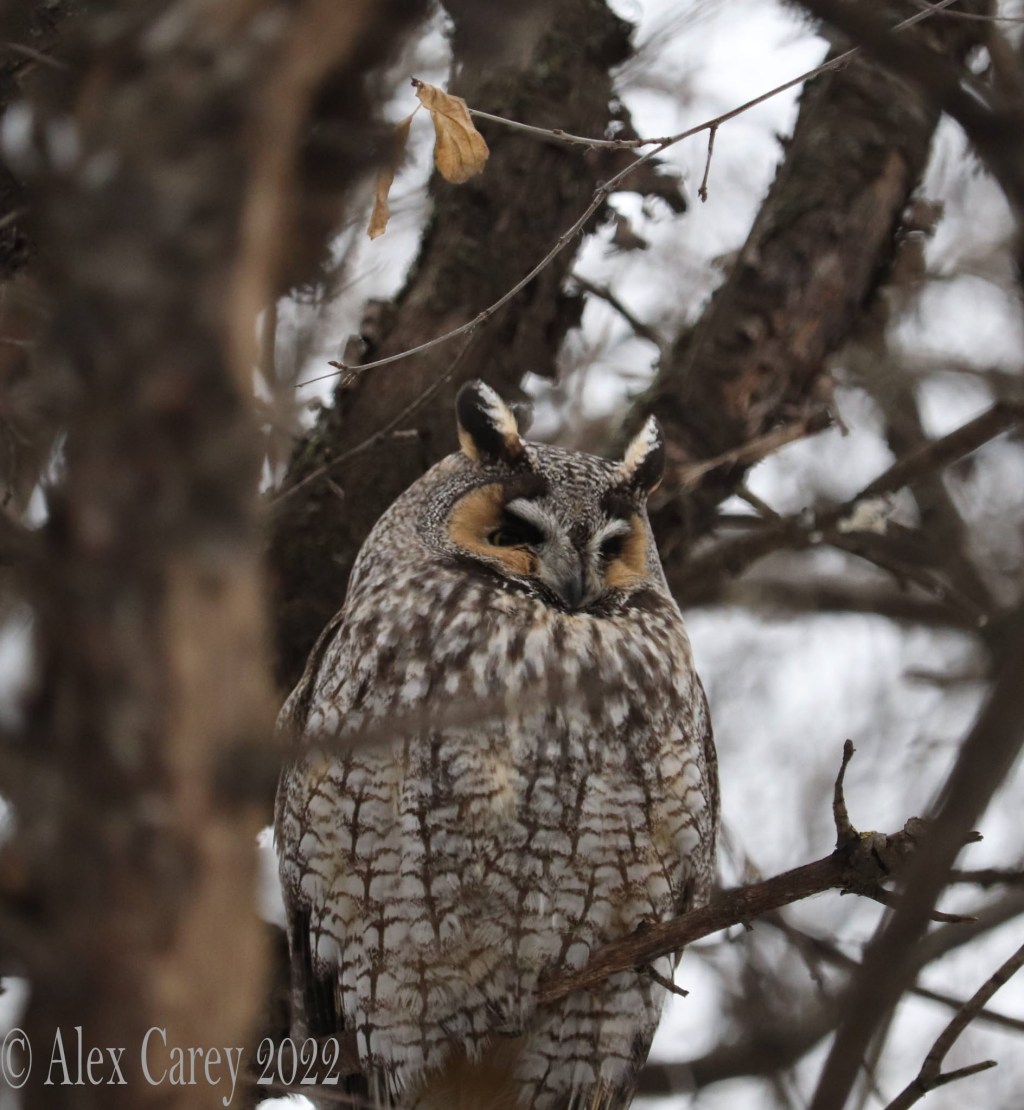
Today I got to see a Long-eared owl in action. We had been looking for a while, when we saw it fly onto a tree.

I was fortunate enough to get this owl just after it caught a rodent. I was able to observe it eating it’s prey. Owls have a very unique way of consuming food. They swallow their prey whole.
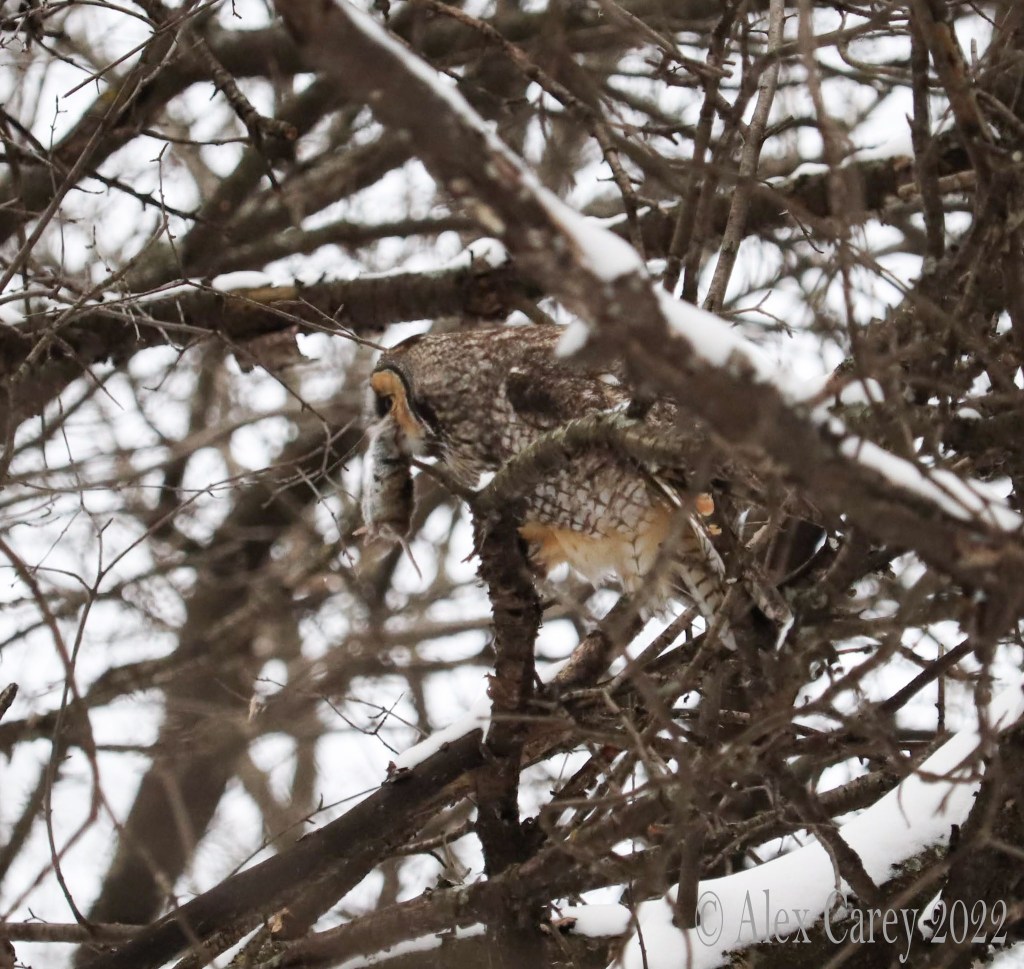

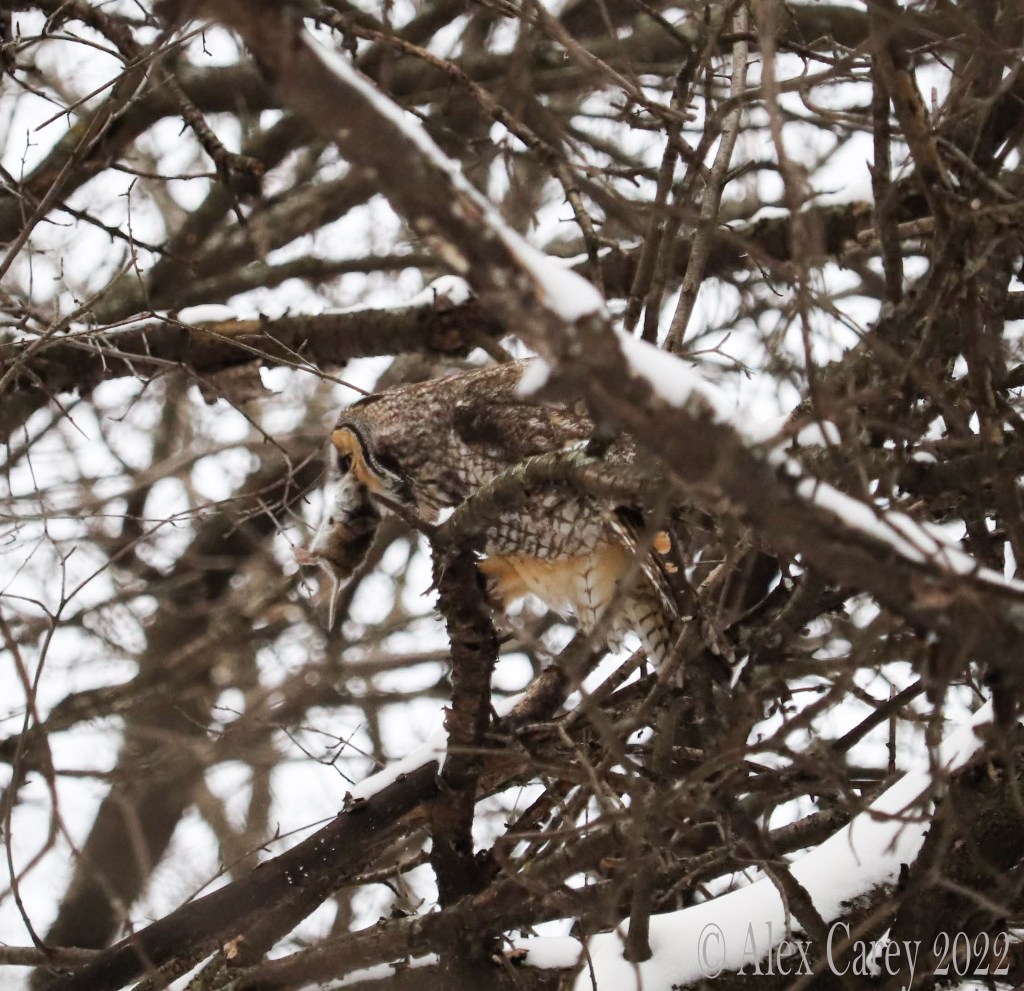
They will regurgitate the parts of the animal that can’t be digested into a pellet. Owl pellets are interesting to look at. Long-eared owls feed heavily on rodents such as different types of mice, rats, and voles.
If you’re interested in binoculars, these are the ones I use. I really like them. https://amzn.to/3Gs13lf

On Tuesday, I went to go snowshoeing at the North Mississippi Regional Park. While I was there I got some pictures of some cool birds.
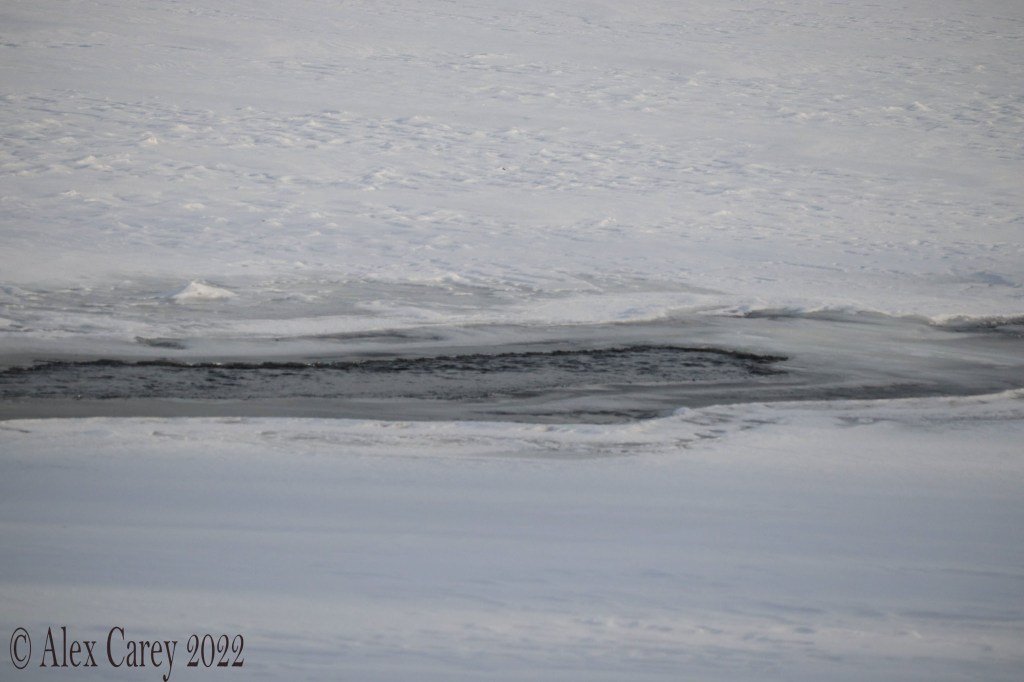
Even though it’s winter, the river is still moving. It’s never safe to walk onto a river.
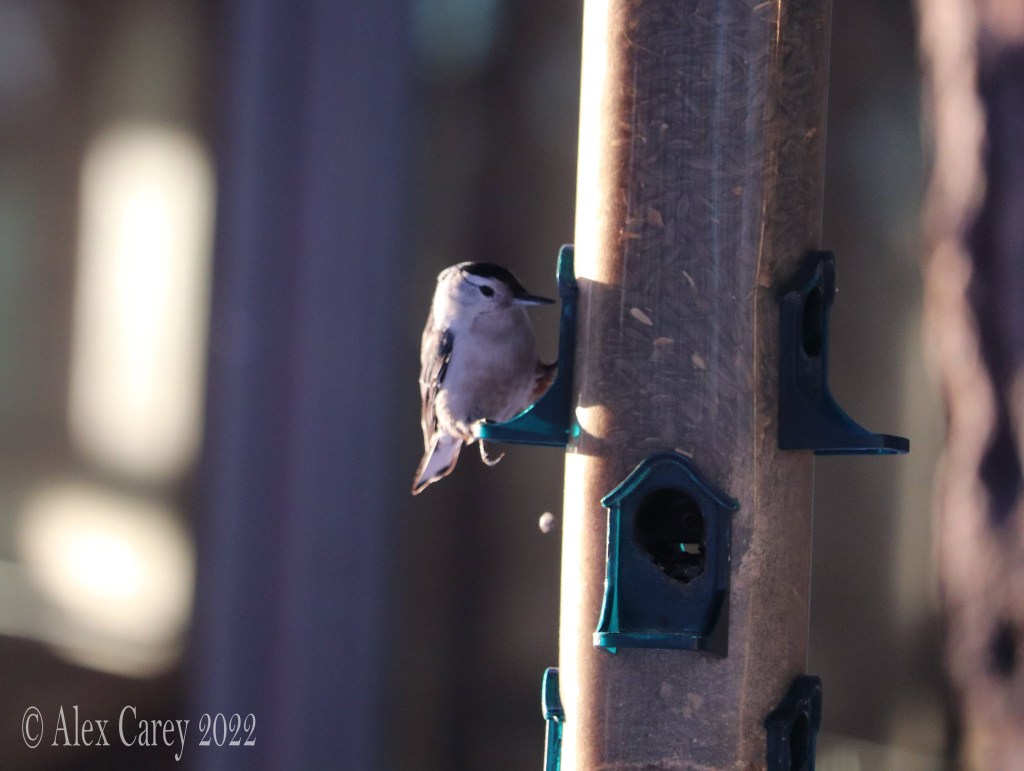
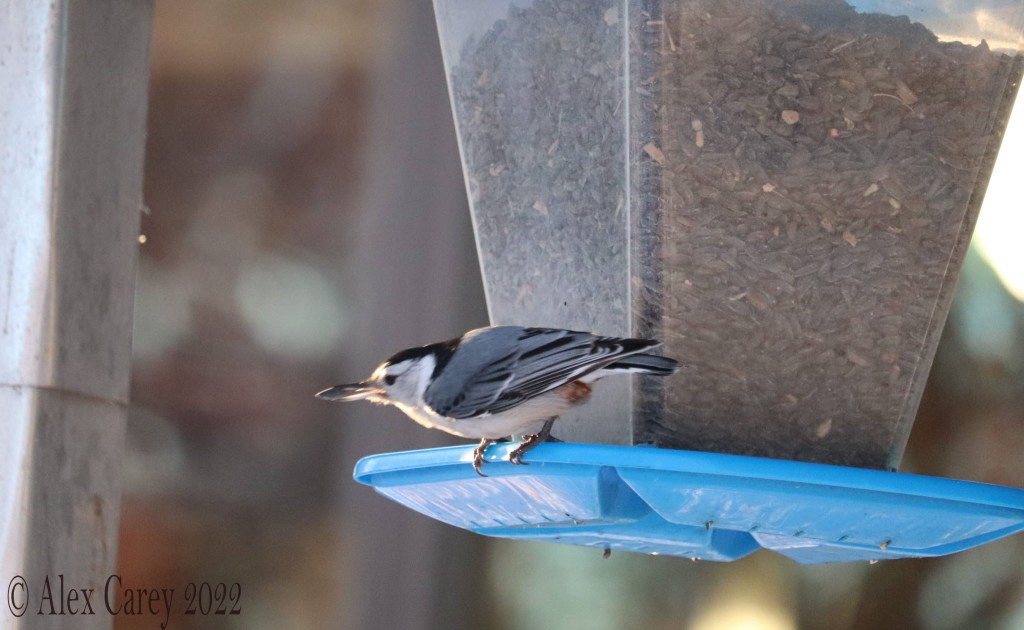
At North Mississippi Regional Park, I found a White-breasted Nuthatch. They get their name from jamming large acorns into tree bark. They are a common feeder bird.
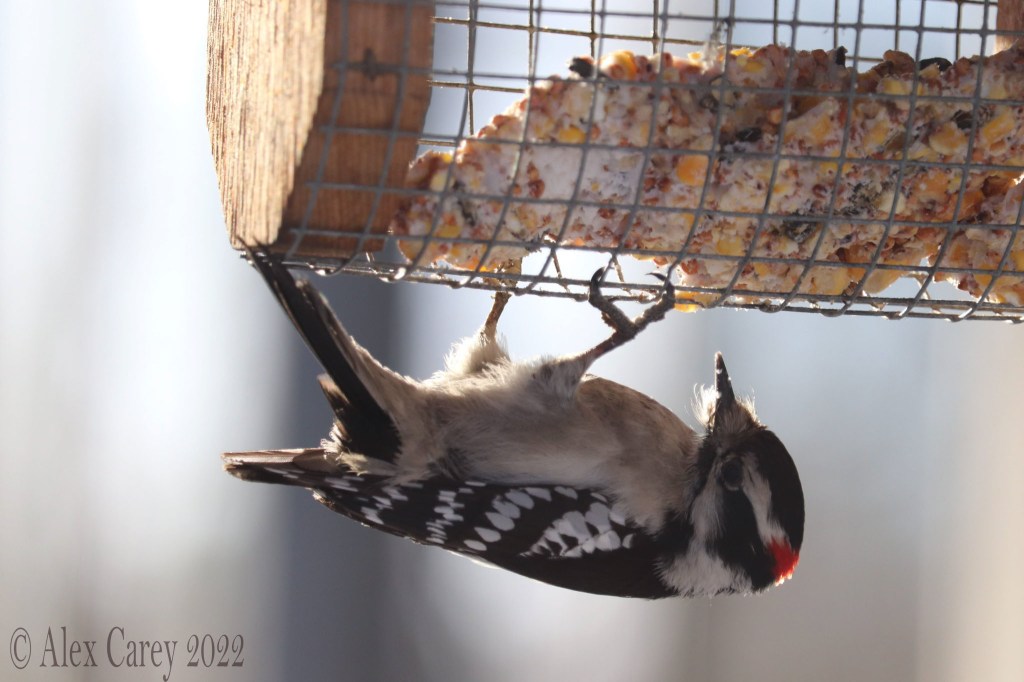
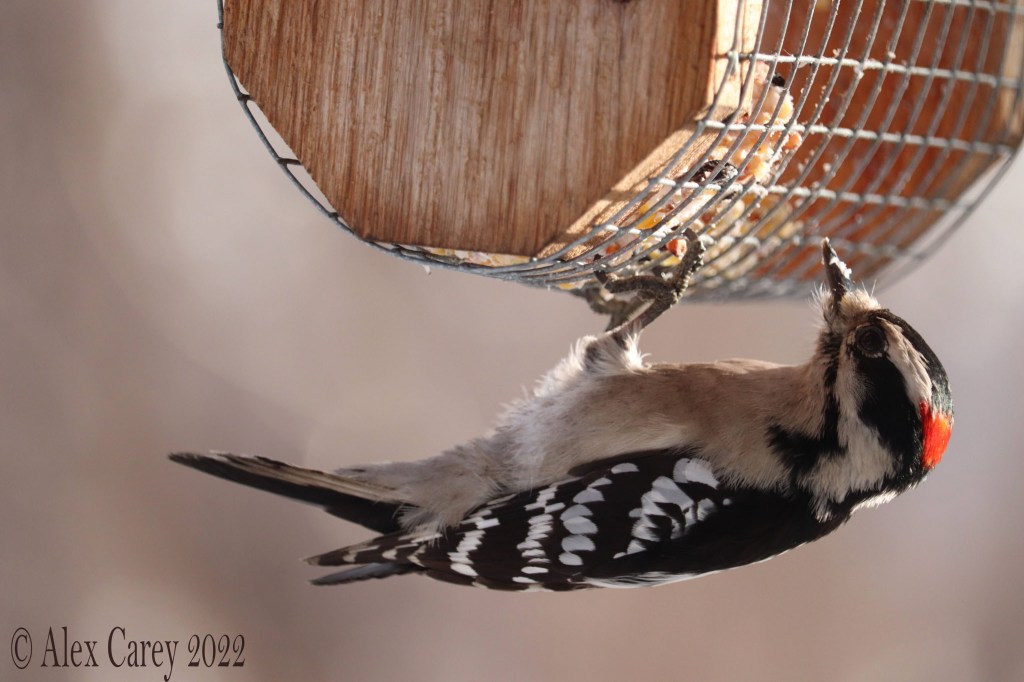
I got some pictures of the Downy Woodpecker pecking at the suet feeder.
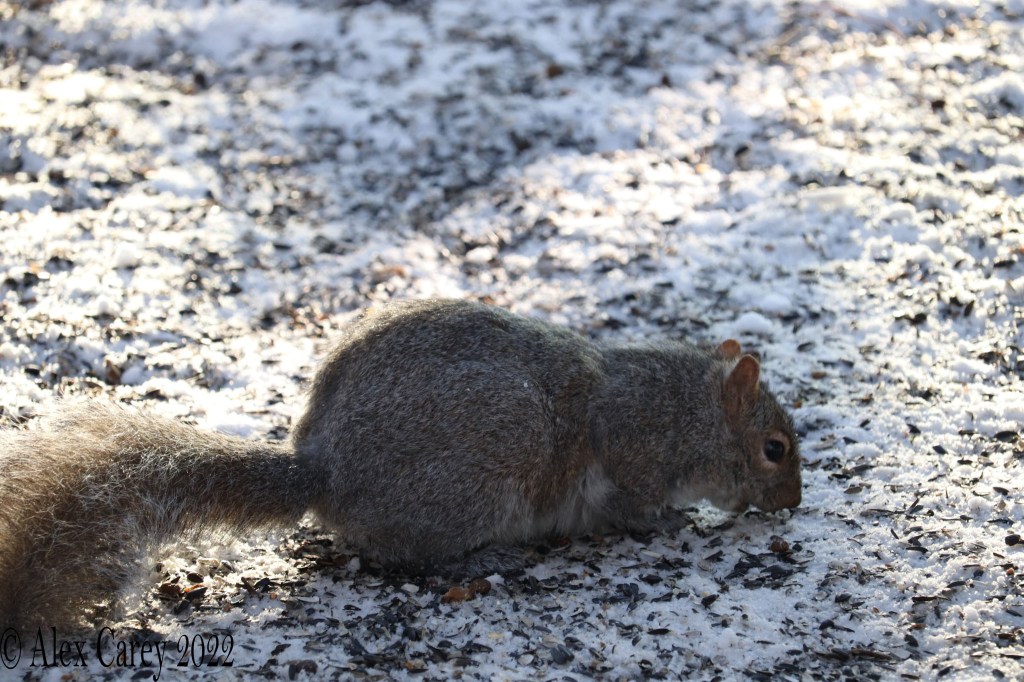

The squirrels chewed on a side of the building and made a place to hide. Whenever they were scared they would just run up the side of the building and hide there. It’s amazing what a squirrel can do.
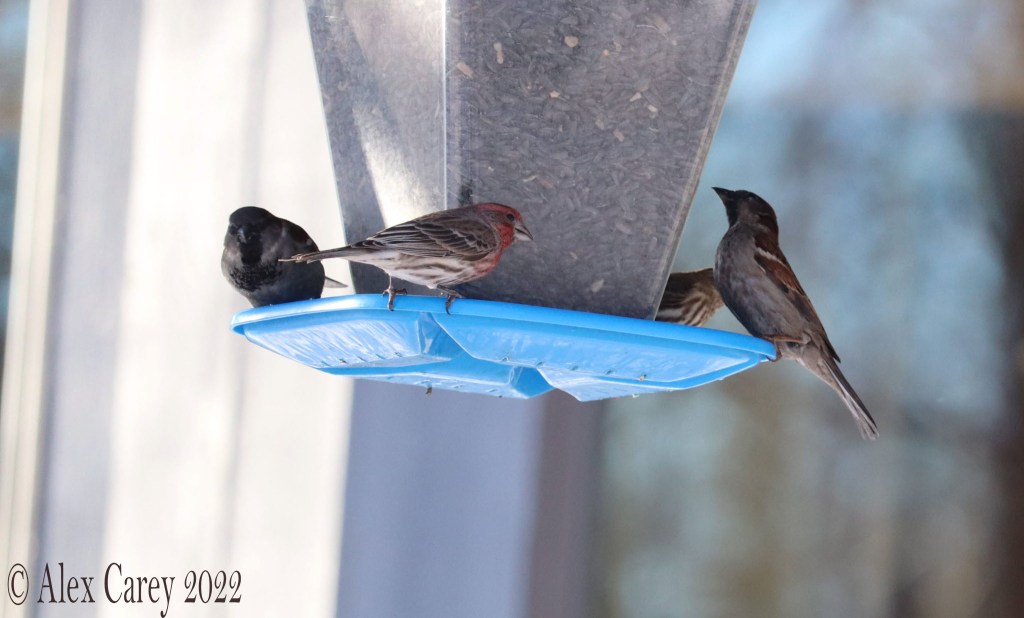
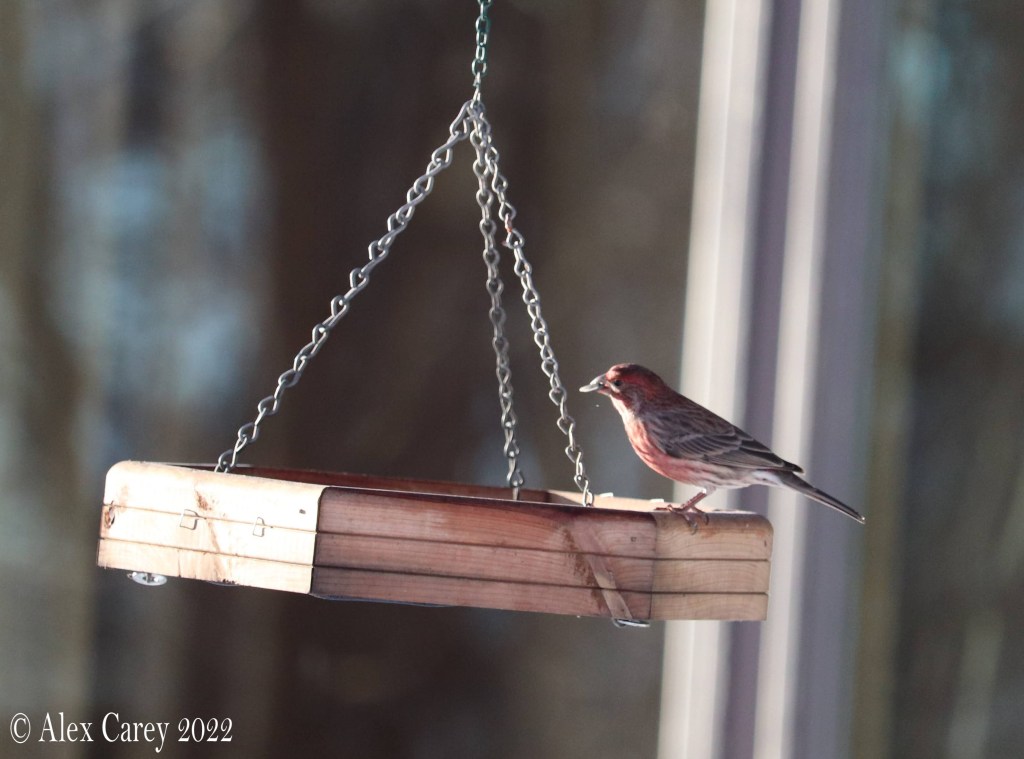
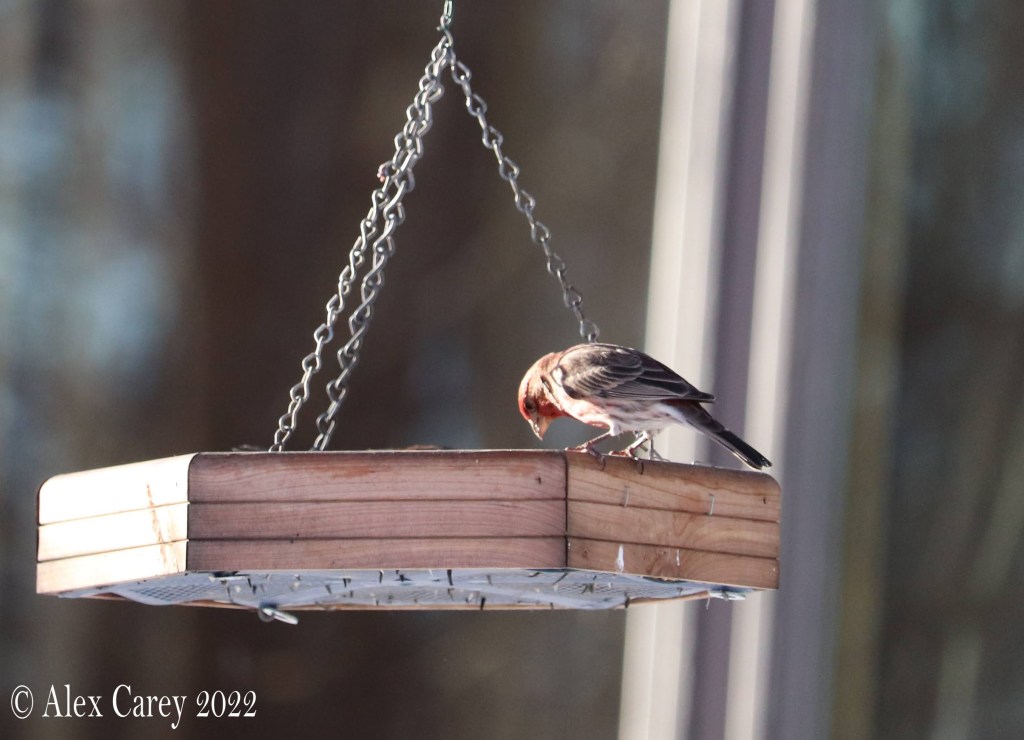
This is a House Finch. The House Finch can be a common bird feeder. Did you know?
“The House Finch was originally a bird of the western United States and Mexico. In 1940 a small number of finches were turned loose on Long Island, New York, after failed attempts to sell them as cage birds (“Hollywood finches”). They quickly started breeding and spread across almost all of the eastern United States and southern Canada within the next 50 years.”
Credit to the Cornell Lab of Ornithology. (https://www.allaboutbirds.org/guide/House_Finch/overview)
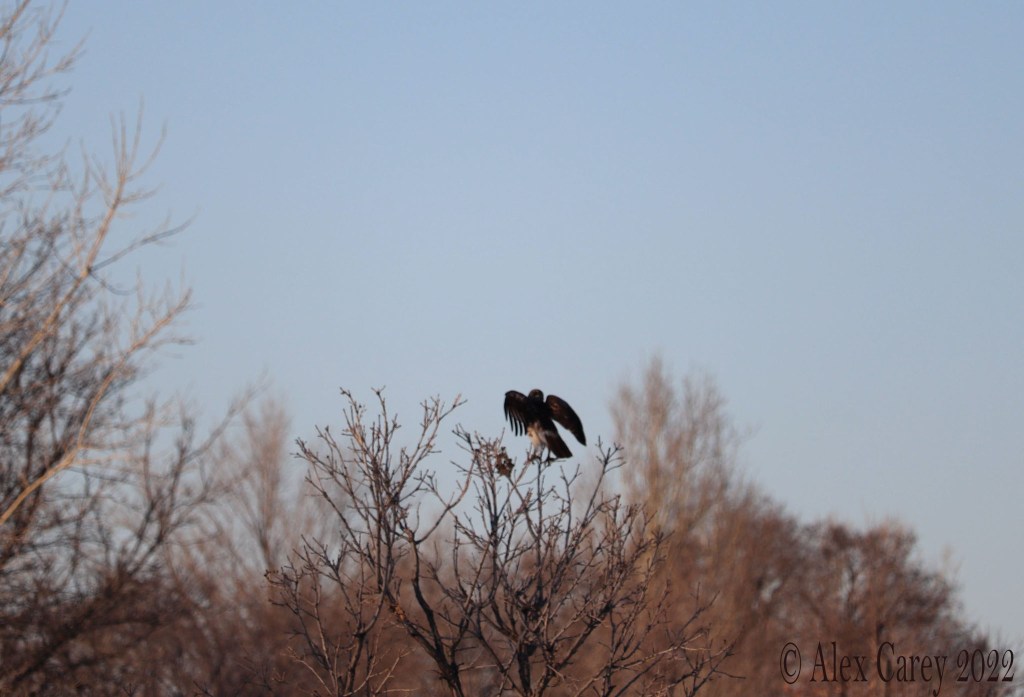
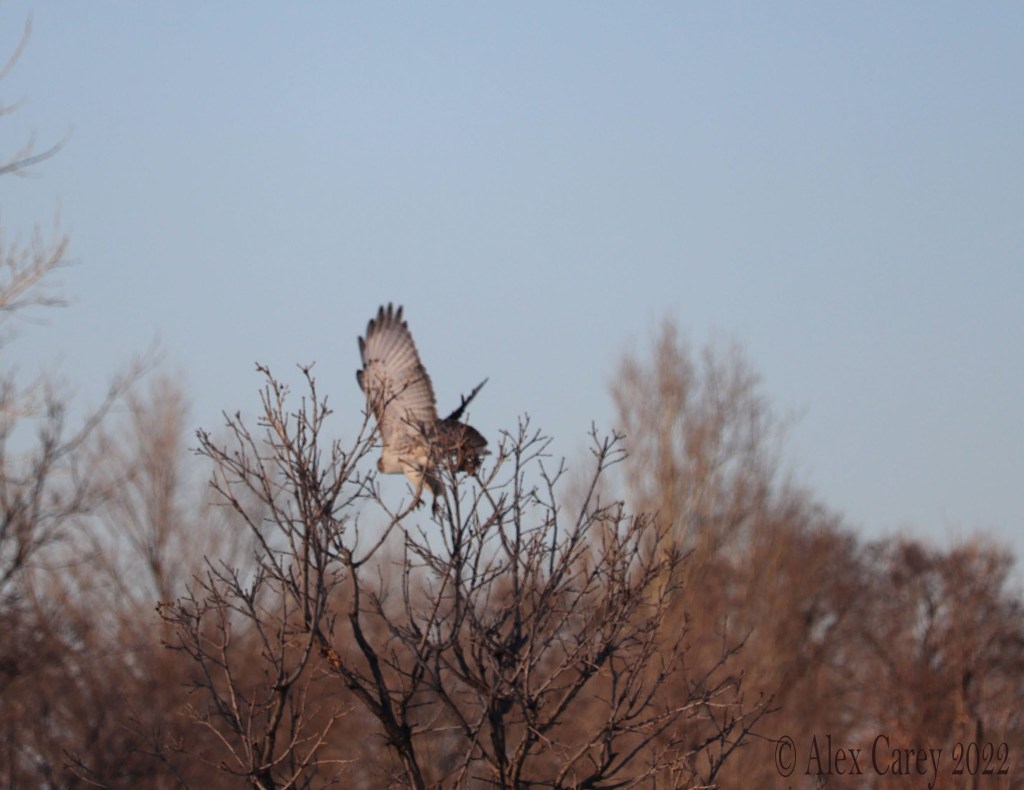
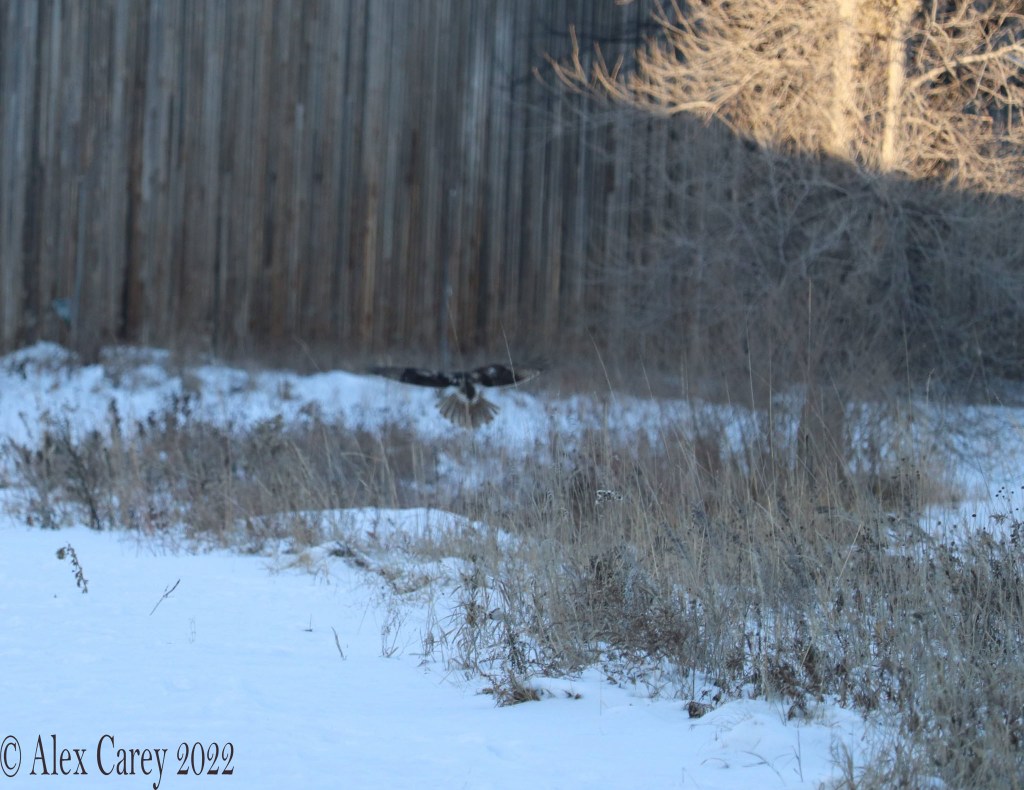
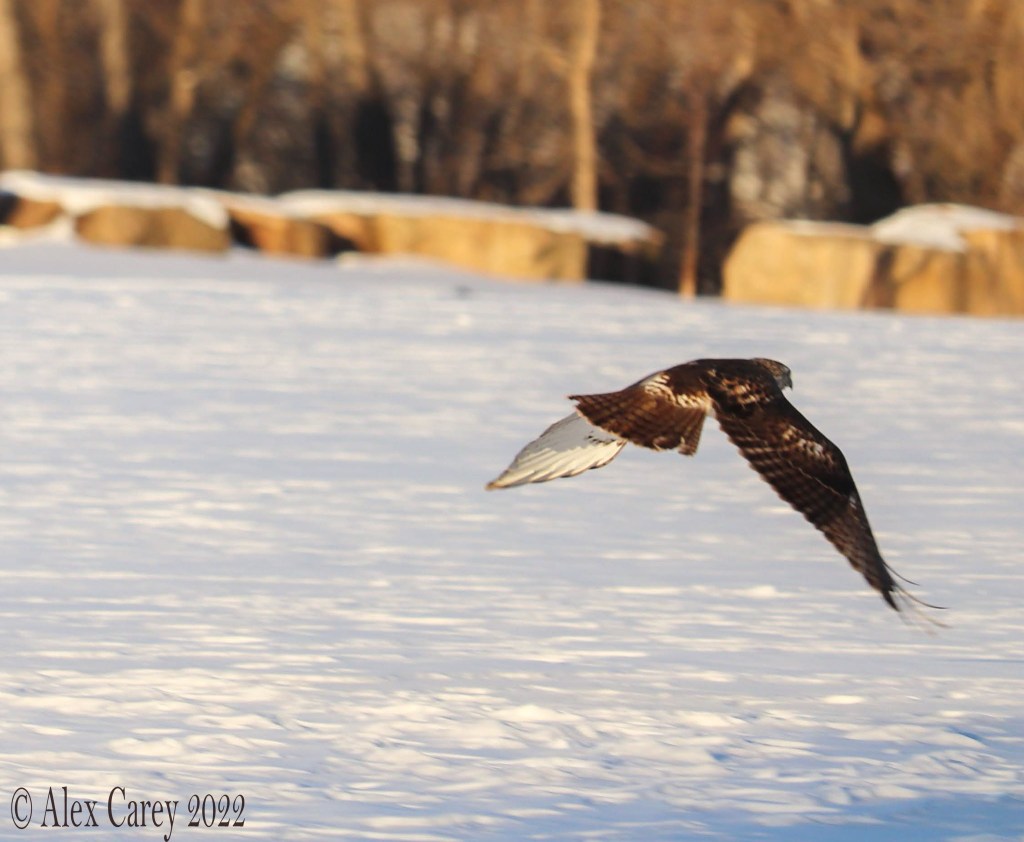
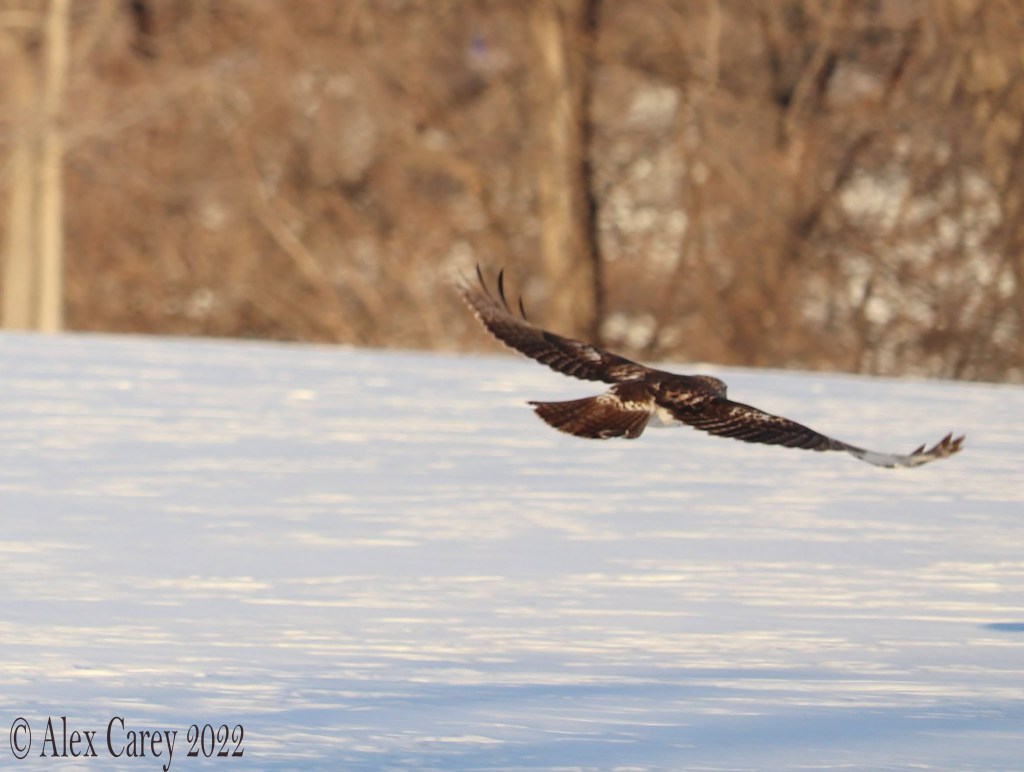
I also saw a Red-tailed Hawk catch a mouse. Seeing a Hawk hunt a mouse was pretty amazing. When I was trying to take pictures of the Hawk eating the mouse, it started flying away. A Hawk can eat 6-8 mice a day. But can also eat small mammals, small birds, and reptiles.
This is the book I reference a lot. I get a small commission if you click and buy through it. https://amzn.to/3pFdeF
If you’re interested in binoculars, these are the ones I use. I really like them. https://amzn.to/3Gs13lf
Thank you for supporting my blog.
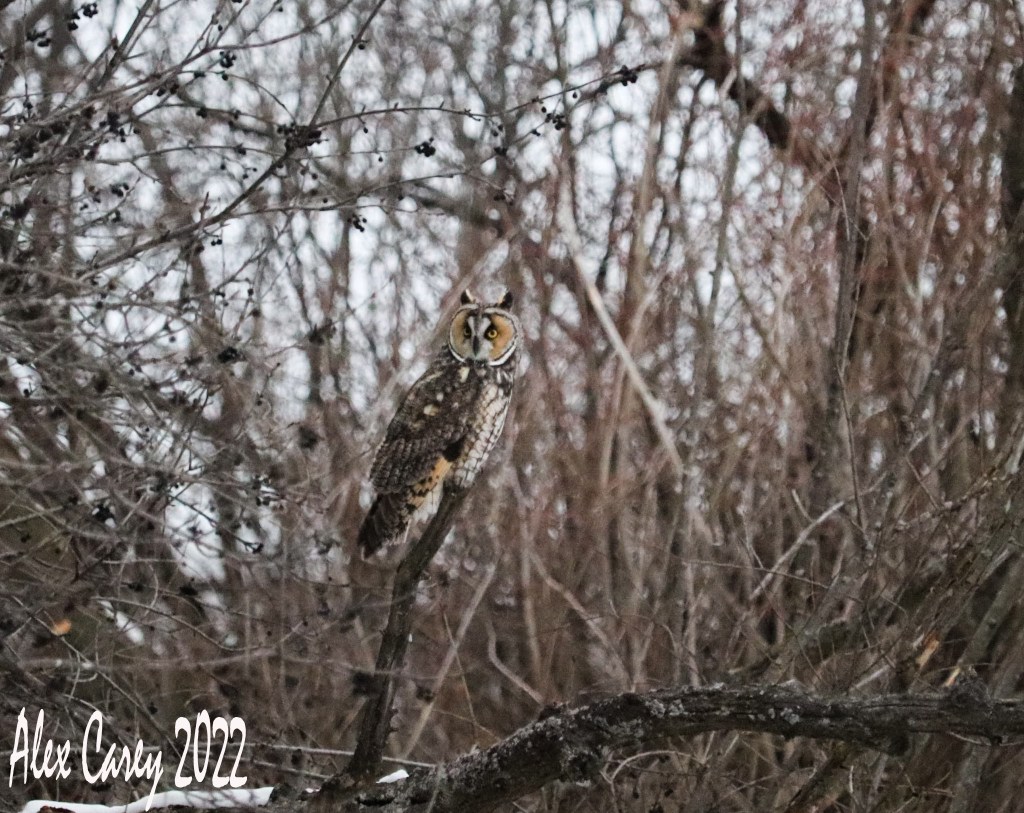
Today I found the Long-Eared Owl. Long-eared owls are fairly common in Minnesota. Long-eared owls are prey for raptors such as Bald Eagles, Red-tailed Hawks, Barred owls and Great Horned Owls.

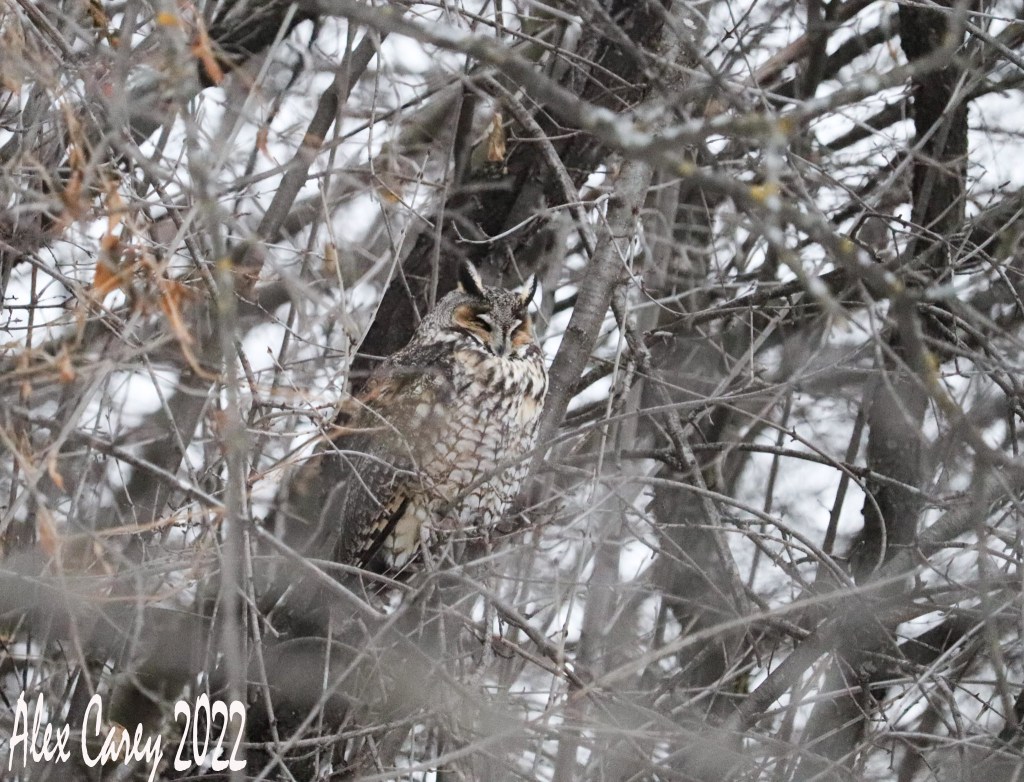
What is interesting about owls is that they rotate their heads 270 degrees.
Please subscribe to stay up to date on my blog.
Thanks for supporting my blog.
If you’re interested in binoculars, these are the ones I use. I really like them.
Here are some photos that I took this week.
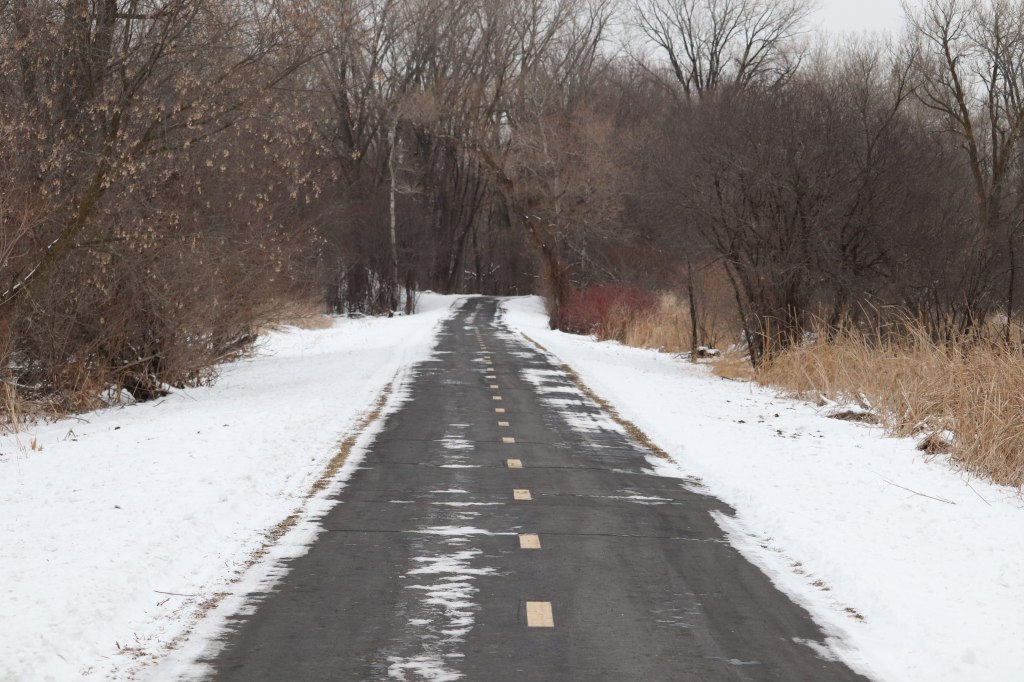
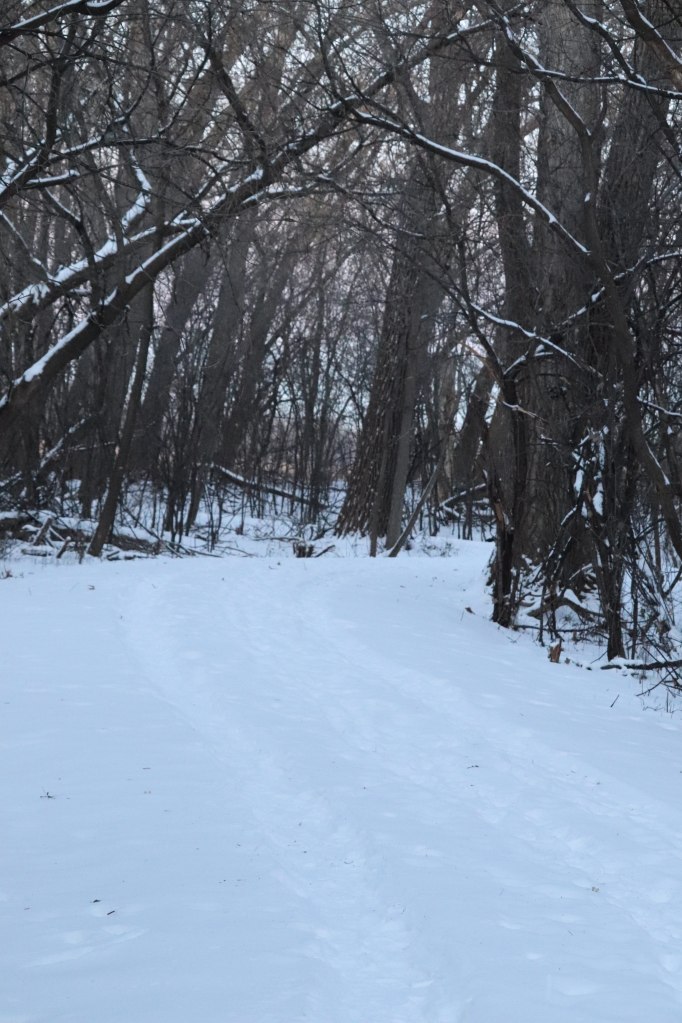
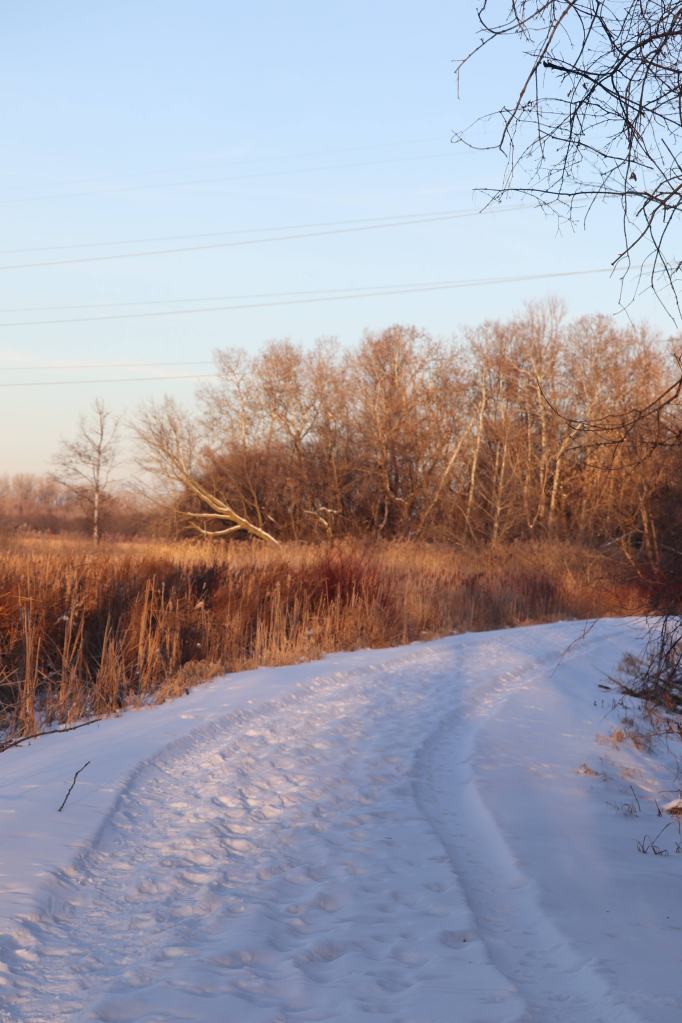

Here are pictures of some entrances around Palmer Lake. There are woodchip trails that lead you right next to the lake.

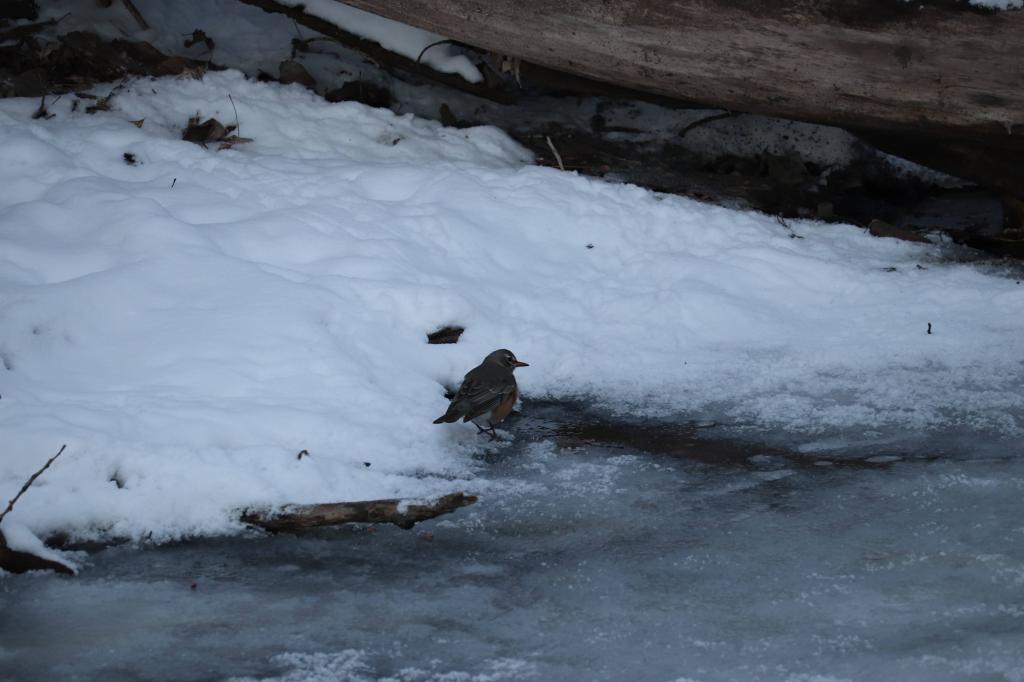

Here are some pictures that I took of some robins. They were drinking from a small creek. Sorry if the pictures are blurry.
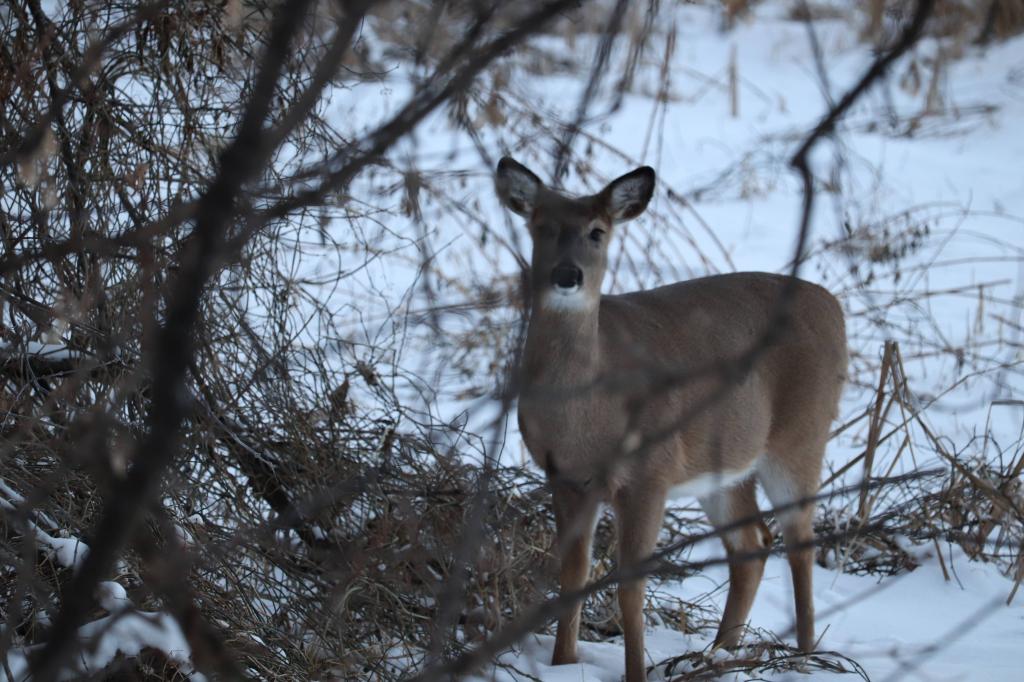
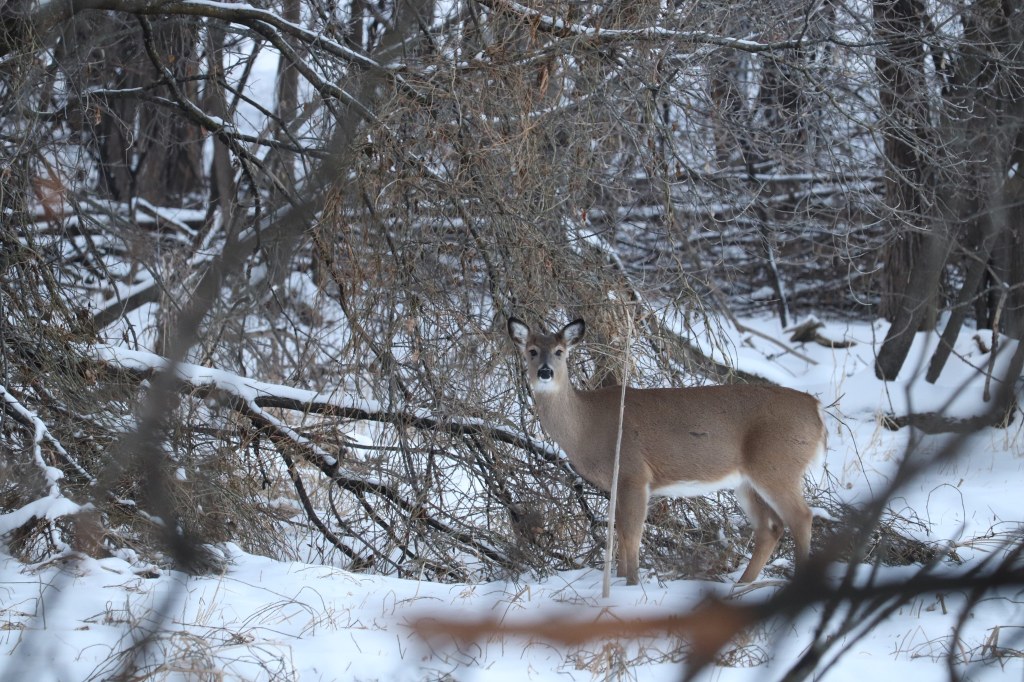
Here are some white-tailed deer. There was three of them all standing still. There will be a post about white-tailed deer soon.
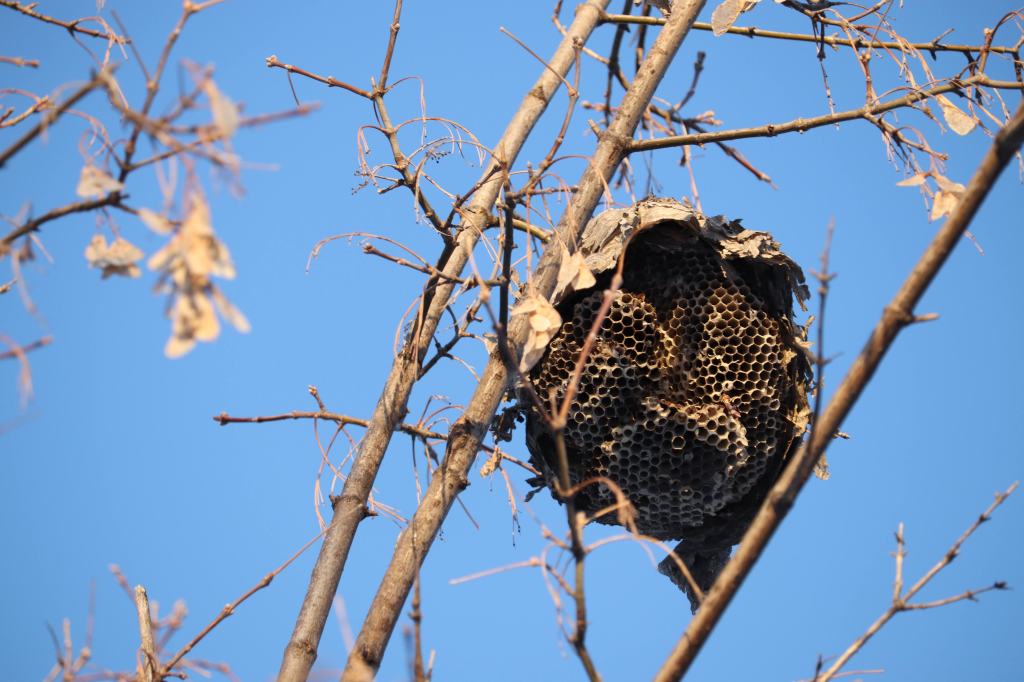
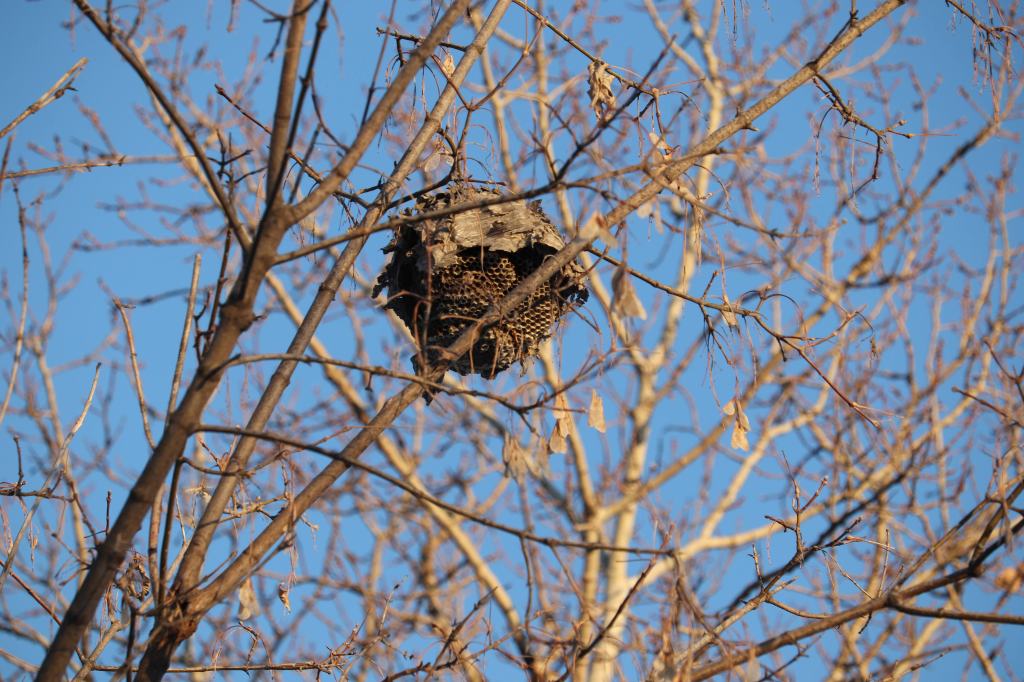
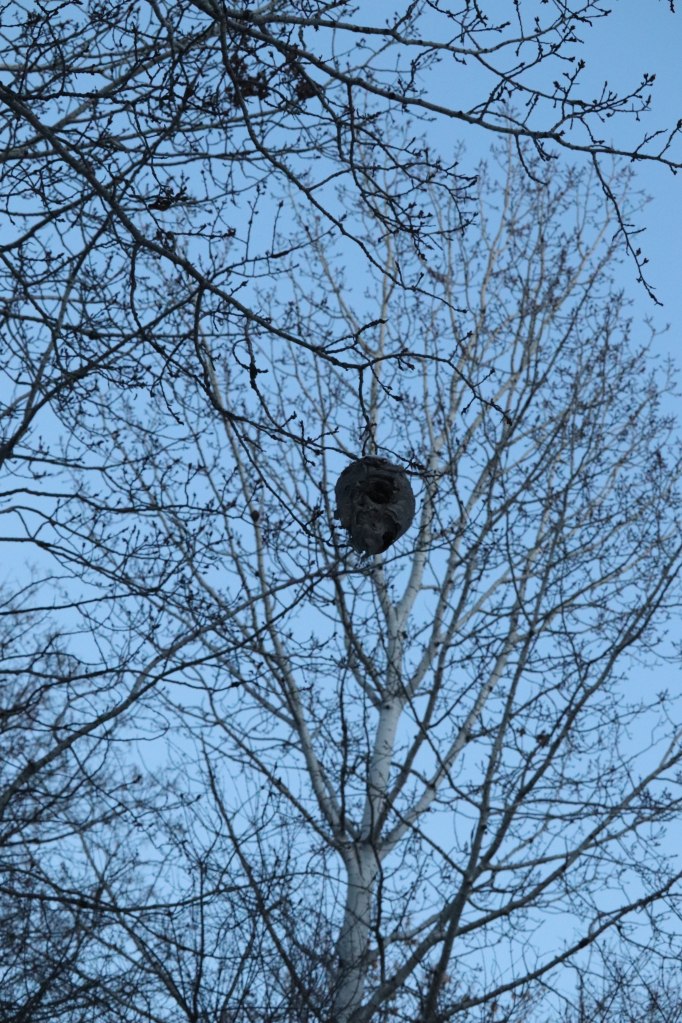
There are a few paper wasp nests at Palmer Lake. It’s interesting to see the inside of one.
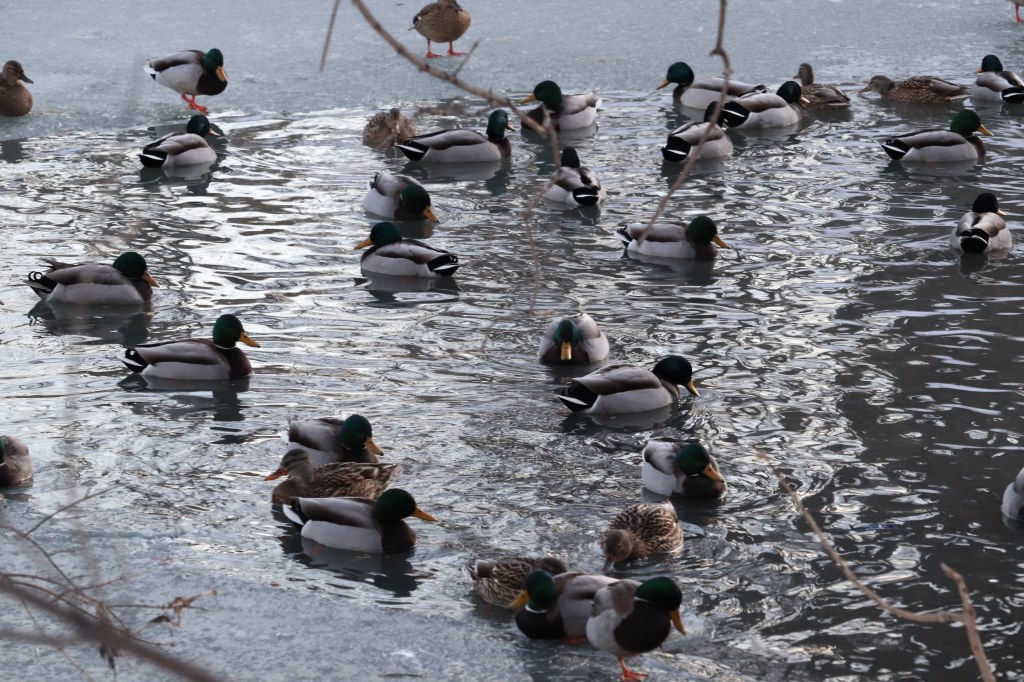
If you walk around Palmer Lake in the winter time you will find these crabby ducks. There are about 30 male and female mallards all huddled up in a pond that is eighty percent frozen. All winter you will hear them just quack over and over. They are always making a lot of noise and are fighting with each other because it’s cold.
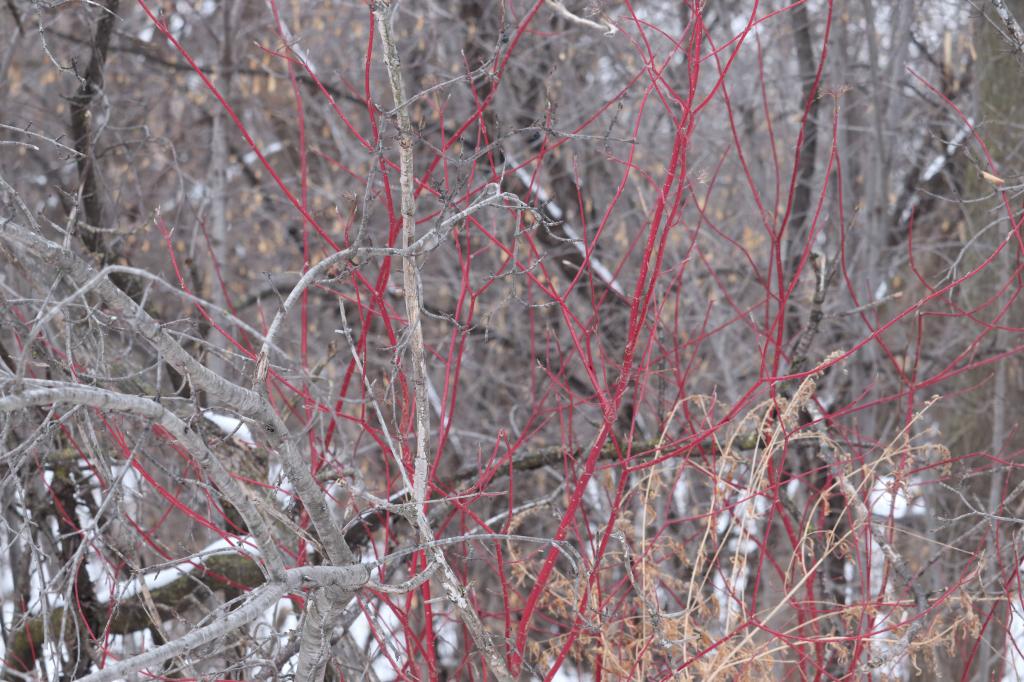
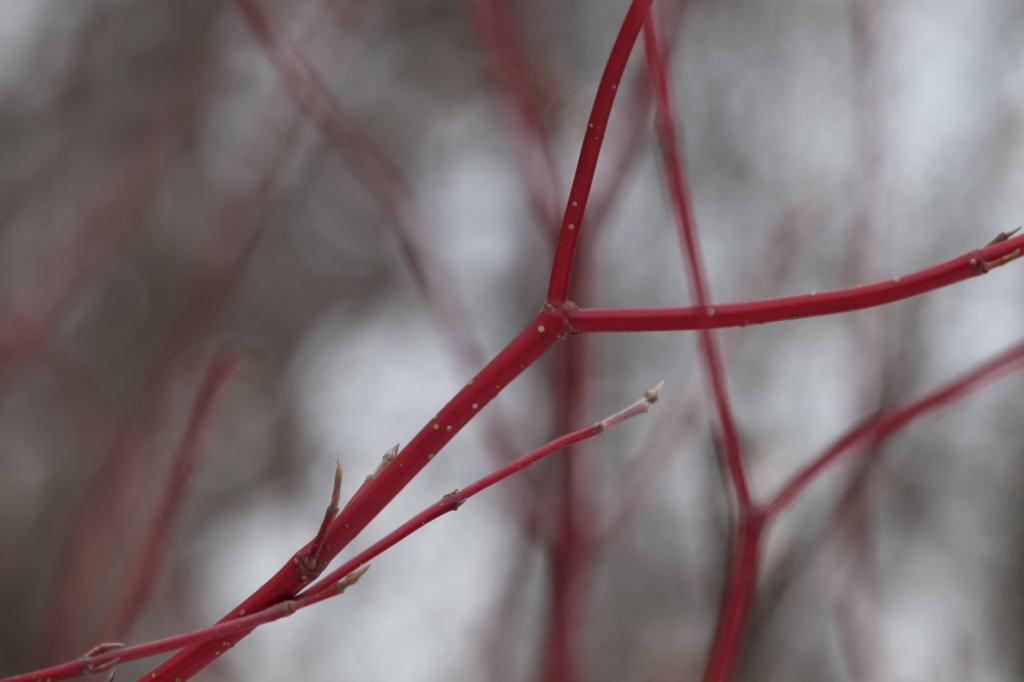
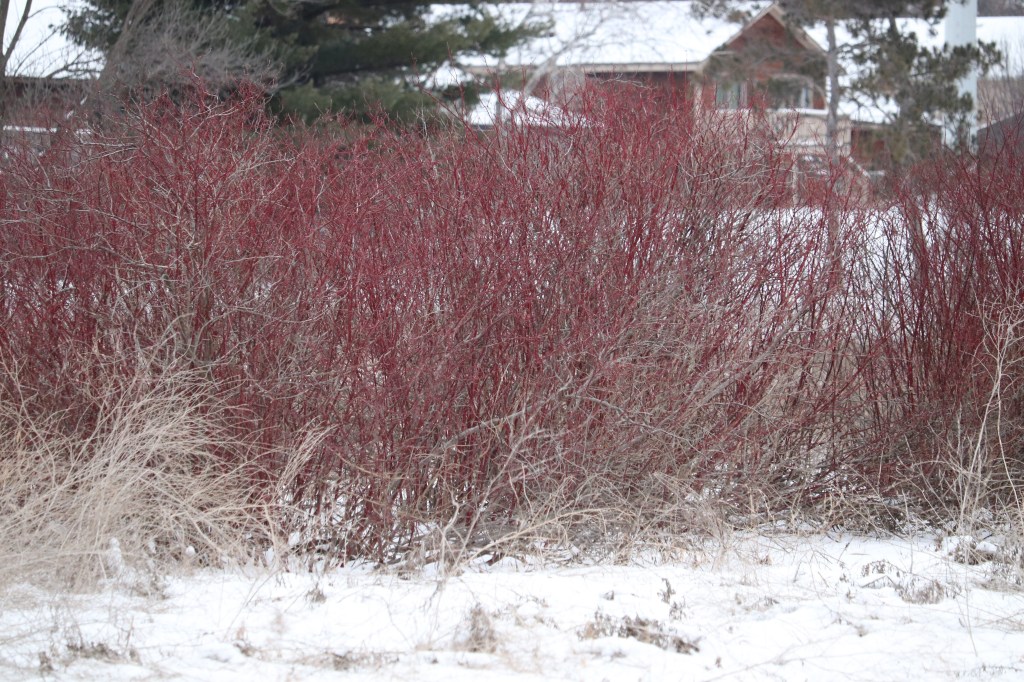
This is called a red twig dogwood bush. They stand out in the winter time.
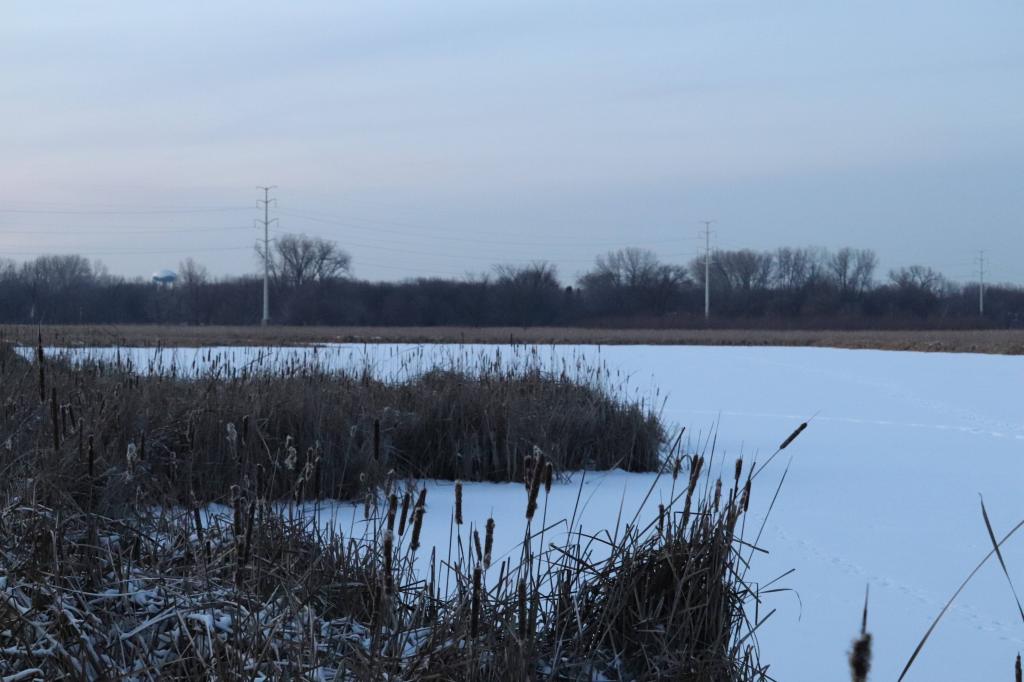
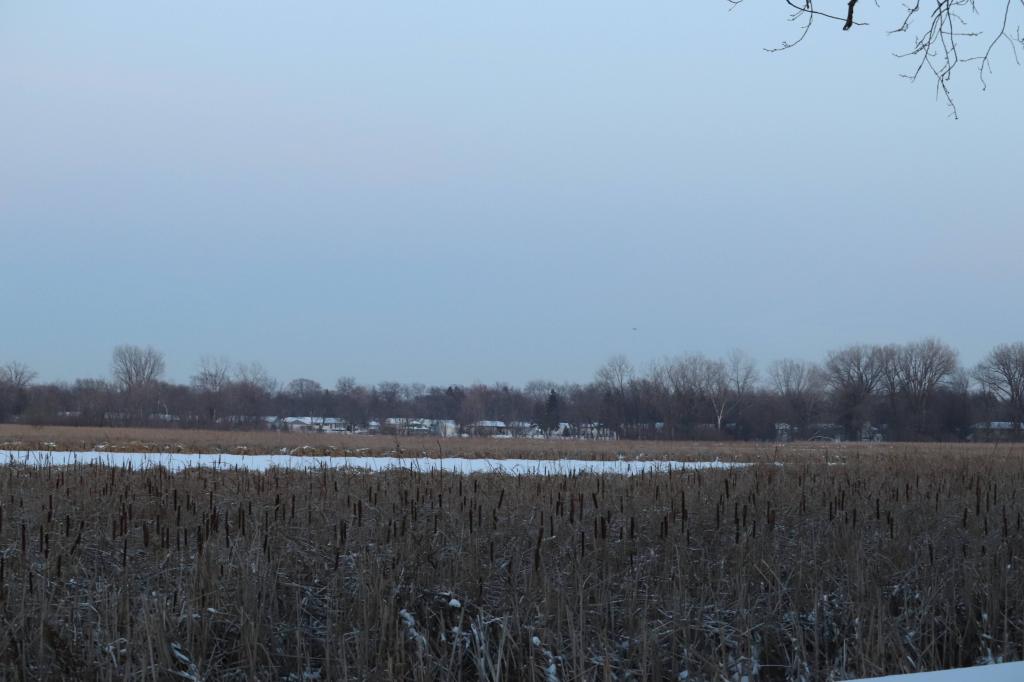
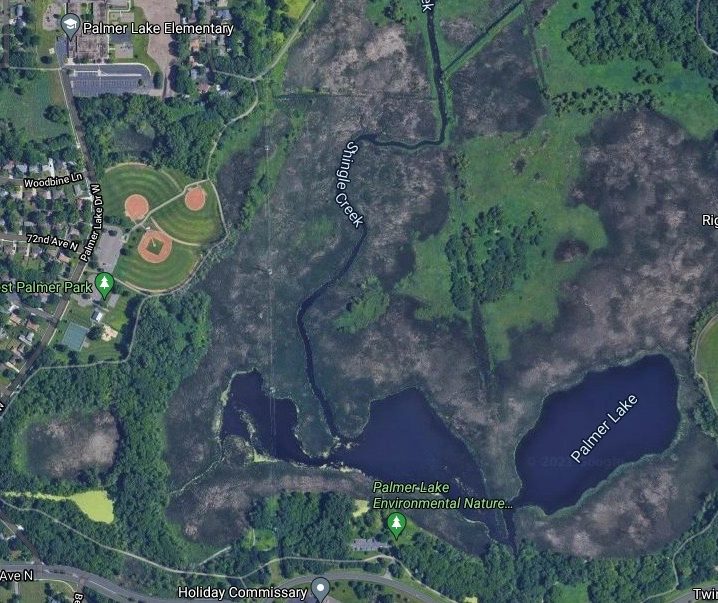
This is what the lake looks like in the winter. It is two small lakes that connect and follow into Shingle Creek. Here is a image of what I mean.
Please subscribe to stay up to date on my blog.
This is a nature book I reference a lot. This is an Amazon affiliate link. I get a small commission if you click and buy through it. Thanks for supporting my blog. https://amzn.to/3pFdeFm
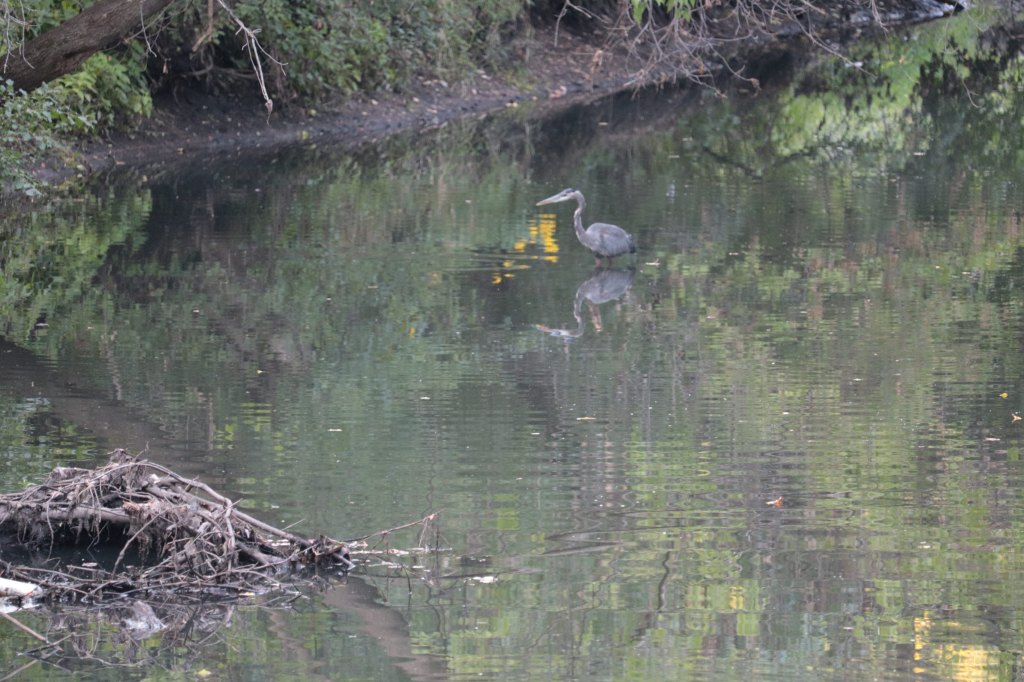
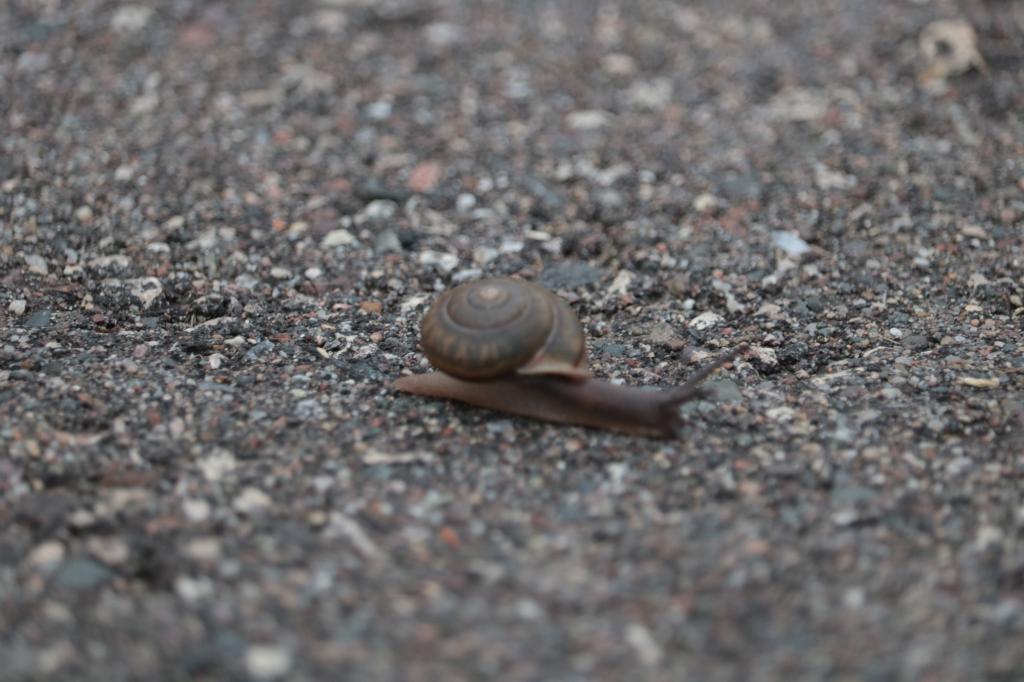
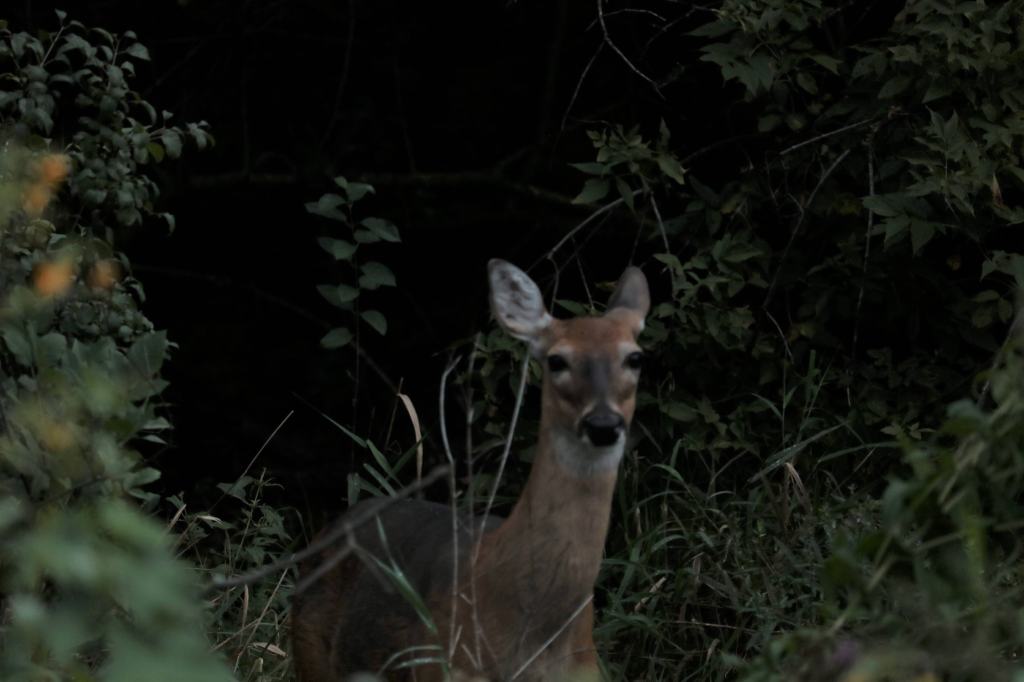
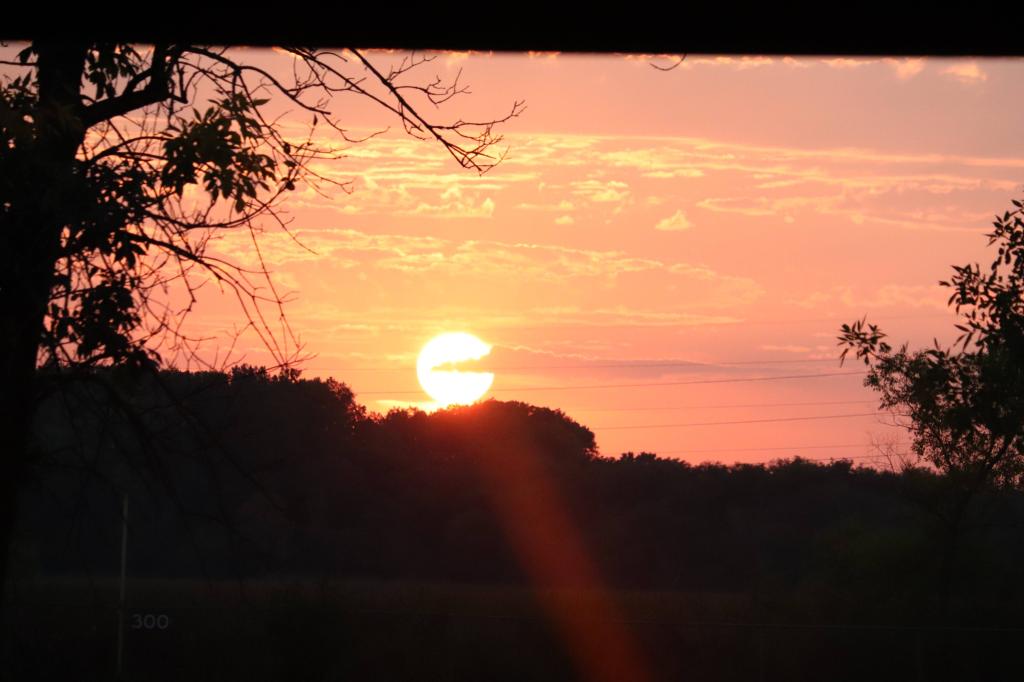
These are handpicked photos from 2021. Hope you enjoy!
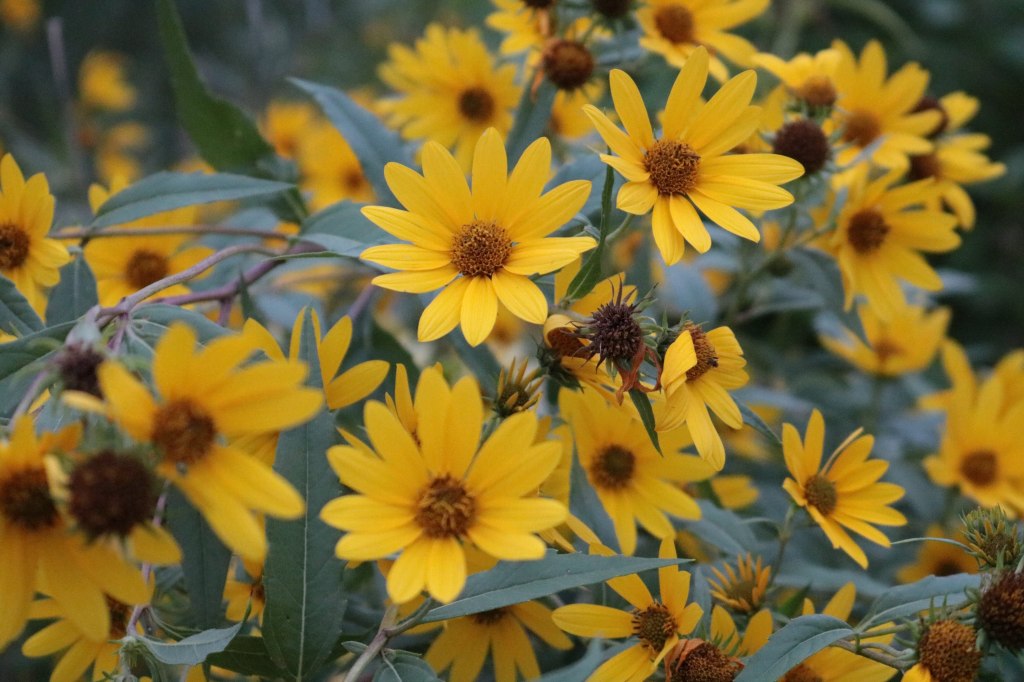
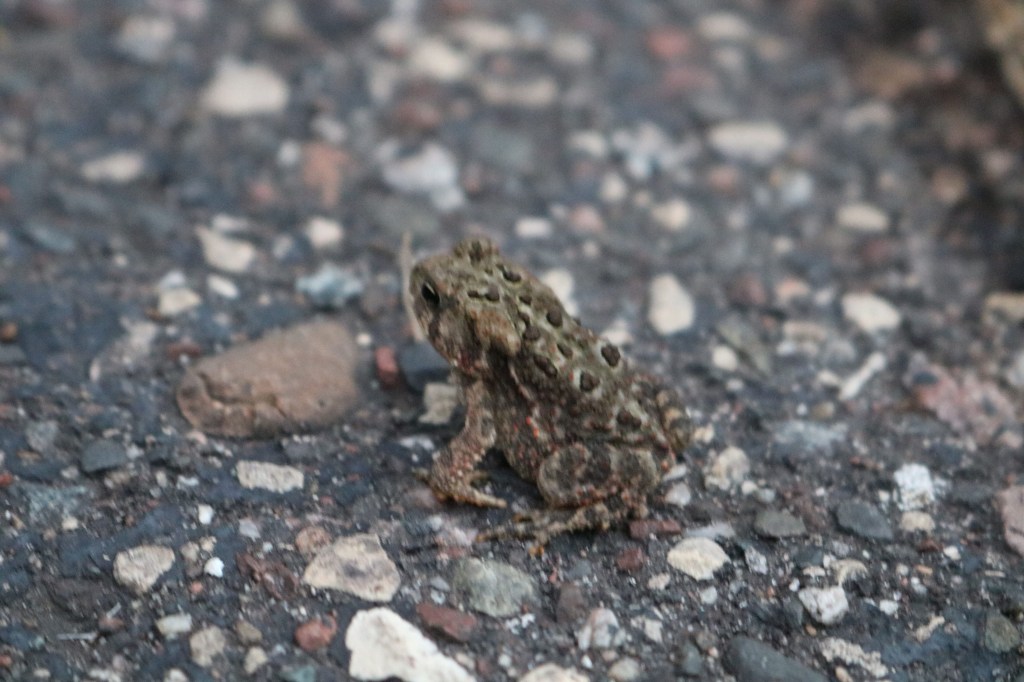
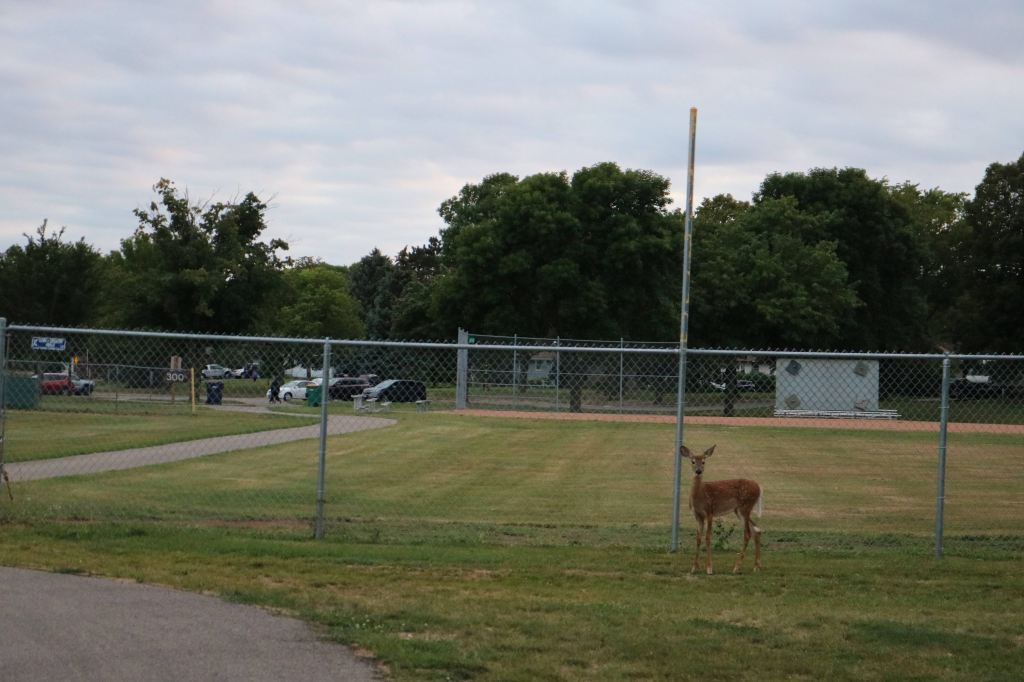
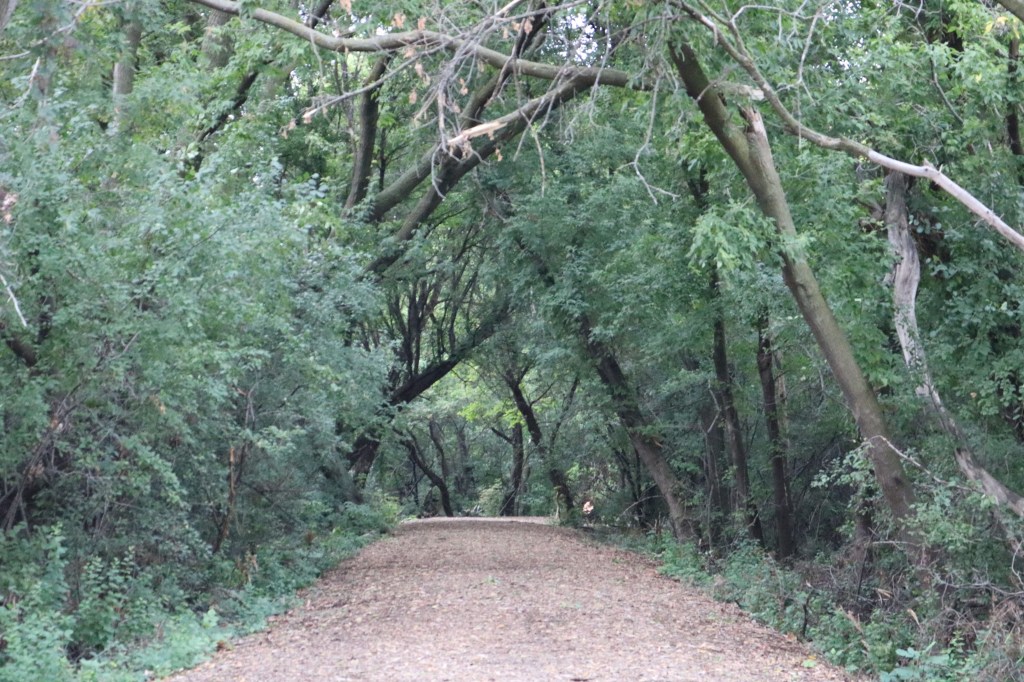
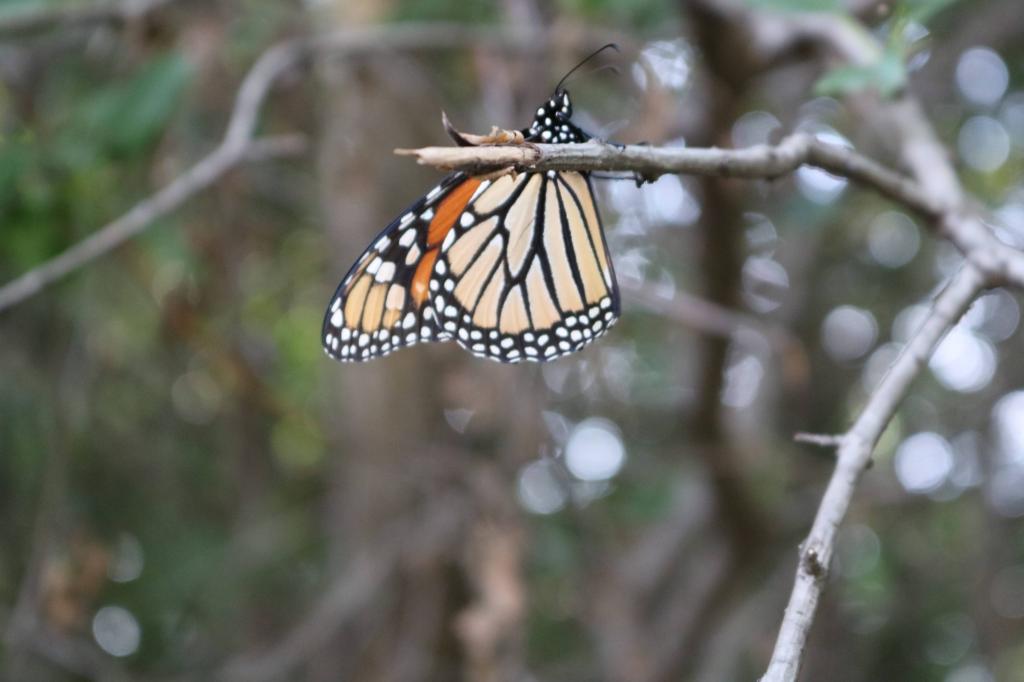
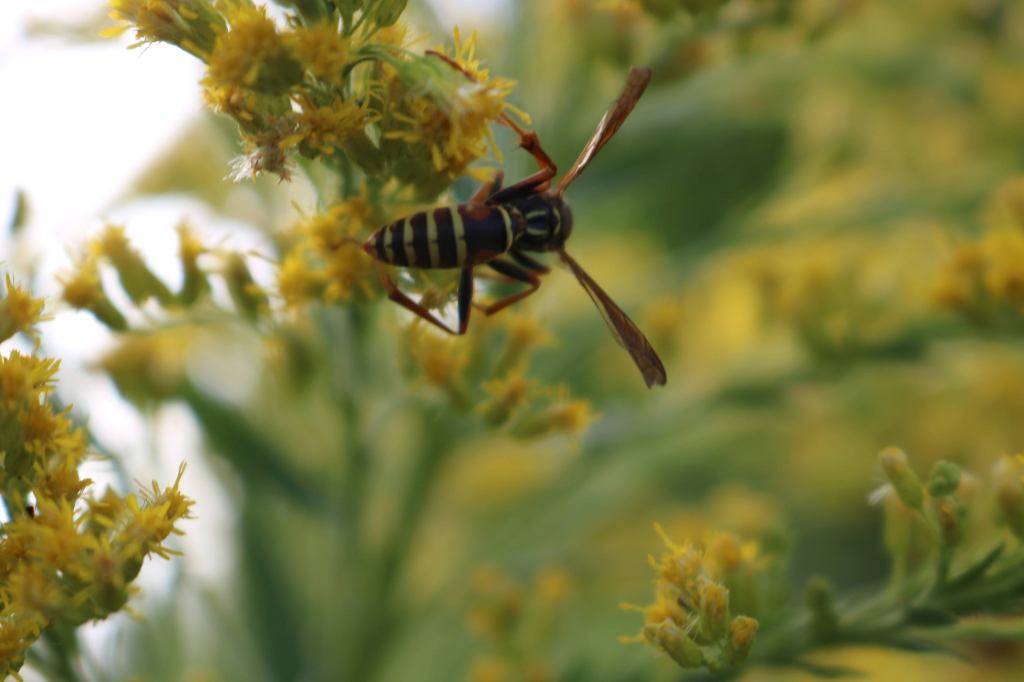

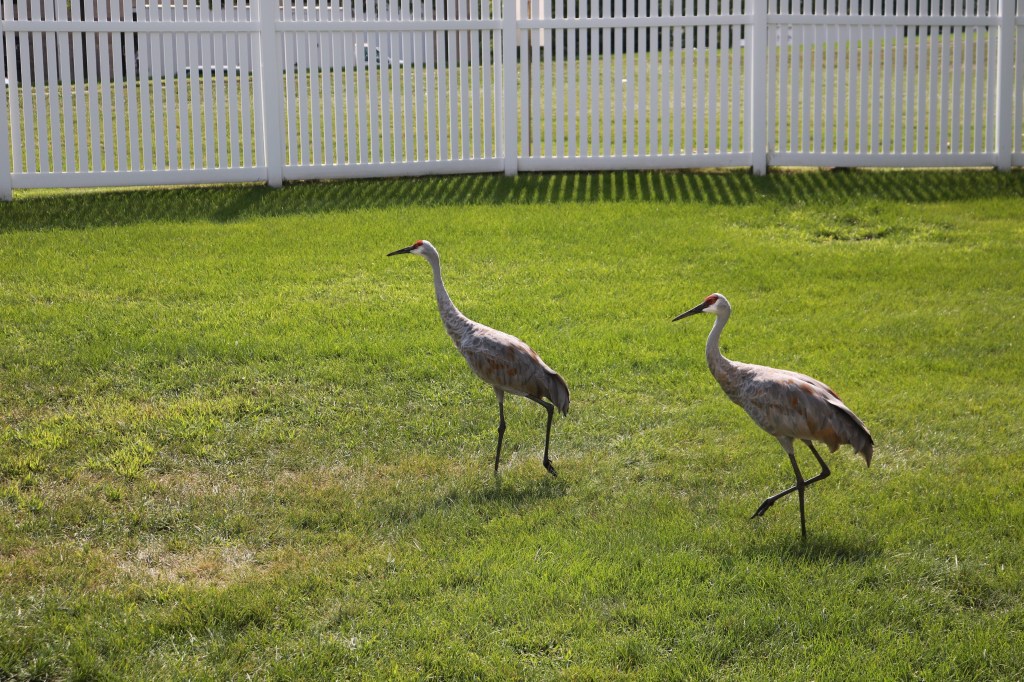
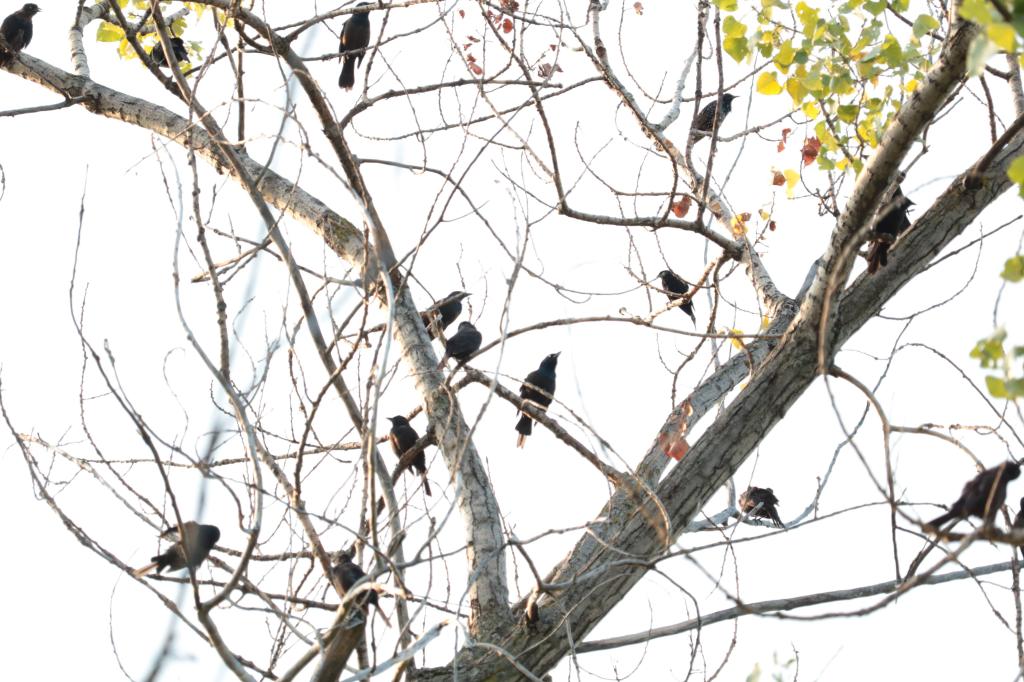
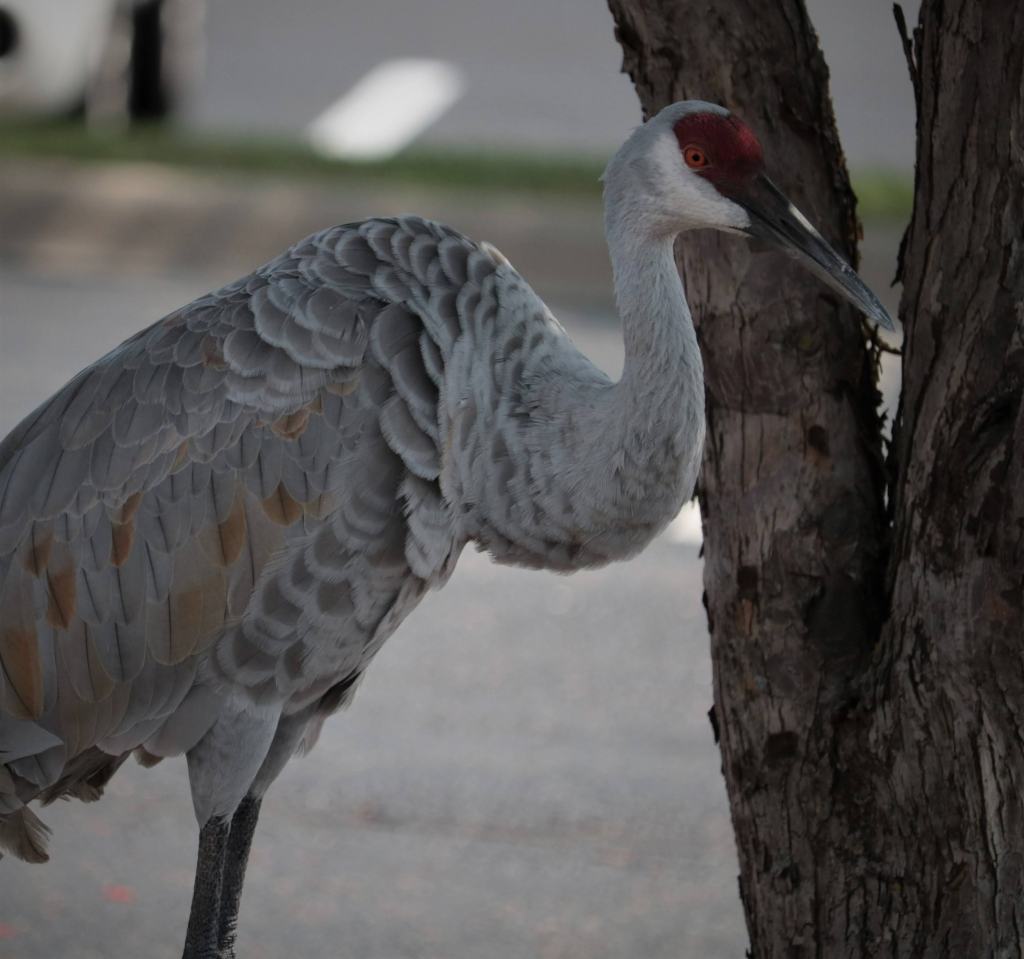
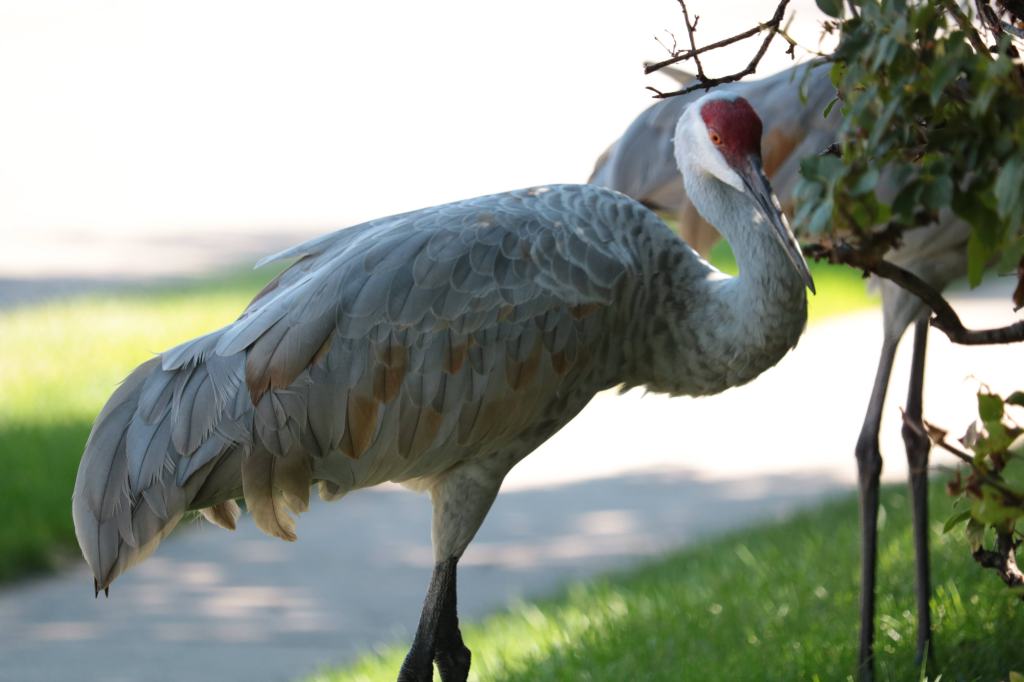
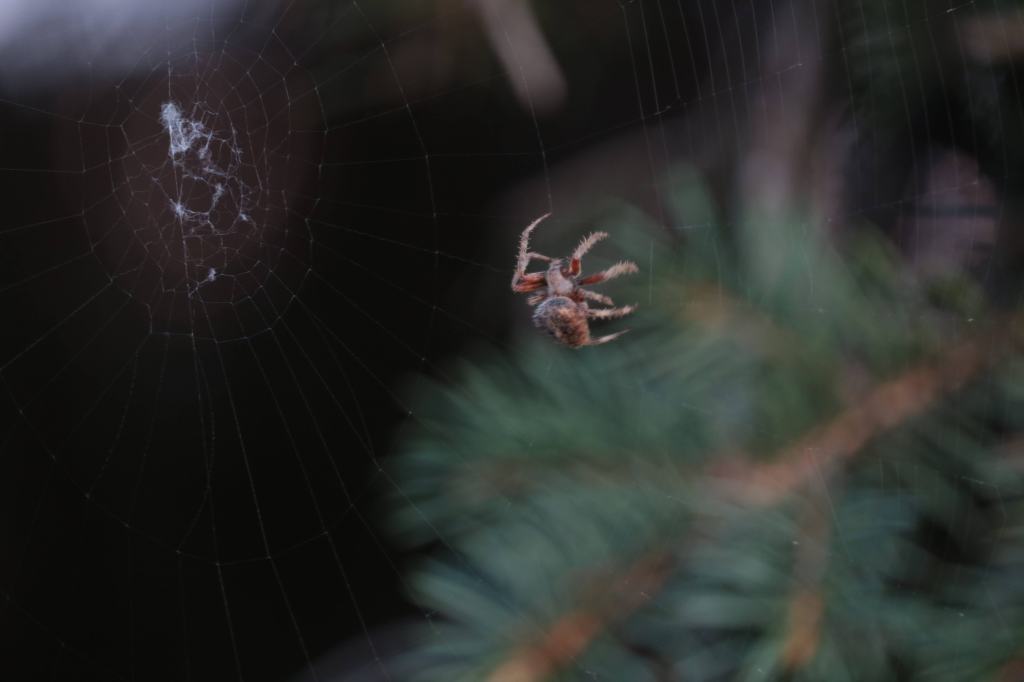
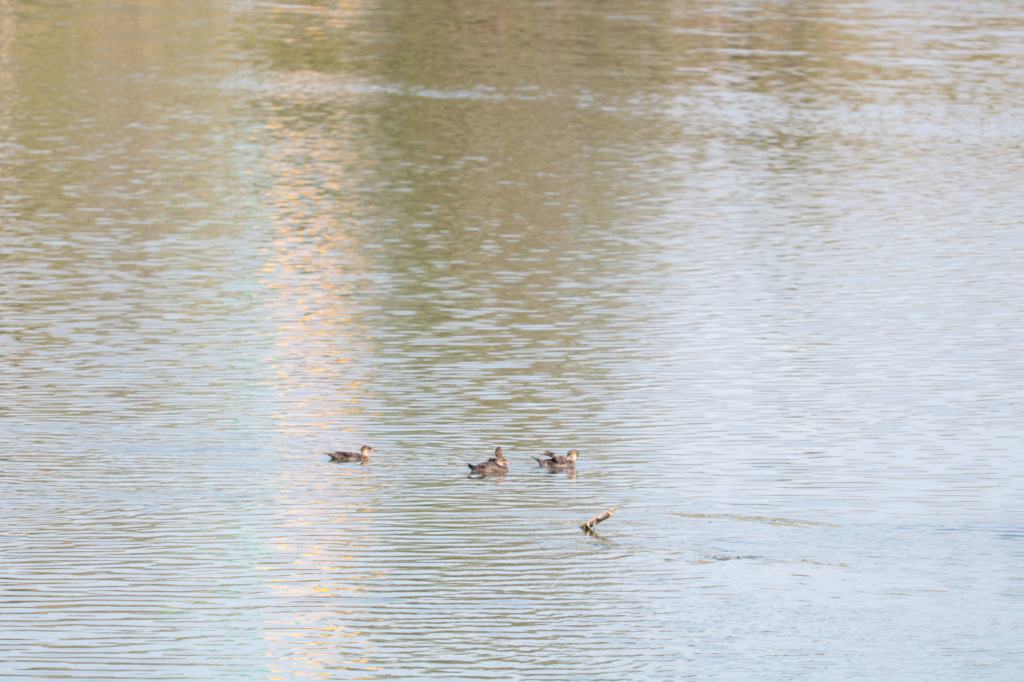
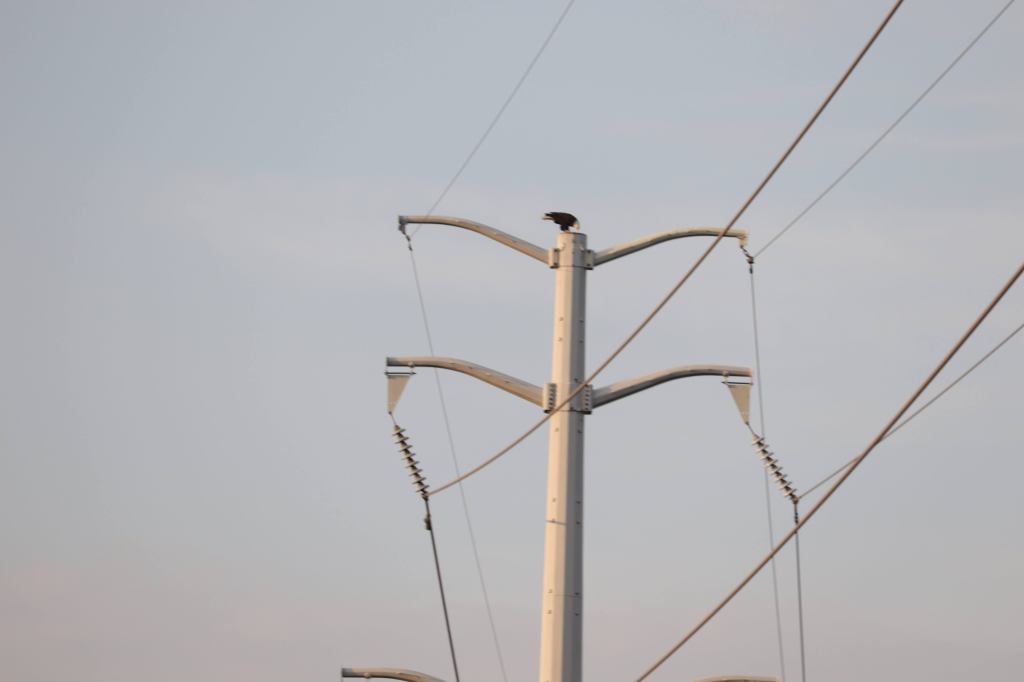
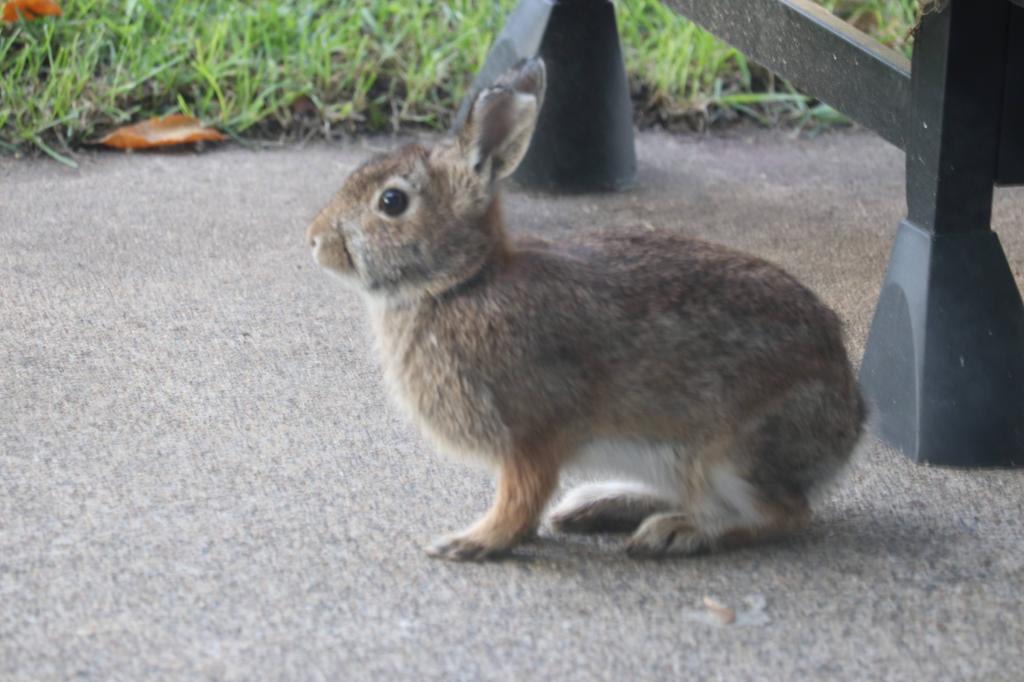
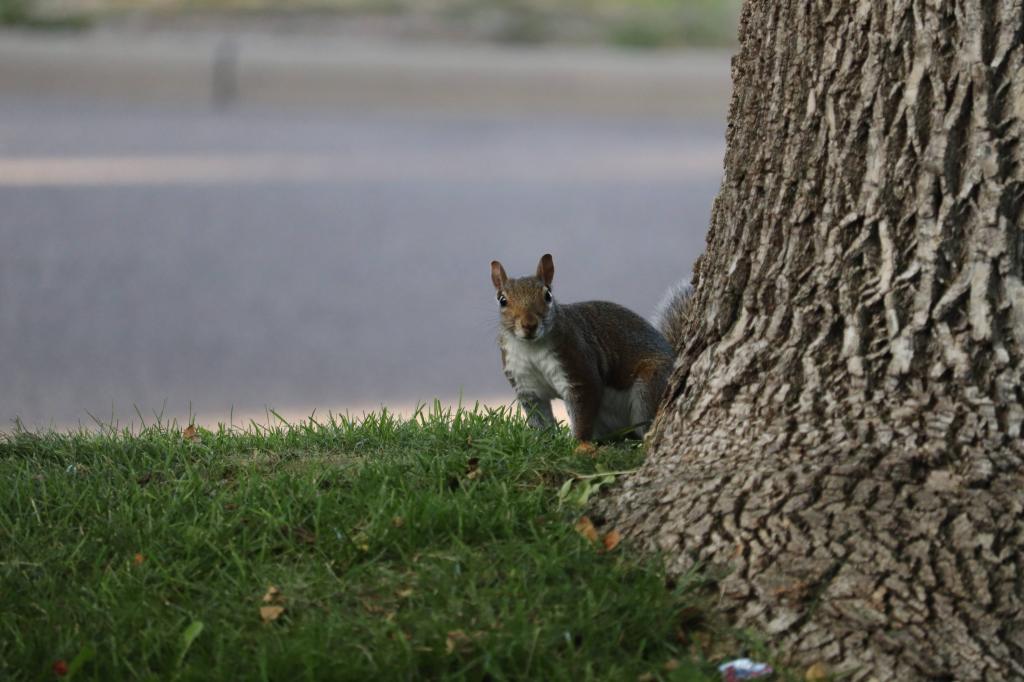
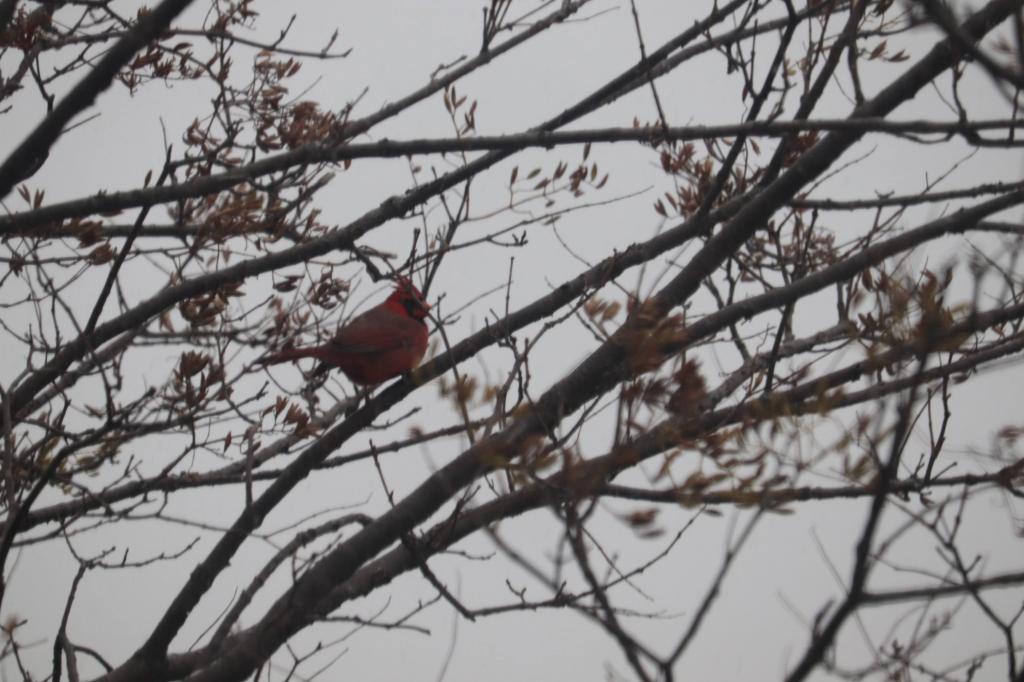
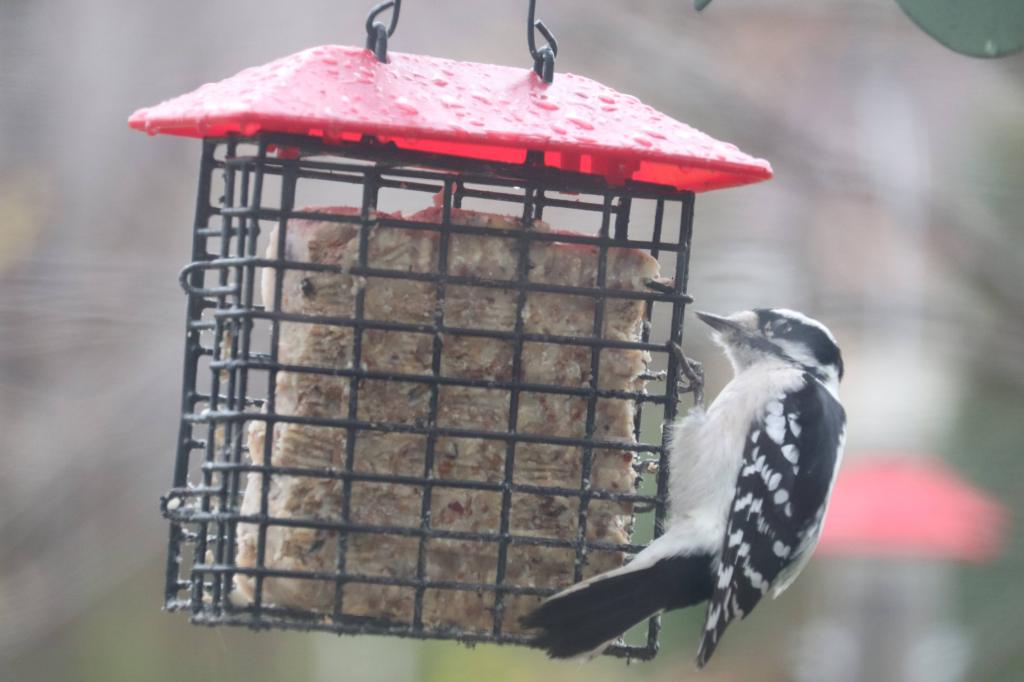
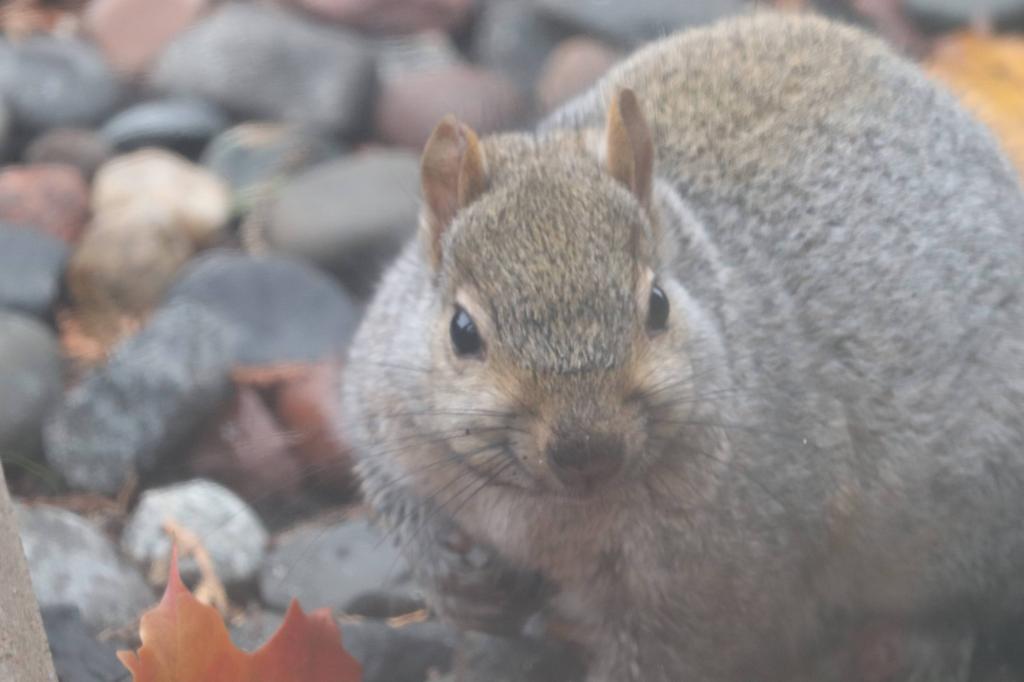
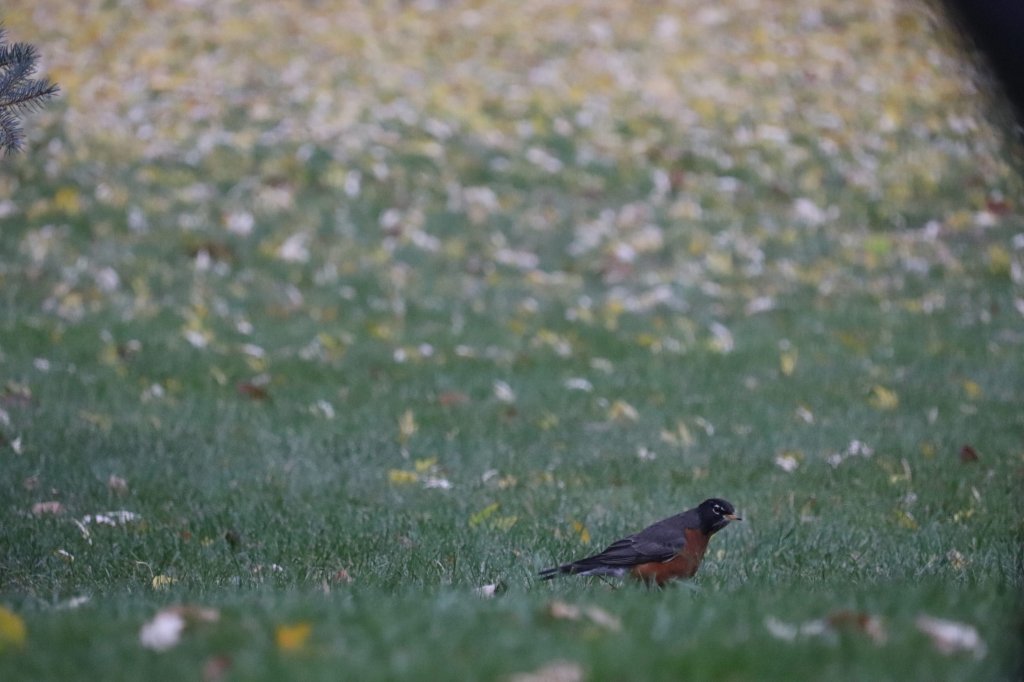
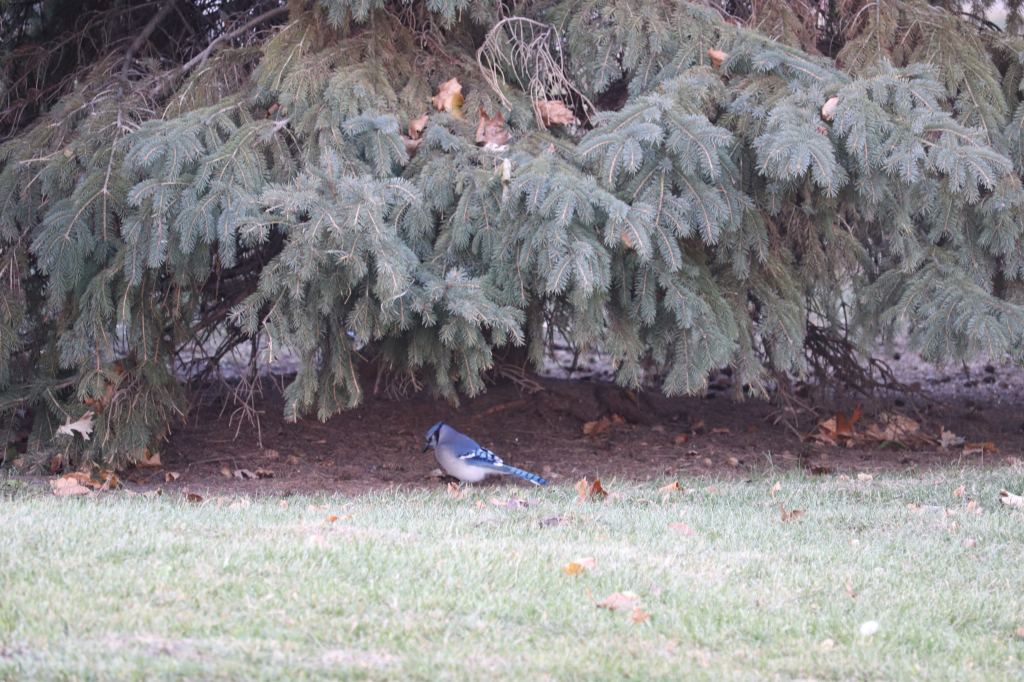
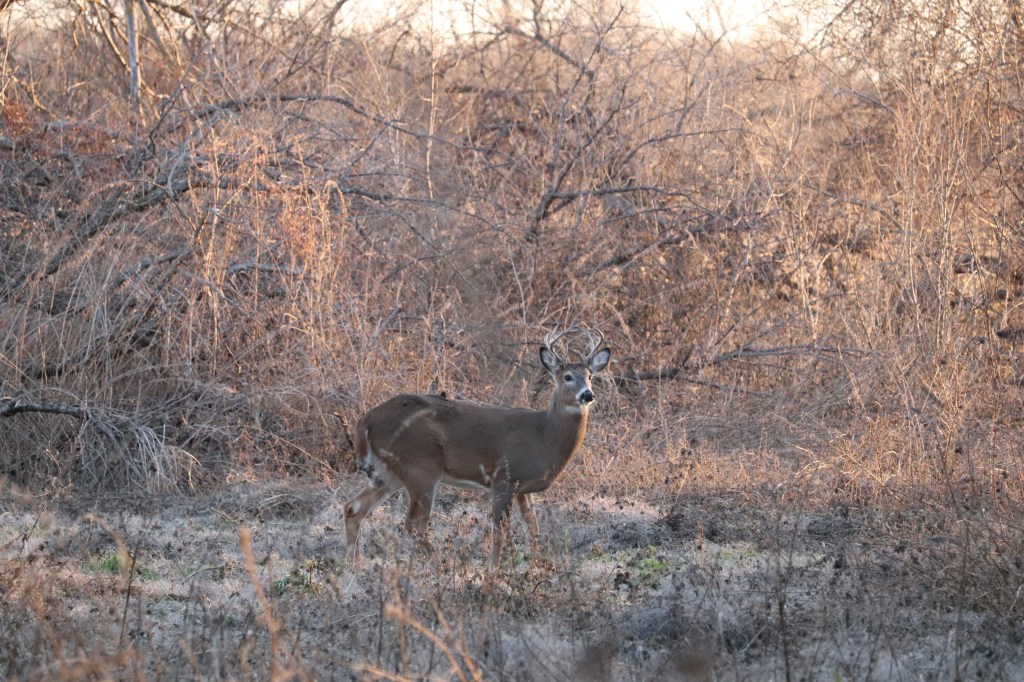
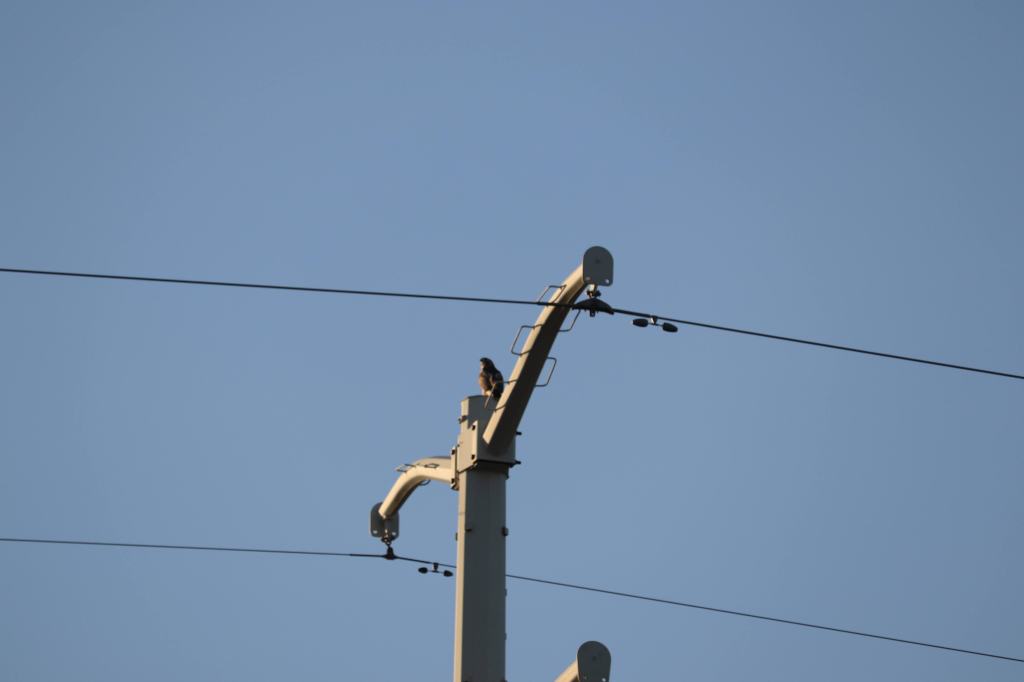
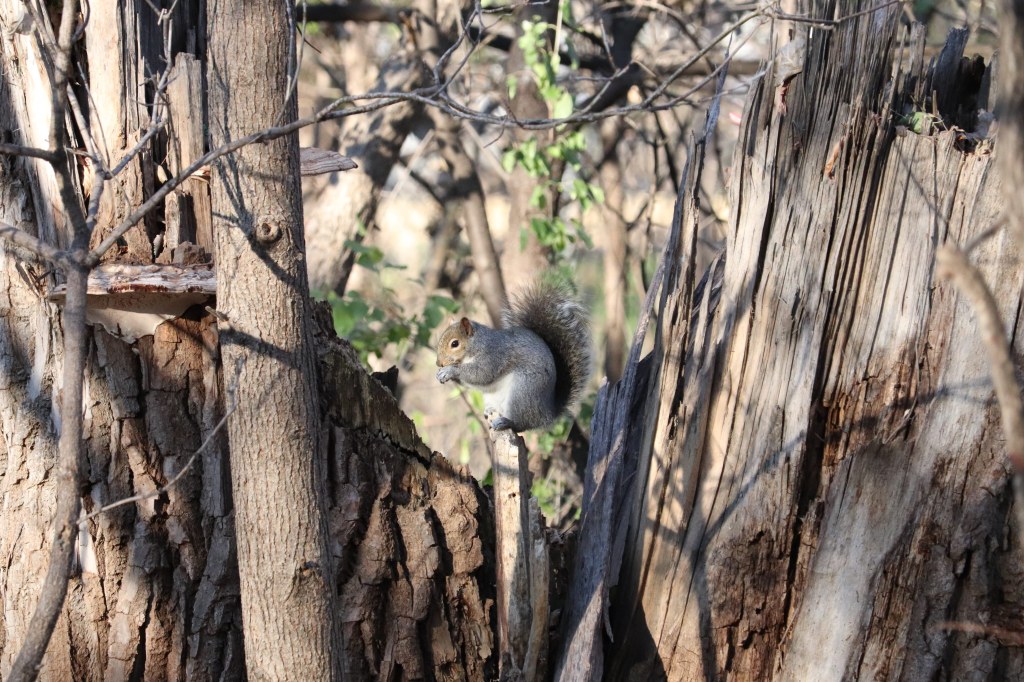
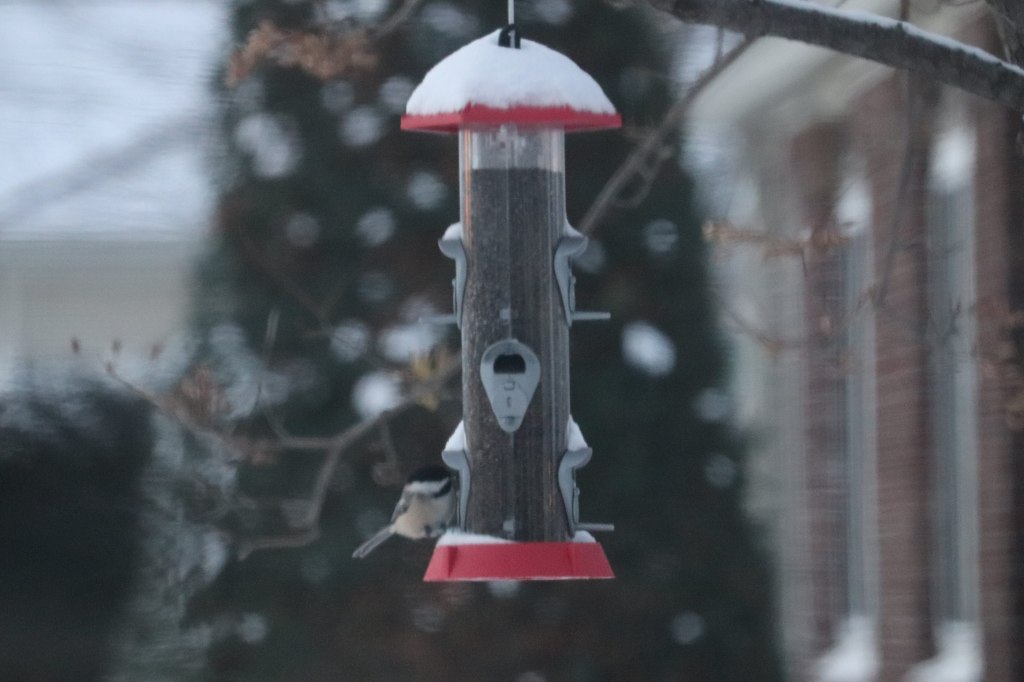

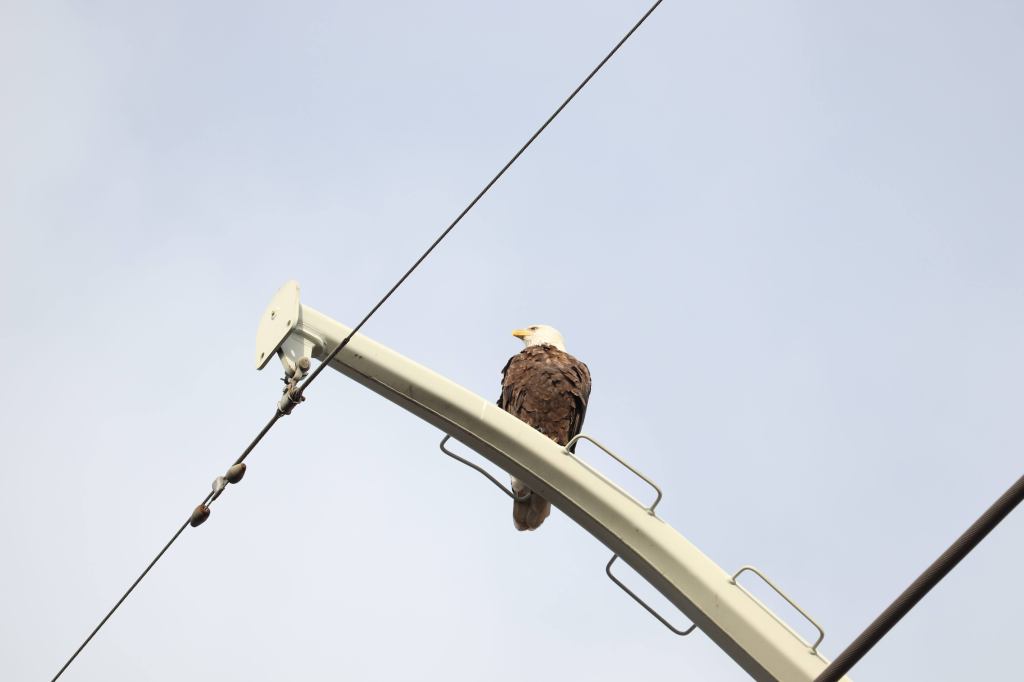
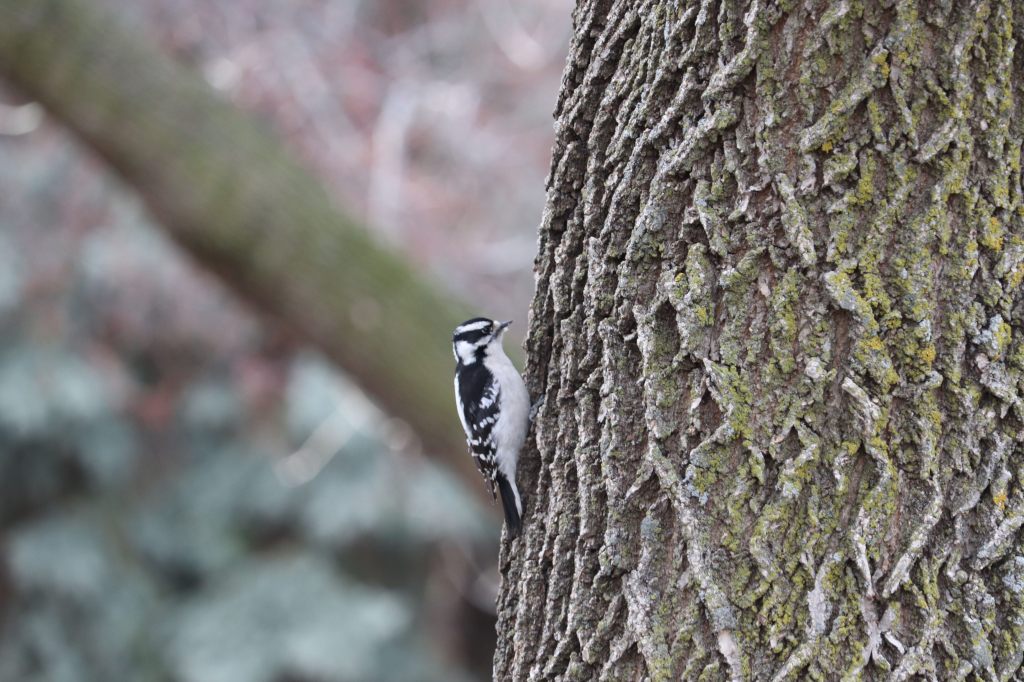
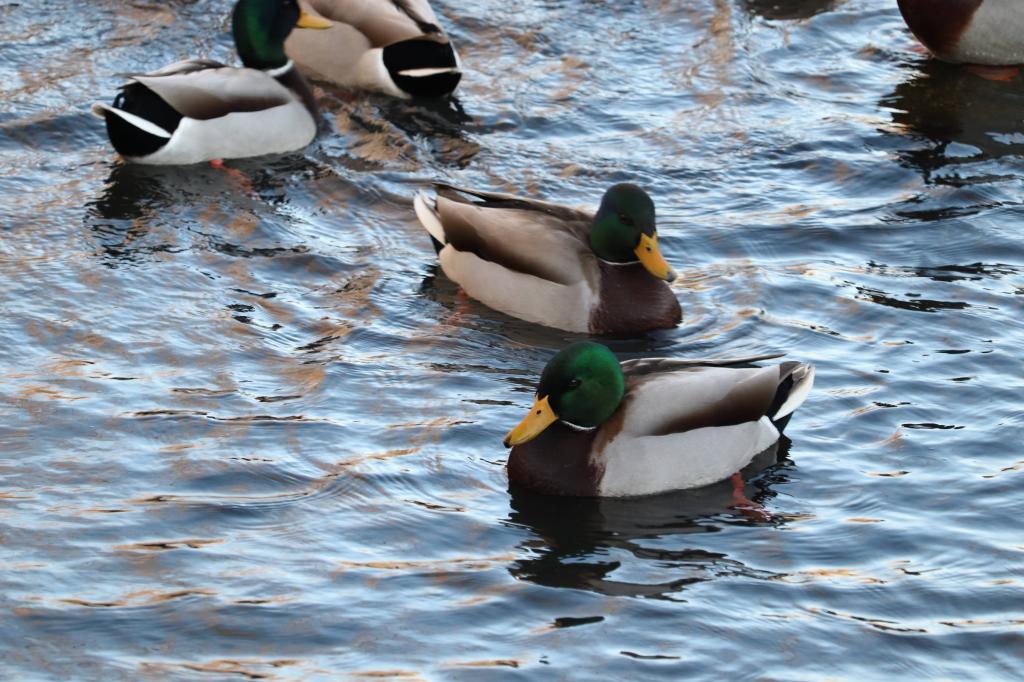
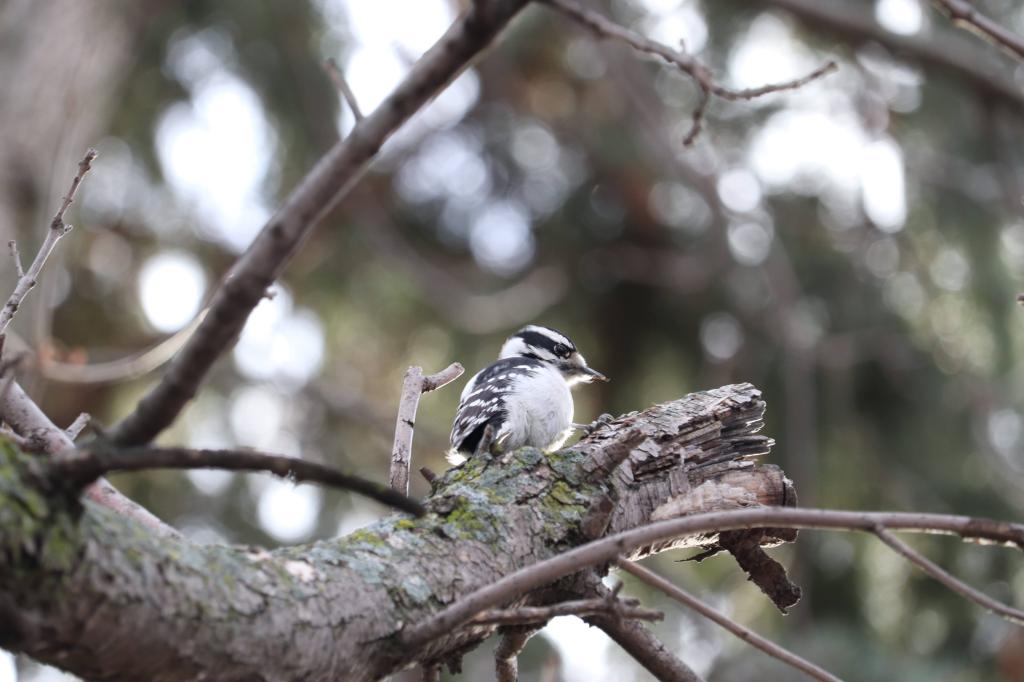
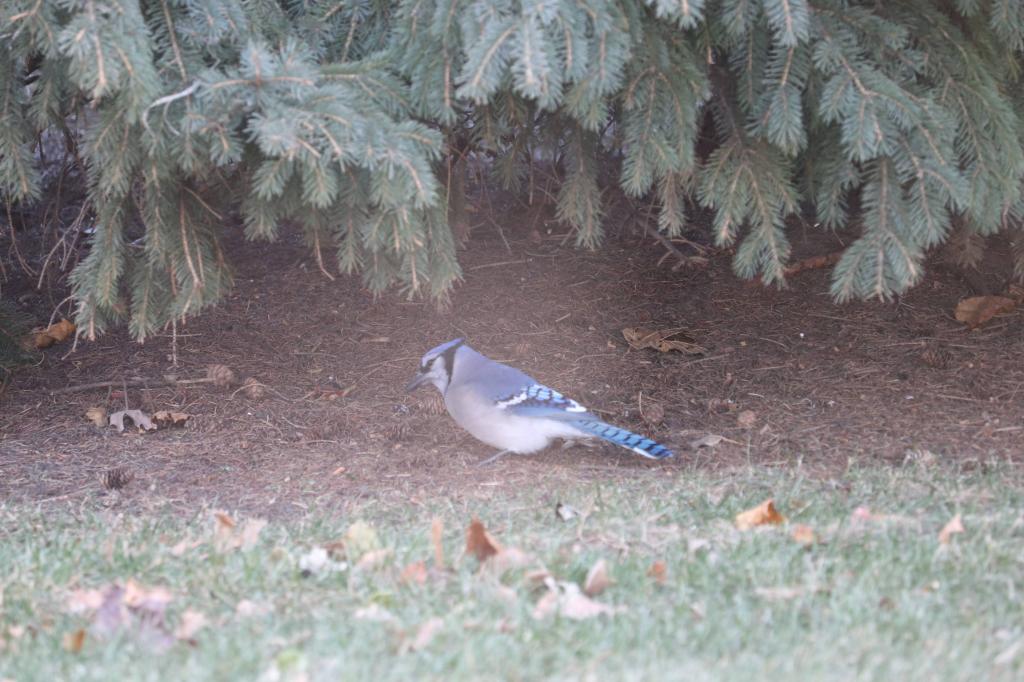


Have a happy new year!
Please subscribe to stay up to date on my blog.
This is the book I reference a lot. This is an Amazon affiliate link. I get a small commission if you click and buy through it. Thanks for supporting my blog. https://amzn.to/3pFdeFm
 Alejandro Carey