Category: Uncategorized

  • Tricolored Heron

    Tricolored Heron

    You probably have heard of herons before, but do you know what a Tricolored Heron is?

    In this blog post, I’ll briefly explain to you what a tricolored heron is, what it looks like, and what it does in its habitat. 

    Herons, Egrets, and Bitterns are part of a small family known as the Ardeidae (Ar-de-i-dae). Ardeidae refers to a “wading bird”. There are about 72 known species around the world. A tricolored heron is a kind of bird that lives near water and has three different colors on its feathers: blue, gray, and lavender.
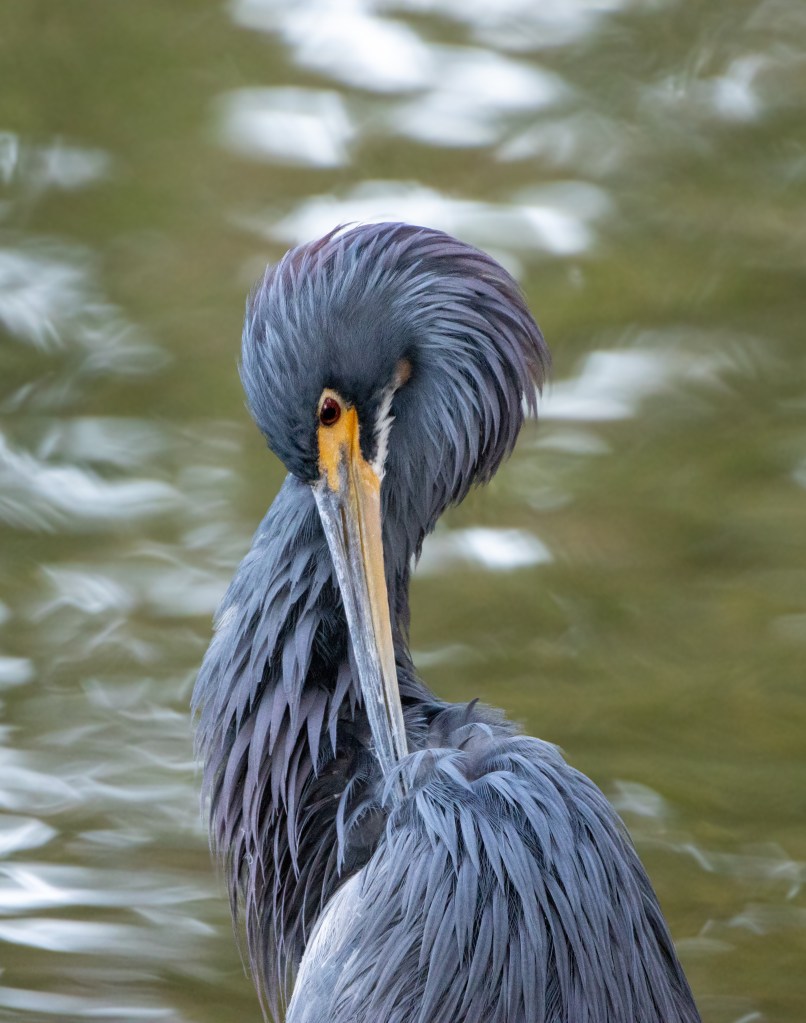
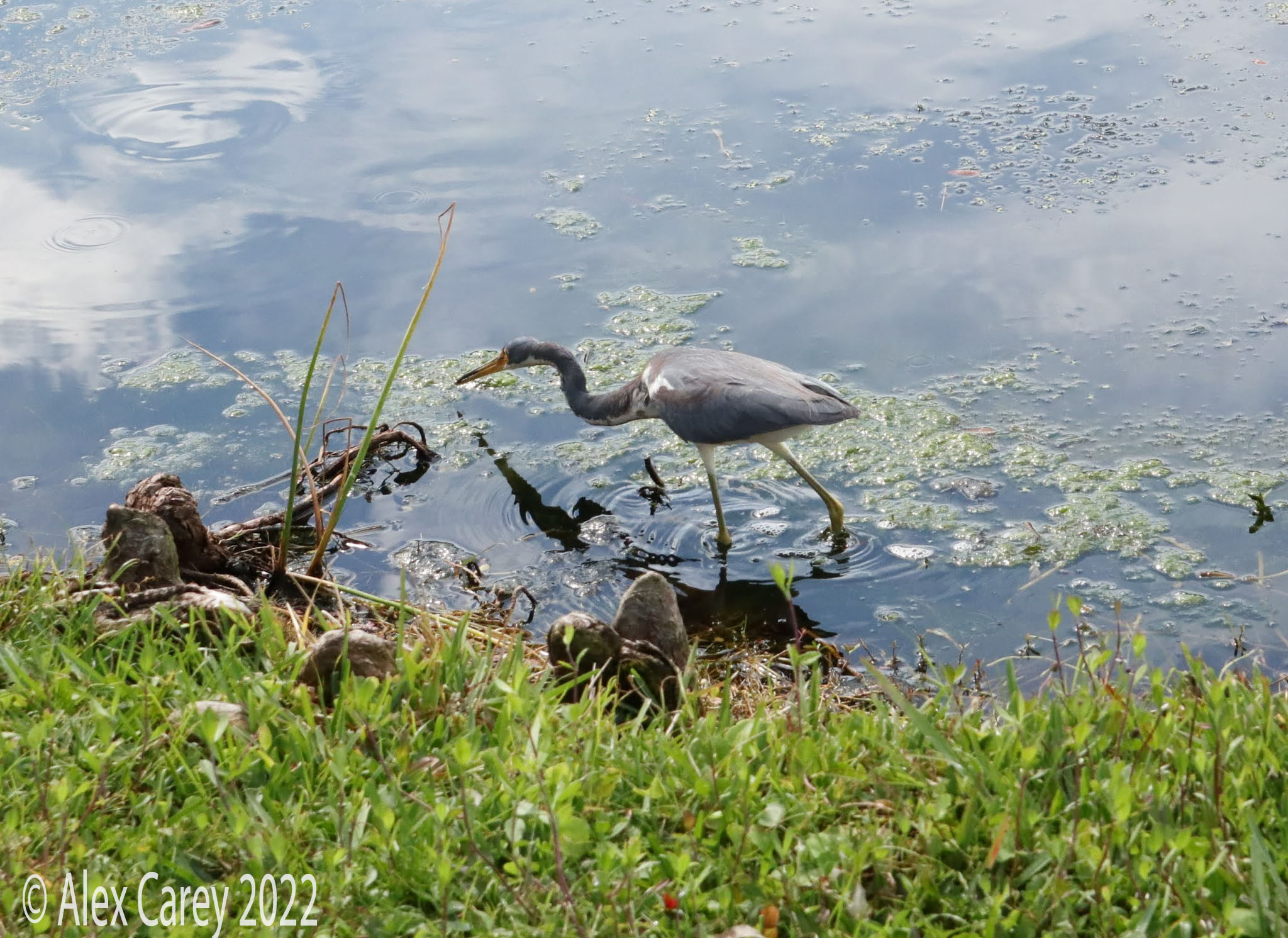
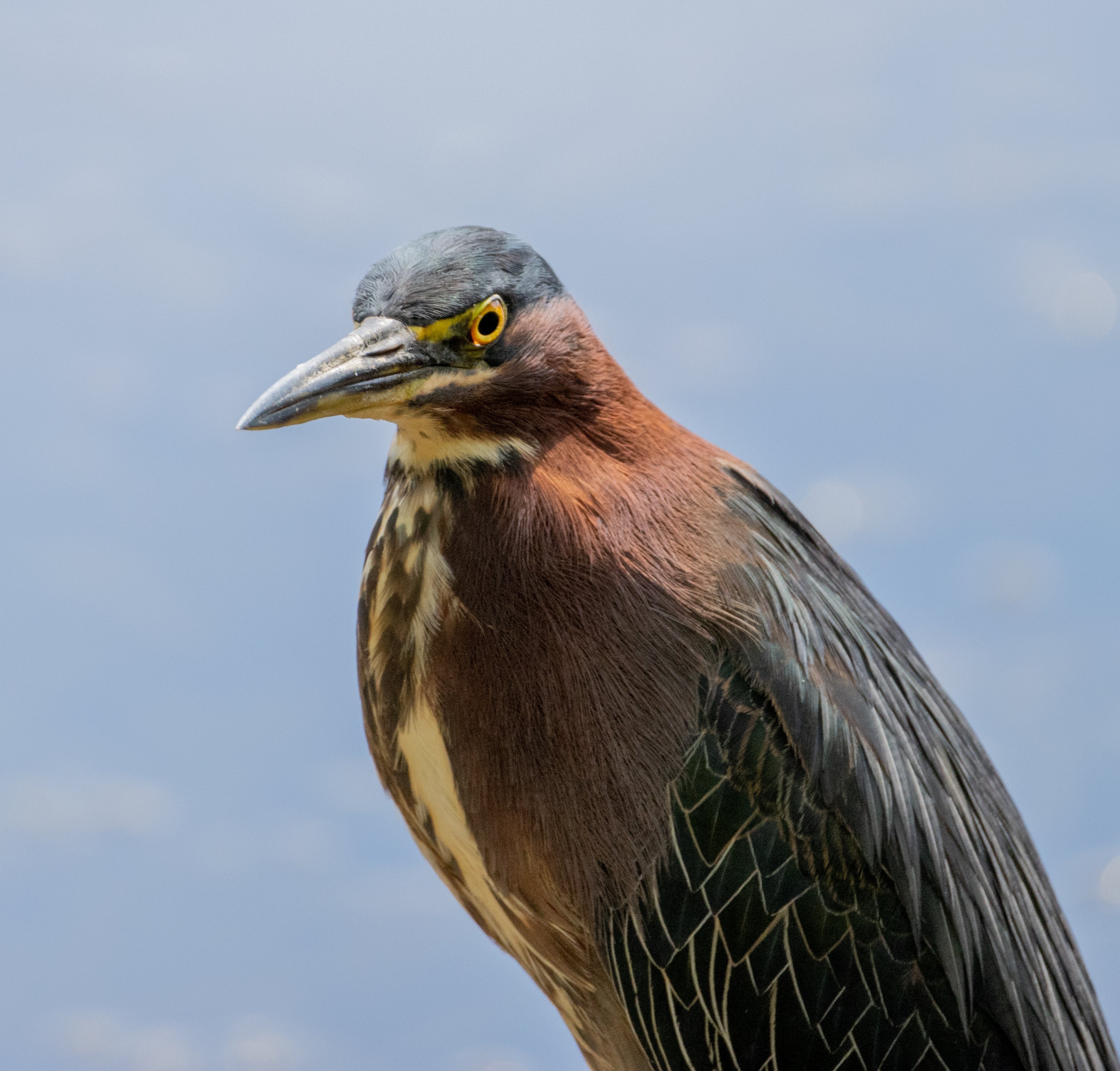
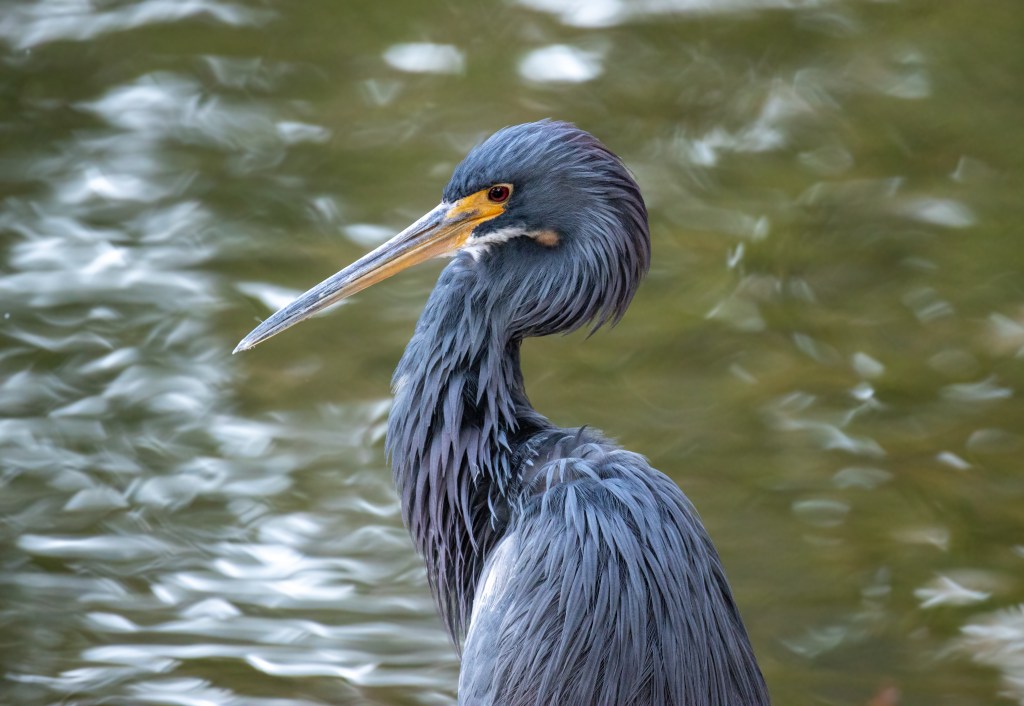
    The Tricolored Heron, formerly known as the Louisiana Heron, is a medium slim bird with a dagger-like beak. Its habitat can be marshes, estuaries, and lake/ponds. Commonly seen alone wading through water in search of small animals, sometimes running and making quick turns in the water as if it were dancing.  Their diet consists mostly of fish, crustaceans, insects, and frogs.  
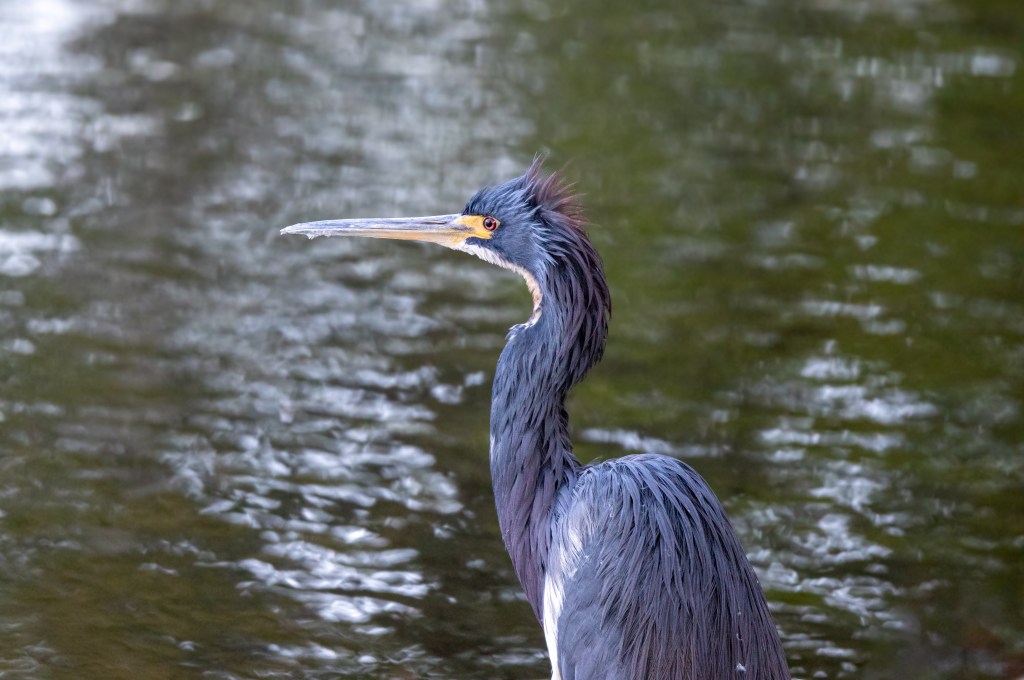
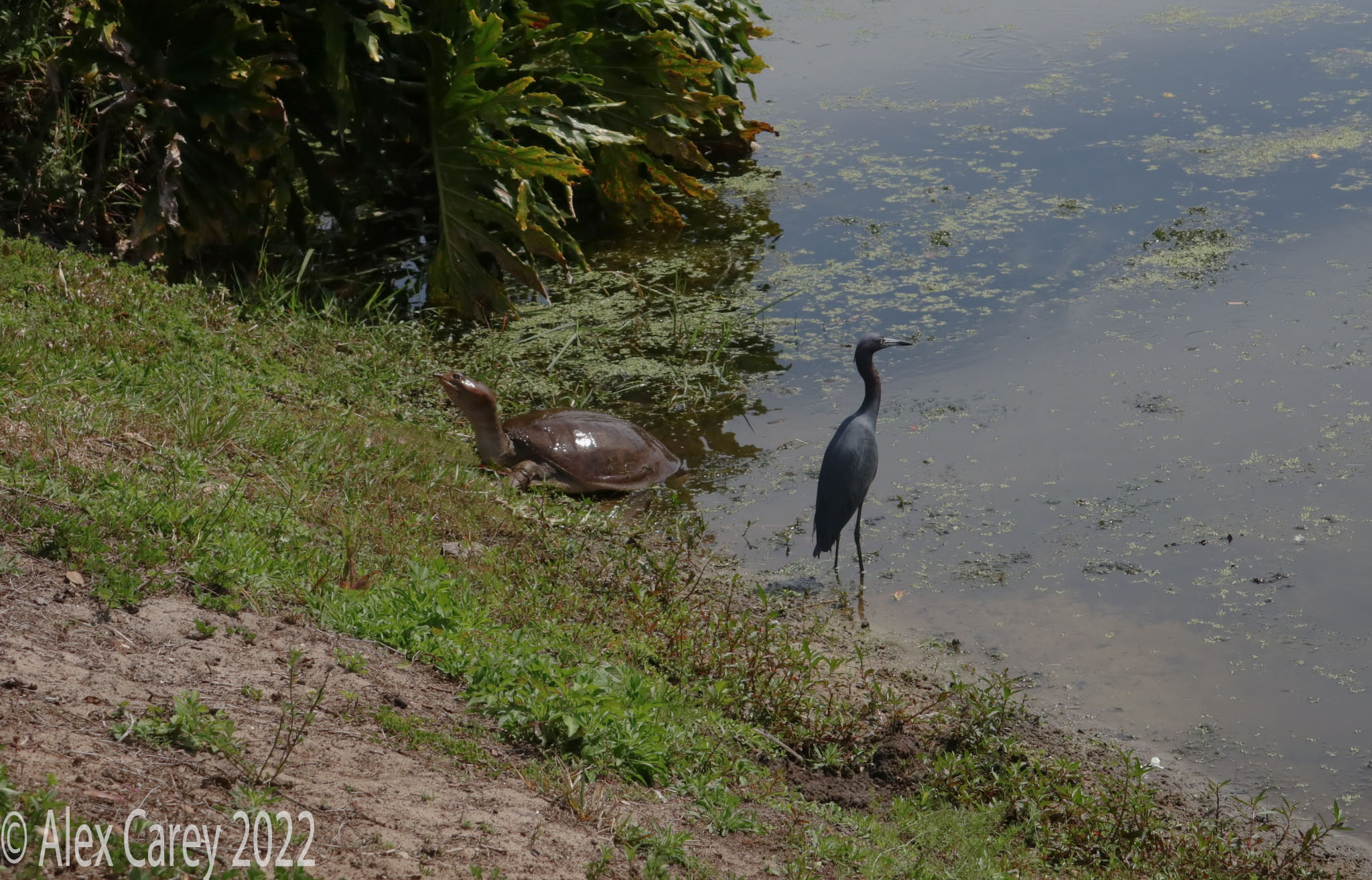
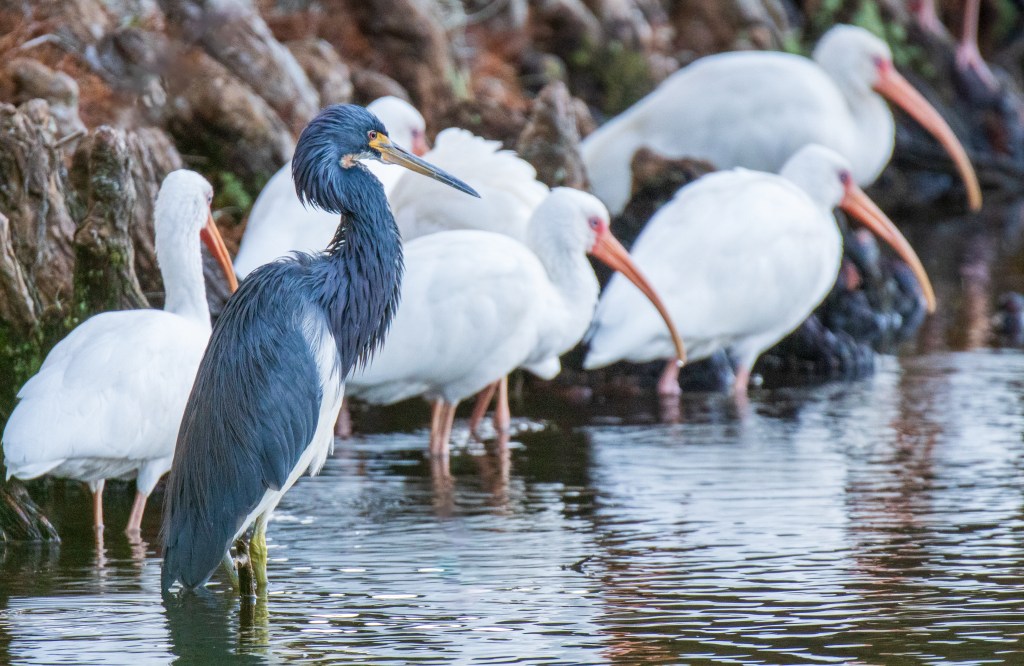
     I found this bird while I was vacationing in Florida this winter. The Tricolored Heron was in its “nonbreeding plumage”.  It was also a little difficult to identify as it looks like the Little Blue Heron.   It was with a group of other birds known as White Ibis staring patiently at the water waiting to strike at incoming prey.

    Fun Fact: 

    “As Tricolored Herons get older, they often lunge and snap at their parents when they arrive at the nest with food. To appease the youngsters, parents greet them with bows.” (Source: Cornell Lab, All About Birds)  

  • Spring Migration 2023

    Spring Migration 2023

    Spring migration has already occurred, and thousands of birds are already nesting. This spring, I got the opportunity to photograph several colorful birds.

    Migration: Bird migration is a seasonal movement that occurs twice, in the Winter season and Spring season, and is driven by the availability of food. While the majority migrate, very few will stay behind.

    Scarlet Tanager:
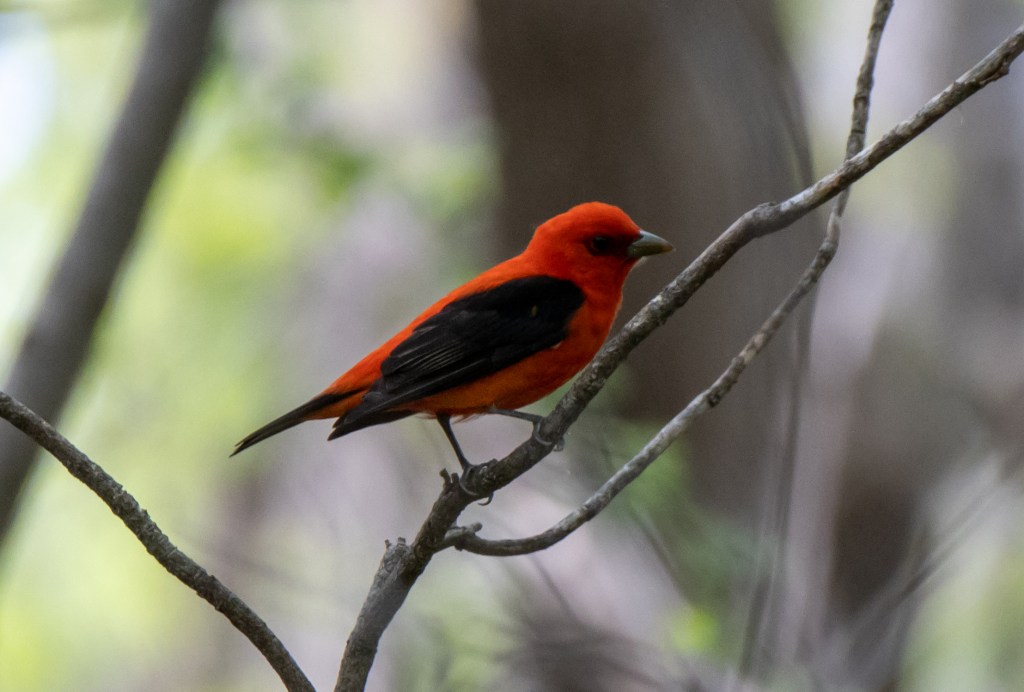
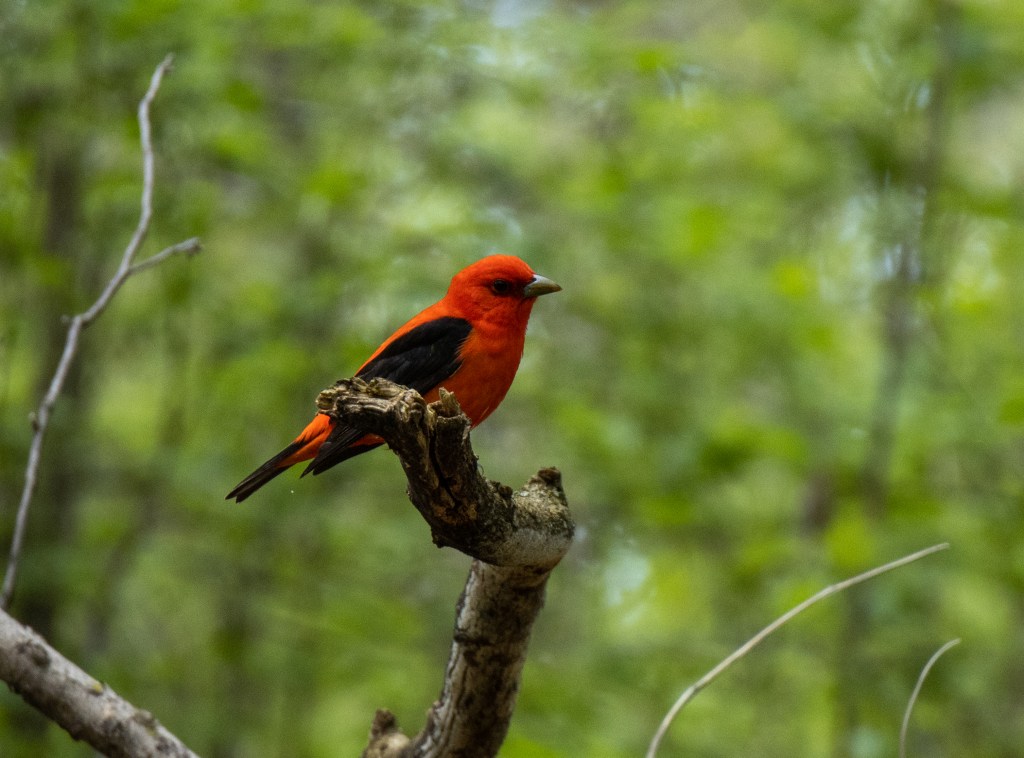
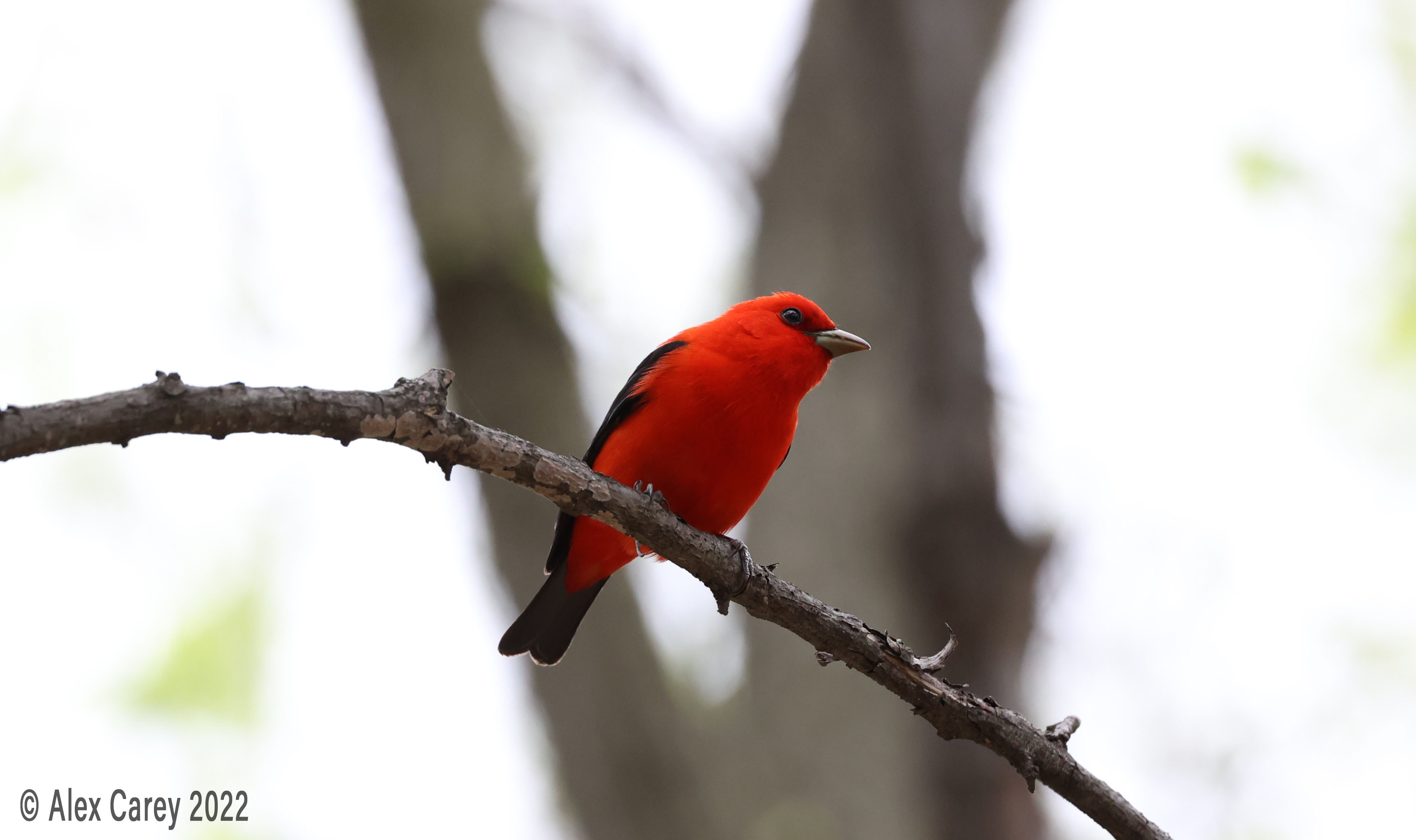
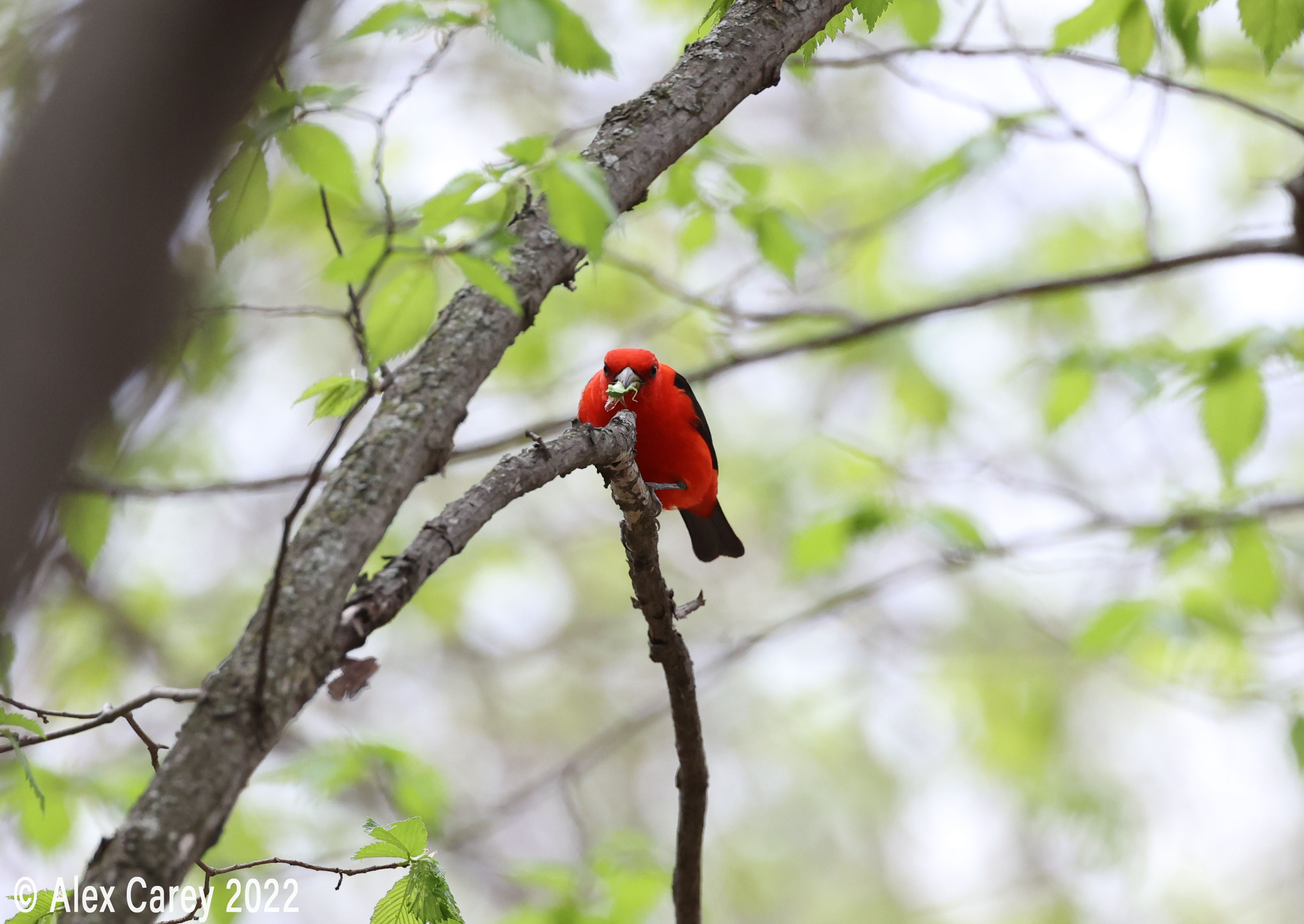
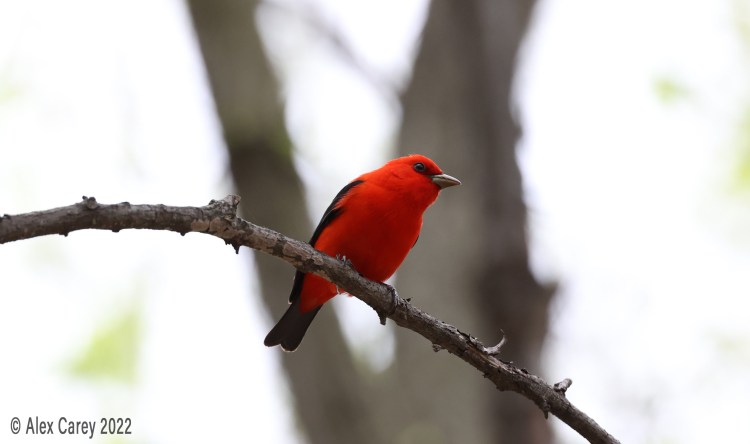
    One of my favorite birds that I got to photograph during the spring migration, was the Scarlet Tanager. Not only because of the striking colors but also because they’re a rarity to see. Tanagers, nest high up in trees, and are silent birds, making them difficult to locate. Scarlet Tanagers are long-distance migrators, wintering in South America. Migrating all the way to the United States during the spring. Their diet consists mostly of insects while also feeding on berries. For more information about them click here: https://palmerlakenature.wordpress.com/2022/05/17/scarlet-tanager/

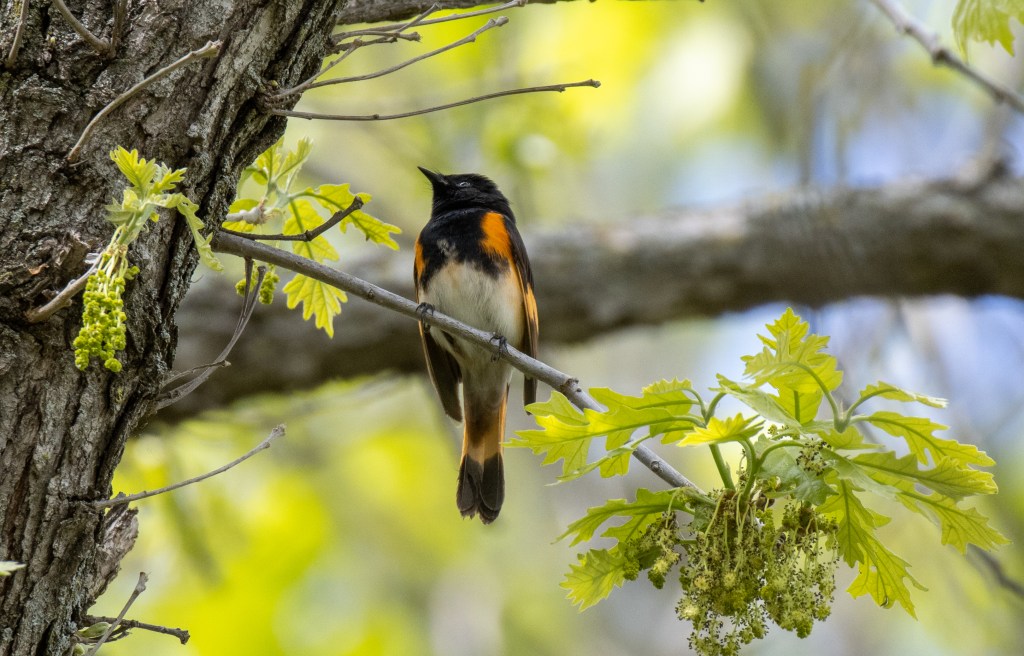
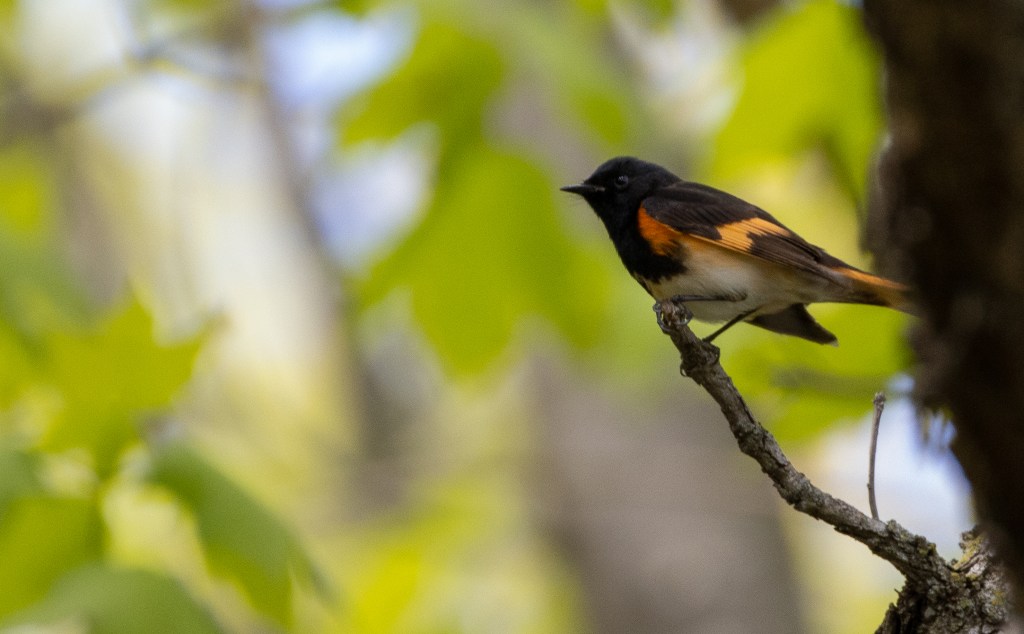
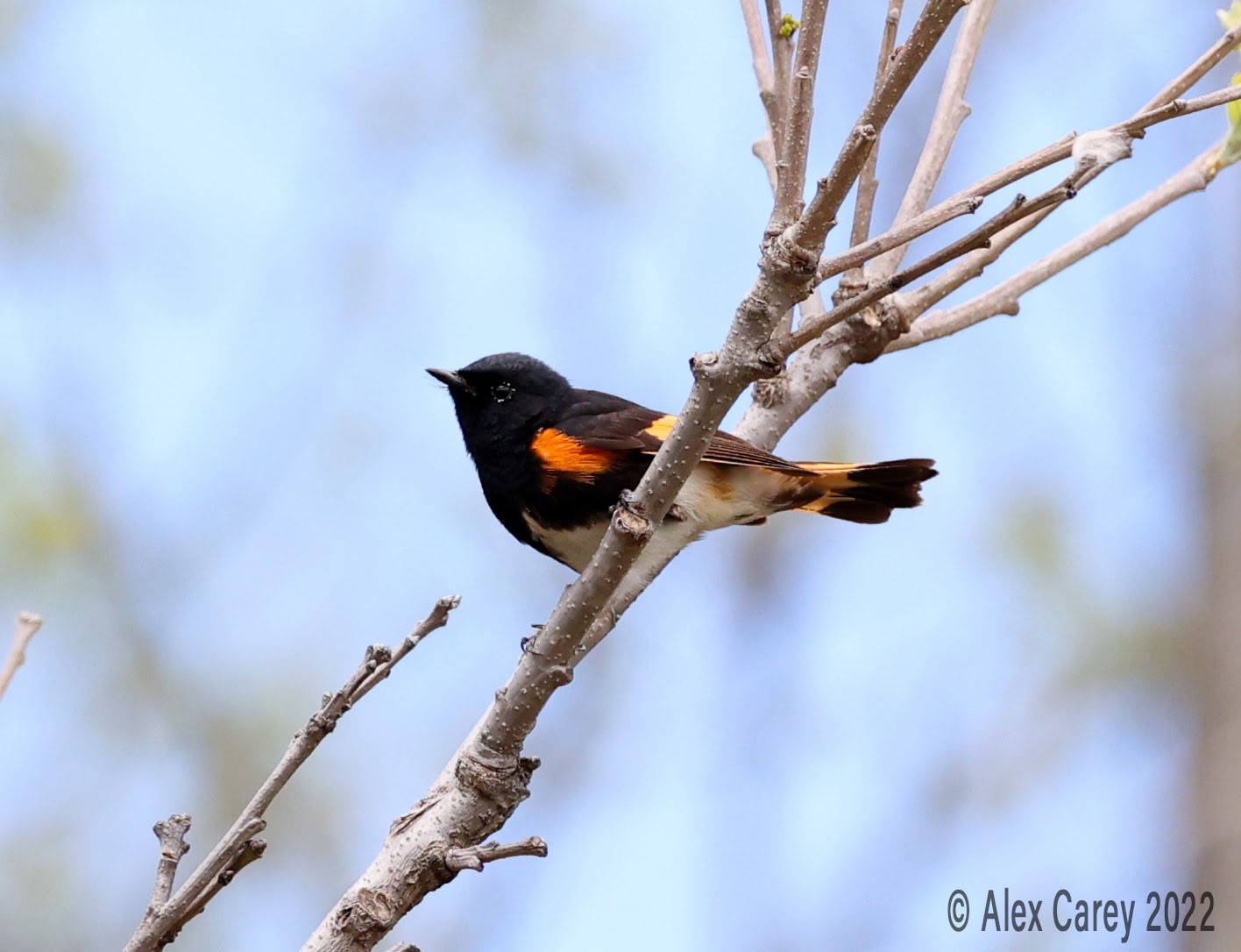
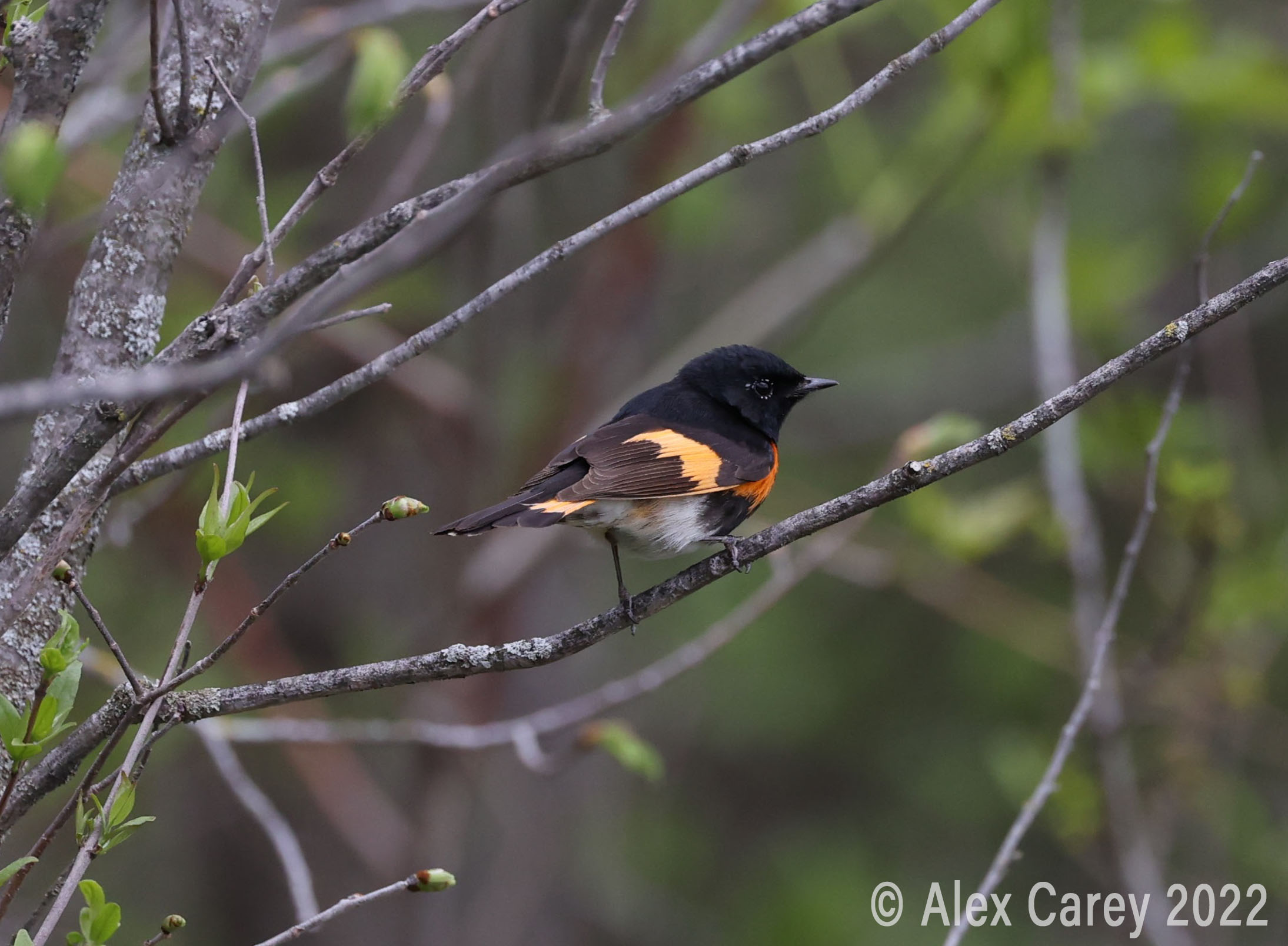
    American Redstart: Redstarts are New World warblers that are seen hopping around branches searching for insects. When an insect is found, the warbler will strike its tail and wing feathers startling its prey. Redstarts are singing warblers that nest in open areas in Northern America. Their diet consists of insects but will also feed on berries. Wintering in Northern South America, migrating north in the spring.

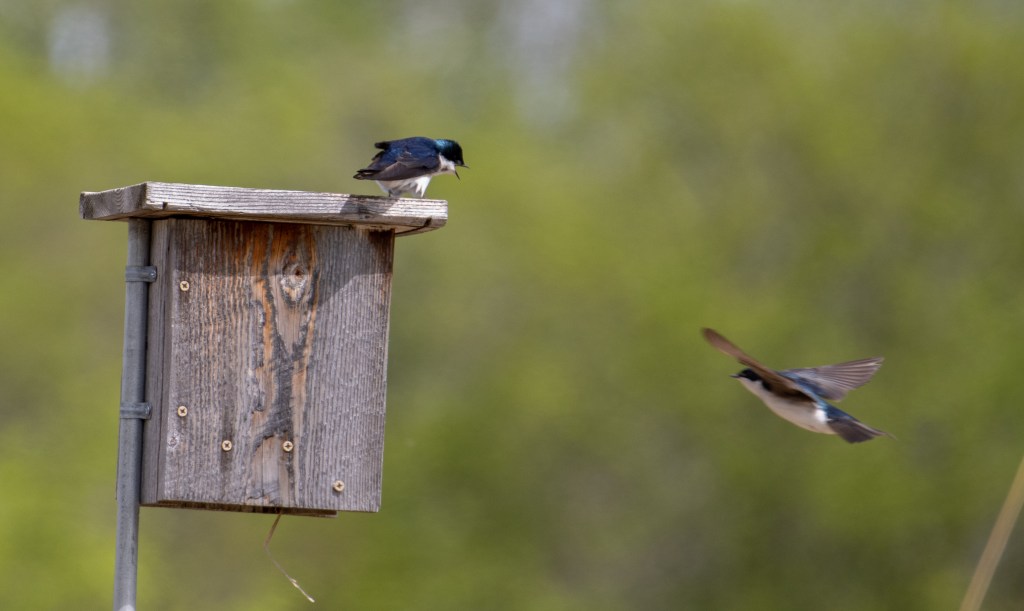
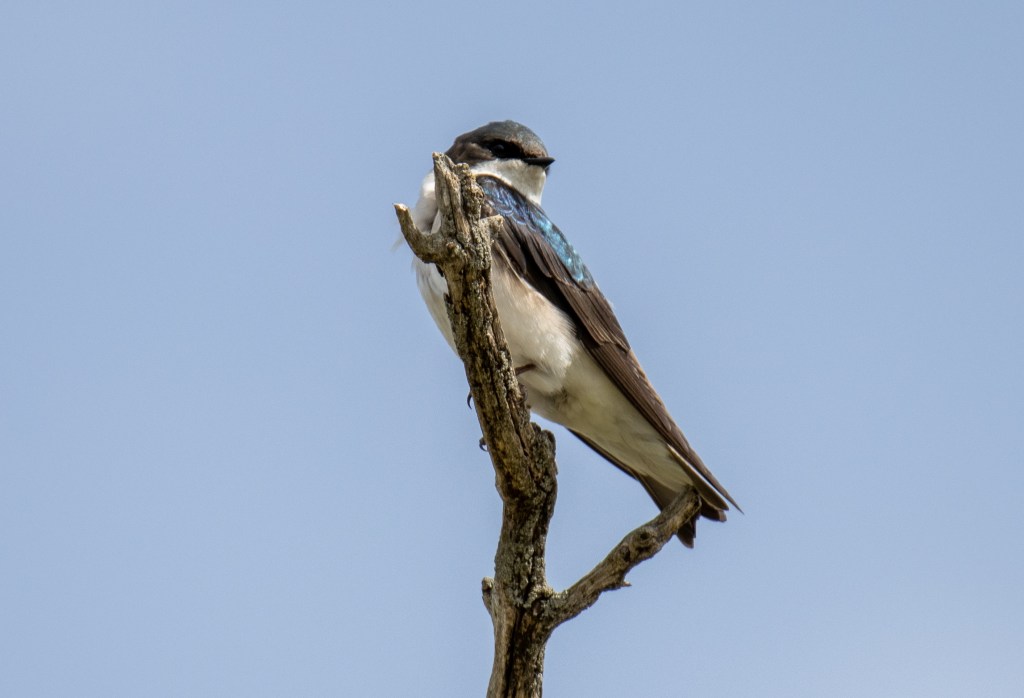
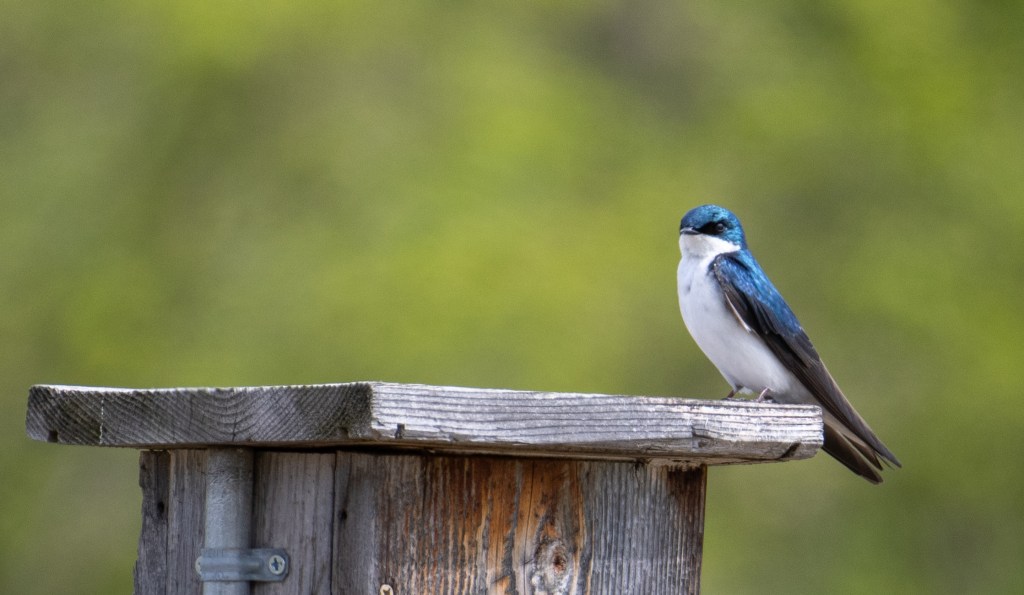
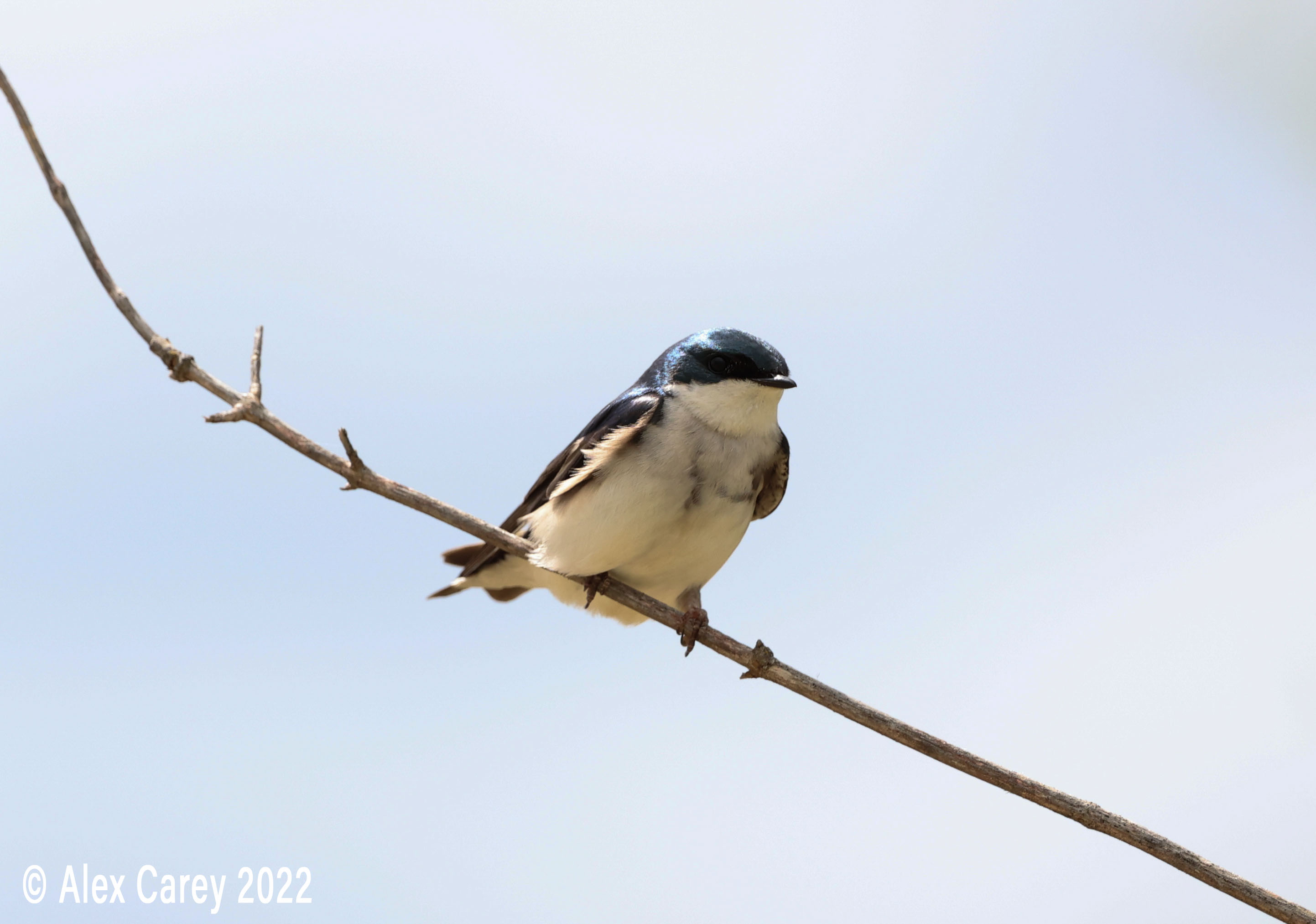
    Tree Swallow: A popular bird among many. Among other species like bats and bluebirds, they play a role in integrated pest management for controlling farms and garden pest insects. They are also known as a welcome sign for spring in Northern America. Their diet consists mostly of insects.

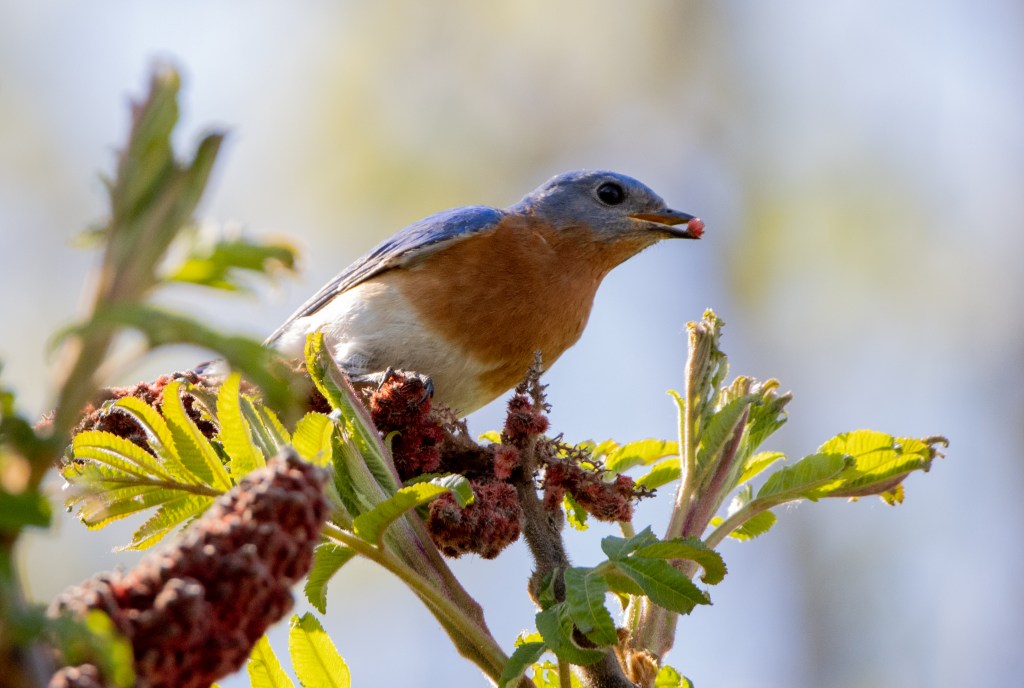
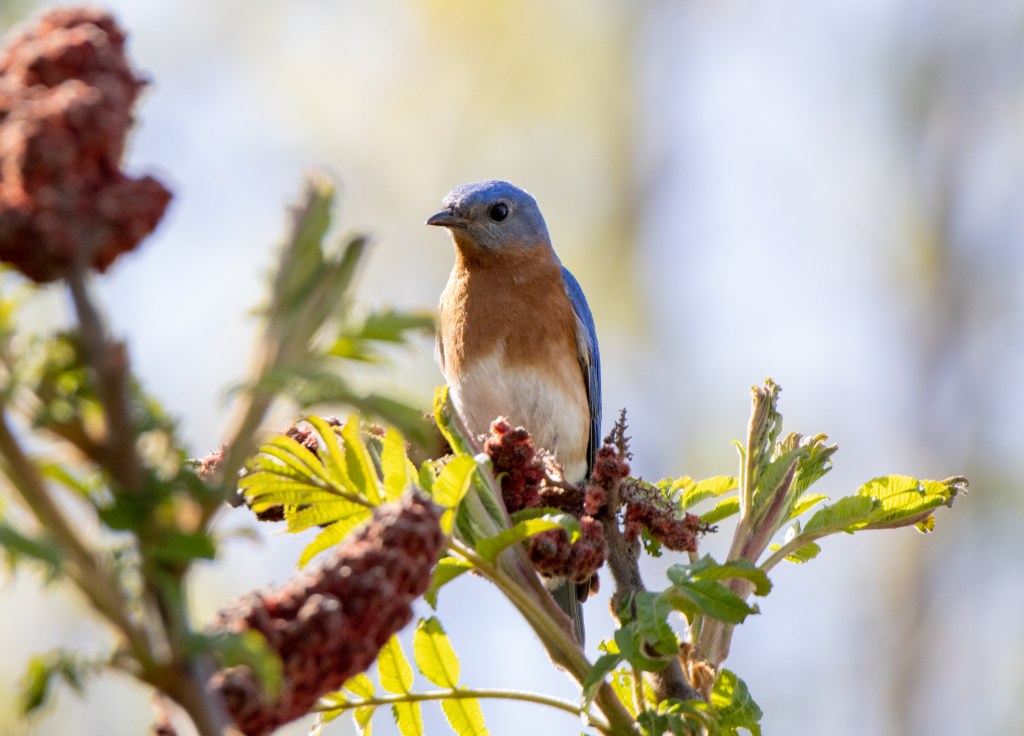
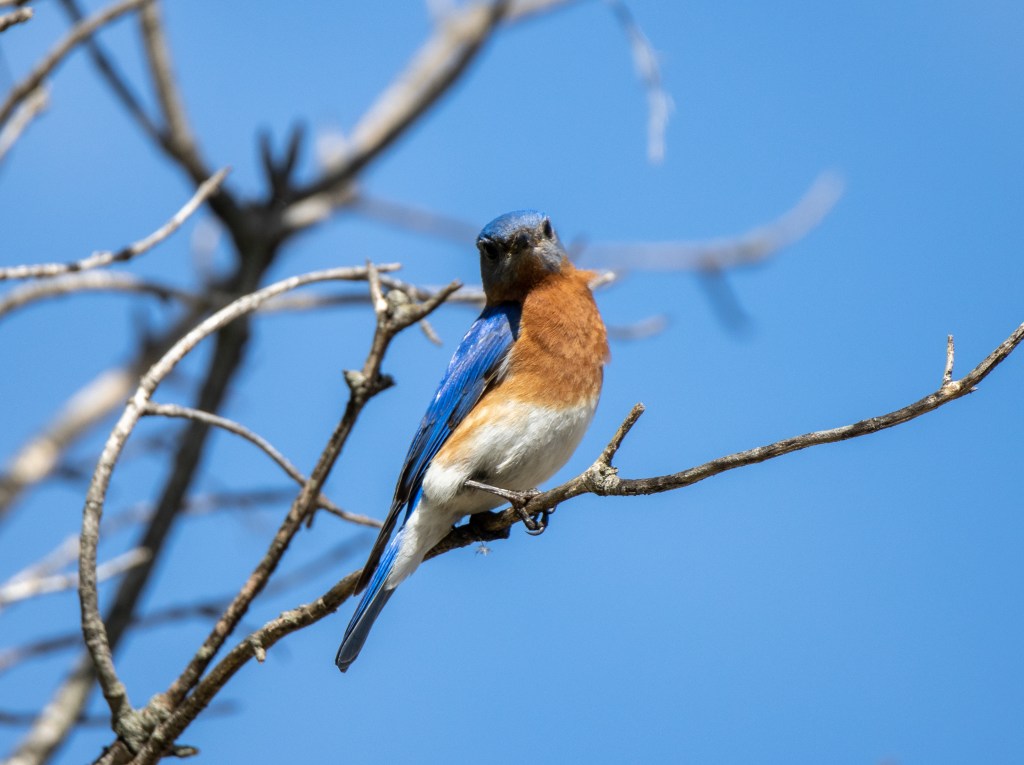
    Eastern Bluebird: Unlike the other birds that I mentioned in this post, bluebirds have a choice of whether they want to migrate or not. Large portions of Texas and New Mexico are wintering grounds for migrating bluebirds. Where places like Central America, and Southeastern US, they don’t migrate. They make a call that sounds like “chur lee” or “chir we” which also sounds like they’re saying “truly” or “purity”. Their diet consists mostly of insects and berries.

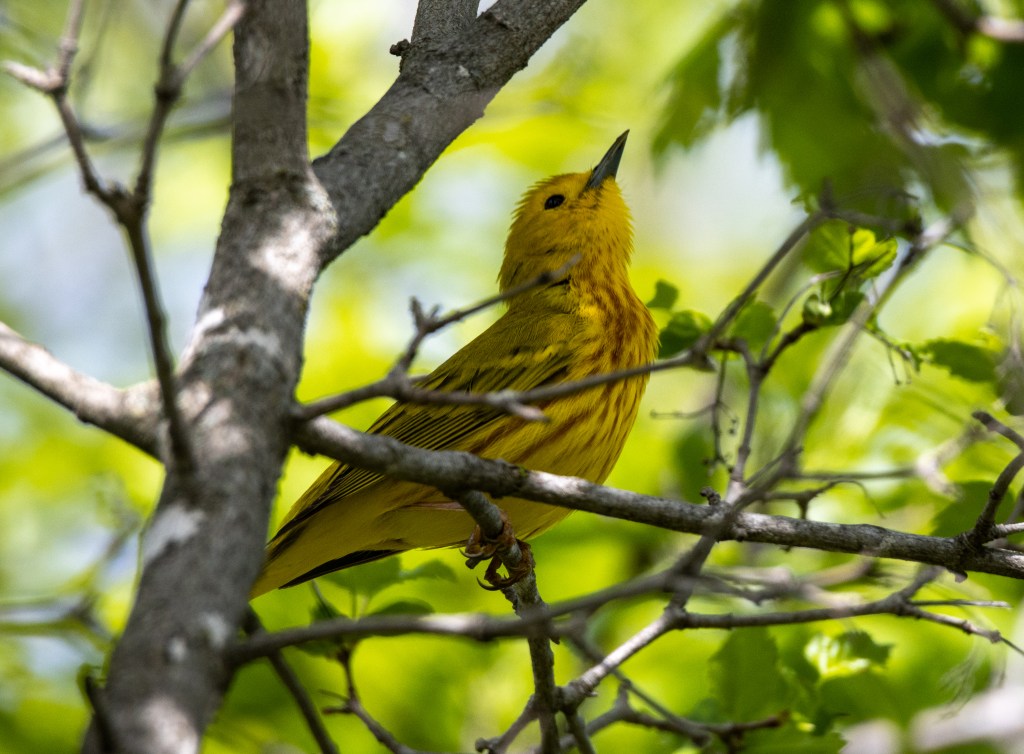
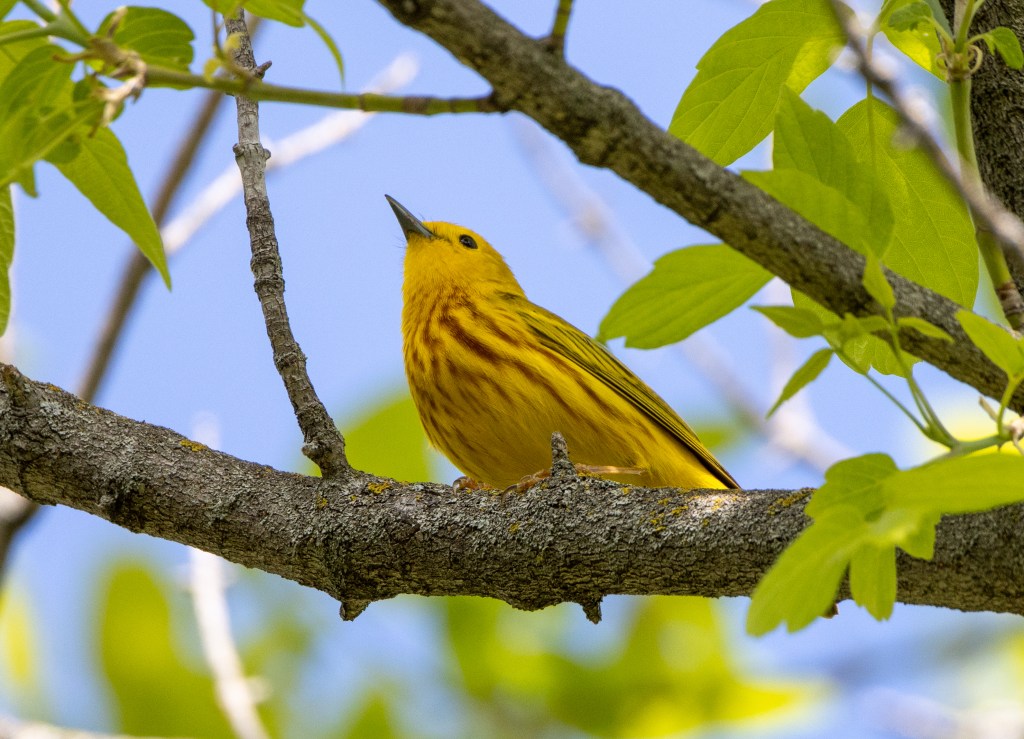
    Yellow Warbler: The Yellow Warbler is a New World warbler that is widespread species found in North America during the summer, migrating to wintering grounds in South America like Peru and Bolivia. Their diet primarily consists of insects but will also feed on fruit. They’re also a regular host to the Brown-headed cowbird (a parasitic bird that lays eggs in other birds’ nests, letting the hosts raise their young).

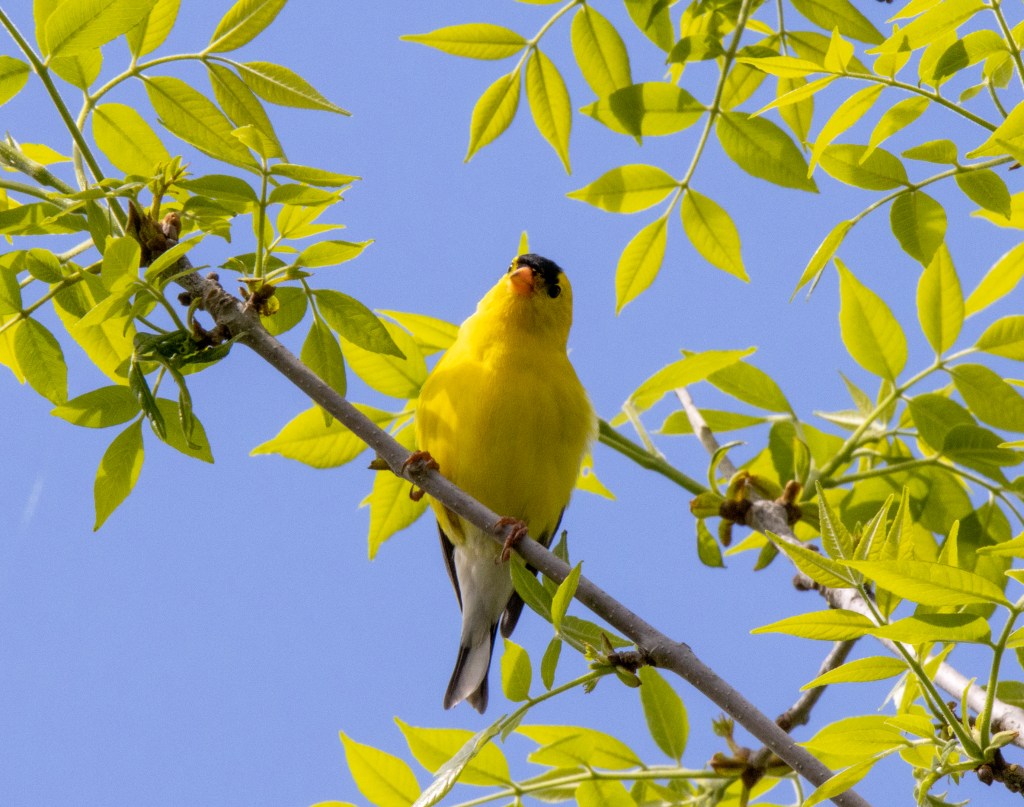
    American Goldfinch: Last but not least, the American Goldfinch. Part of the finch family, they’re easy to find and widespread across North America. Migrating all the way to Mexico during the winter, while migrating north during the spring. They’re active birds that are seen balancing on plants and plucking seeds. Listen for their call that sounds like po-ta-to-chip calls. Their diets consist primarily of seeds and insects.

  • Pictures of 2022

    Pictures of 2022

    THANK YOU to everyone who has read a post or two. As a way to end 2022, here are handpicked photos from the year. Enjoy!

  • Phoenix Arizona 2022

    Phoenix Arizona 2022

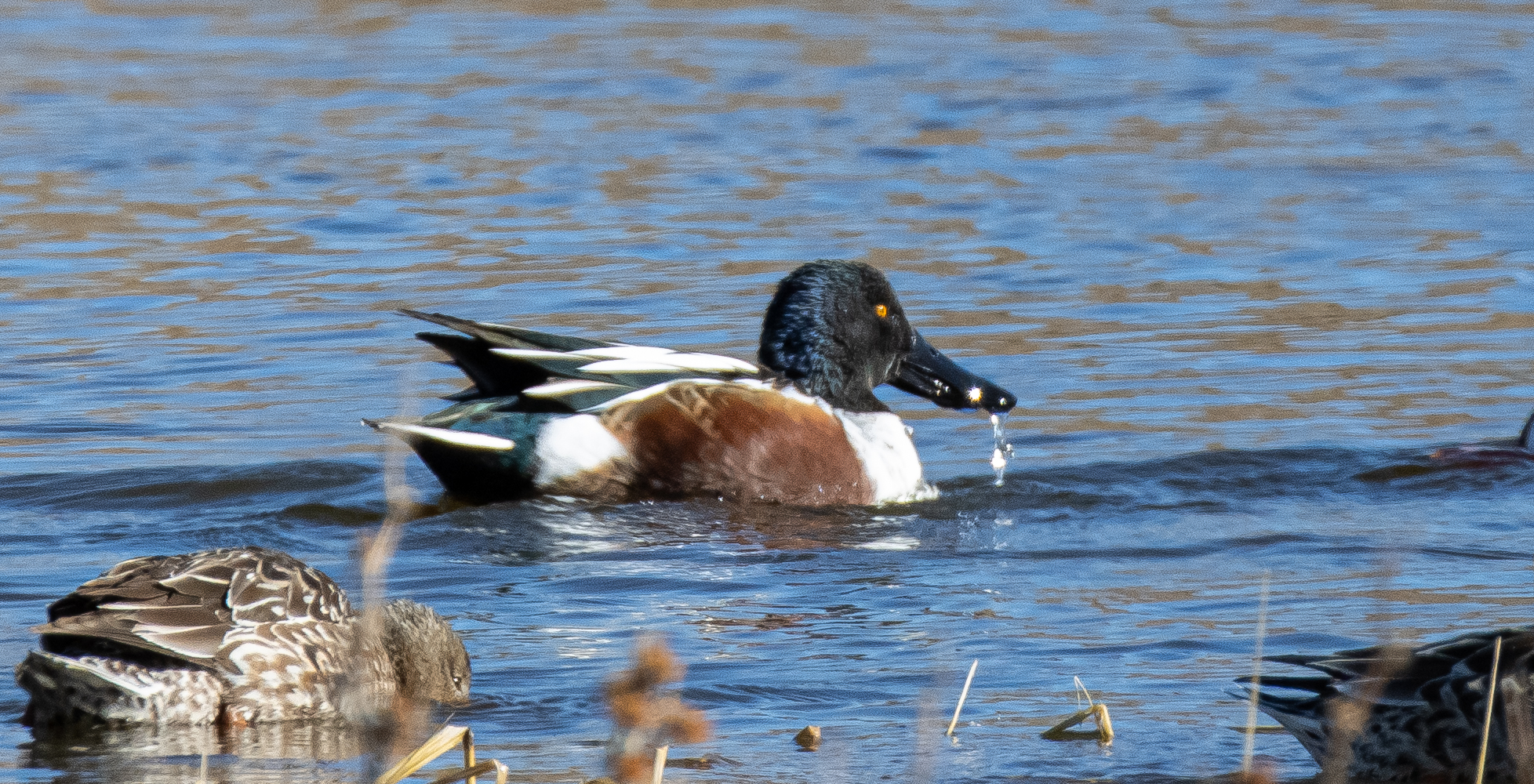
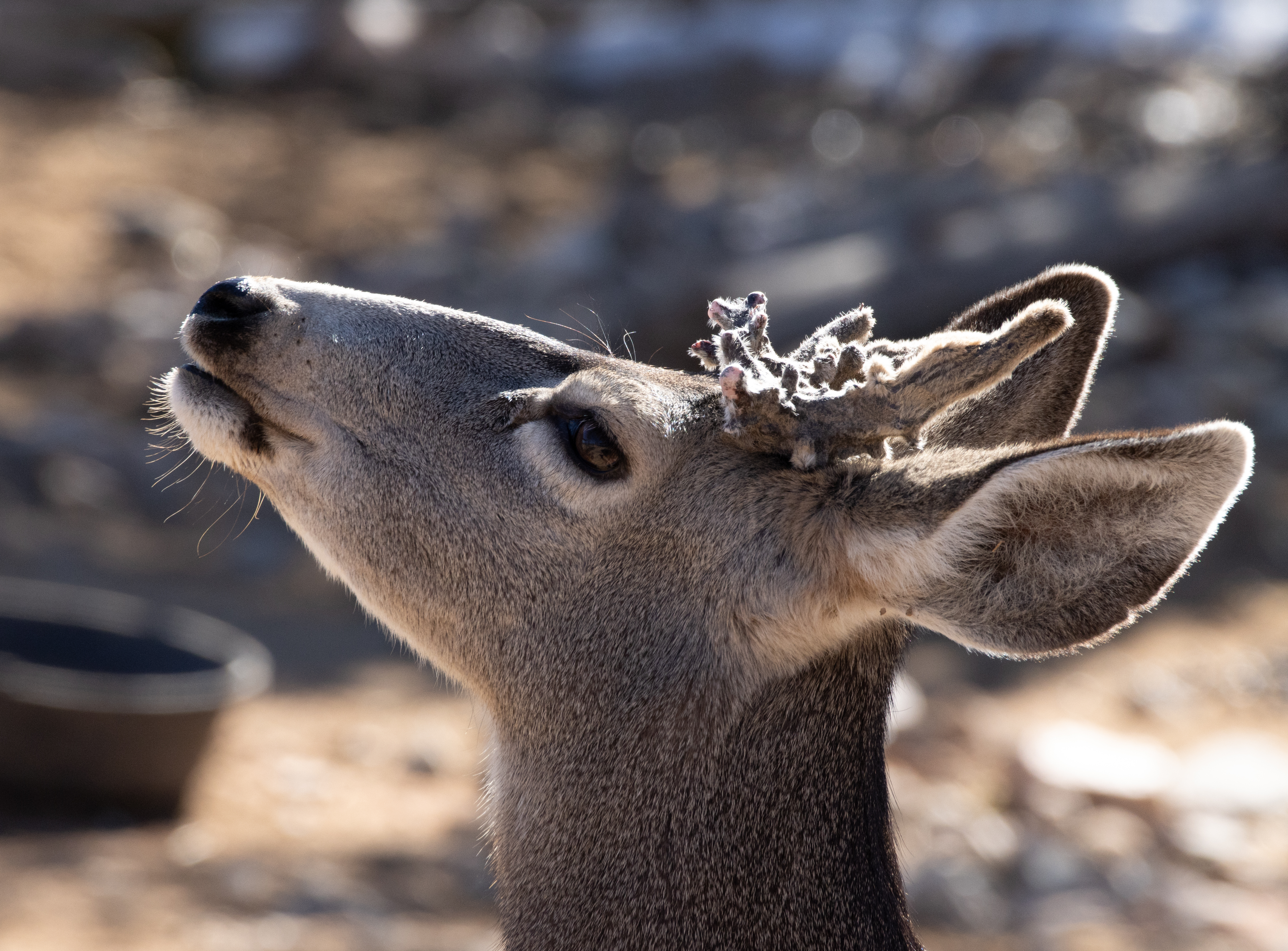
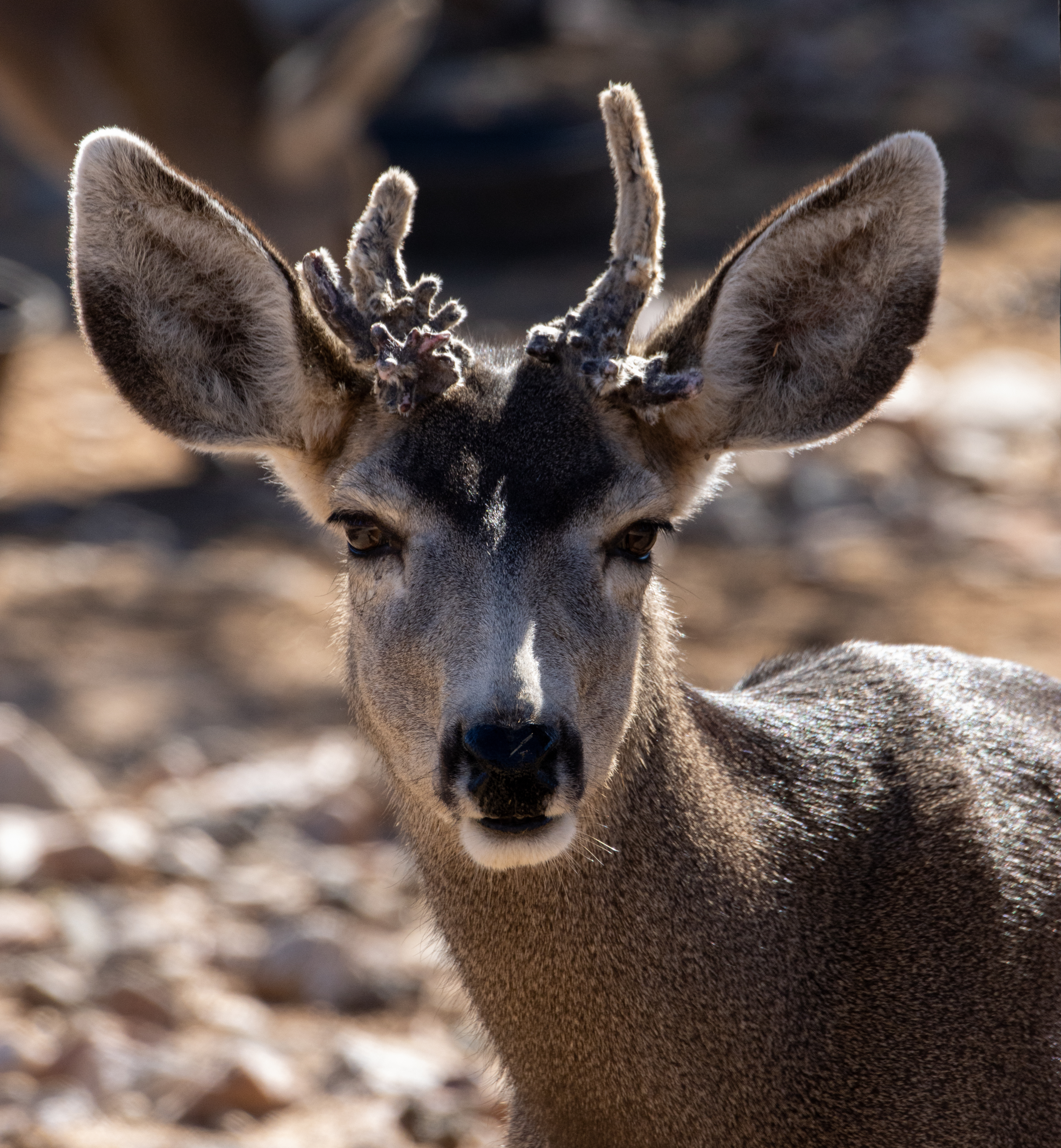
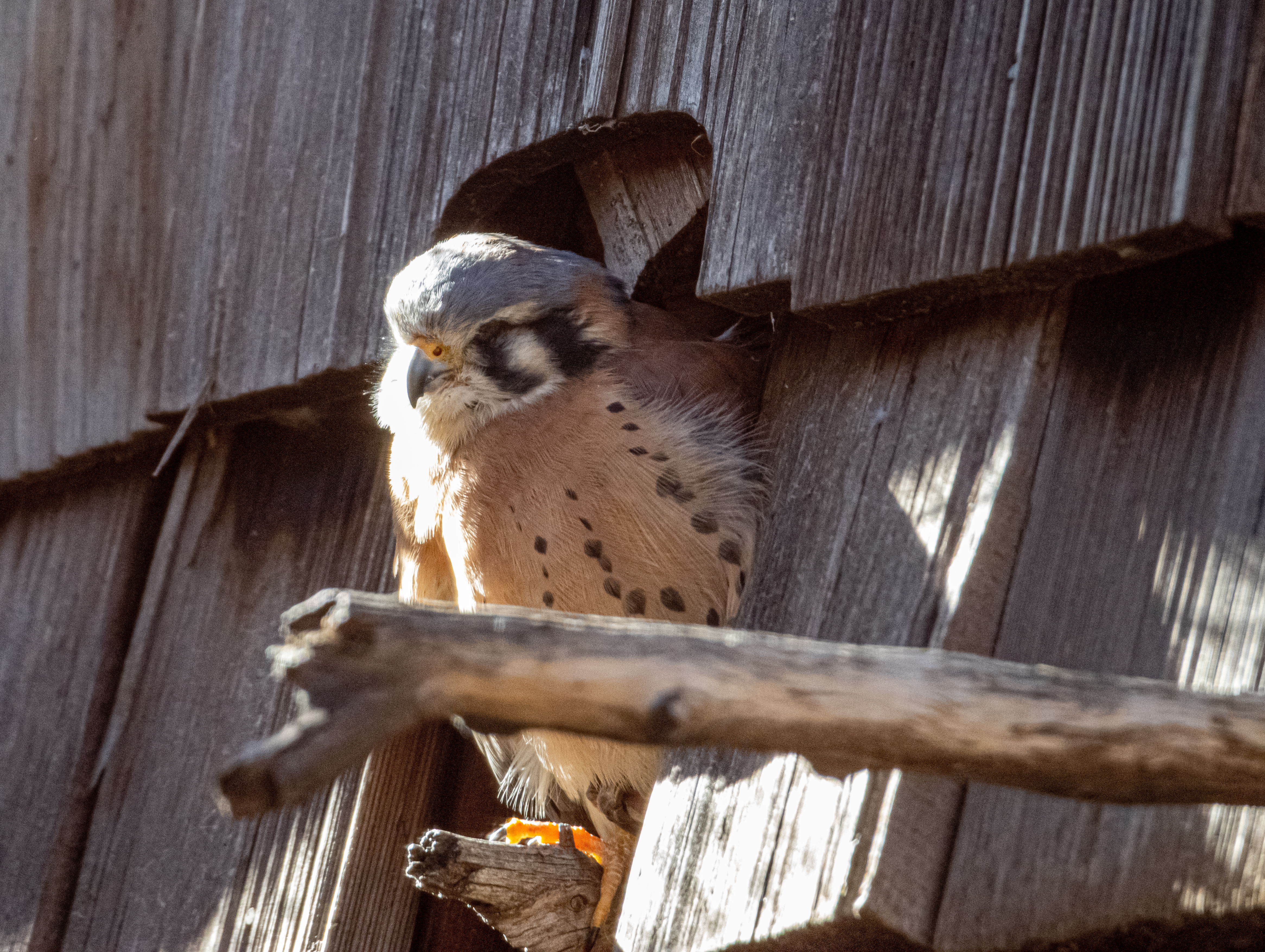
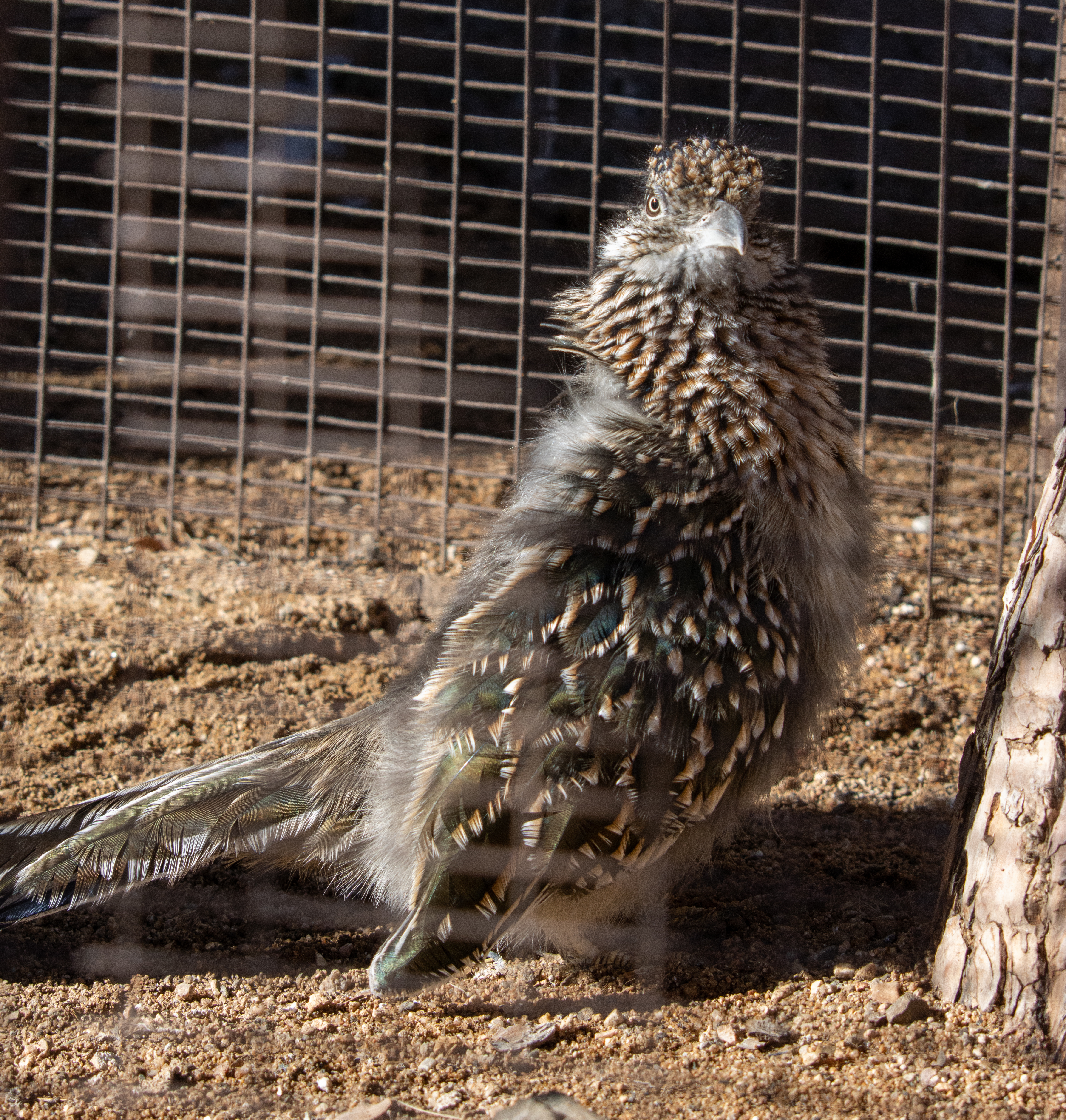
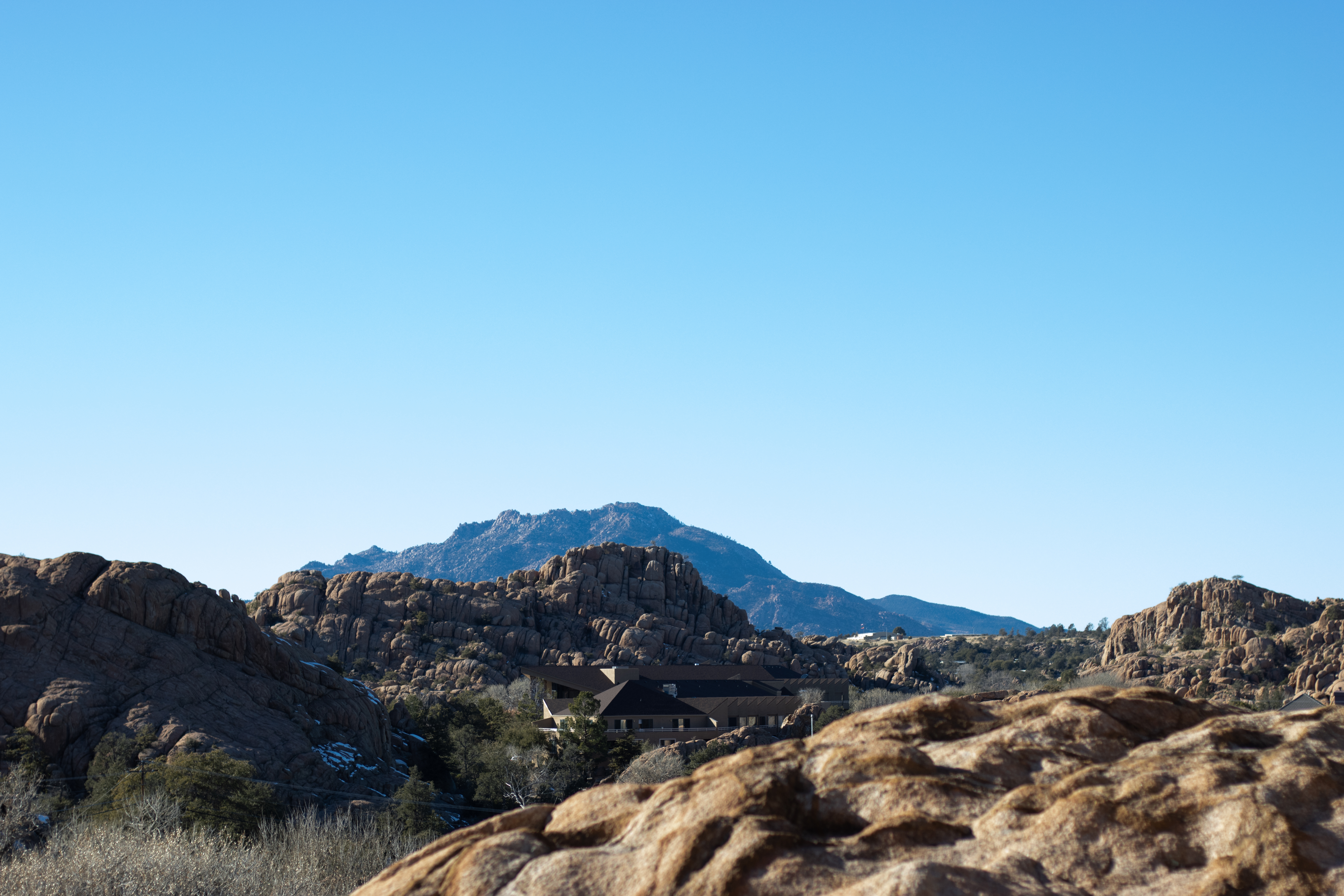
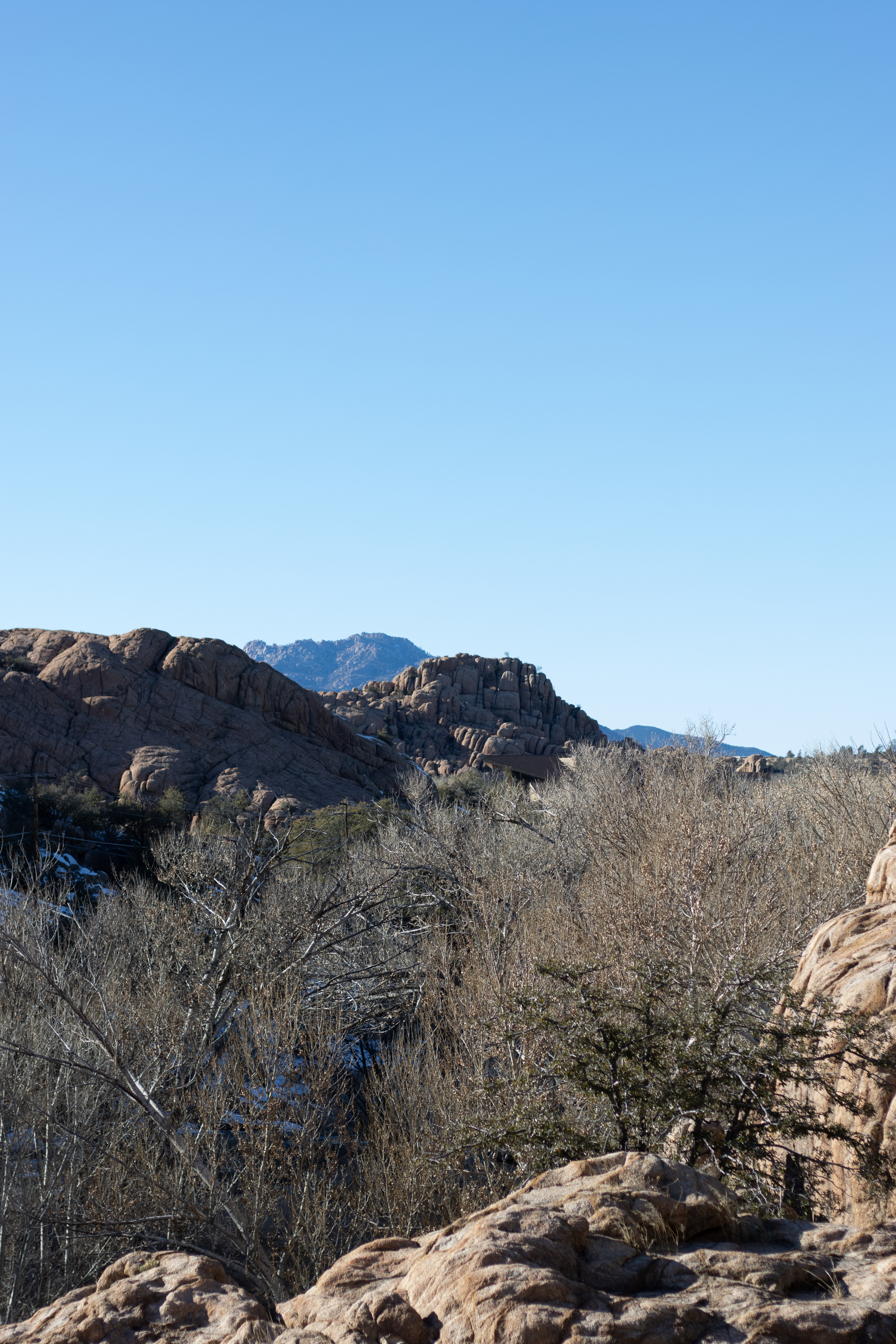
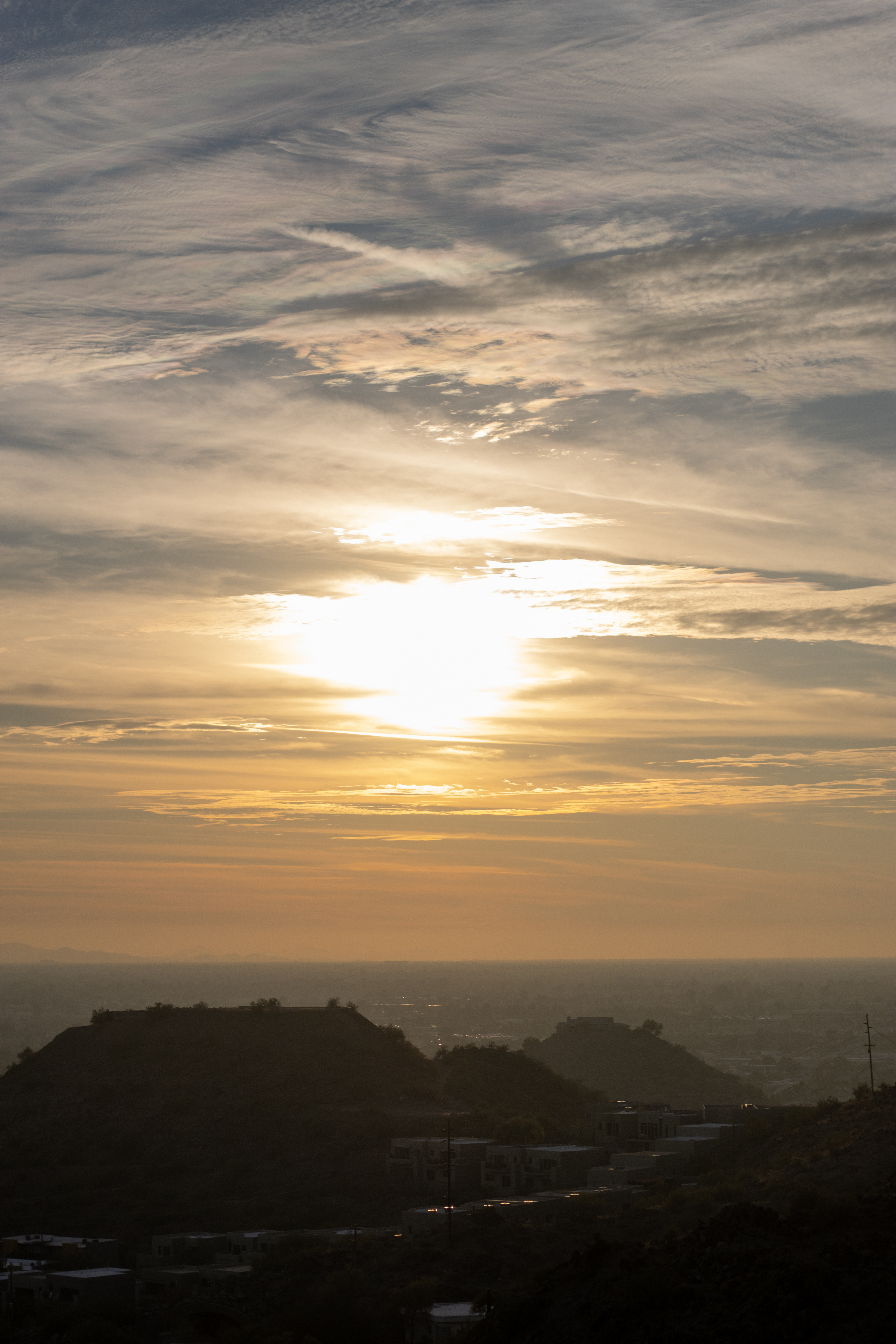
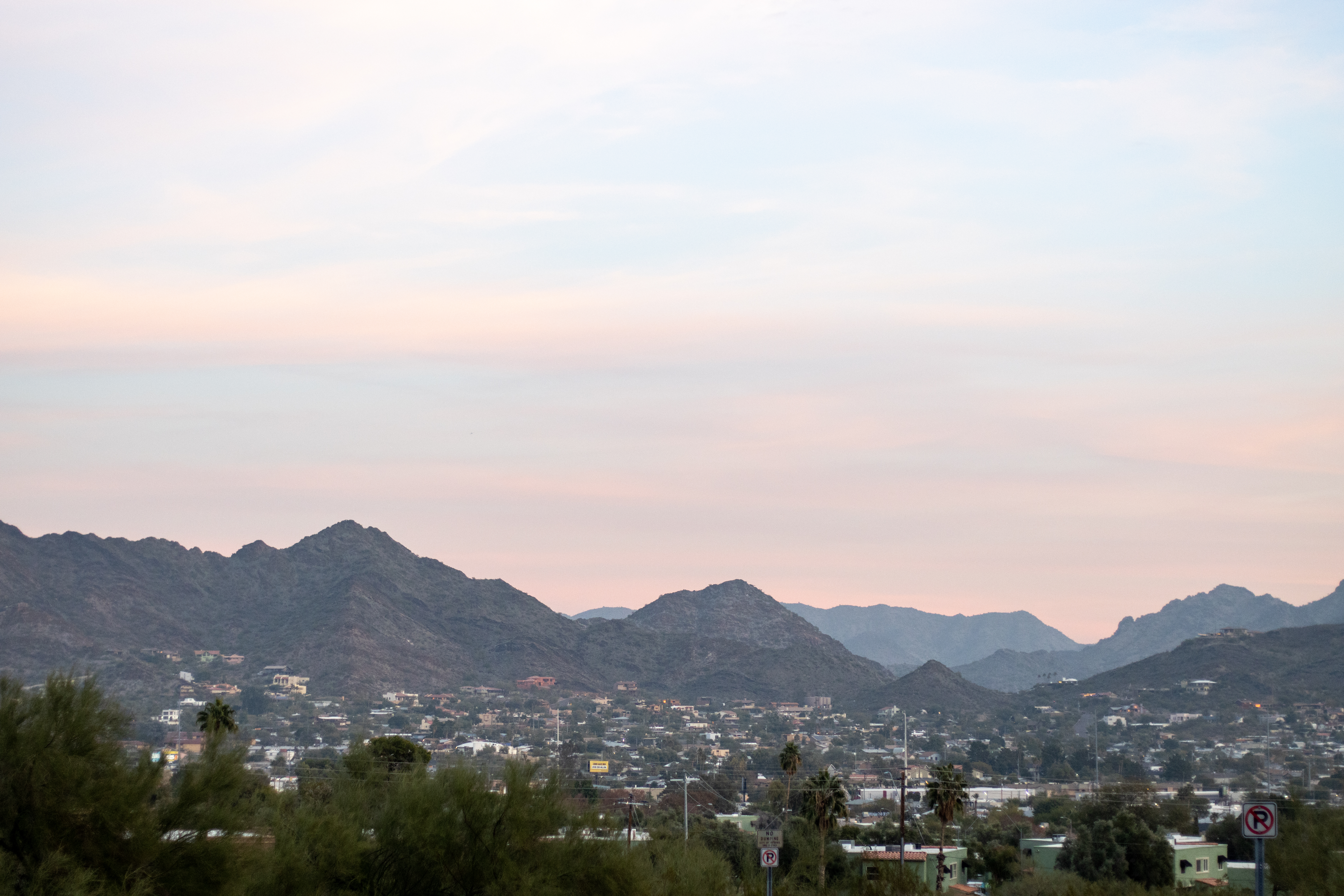
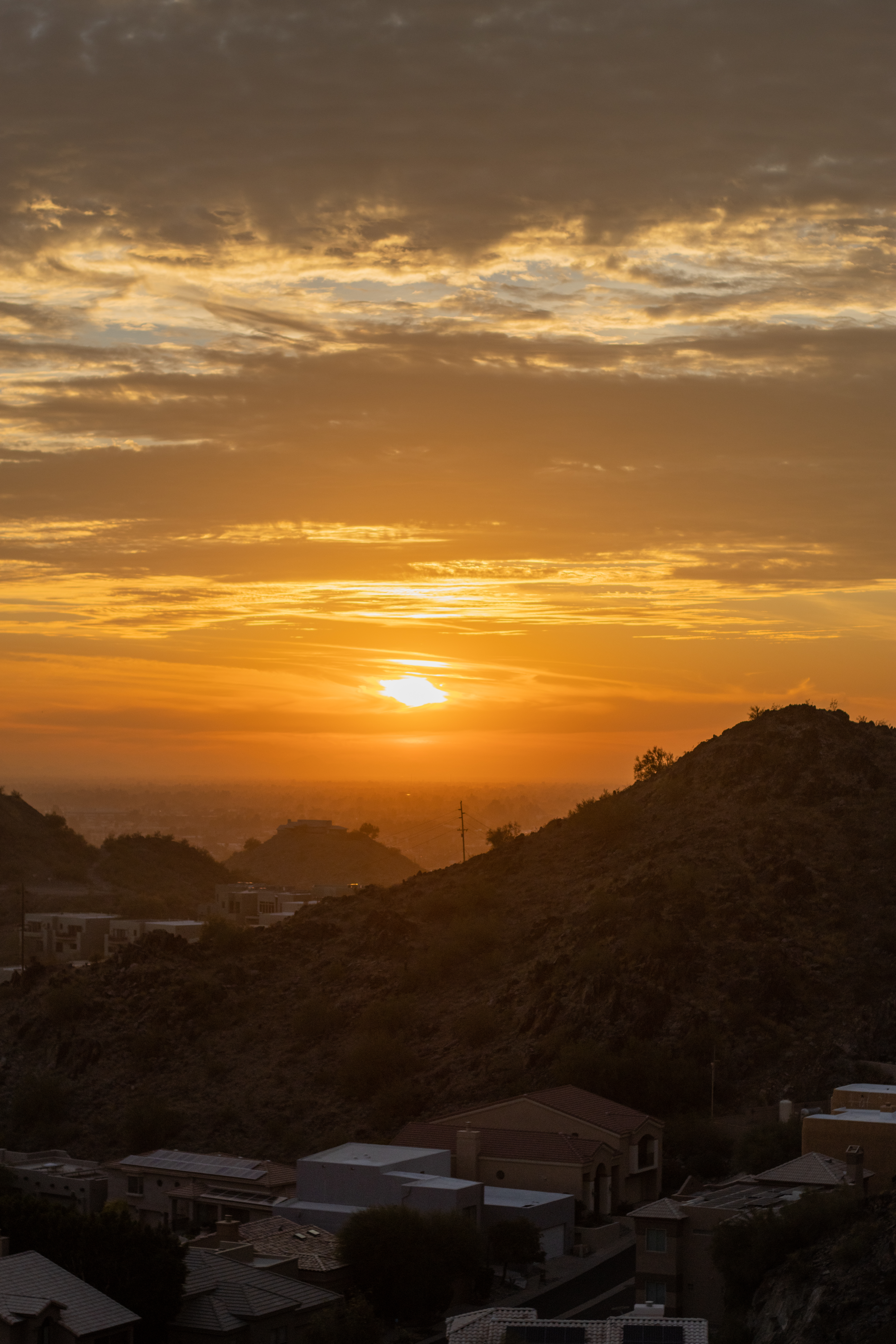
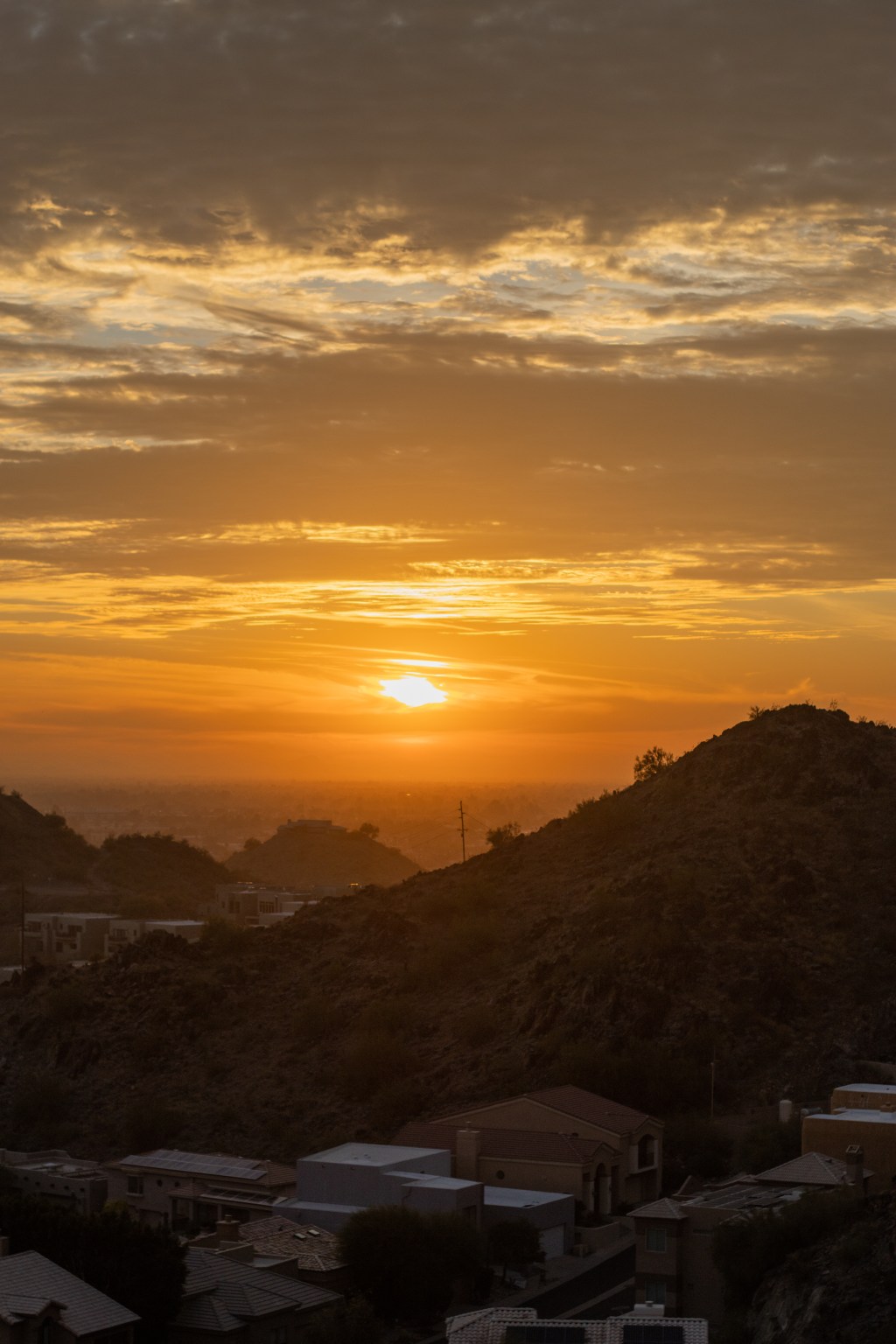
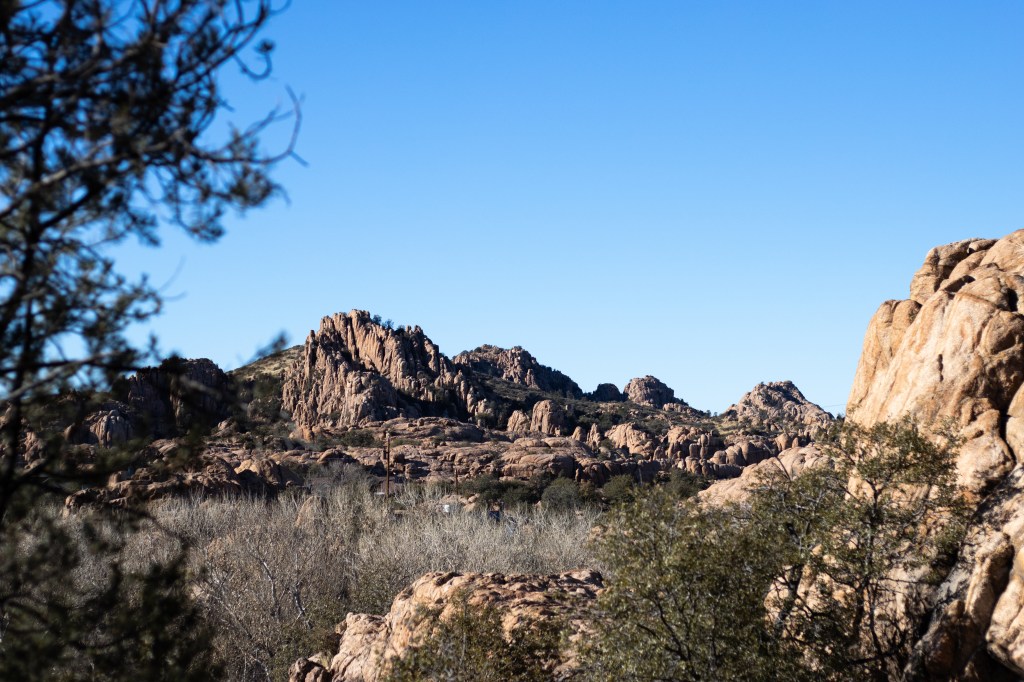
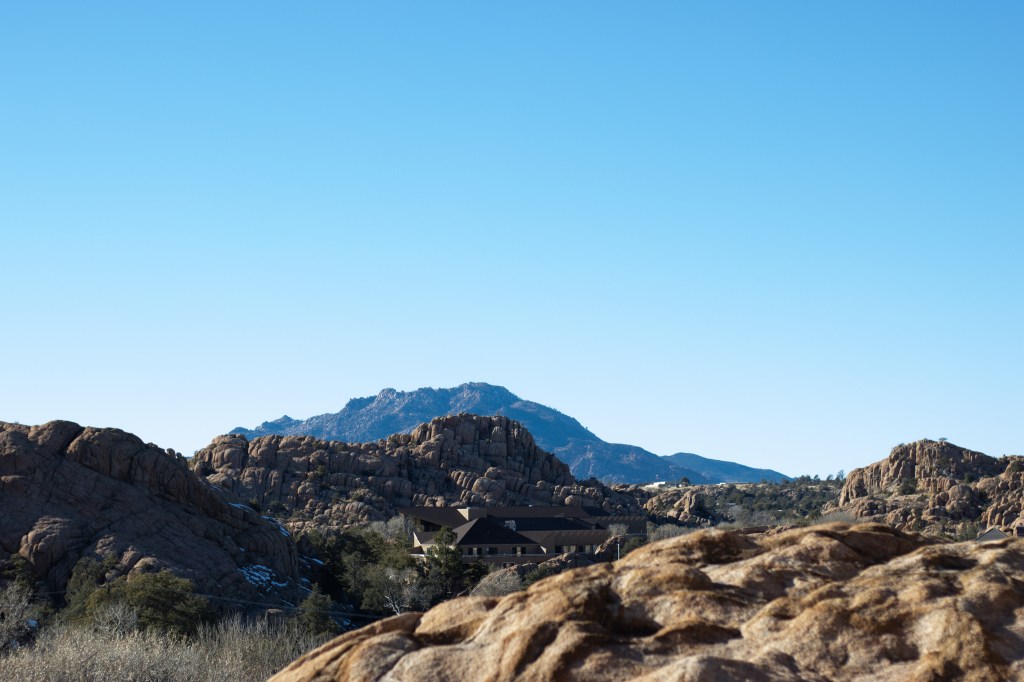
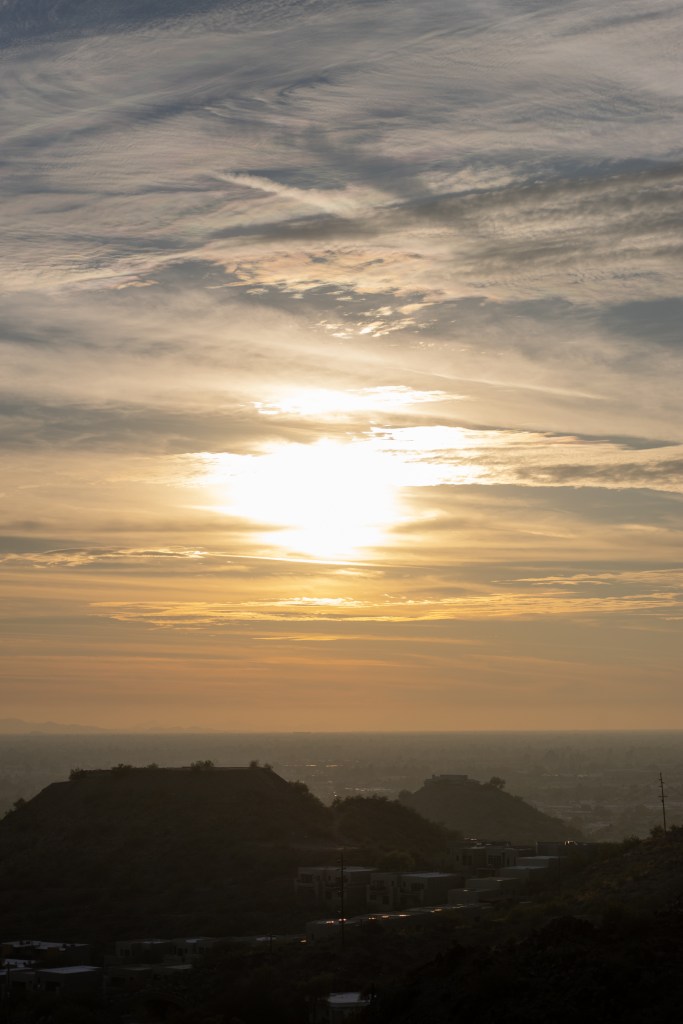
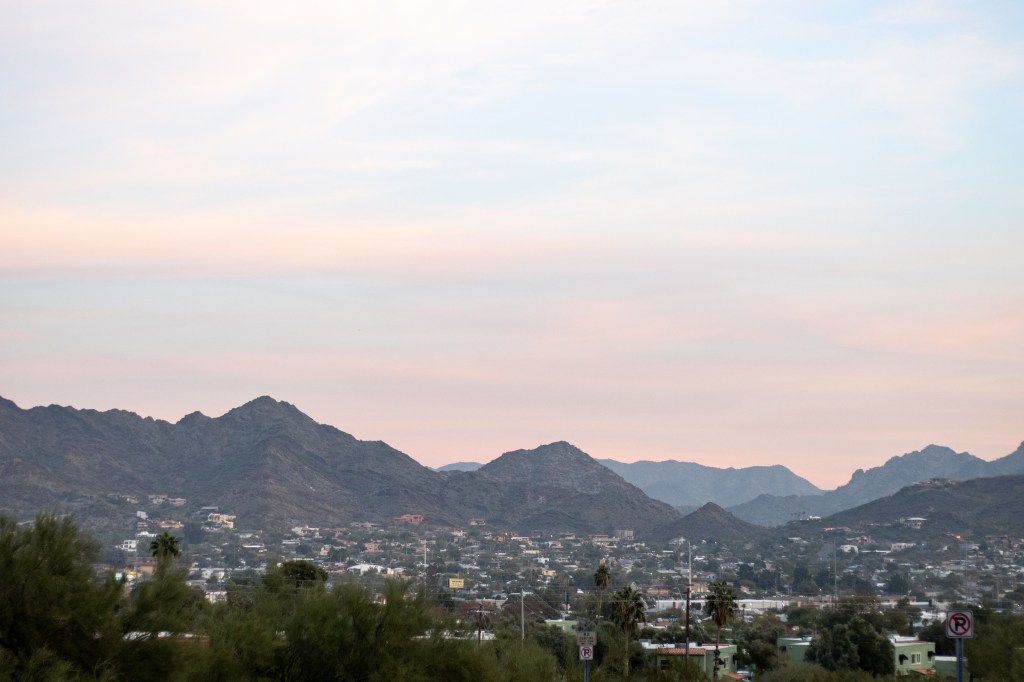
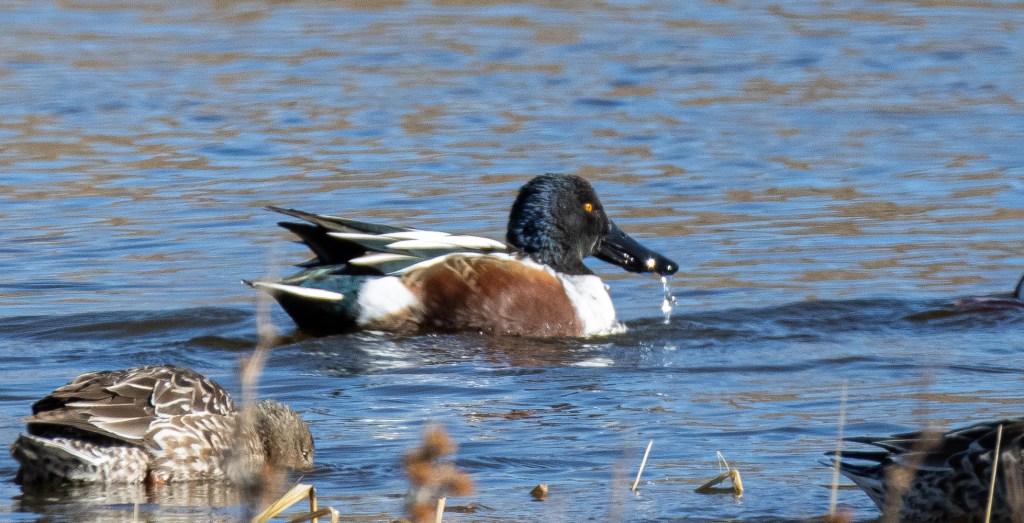
    Before the year ended, I traveled to Phoenix Arizona, to escape the dreadful snowstorm up north. During the winter season, Arizona’s weather is around mid-60s F. As for the summer, temps can reach over 100 F! During my week’s stay, I hiked a couple mountains and captured beautiful landscape shots as well as pictures of animals. I used two different lenses to photograph nature in Arizona. I used my 50mm lens for landscapes and close-up photos and my 100-400mm lens for long-distance photos.

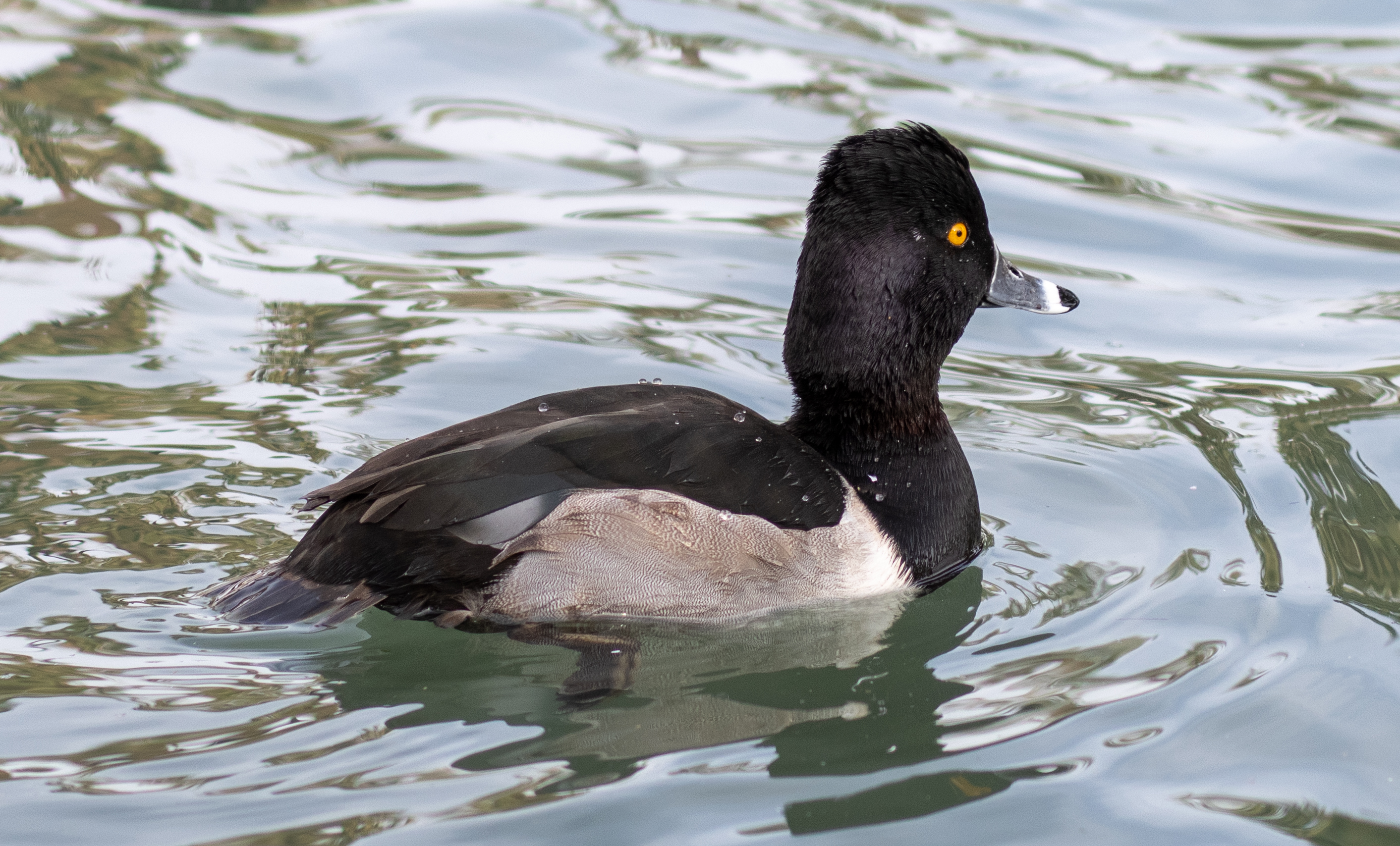
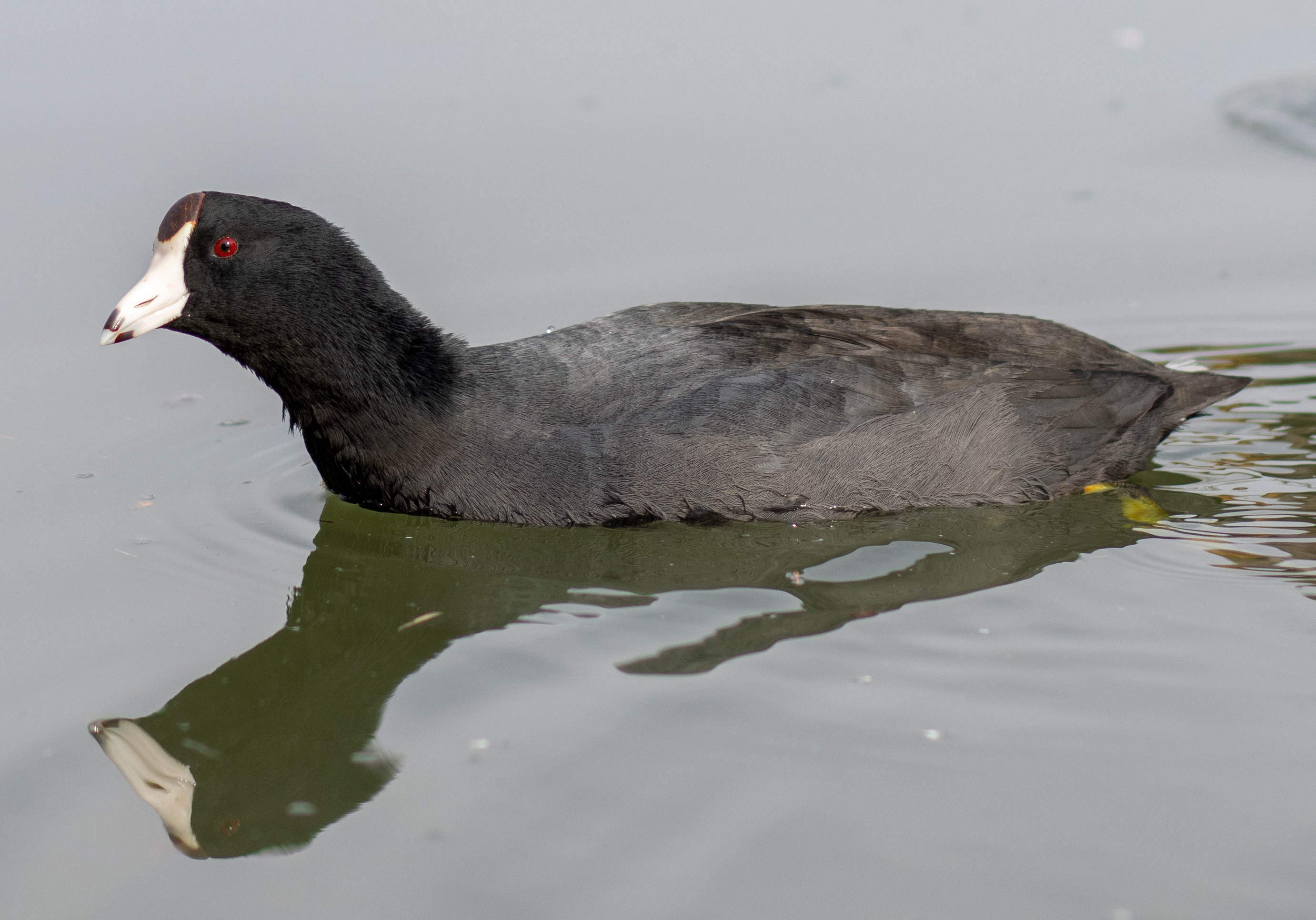
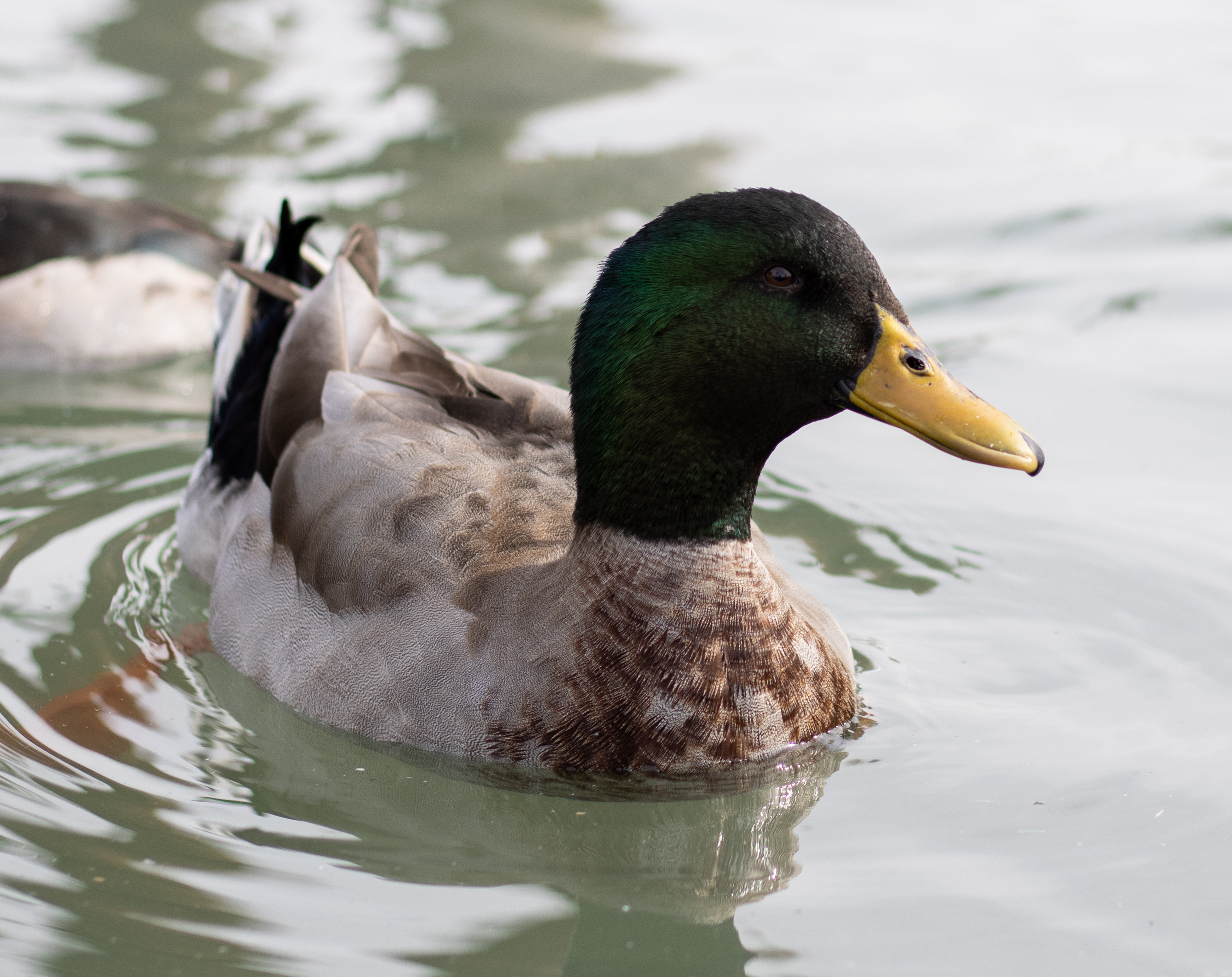
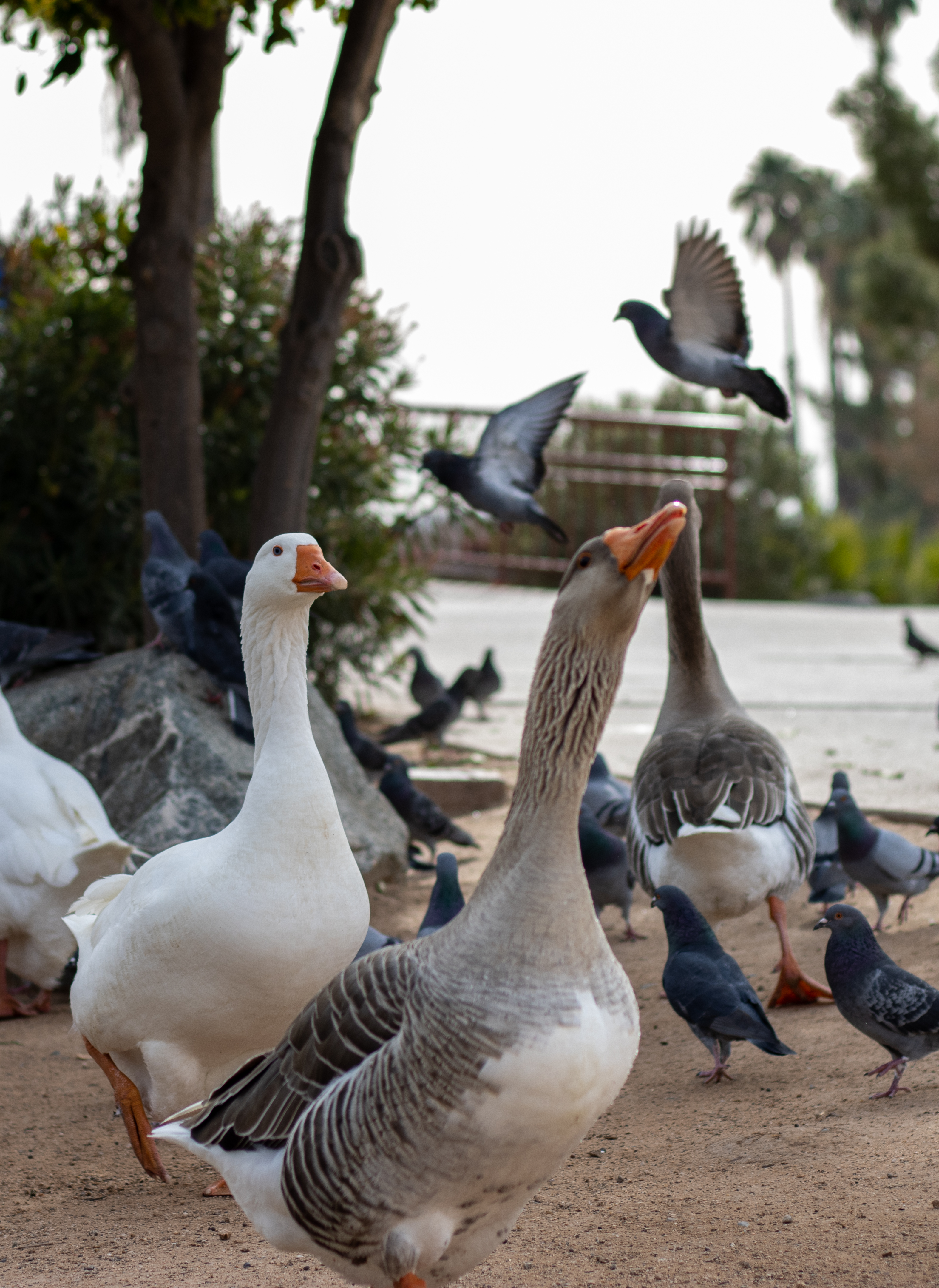
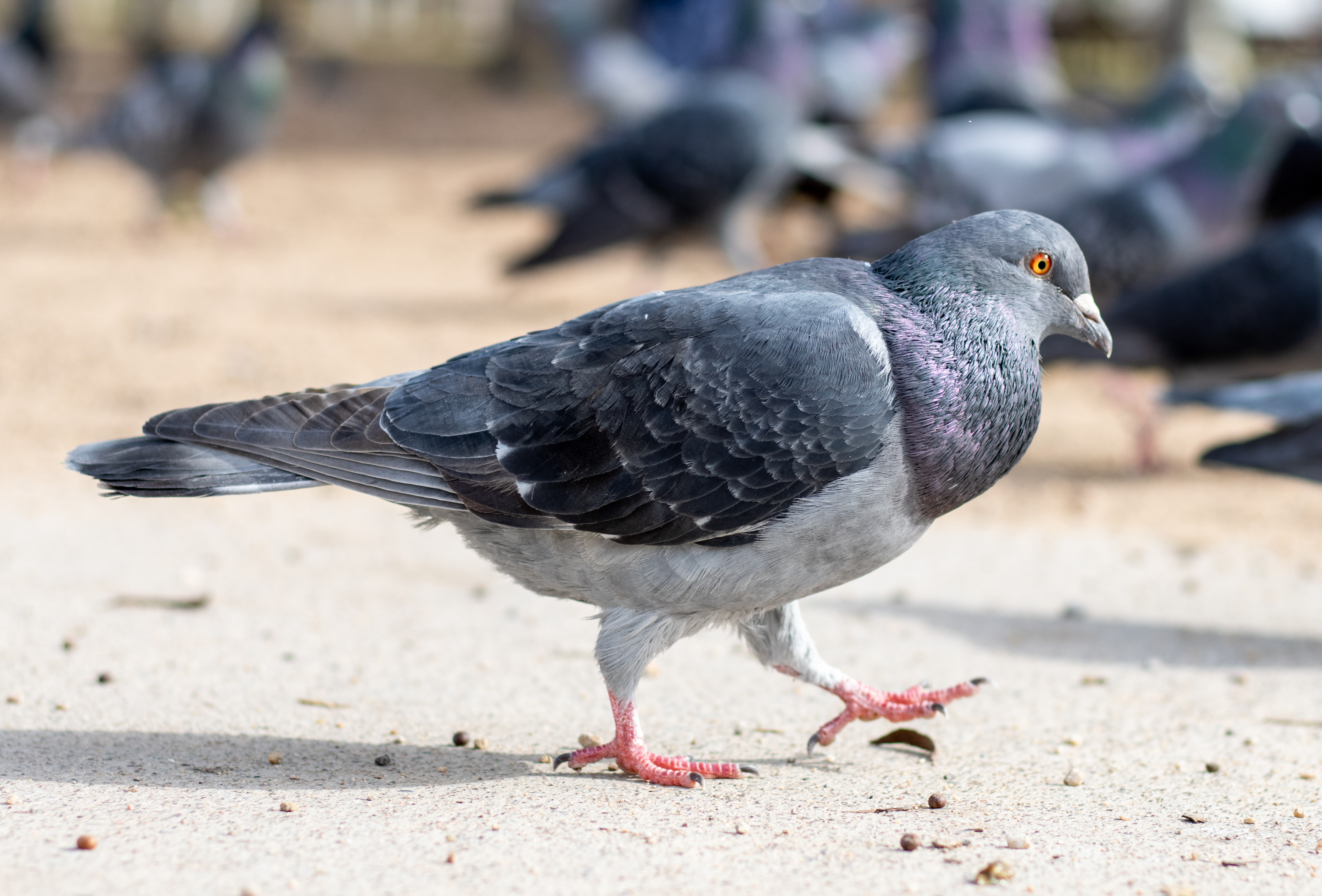
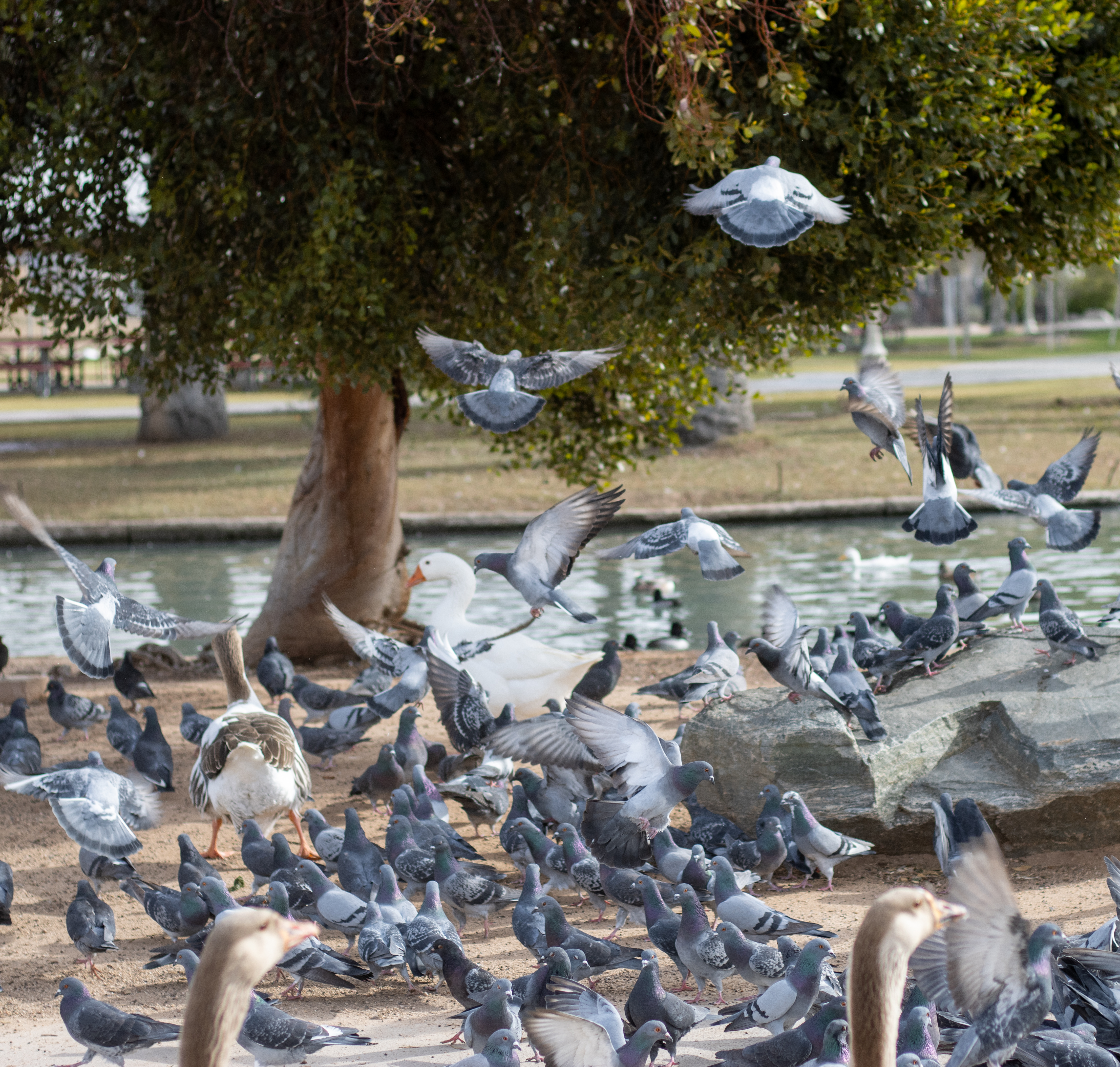
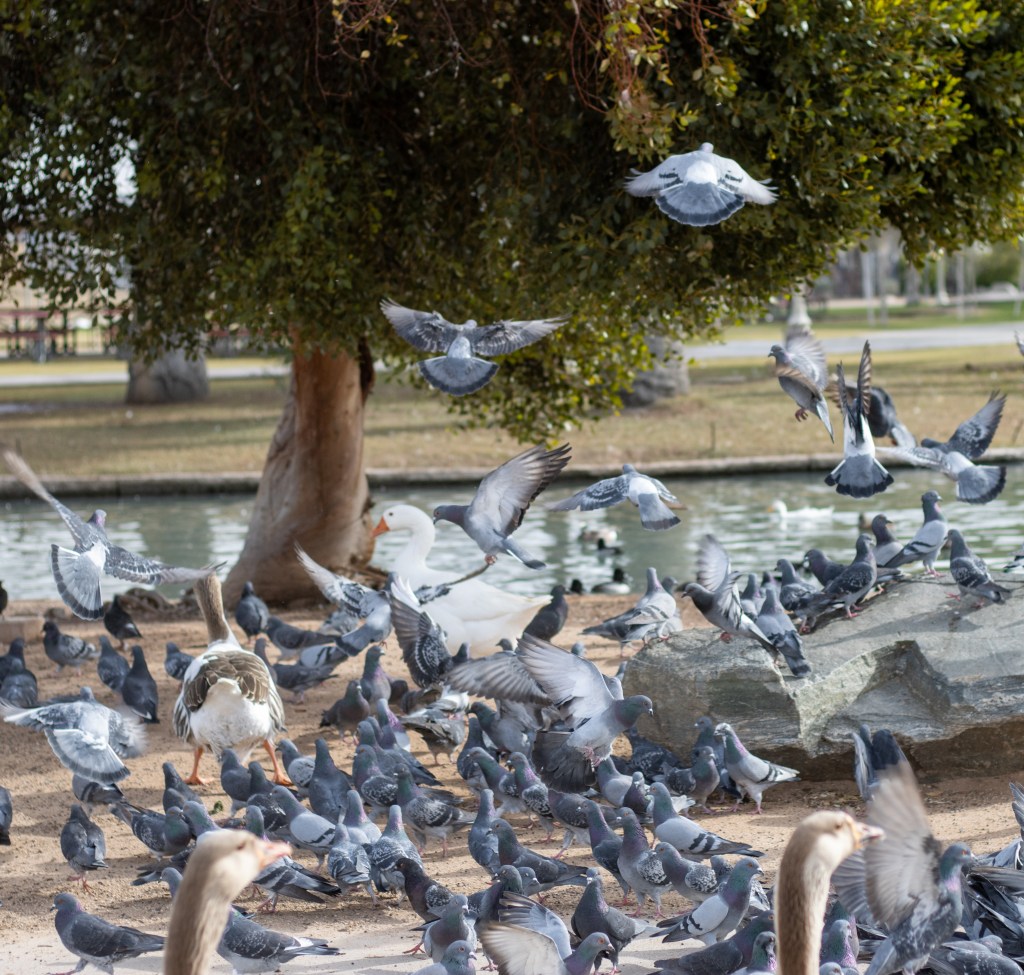
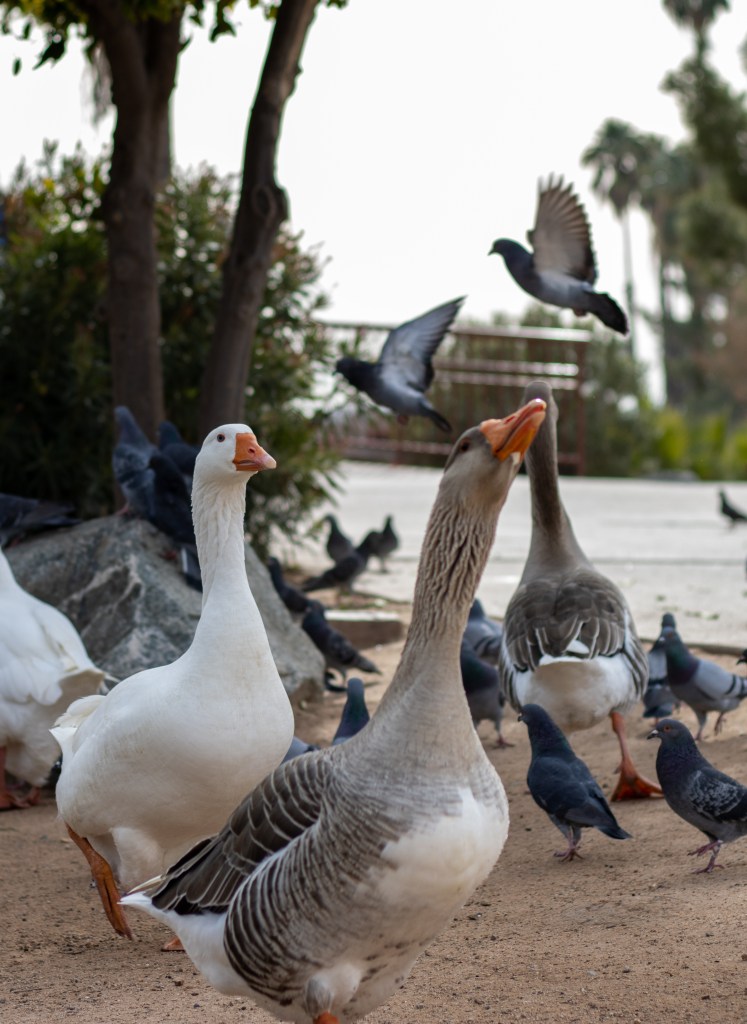
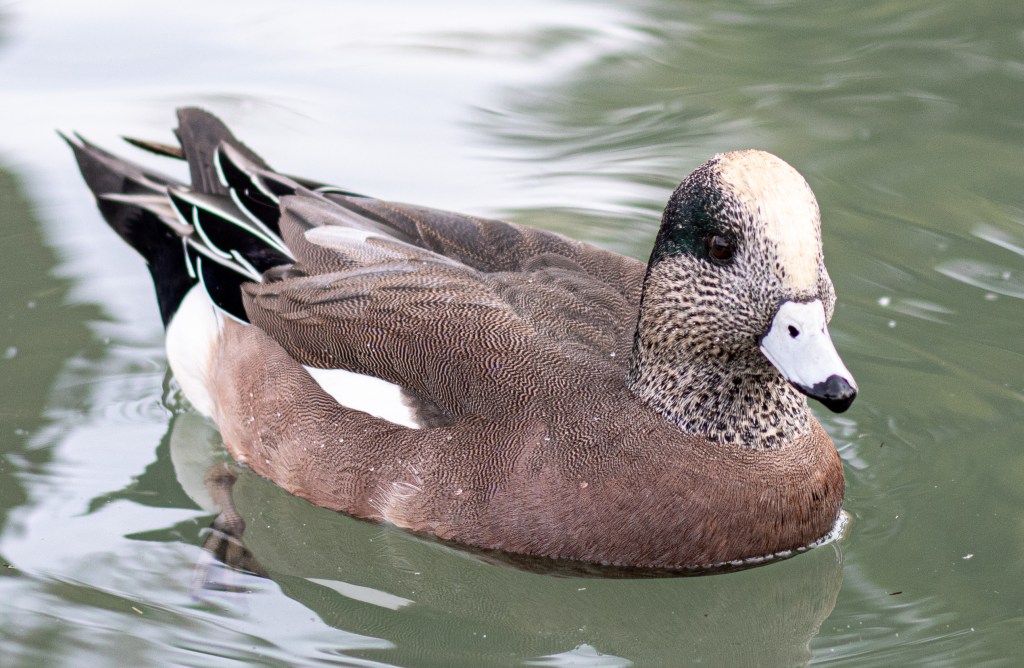
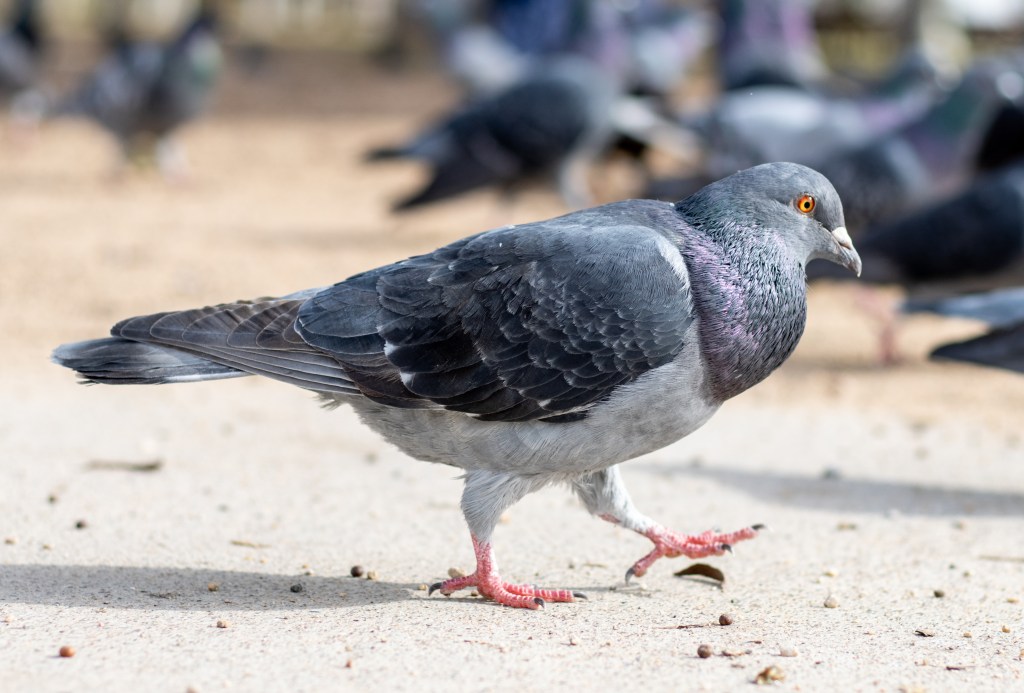
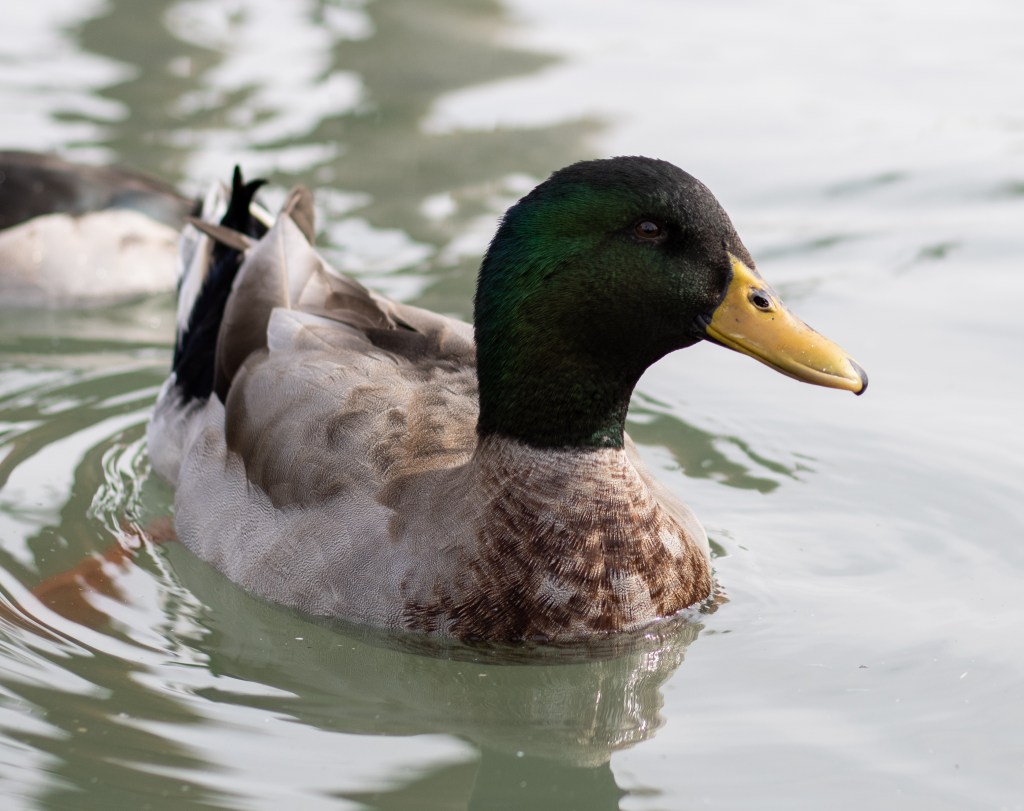
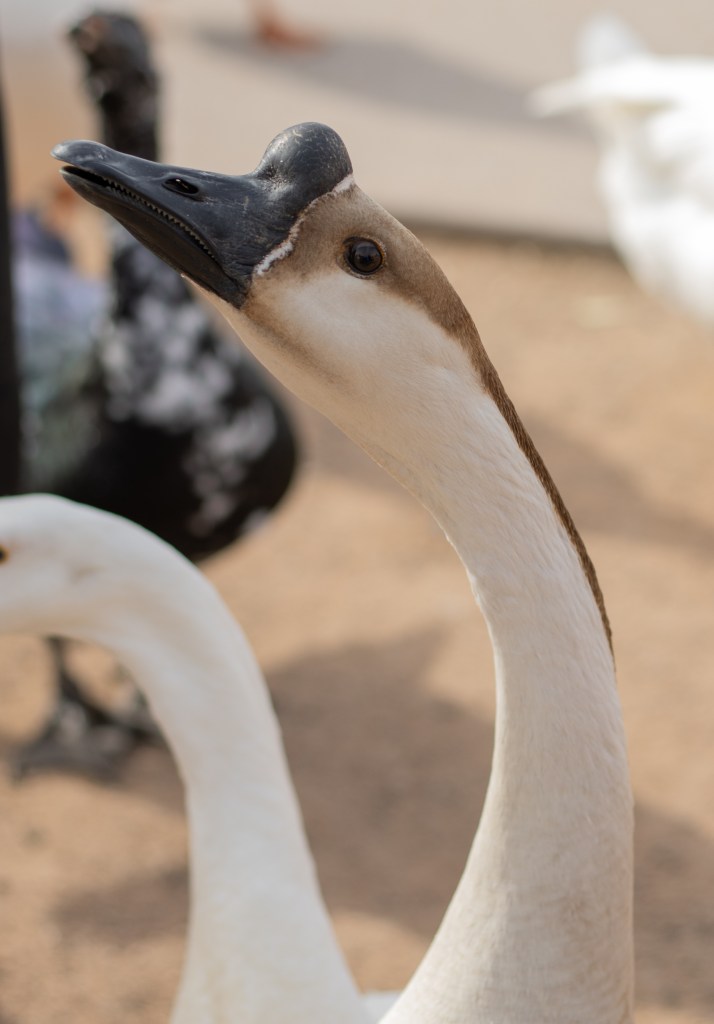
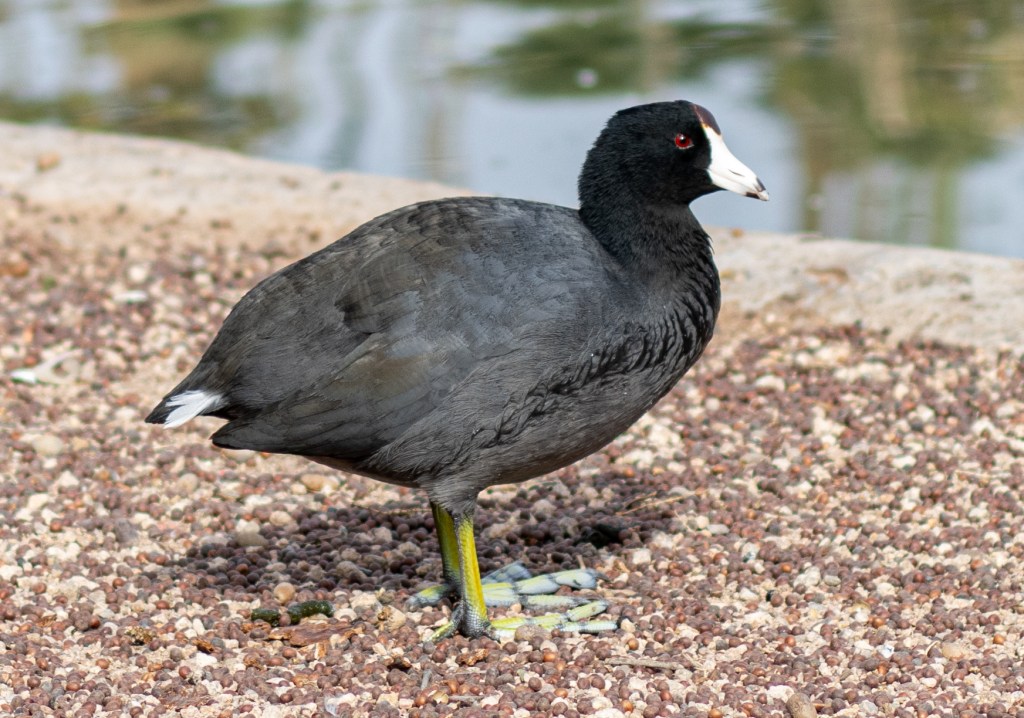
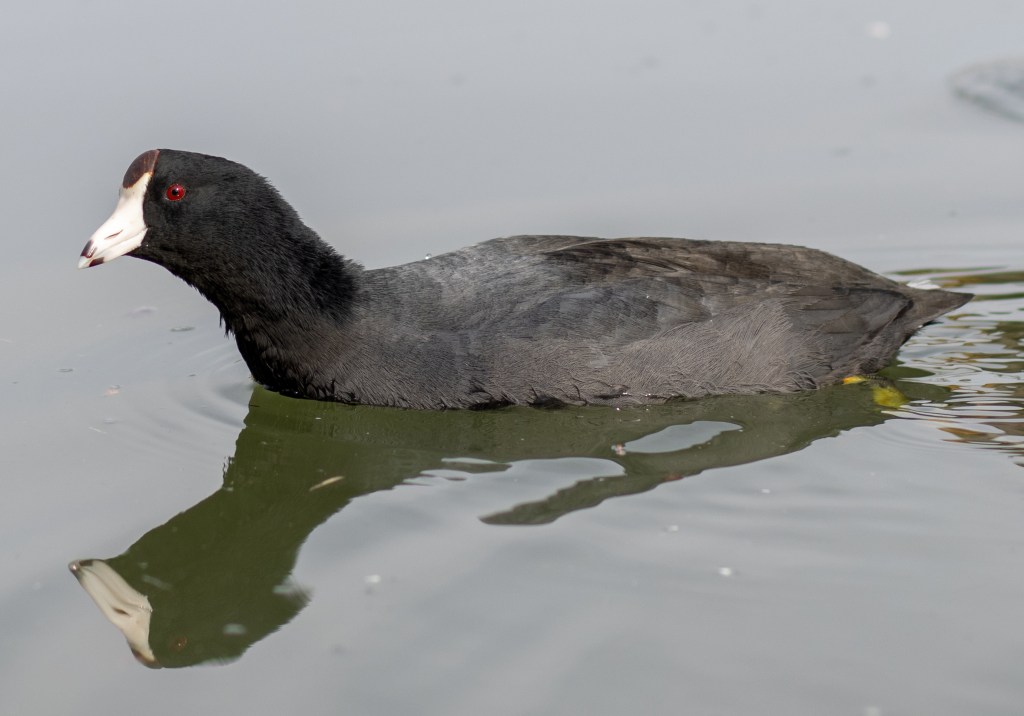
    On the very first day, I went to a park and saw about a hundred birds including Pigeons, Muscovy Ducks, American Coots, and Greylag Geese all crowding towards people who were feeding them. It was a sight to see all right! About a hundred birds swarmed the area.

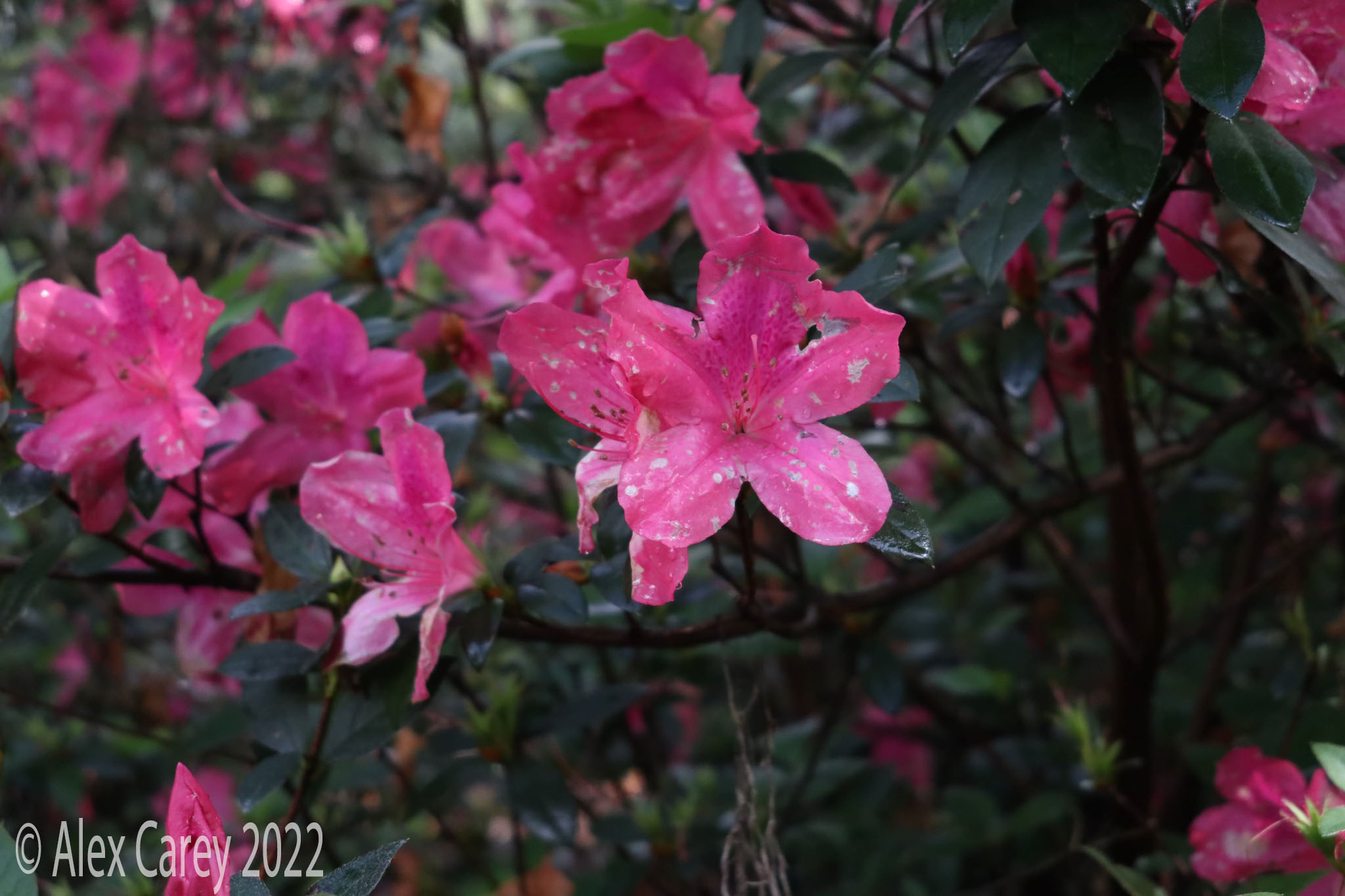
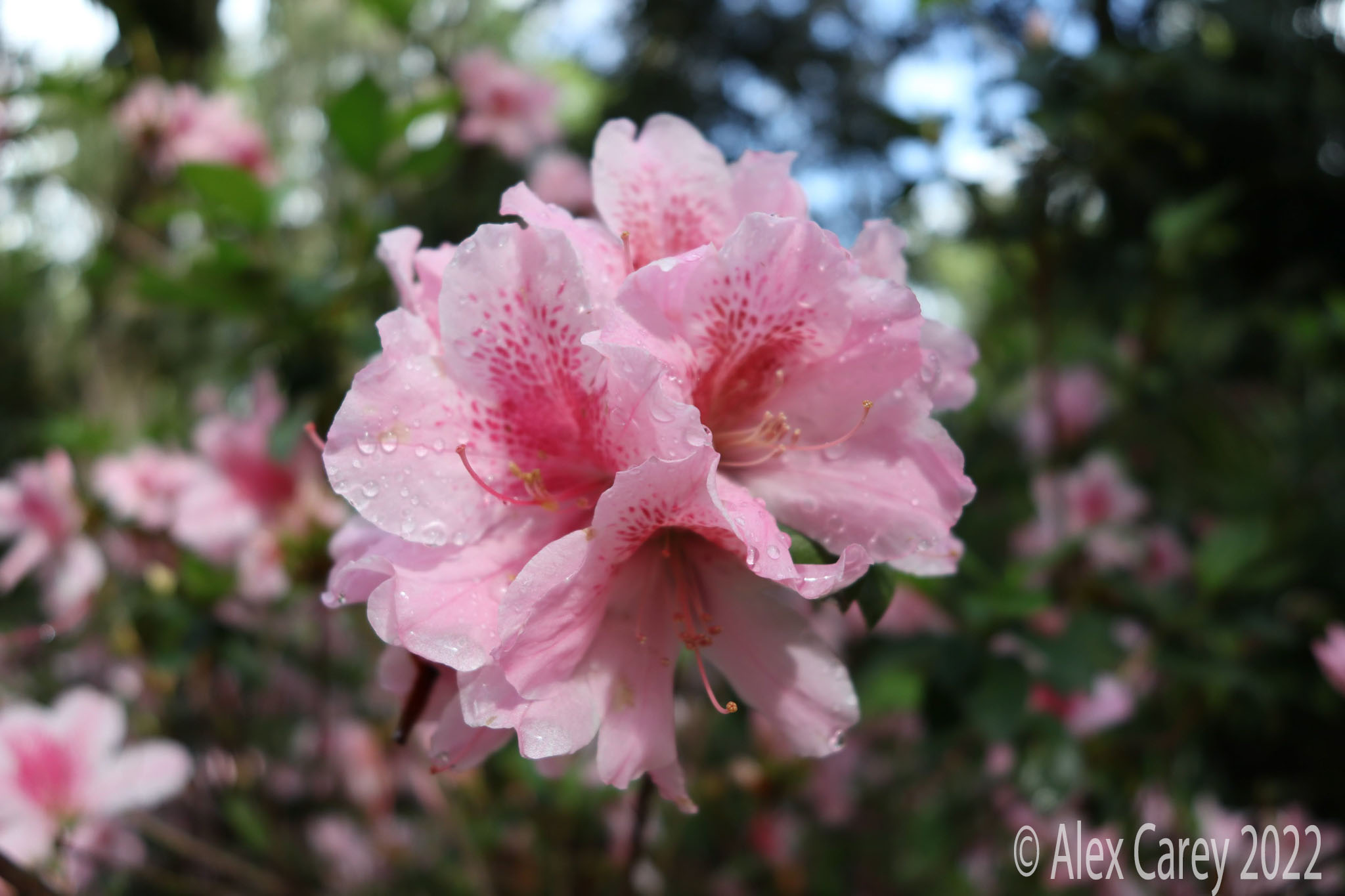
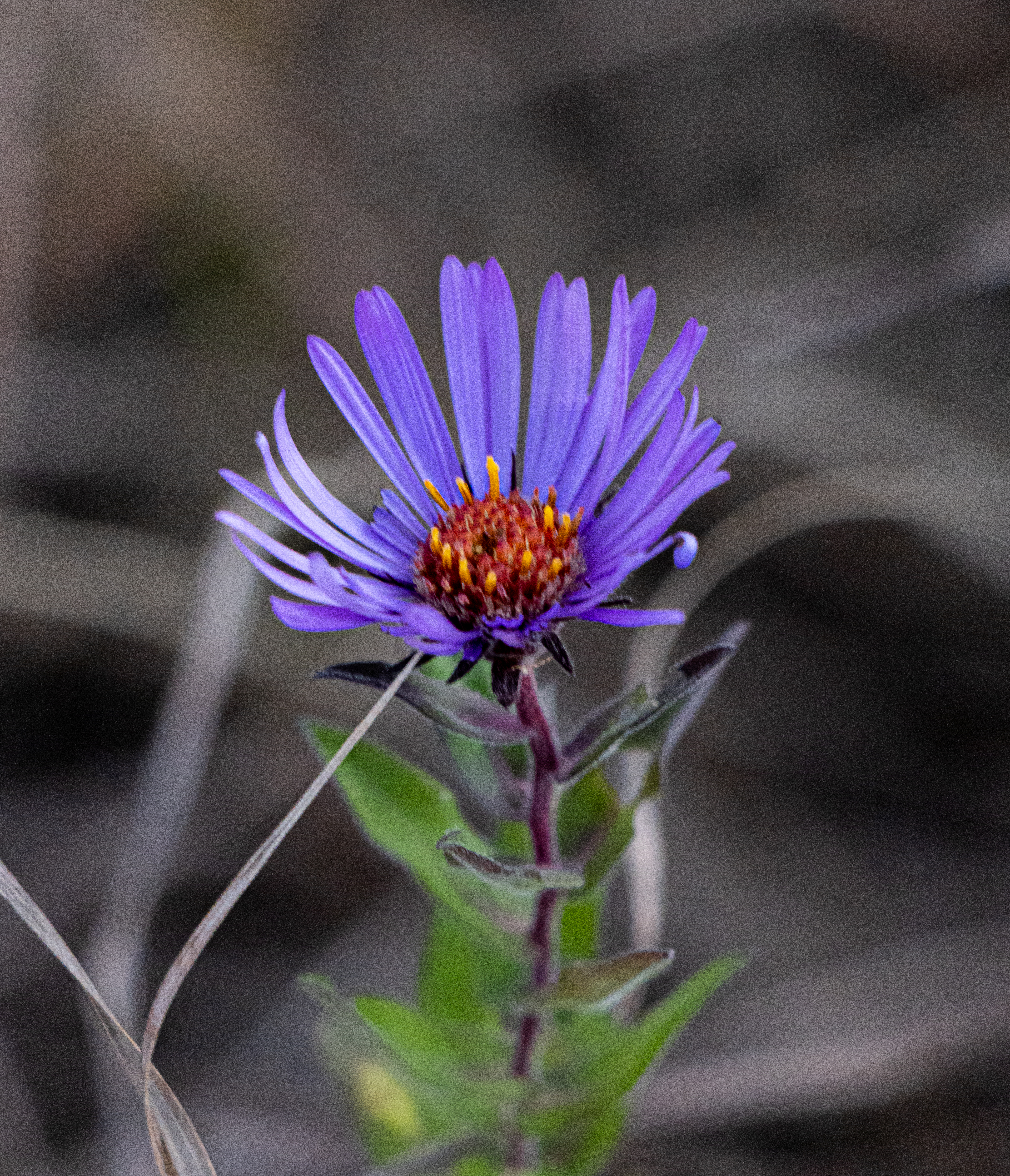
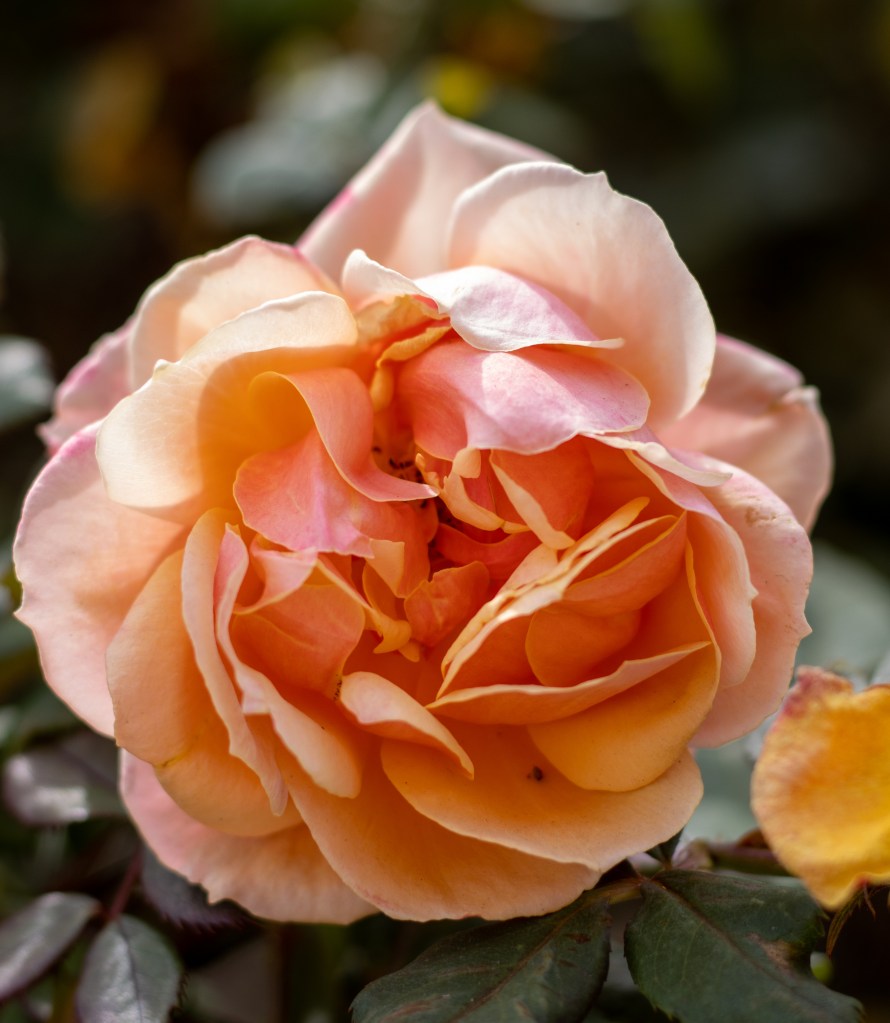
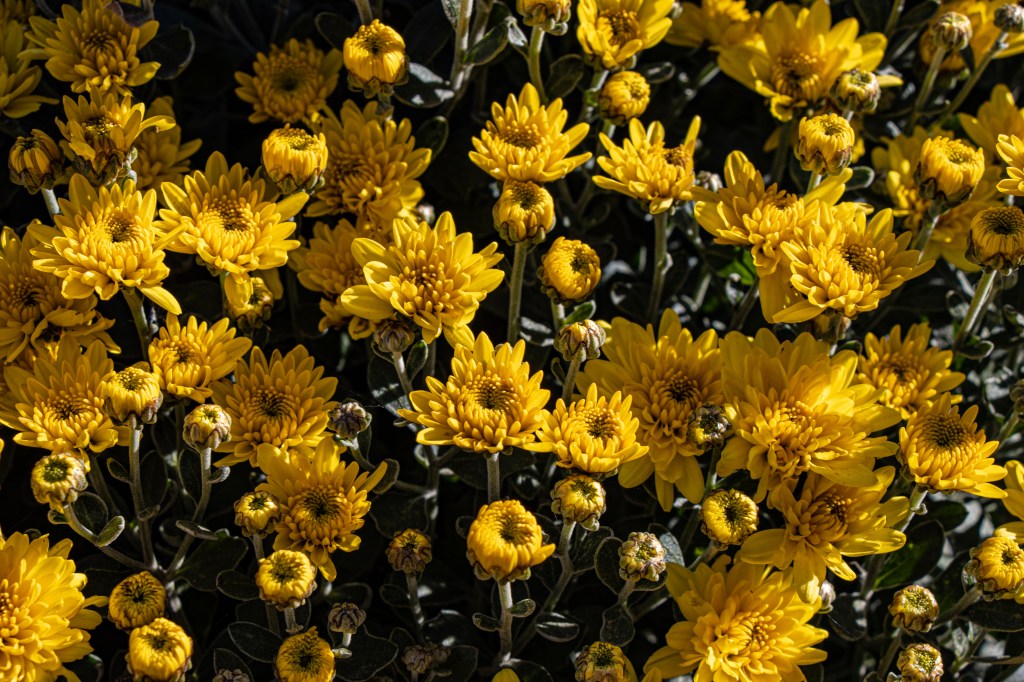
    A fun fact about Greylag Geese is that, unlike other geese that migrate and are seen in the wild, they are domestic and seen at parks. I took a few pictures of the colorful flowers as well.

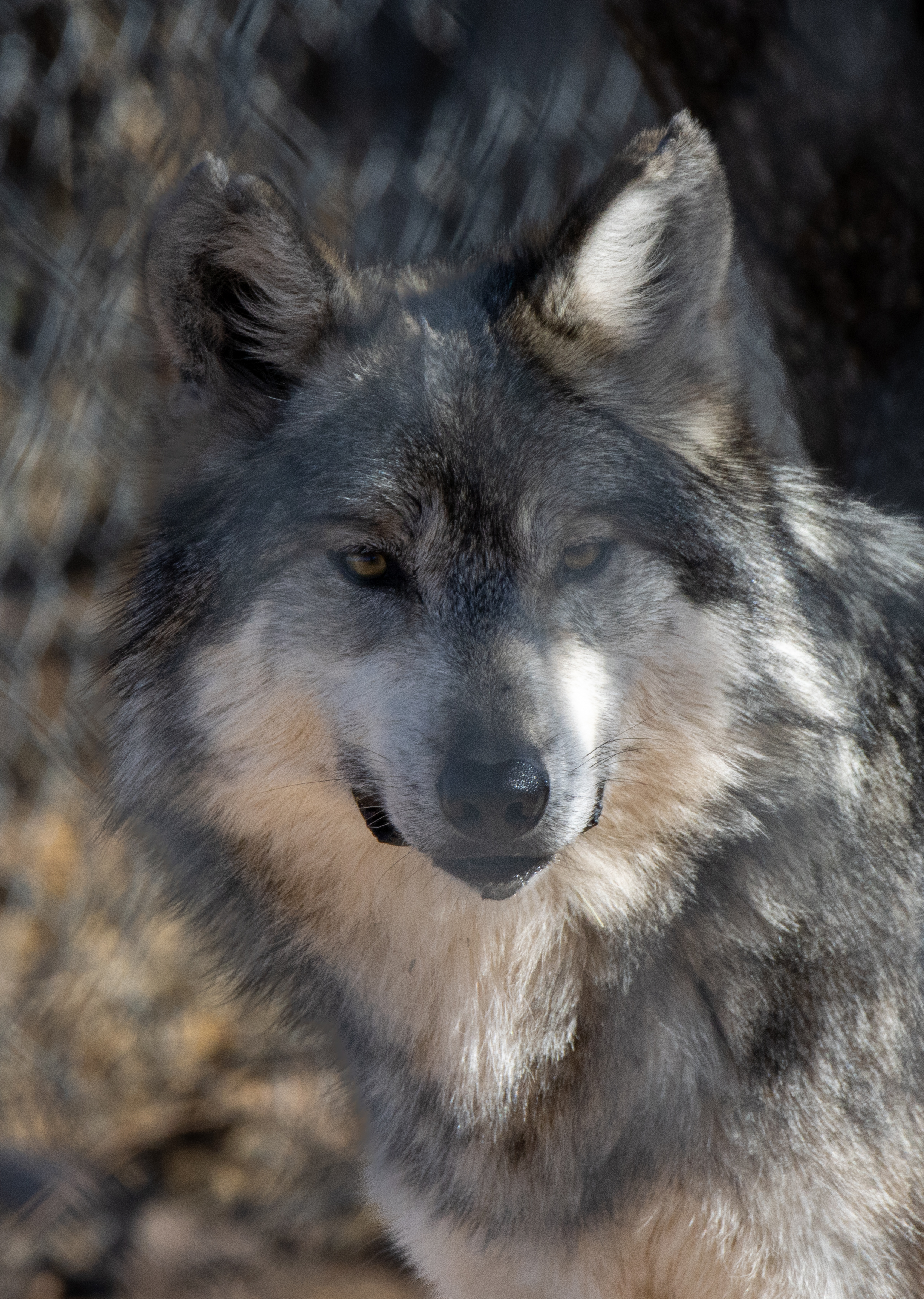
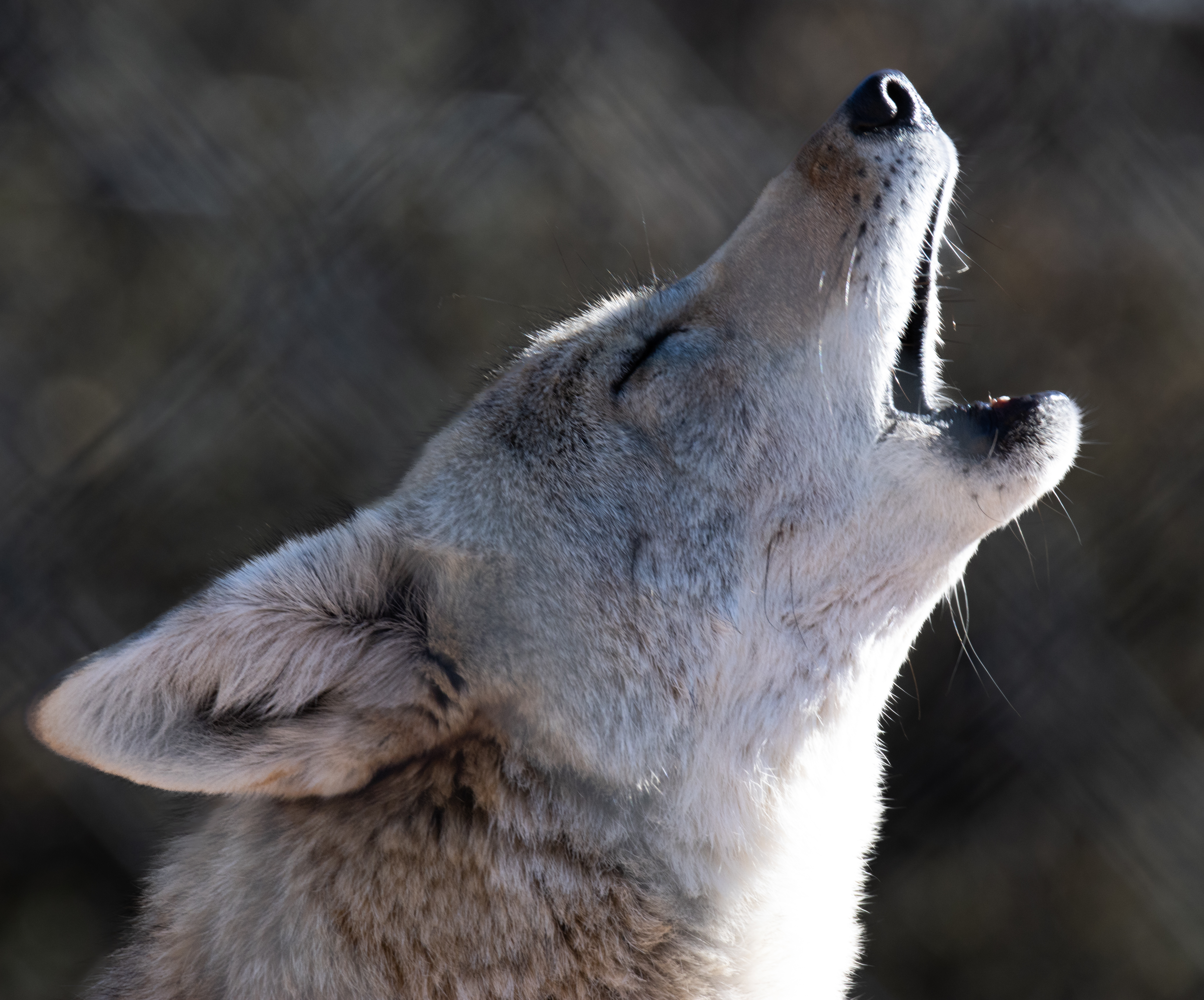
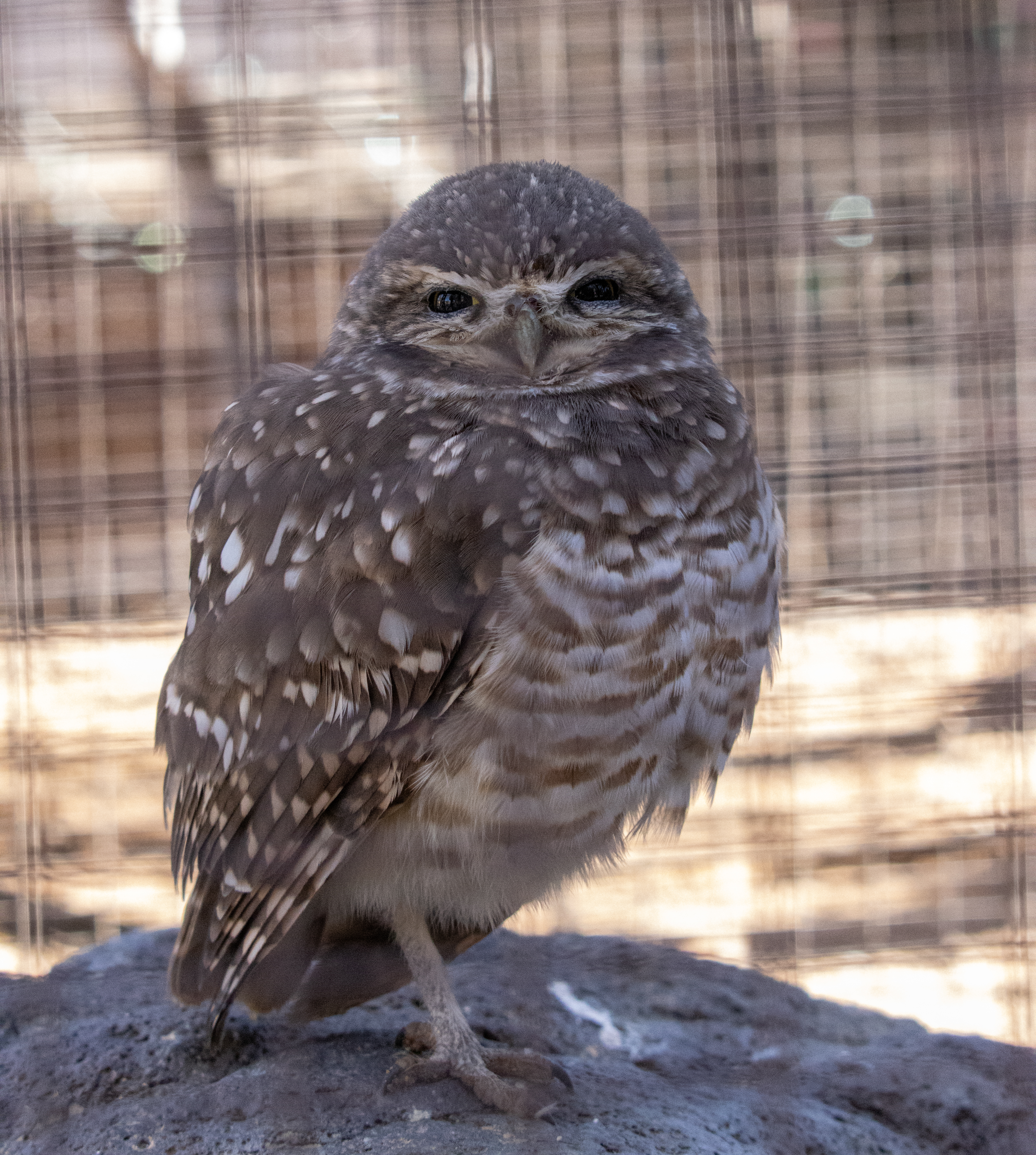
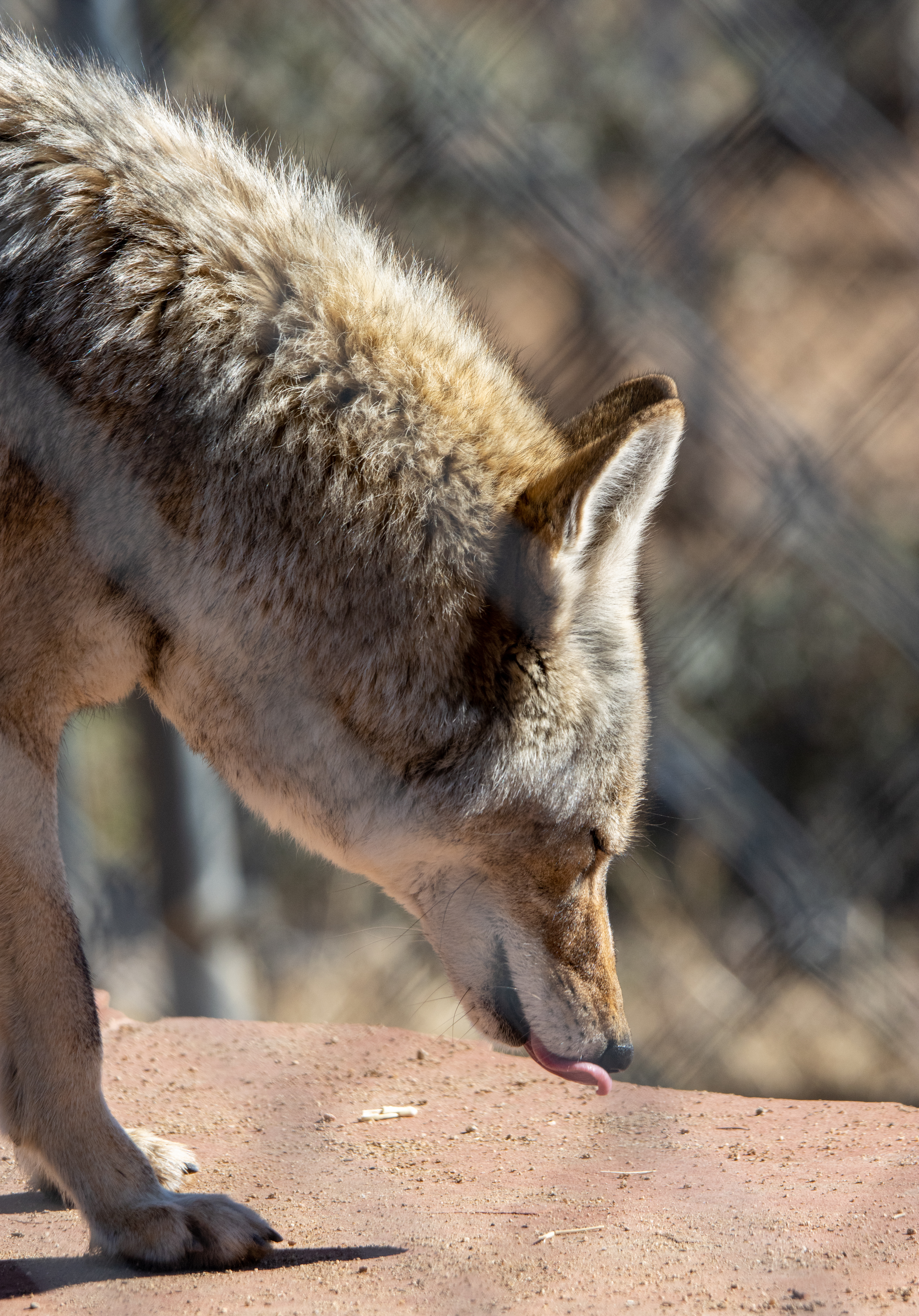
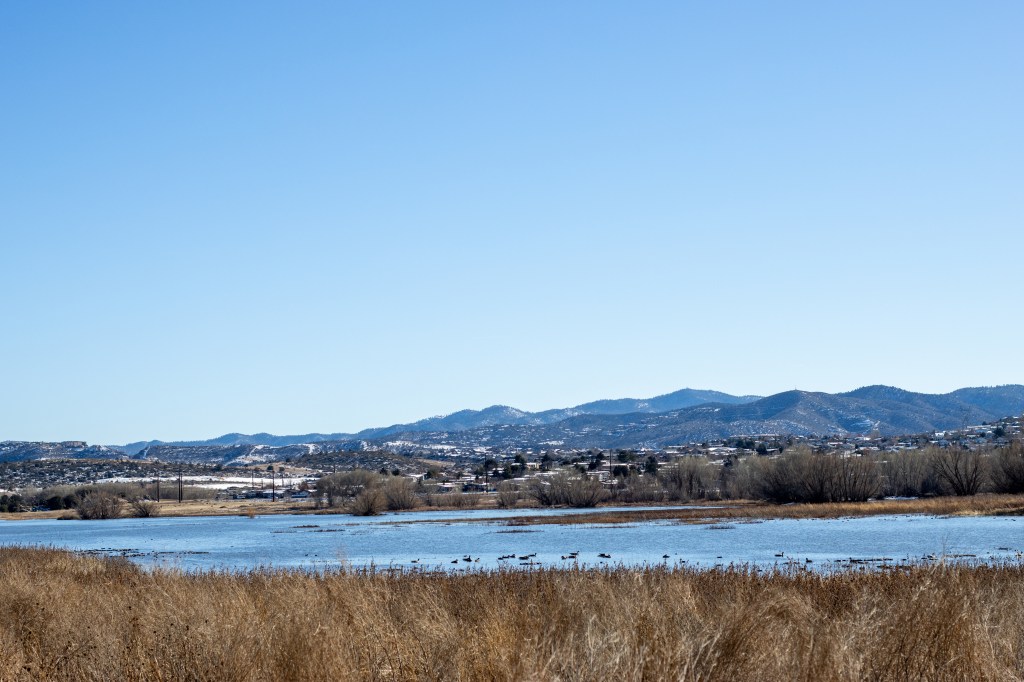
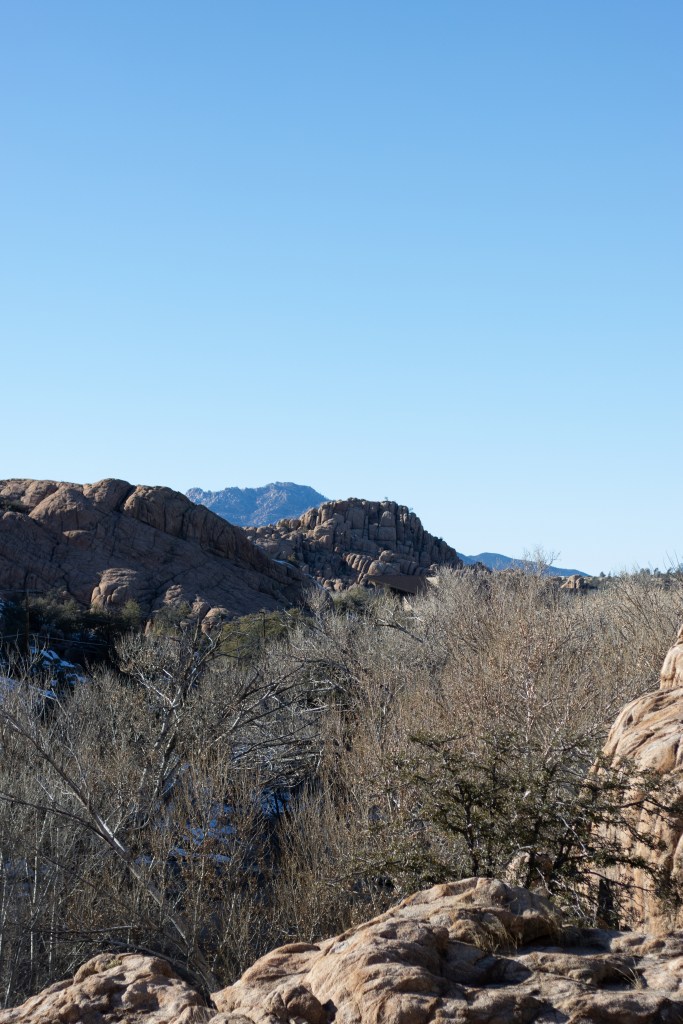
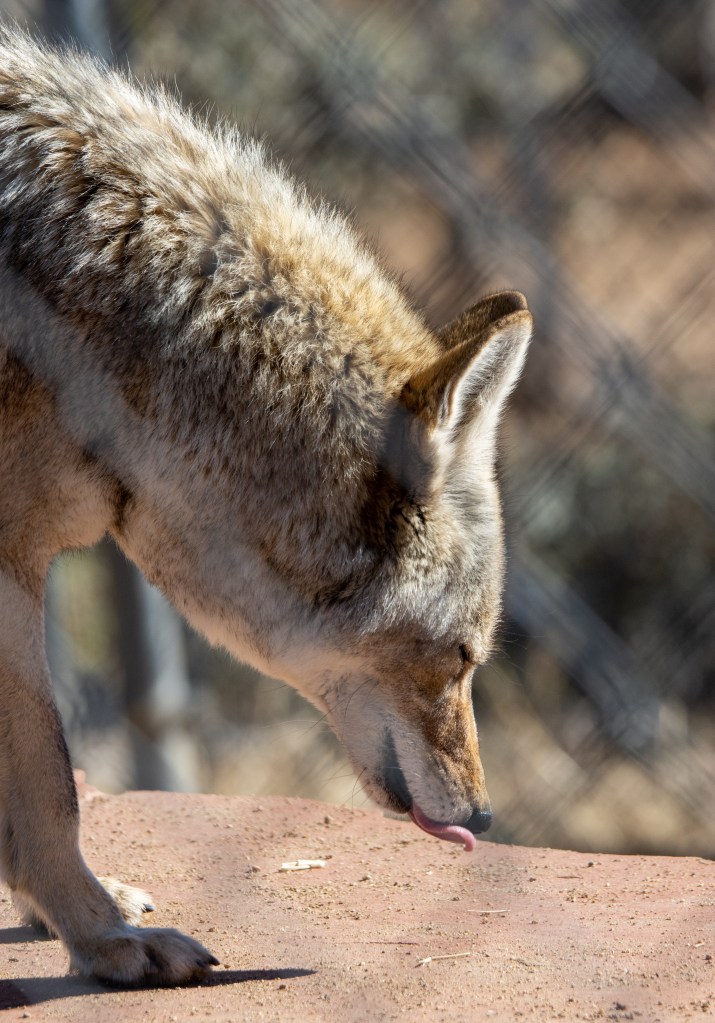
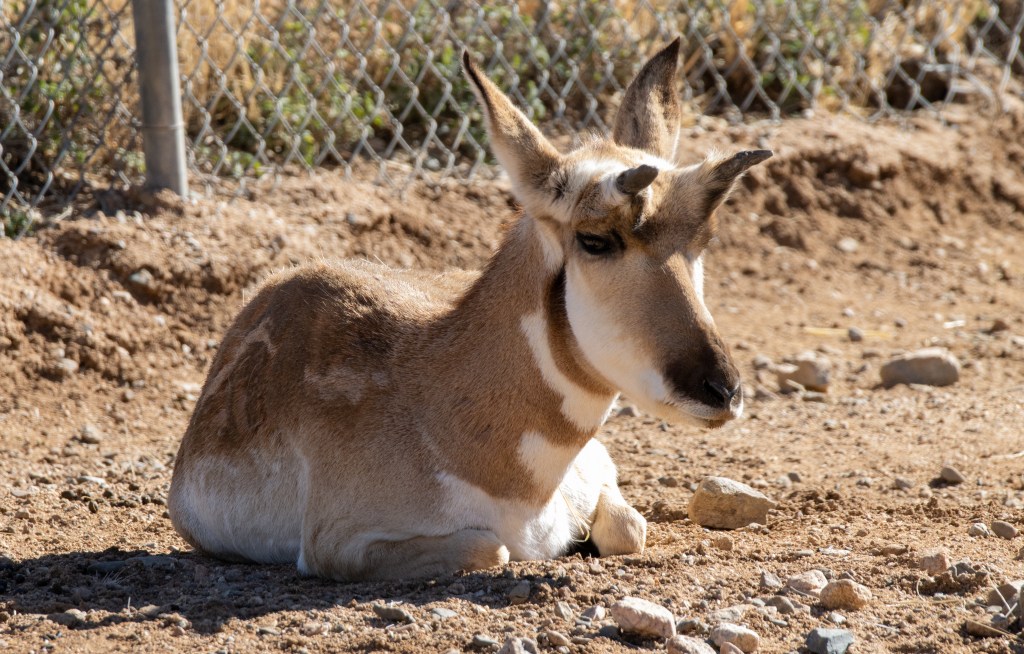
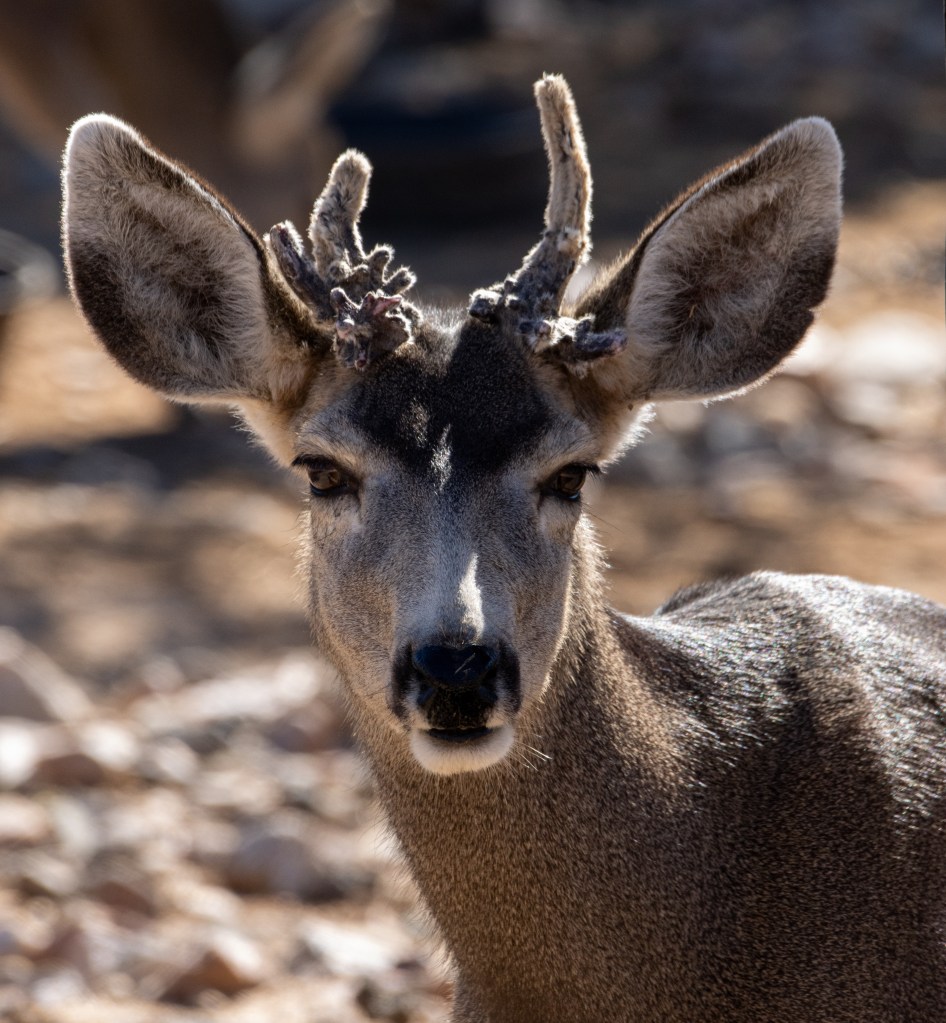
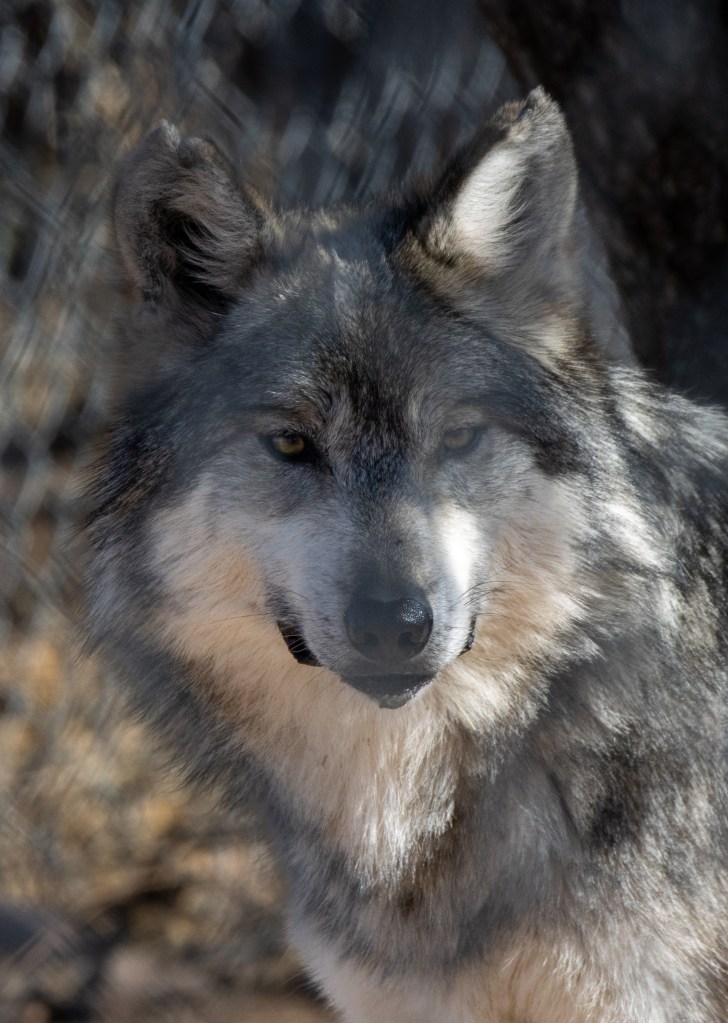
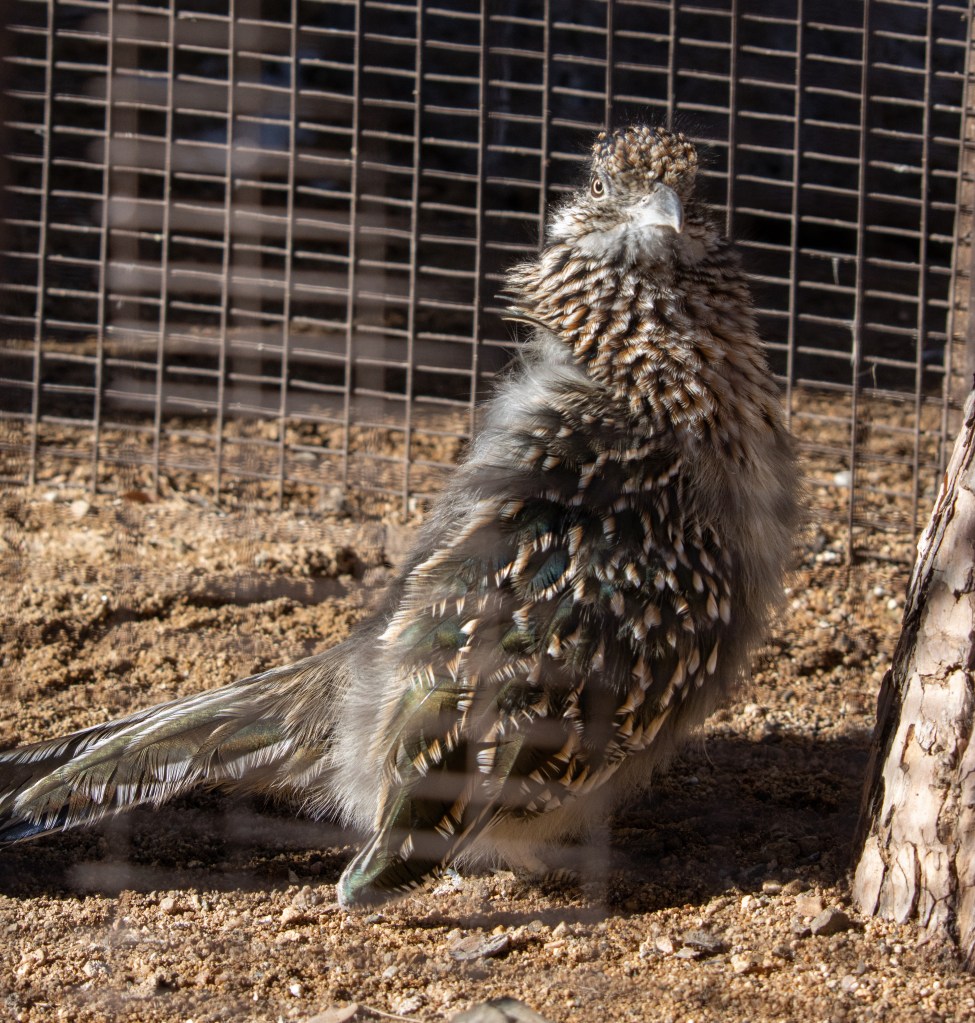
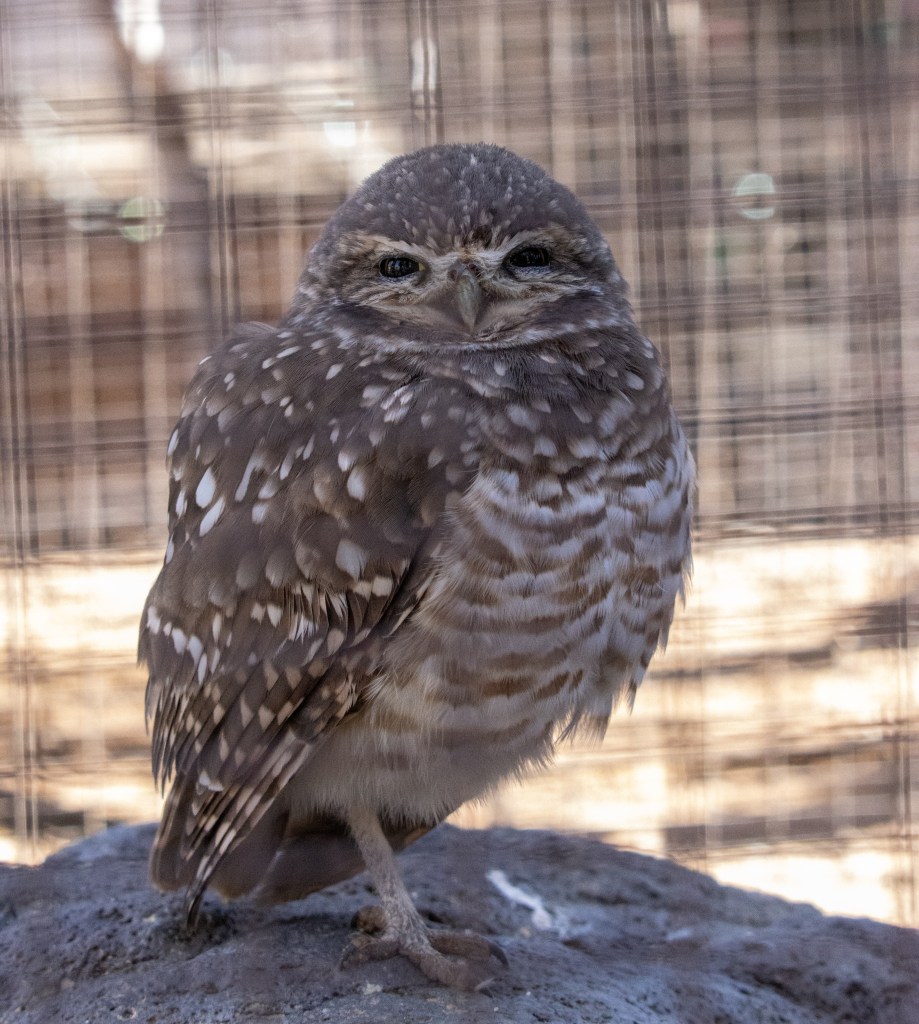
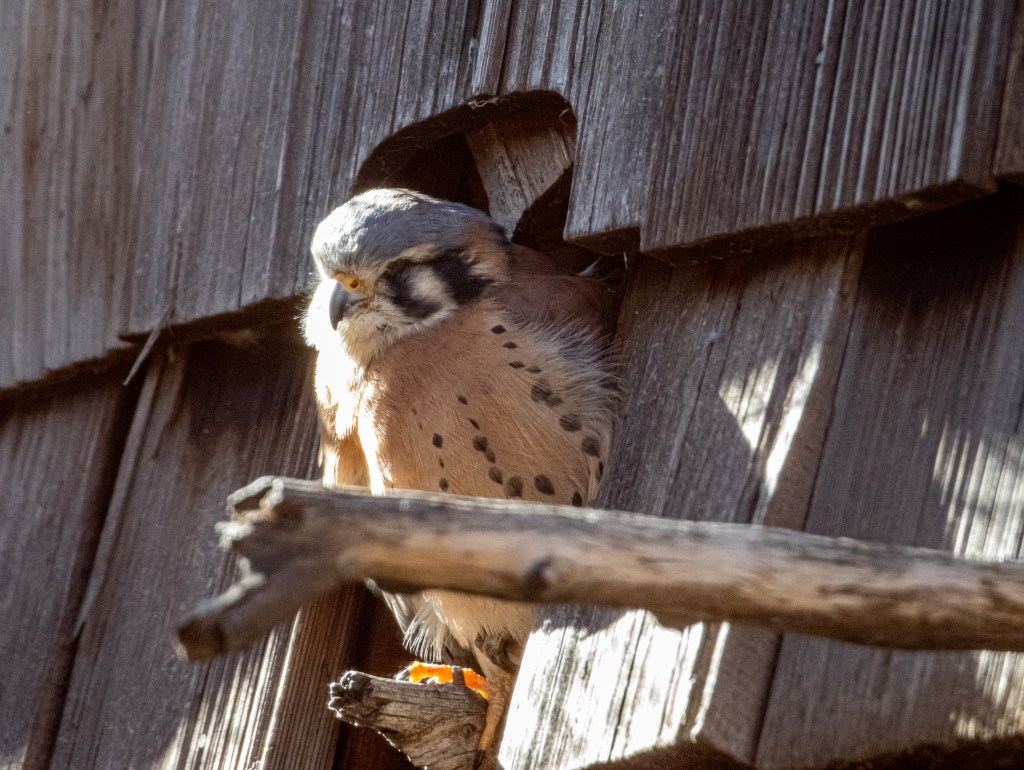
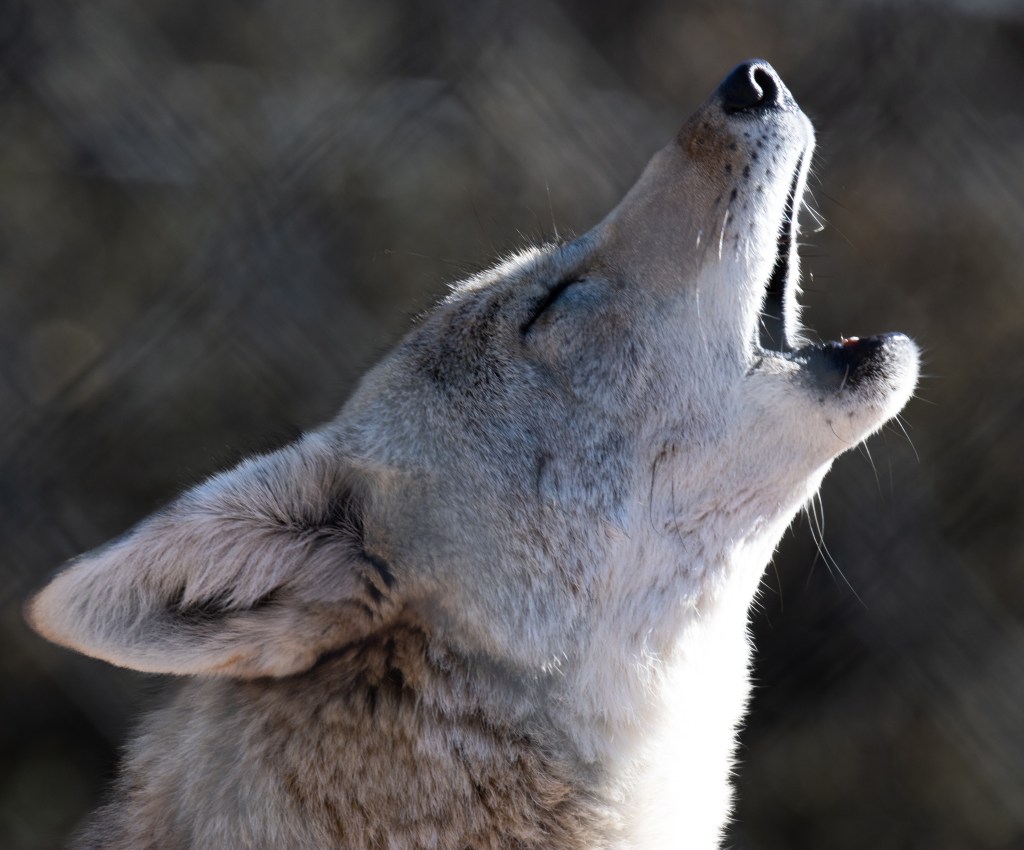
    On another day, I went to Heritage Park Zoological Sanctuary in Prescott Arizona. There were several animals that were fascinating and interesting. When I was getting pictures of the coyote, it started communicating with another one.

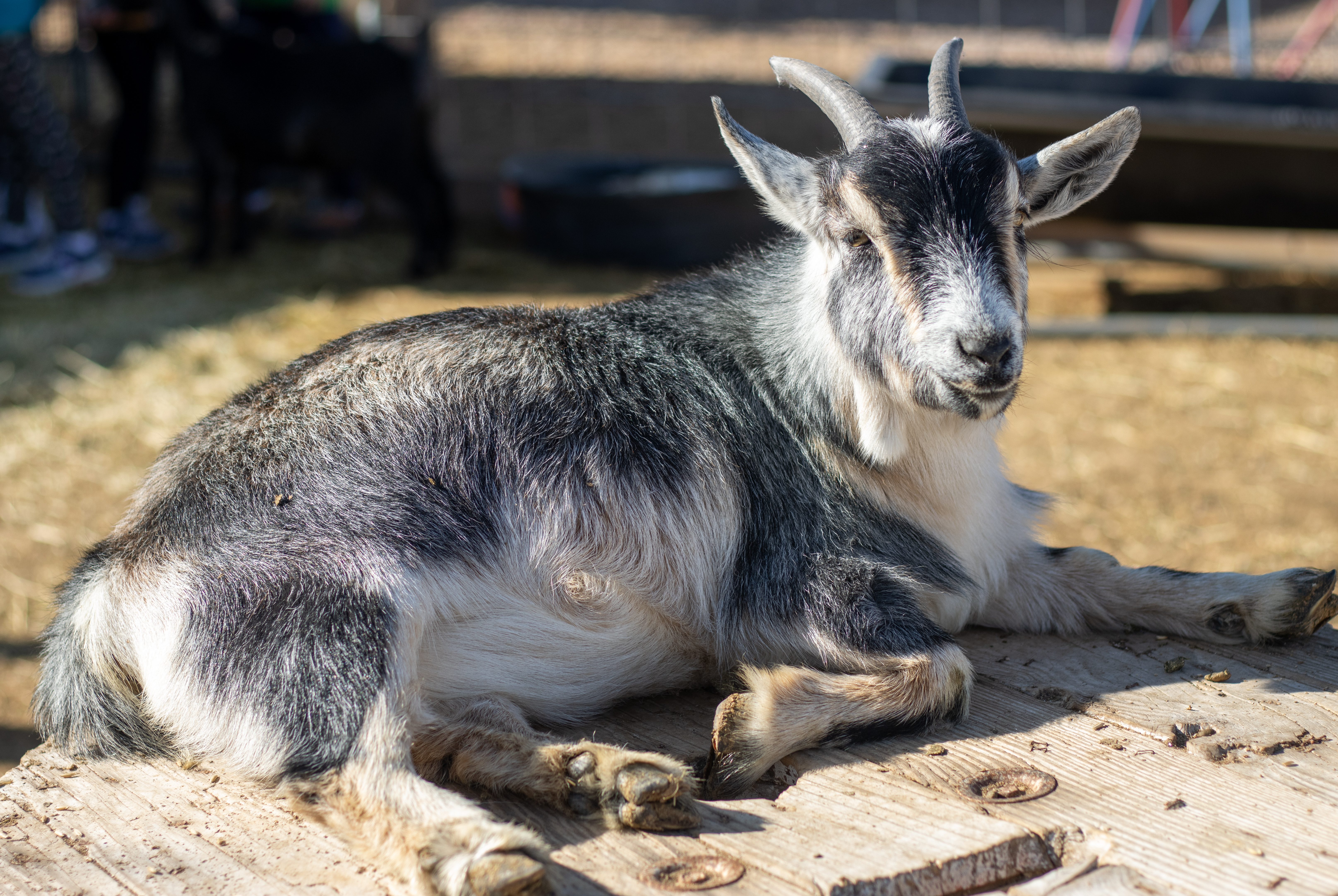
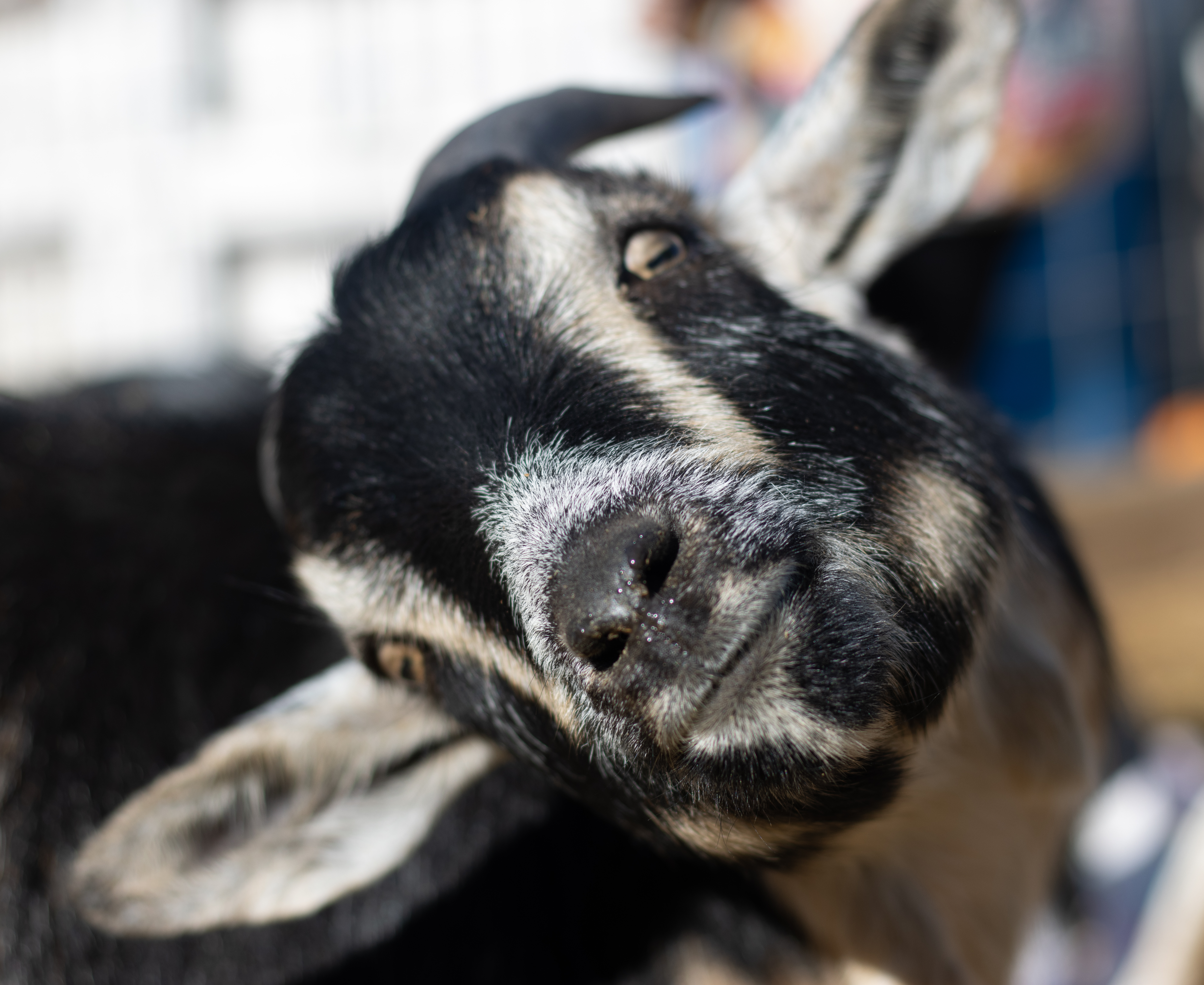
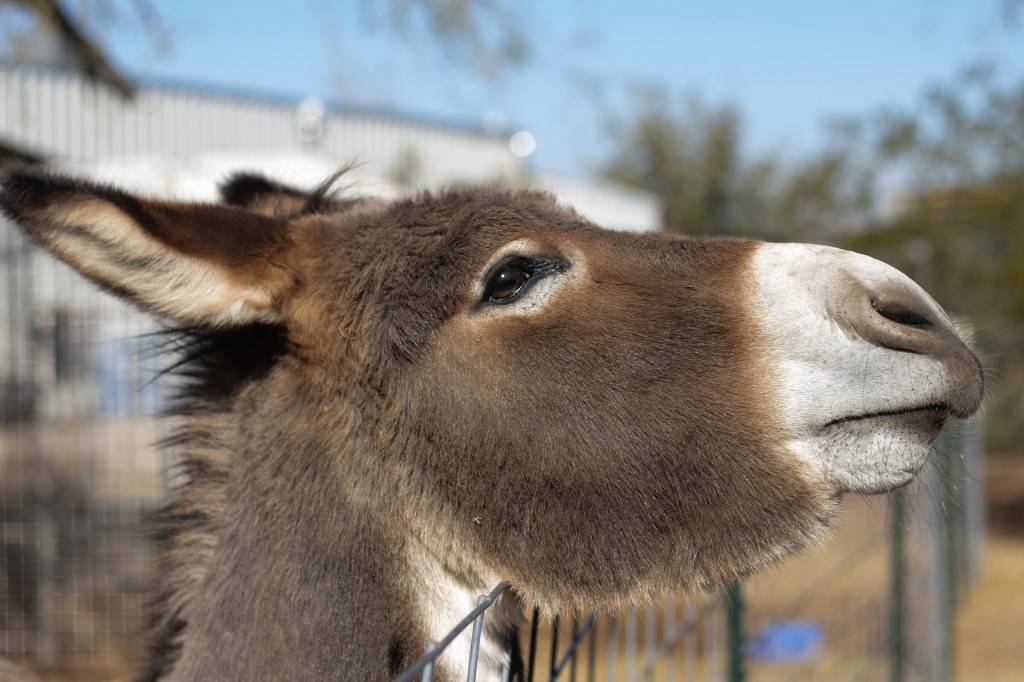
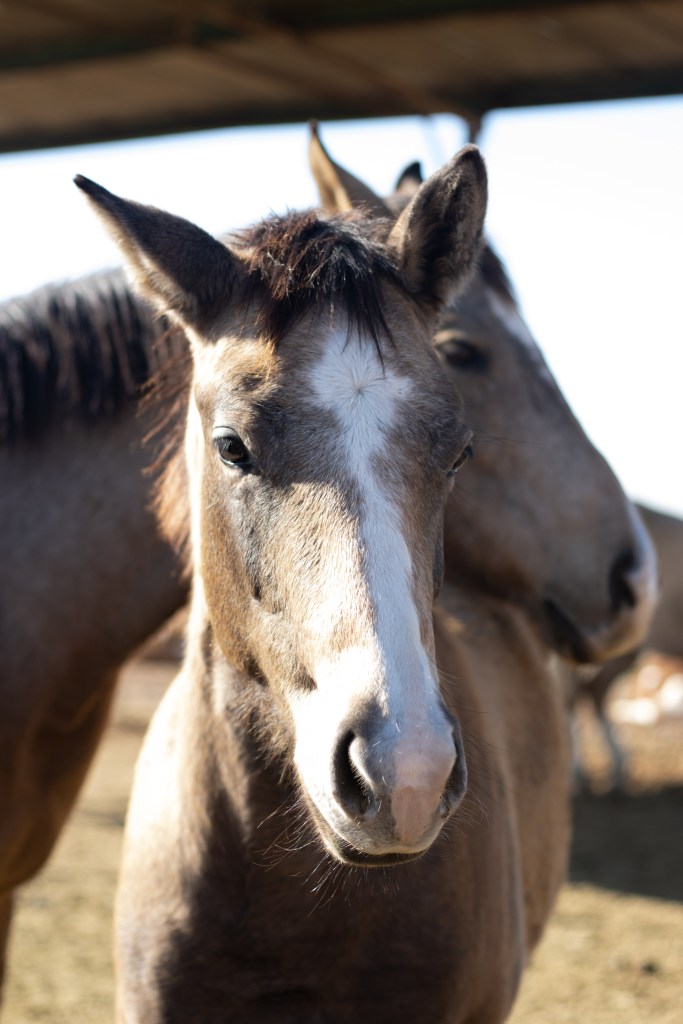
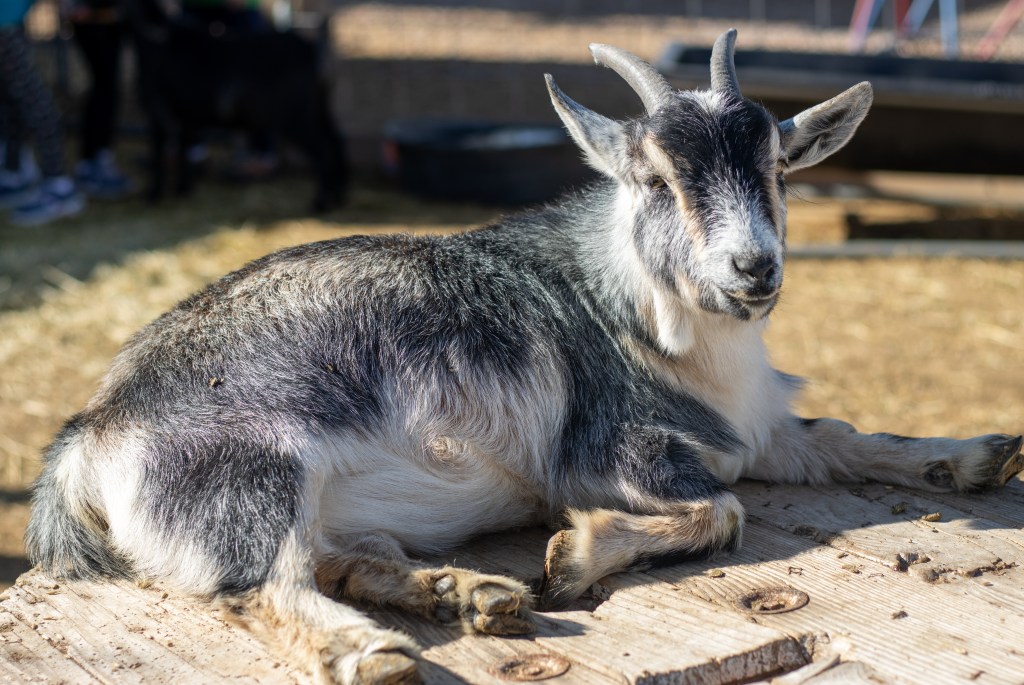
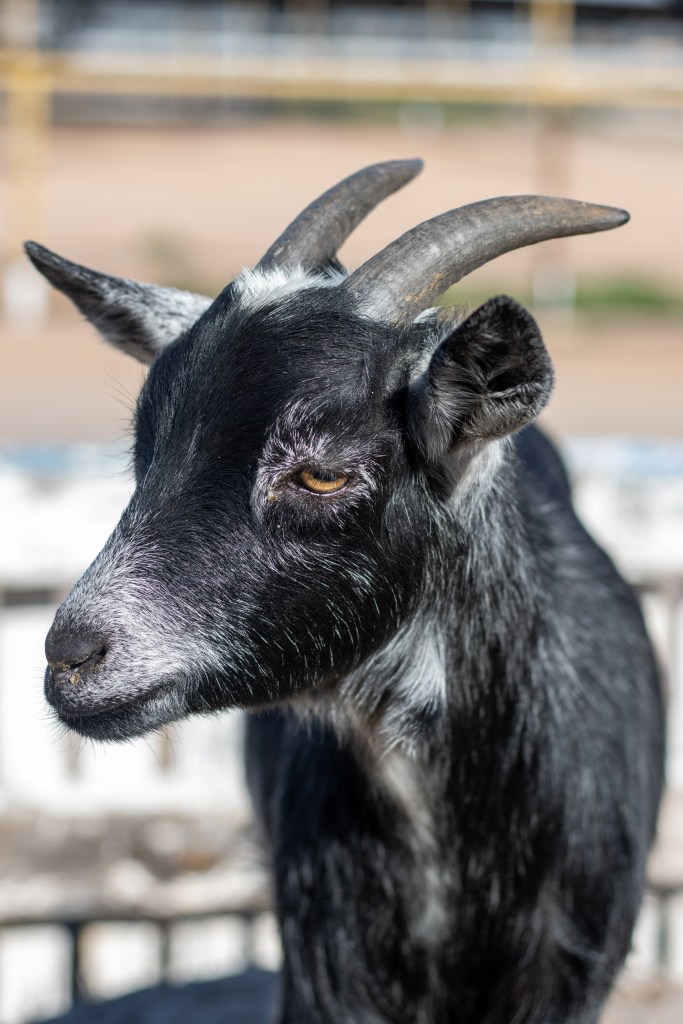
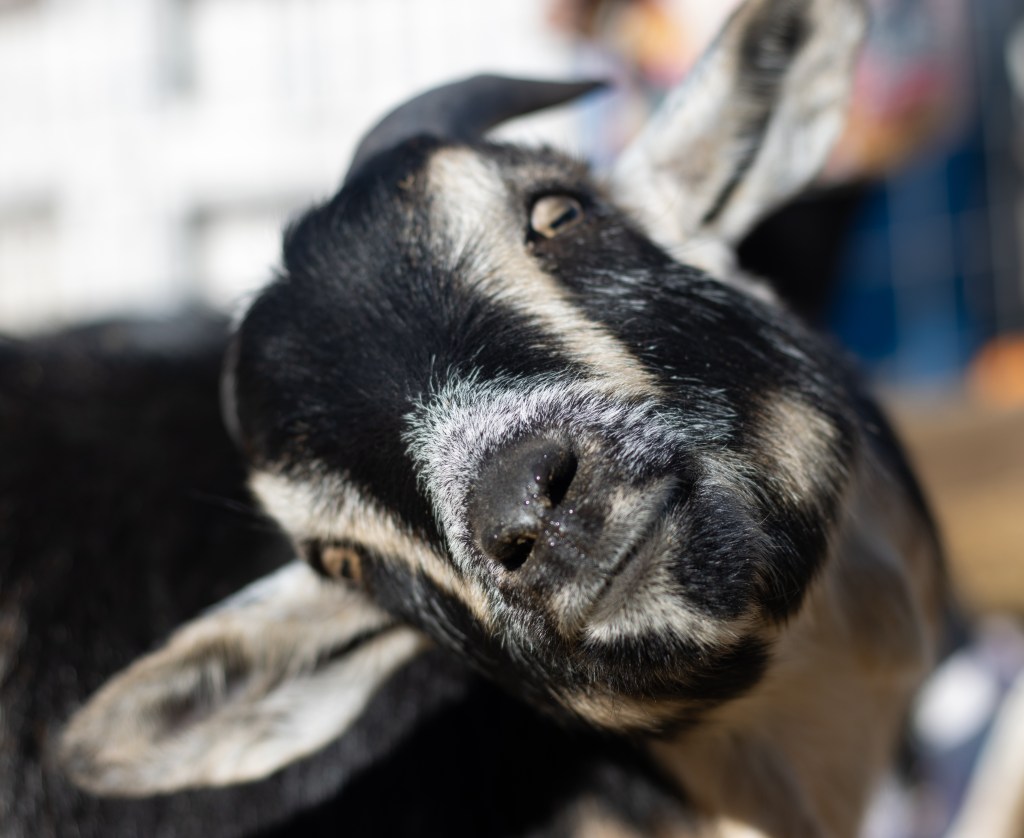
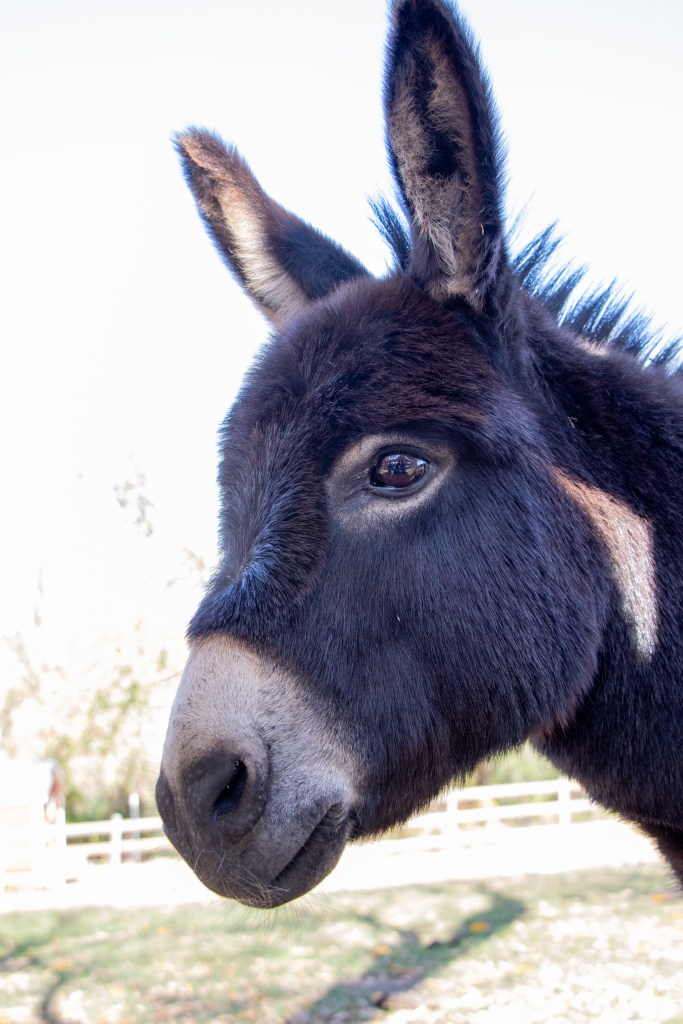
    The day before we left for freezing Minnesota, I went to a small farm where you could feed the animals. Animals like goats, chickens, donkeys, pigs, cows, and horses there were both young and old. Also, there was some competition among certain pens that had the males, fighting each other for who fed them.

  • Fall 2022 Pictures

    Fall 2022 Pictures

    With the days getting shorter and fall migration past us, there hasn’t been that much activity. For birds, the majority have migrated to South America to escape the freezing cold winter, while some remain to call themselves snowbirds.

    Island Lake County Park, Shoreview MN:

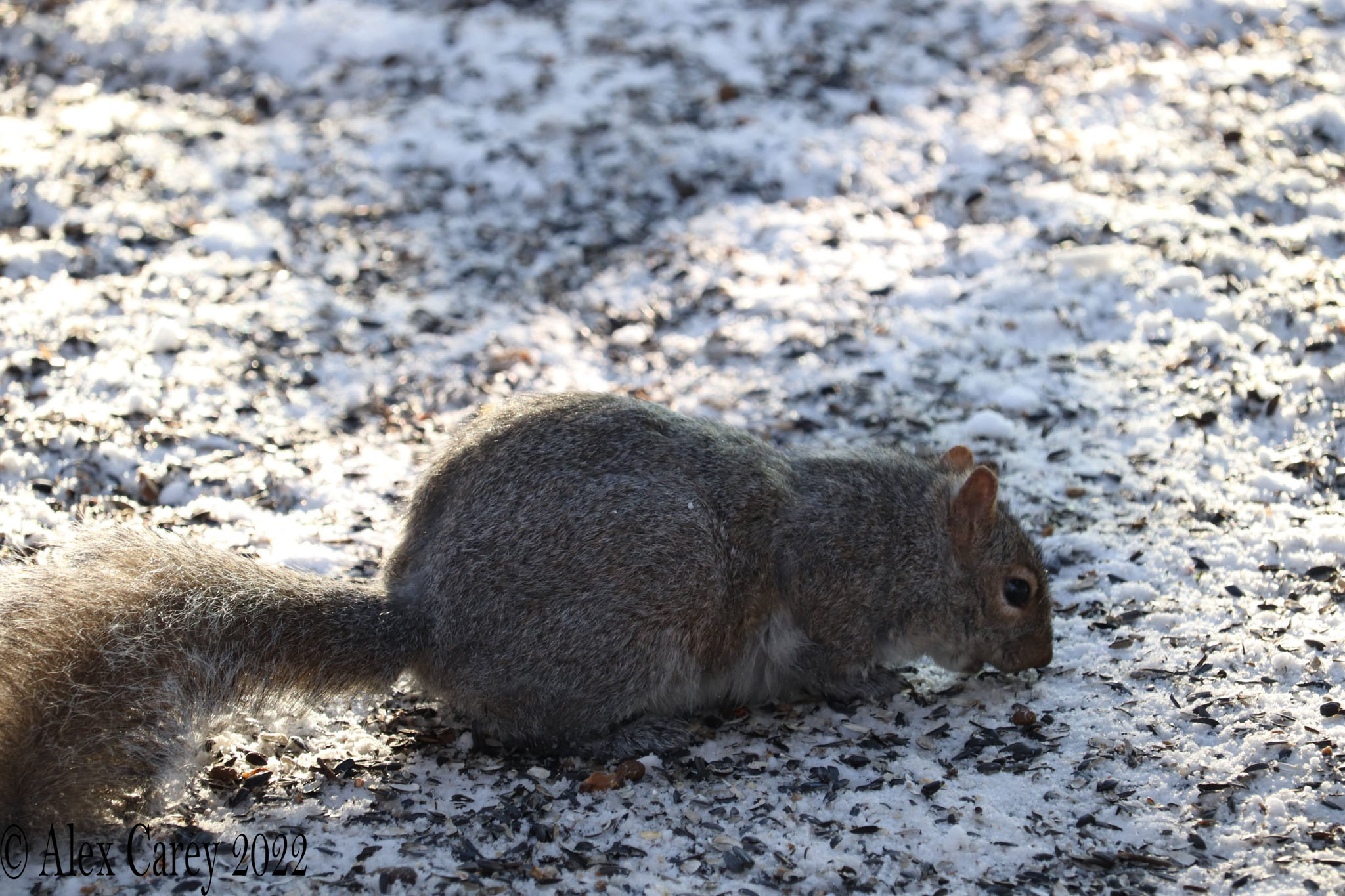
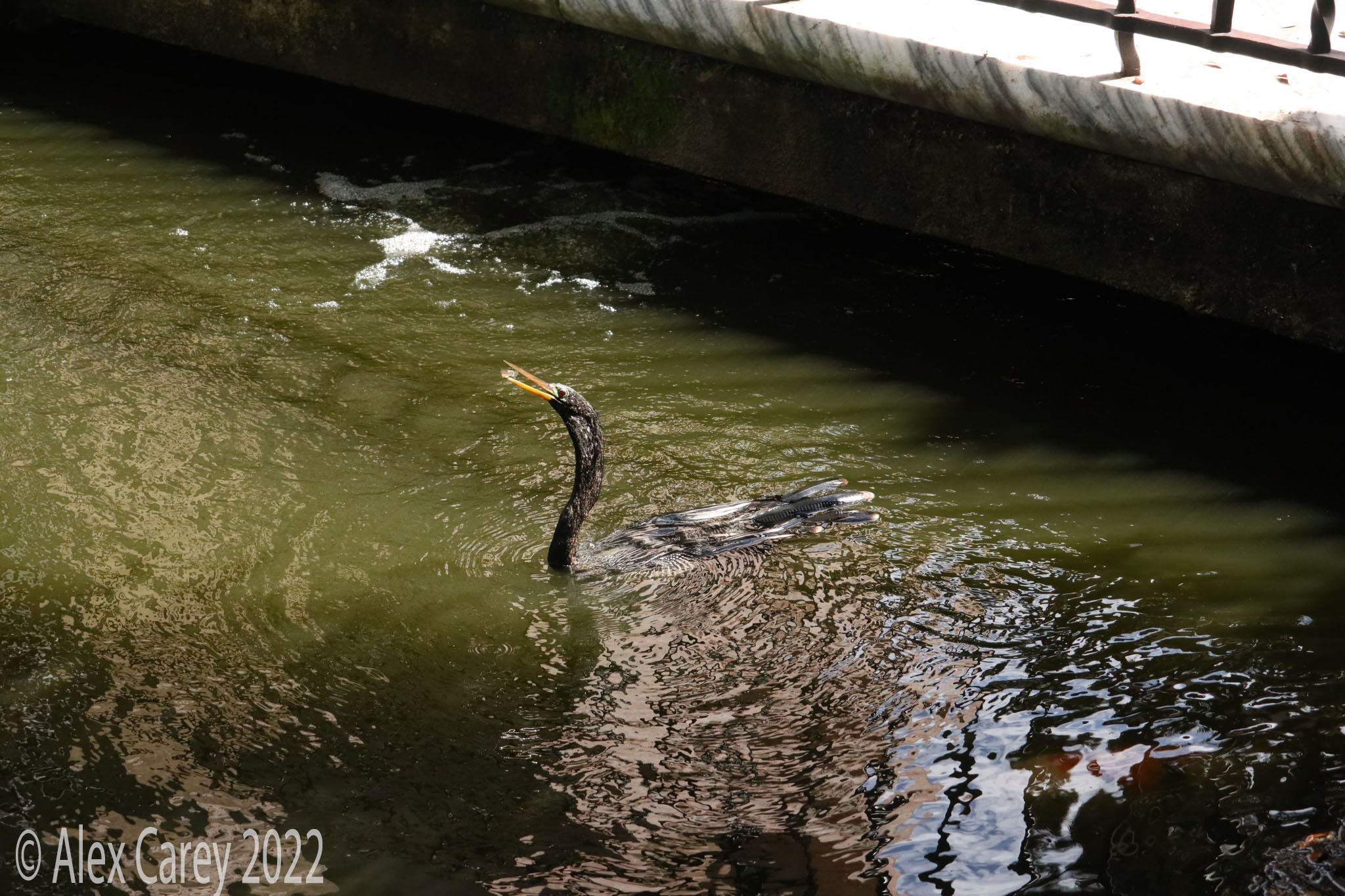
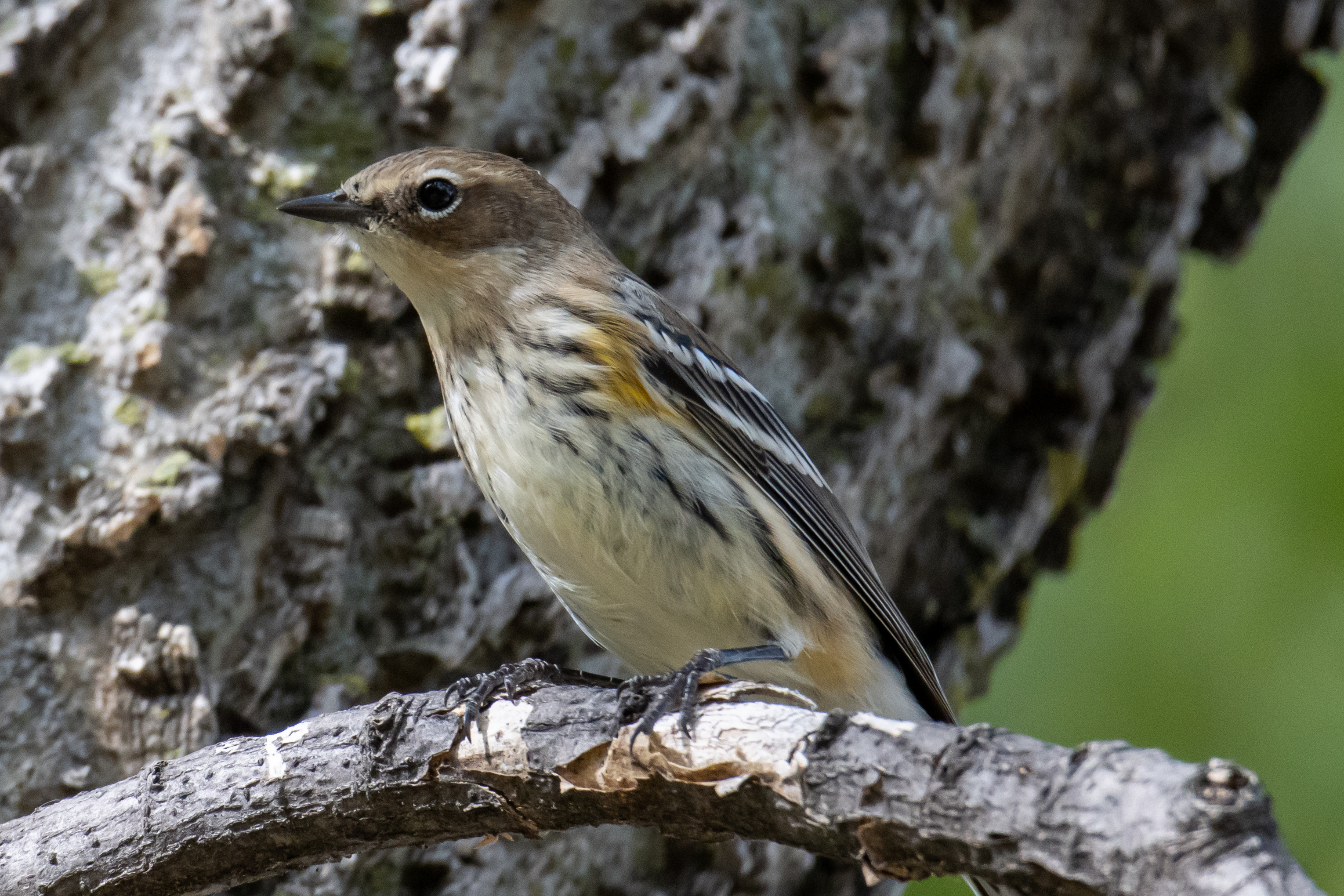
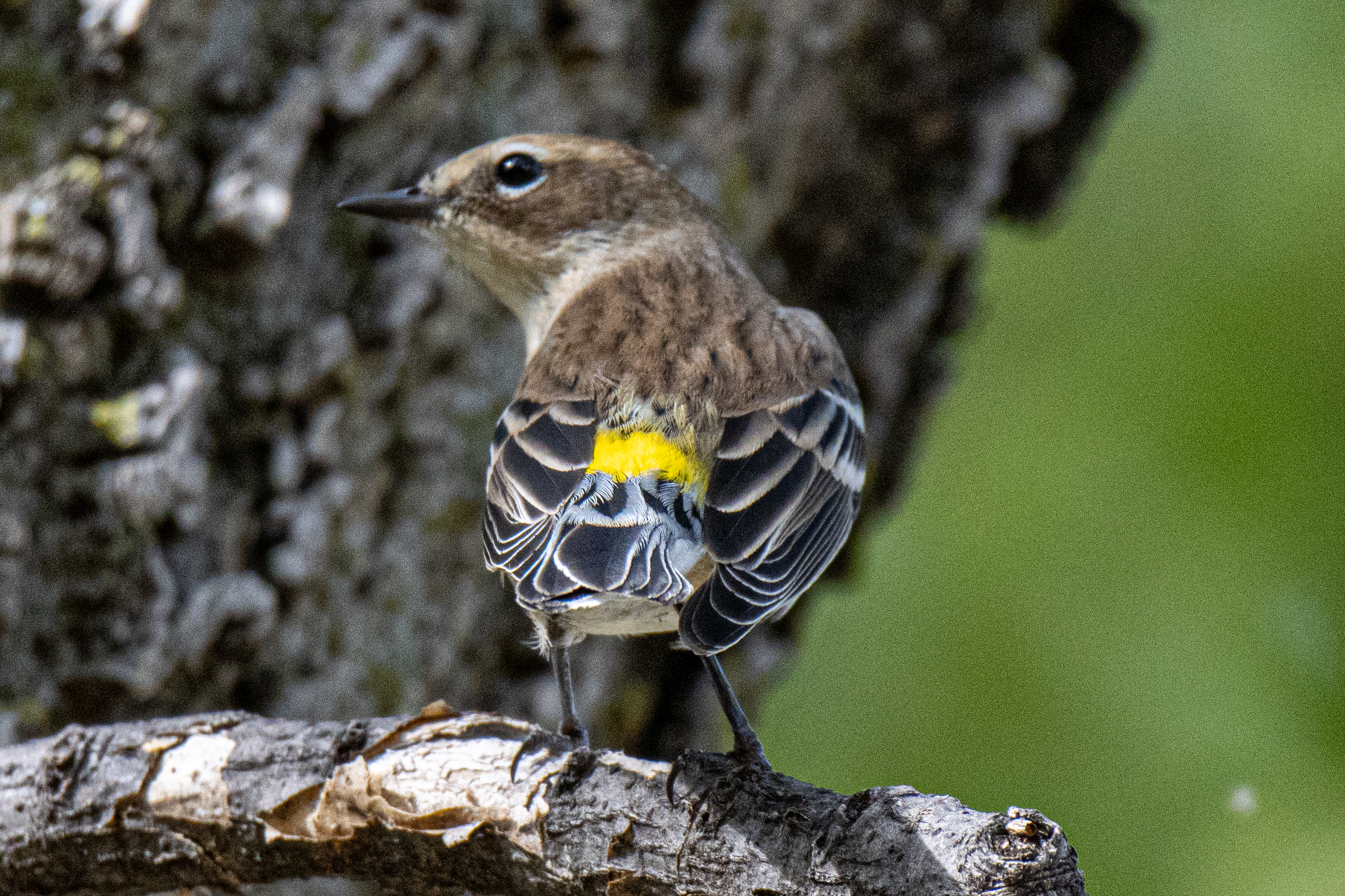
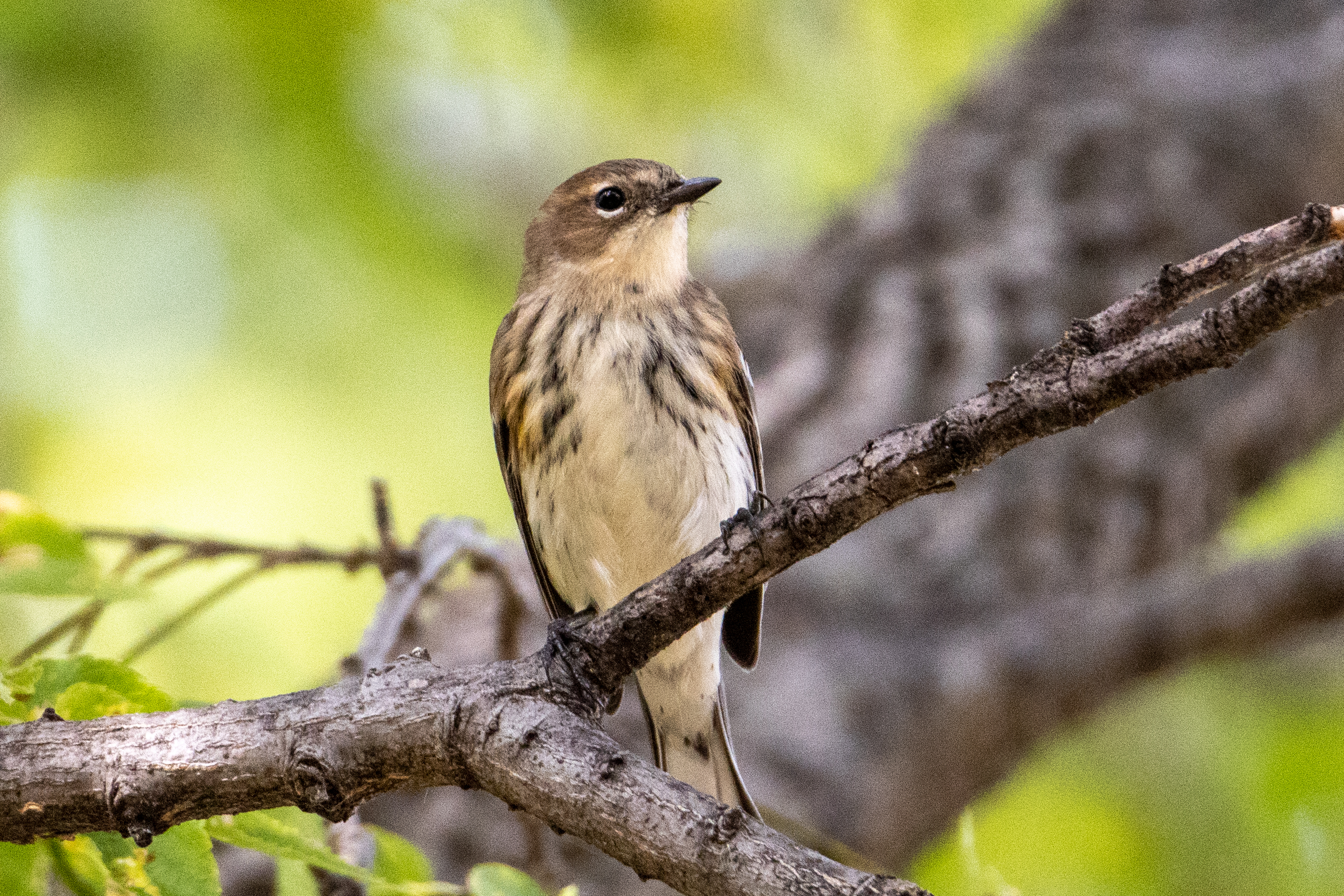
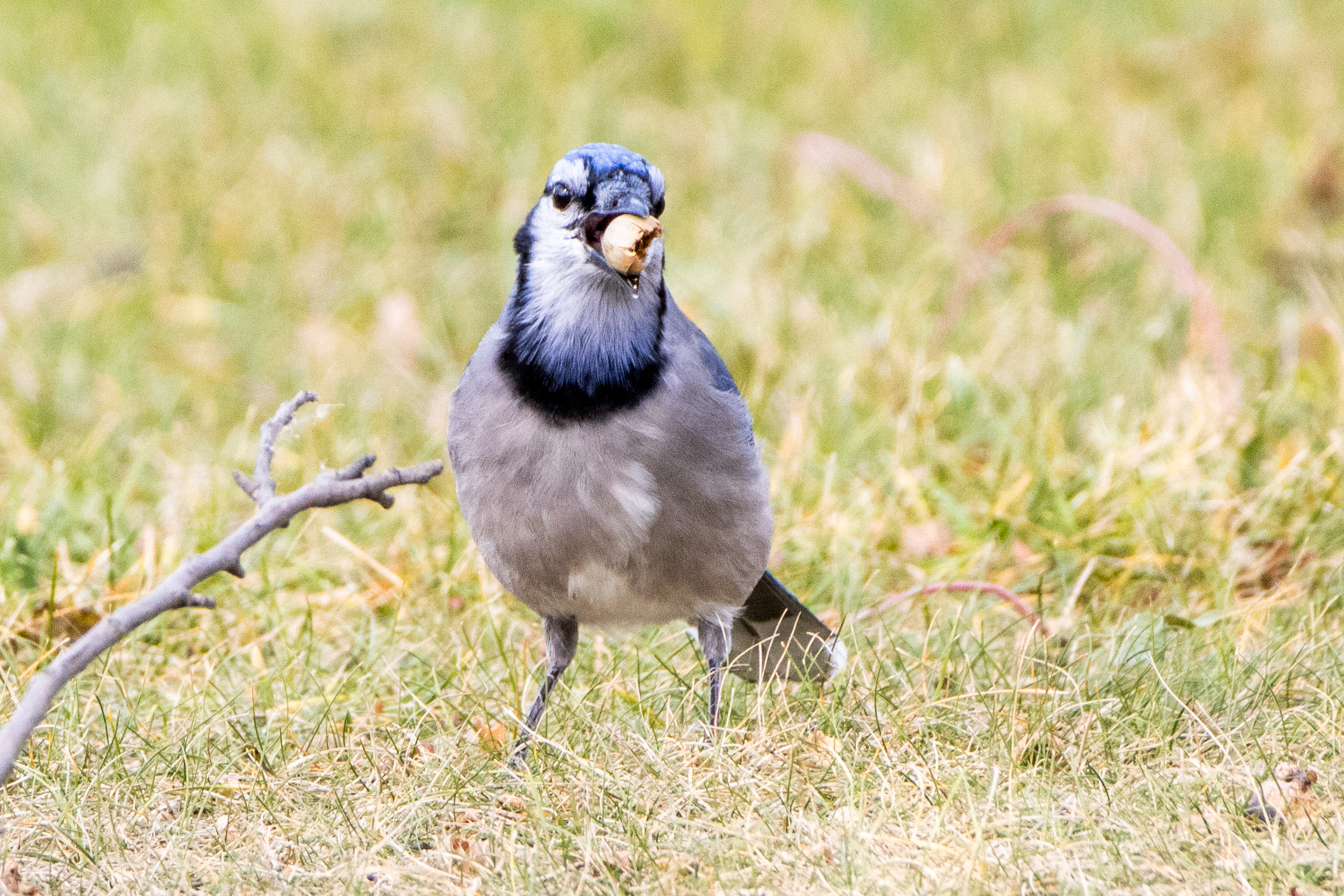
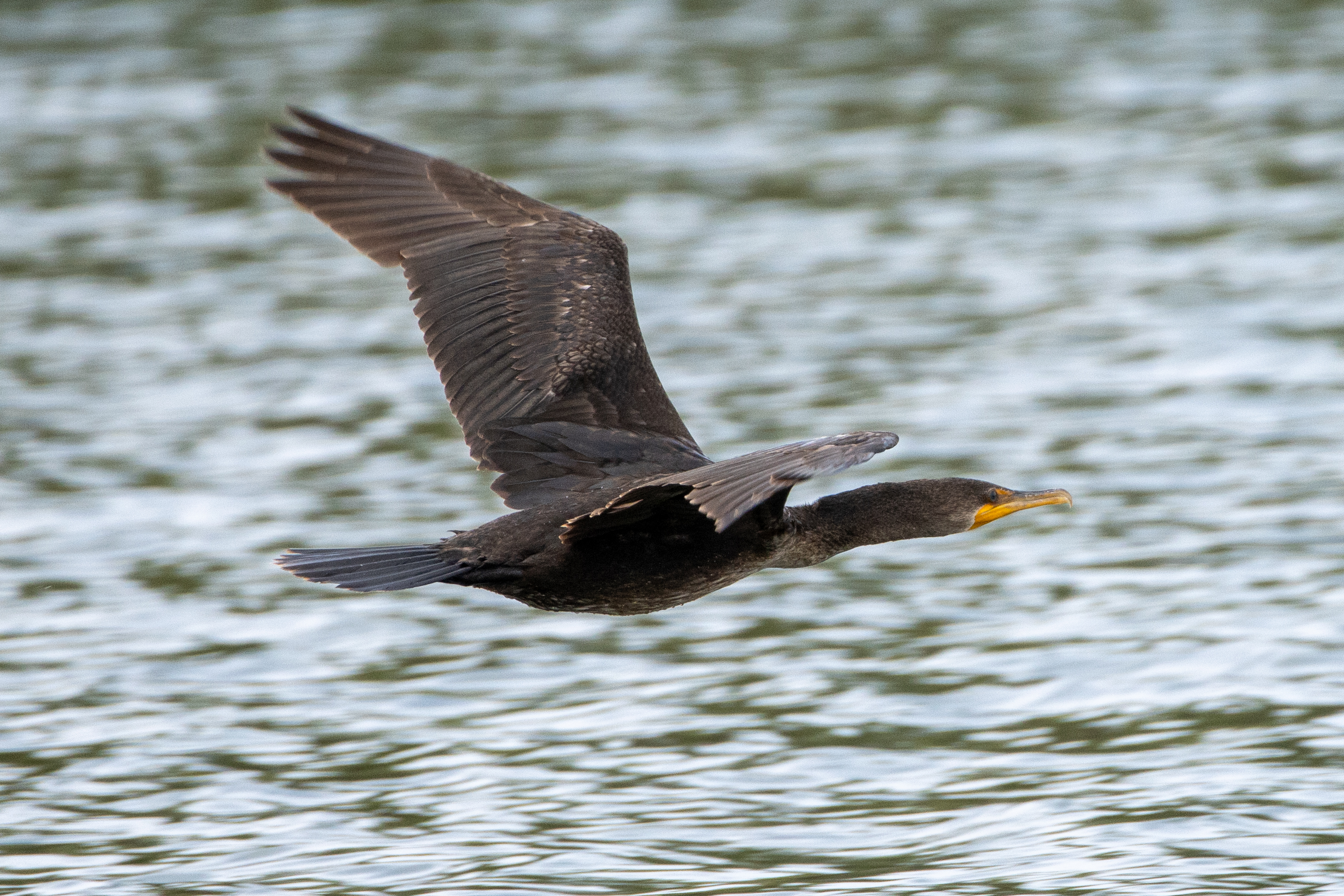
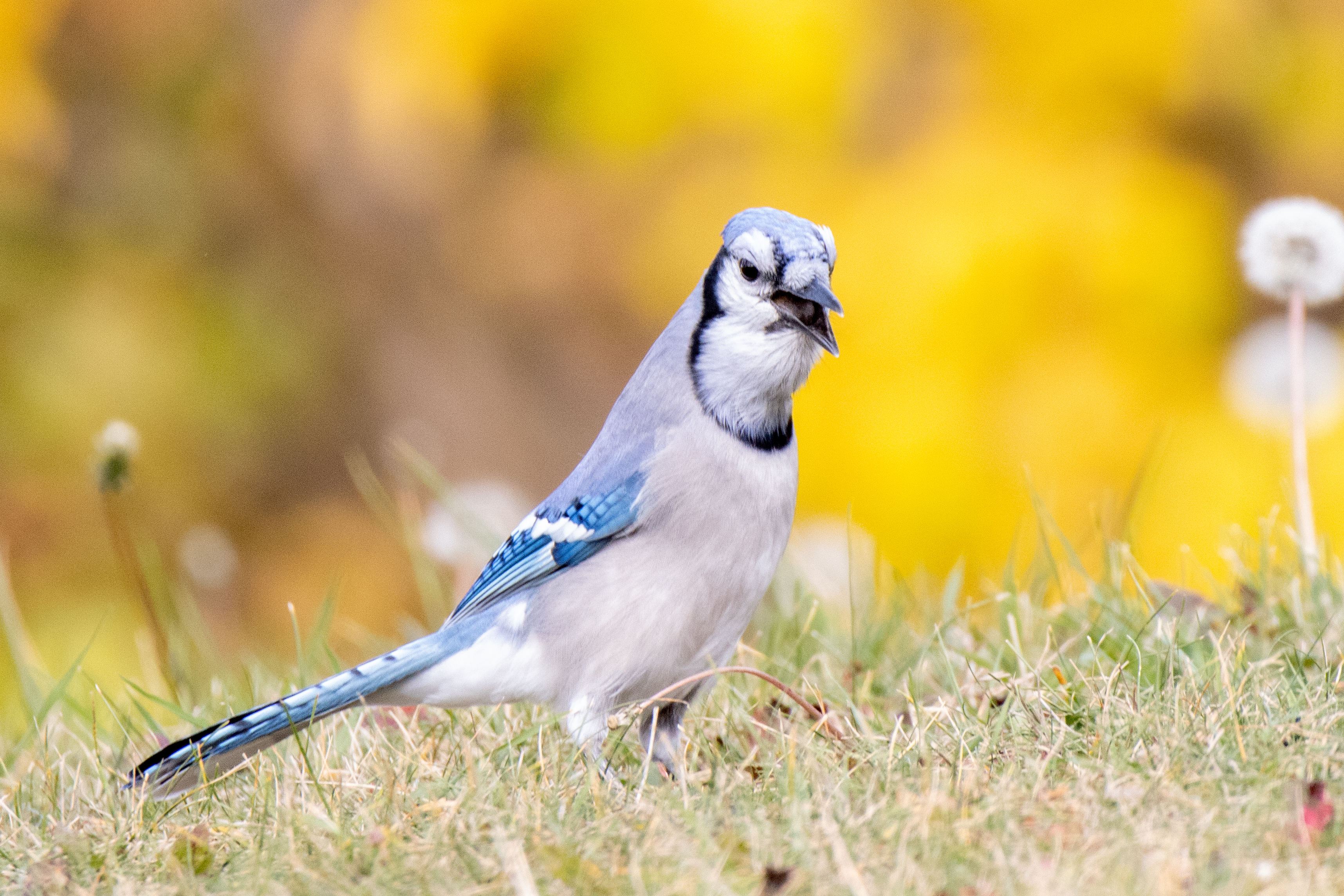
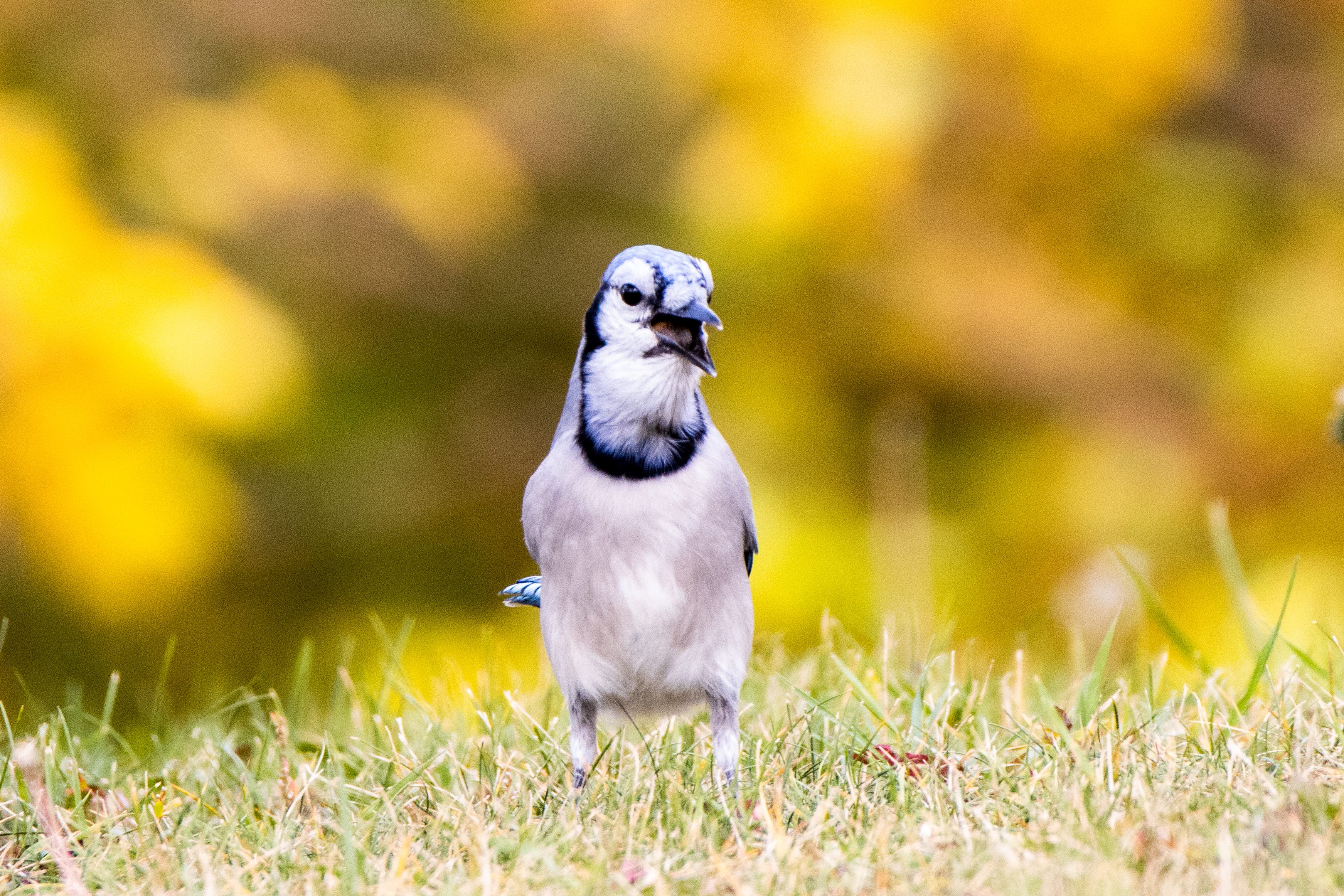
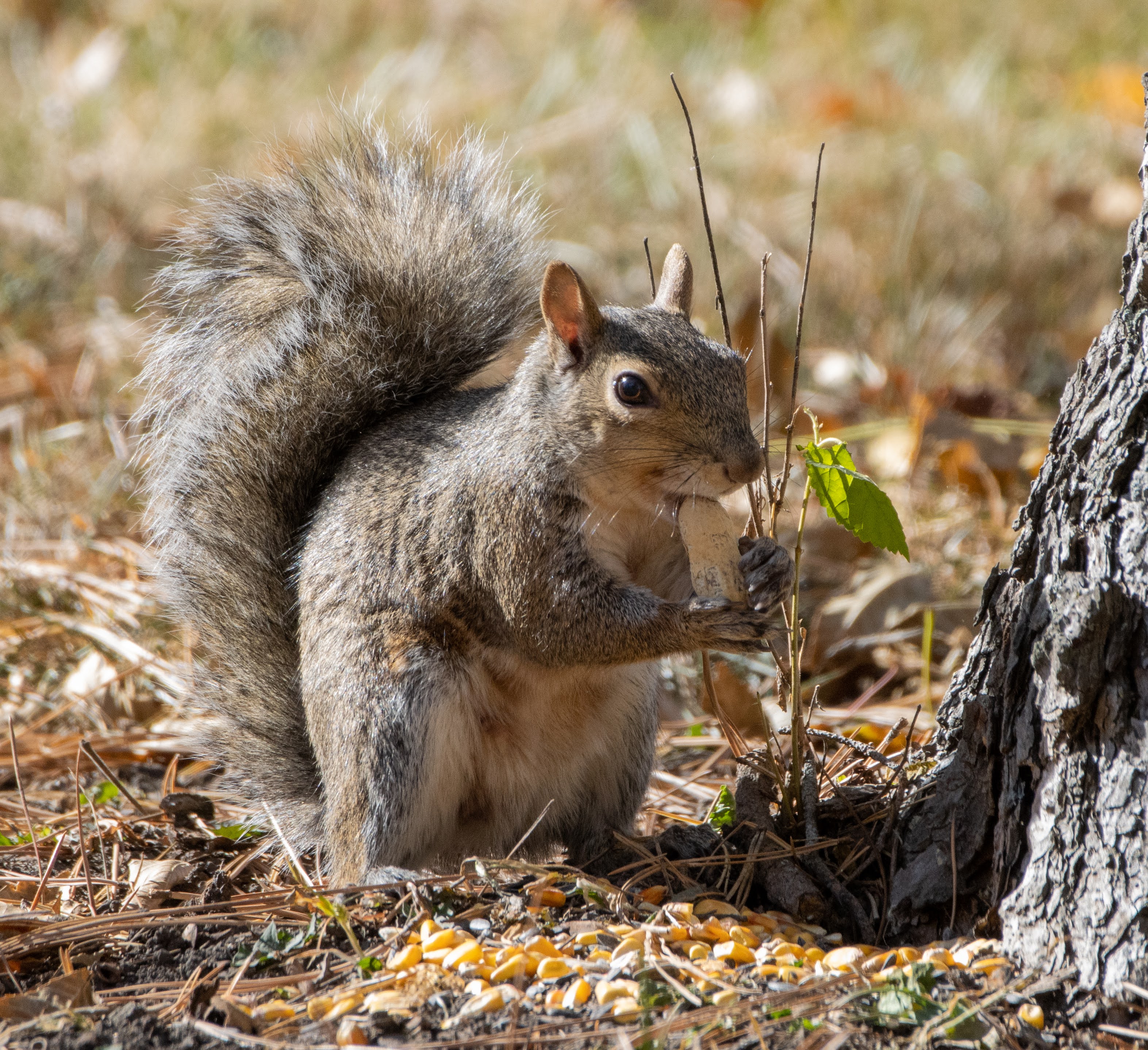
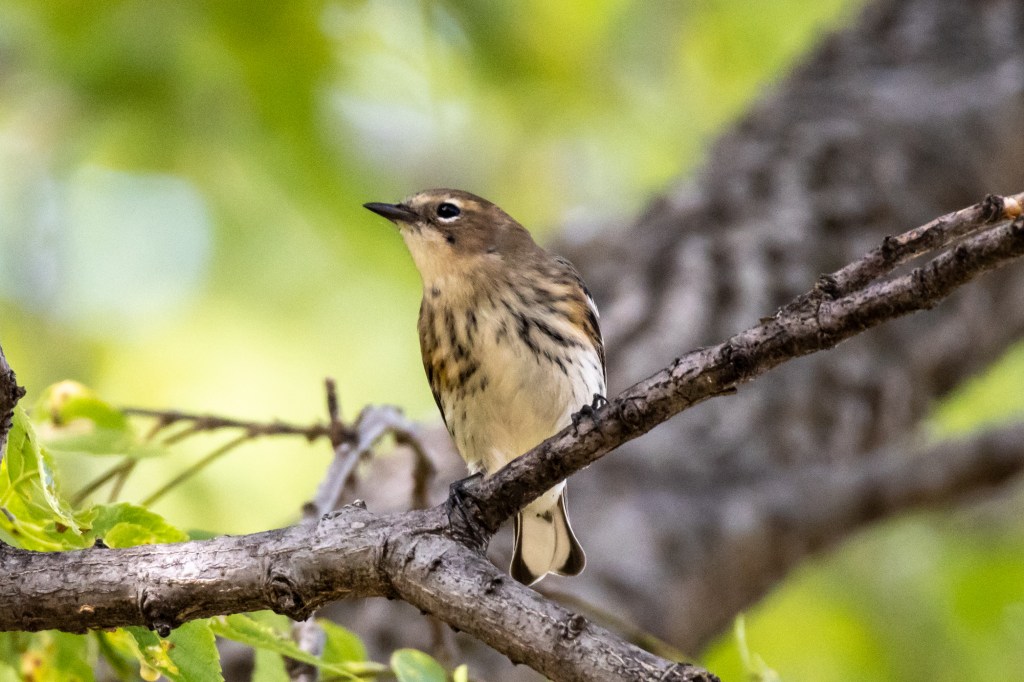
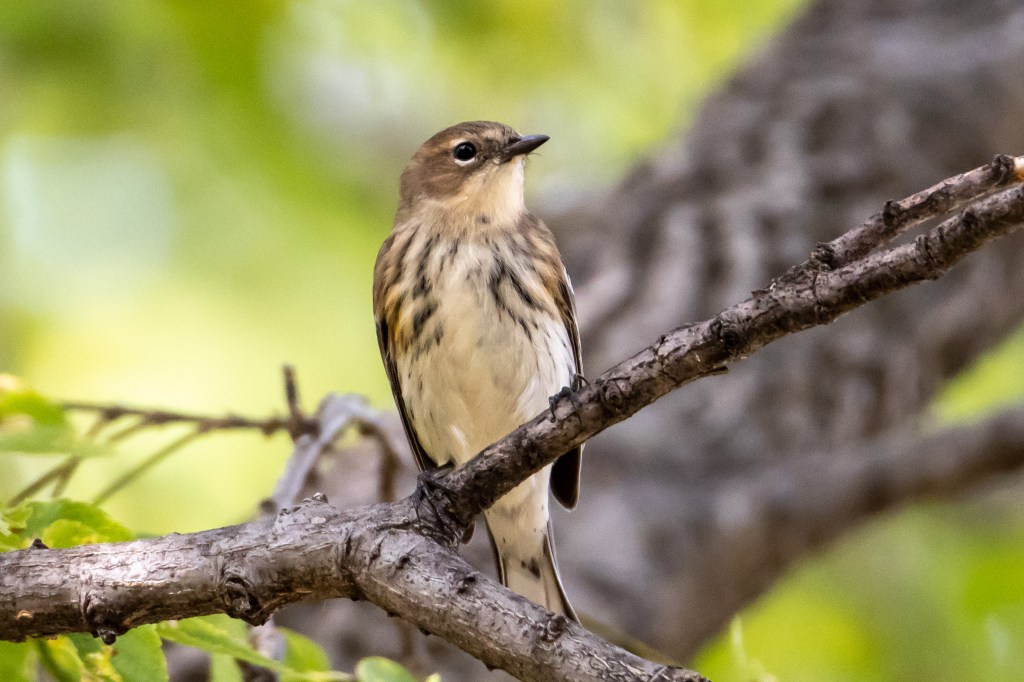
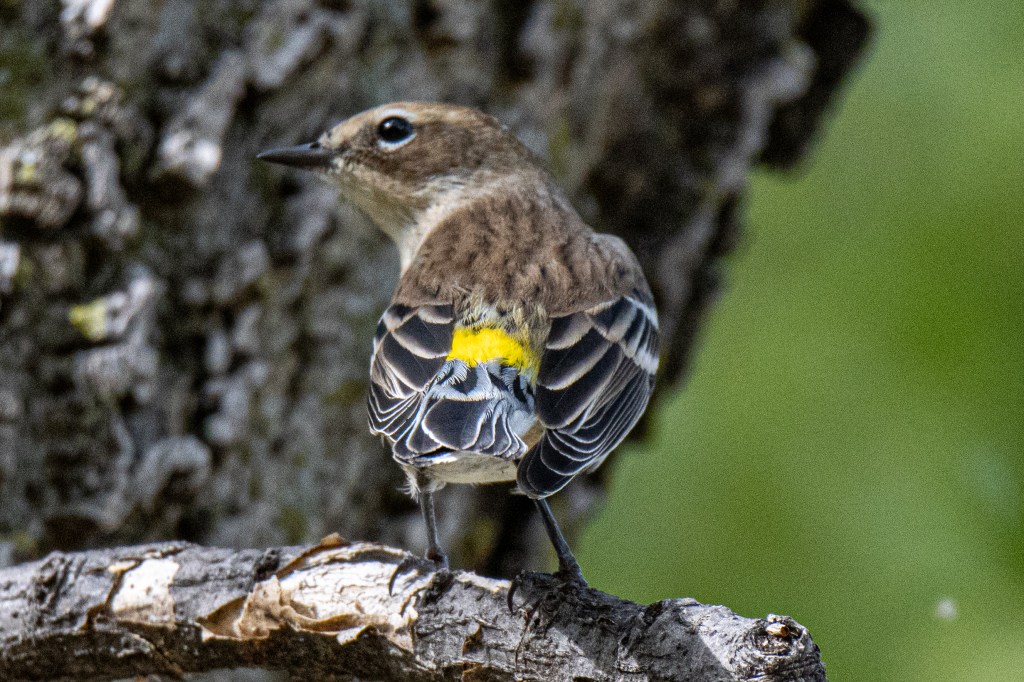
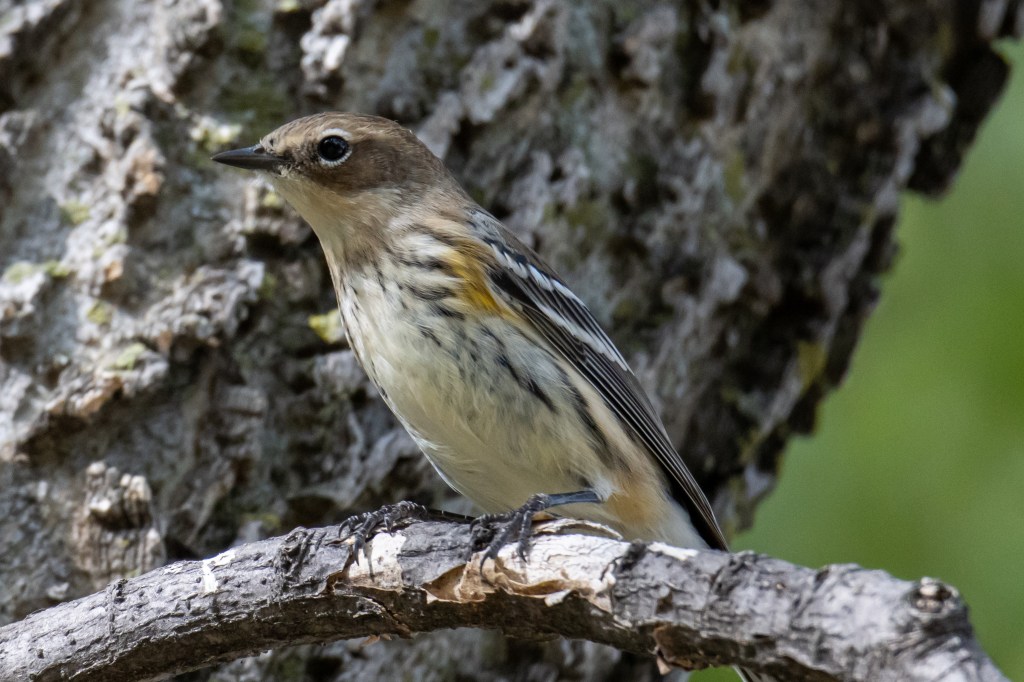
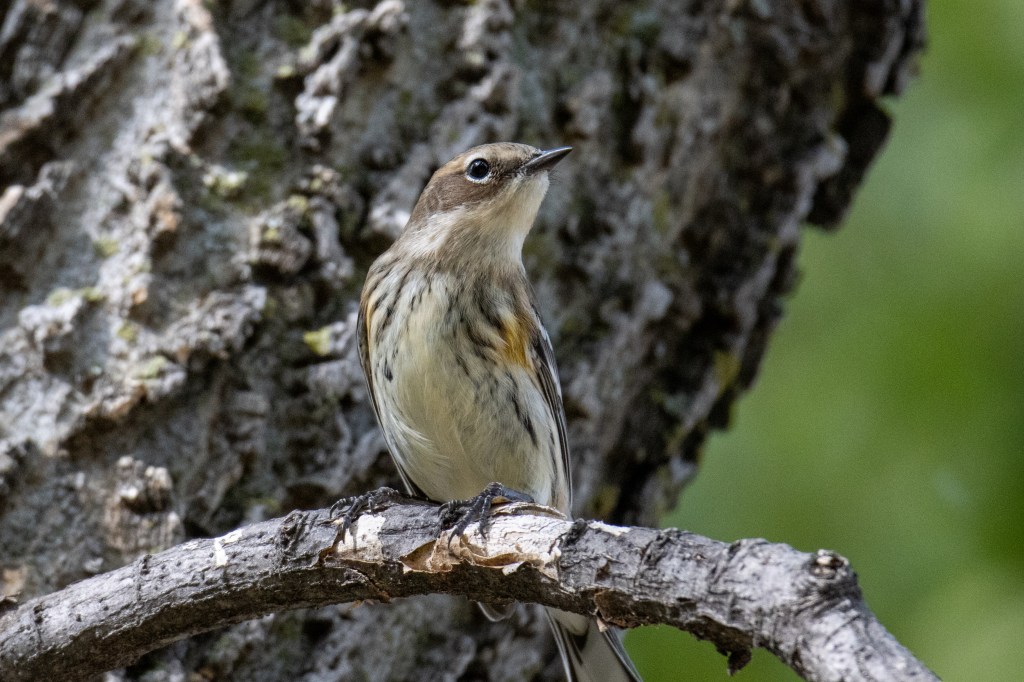
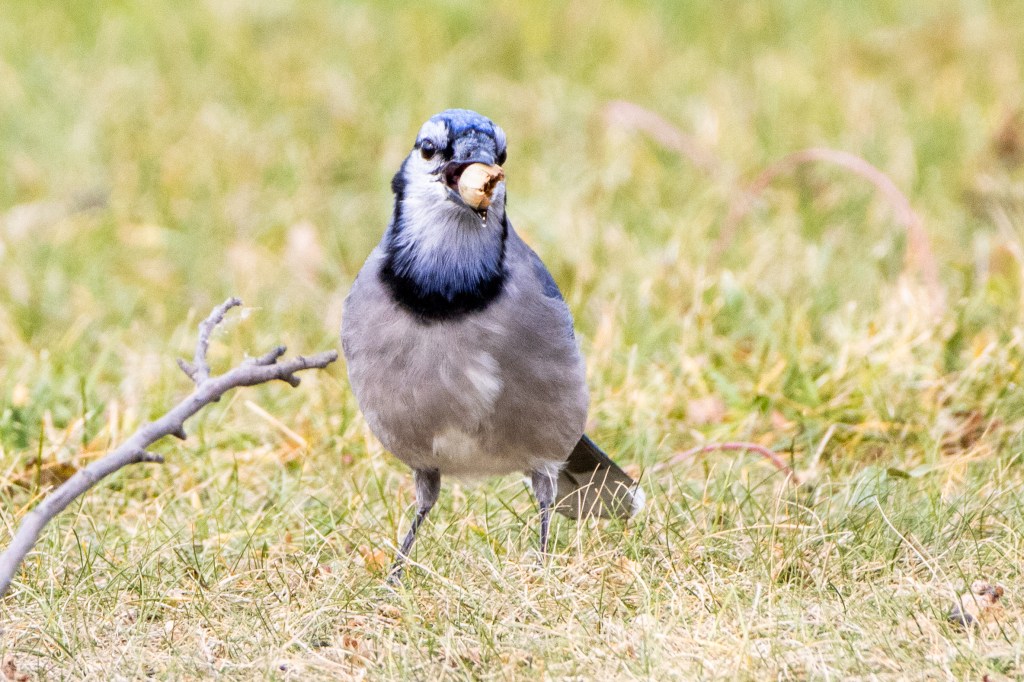
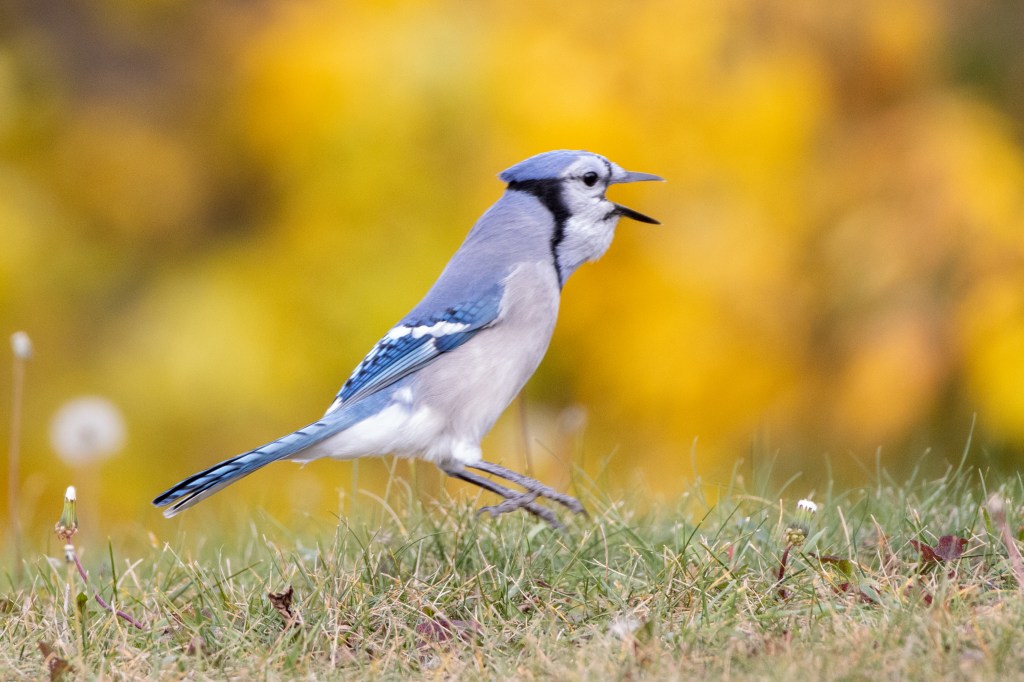
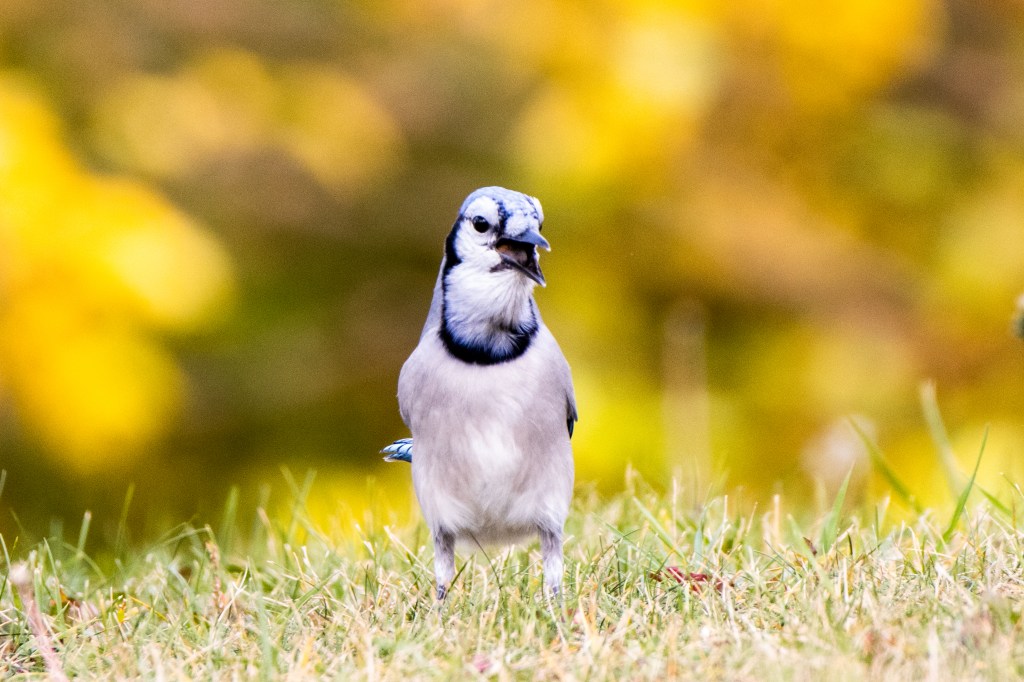
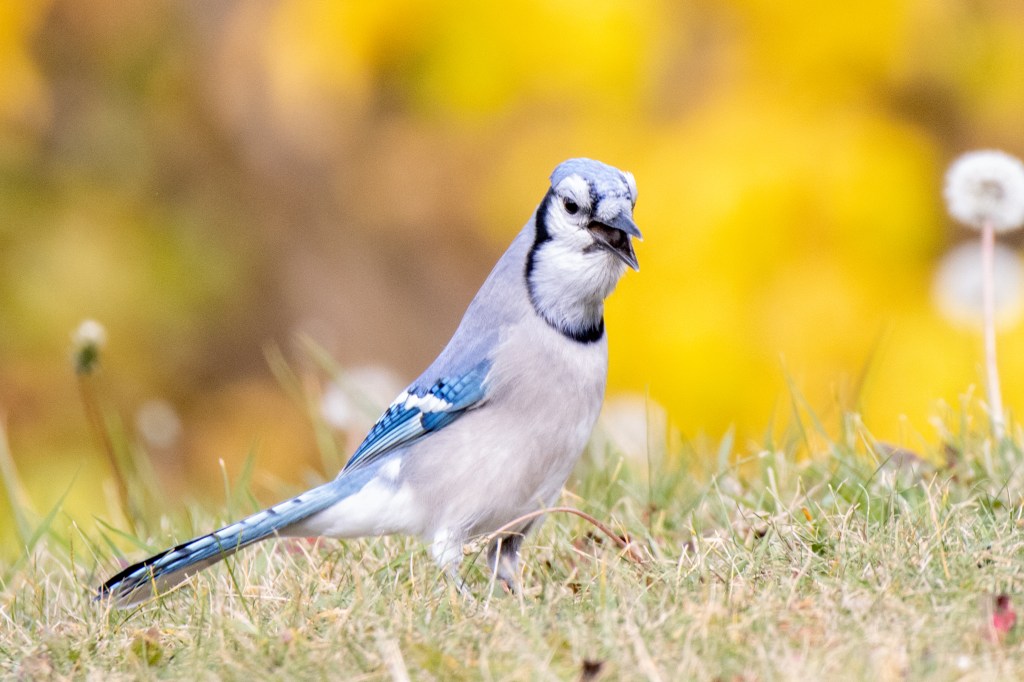
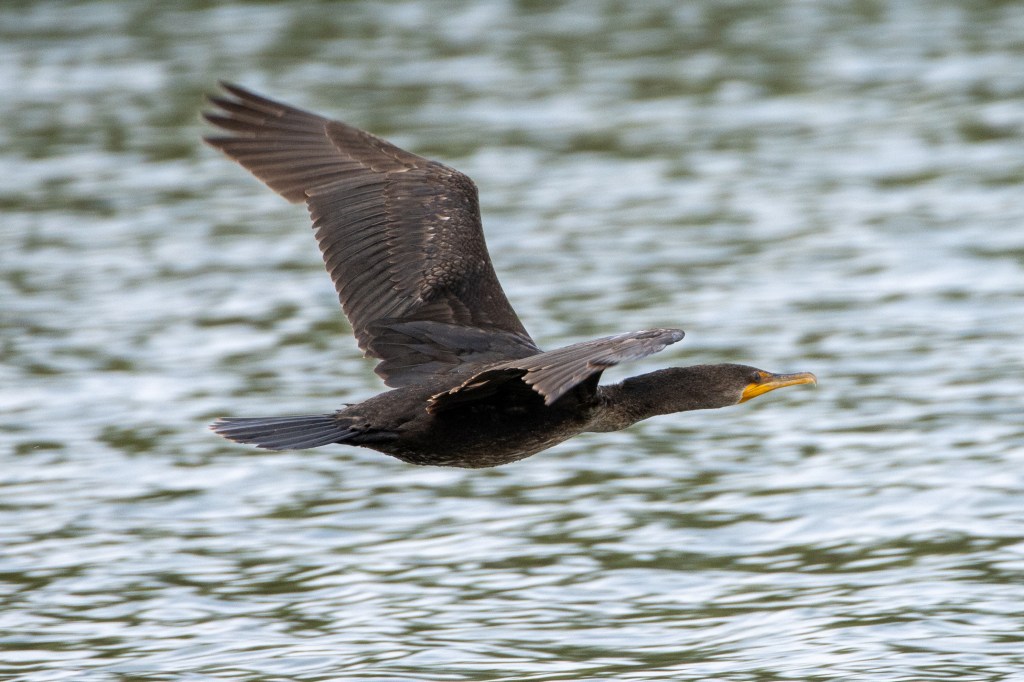
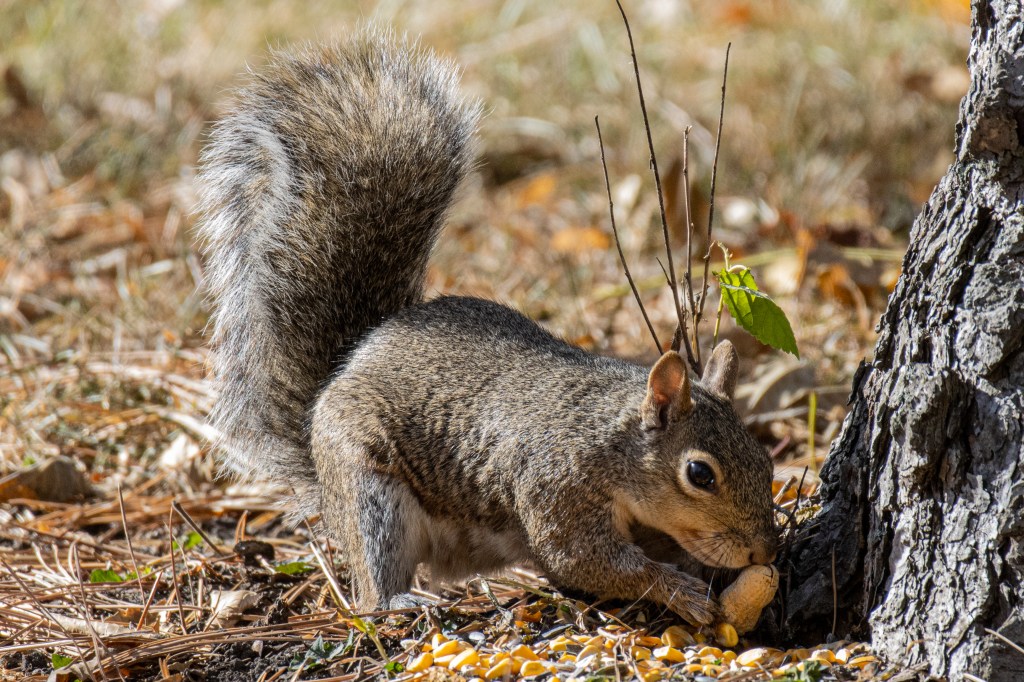
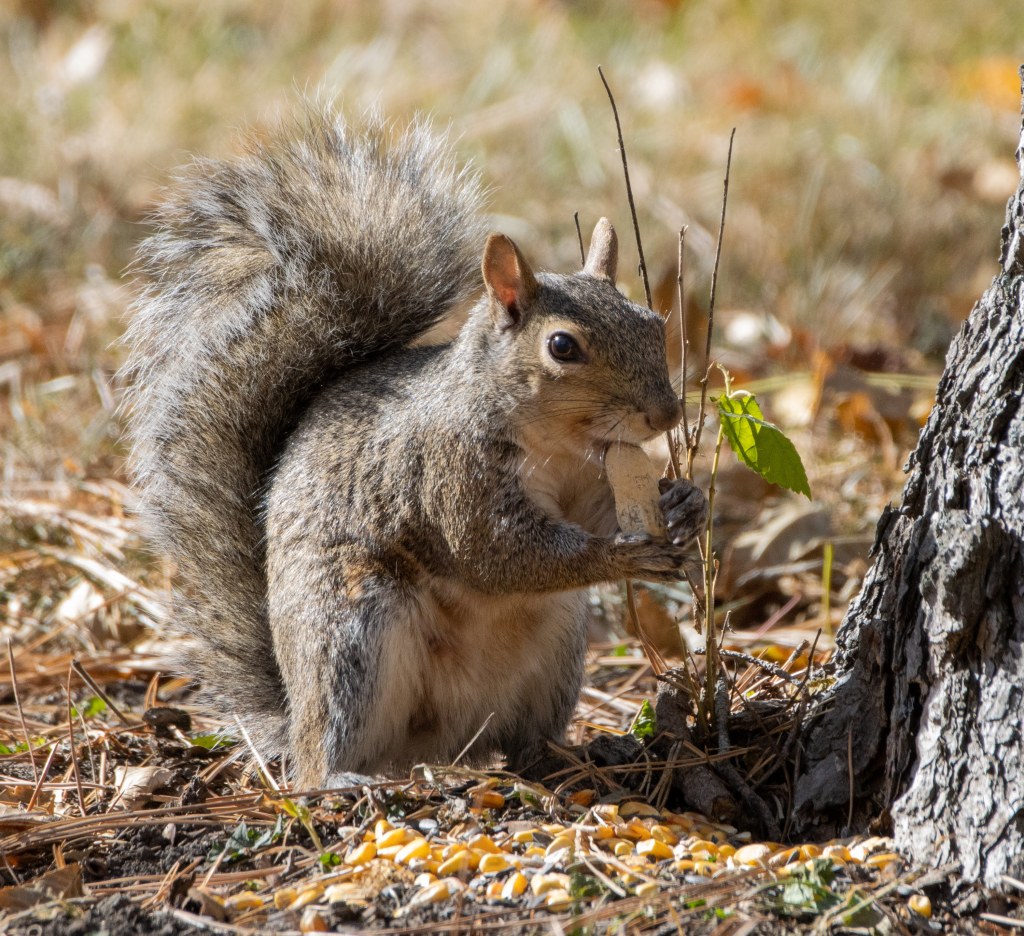
    Last month, I went to Island Lake County Park in Shoreview and photographed a group of Blue Jays, Yellow-rumped Warblers, and a Double-crested Cormorant. Taking pictures of the warblers was difficult as they were quick and nimble. But in the end, I got a few pictures of them. When I was photographing the group of blue jays, I noticed that they were foraging for acorns that had fallen from the tree. As I walked around the lake for a little bit, I went to the edge of the lake hoping to see any waterbirds. Though none were there, I got pictures of a cormorant flying low across the lake. Last but not least I managed to get a shot of a squirrel finding a peanut and eating it.

    Eastman Nature Center, Dayton MN:

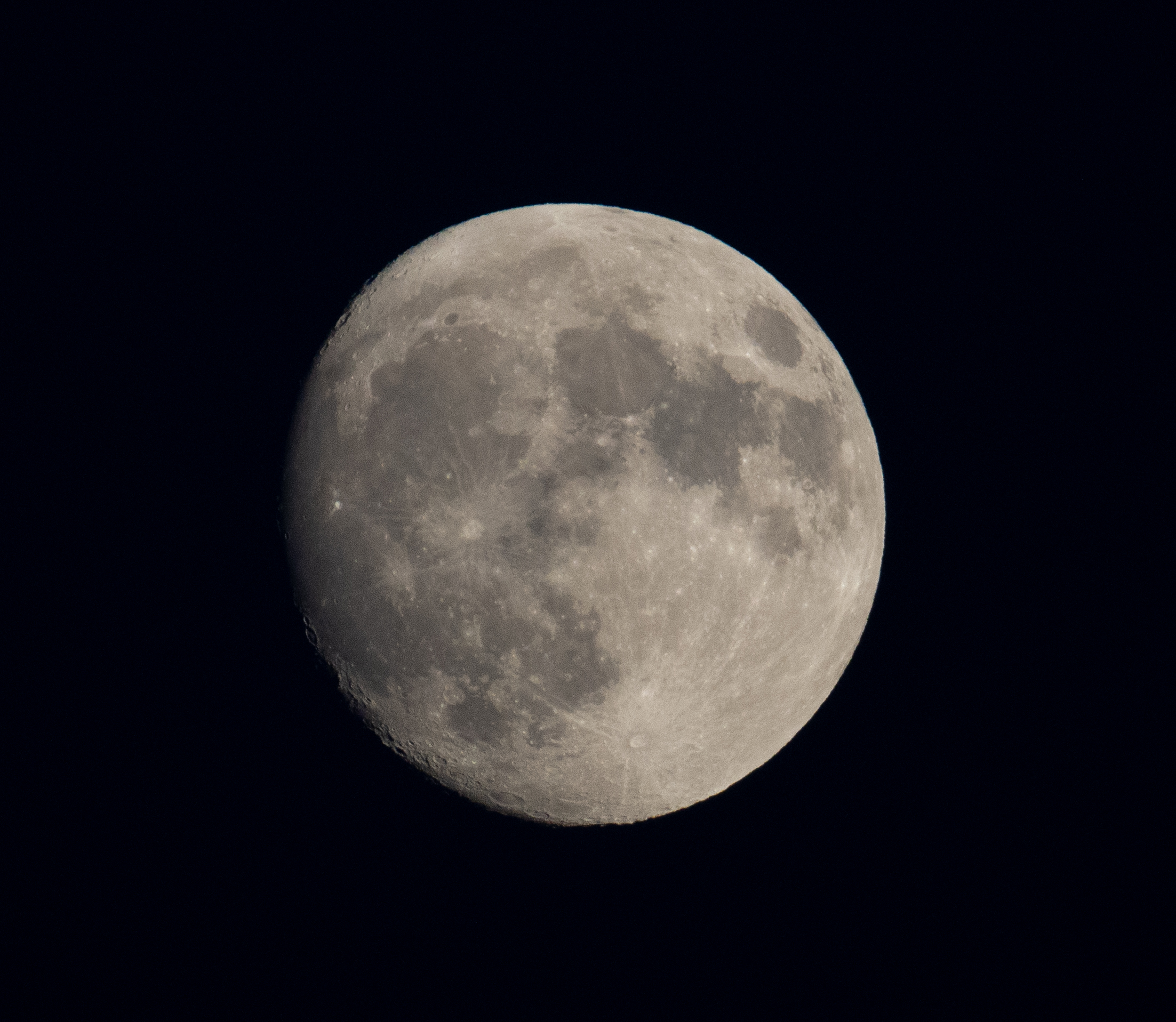
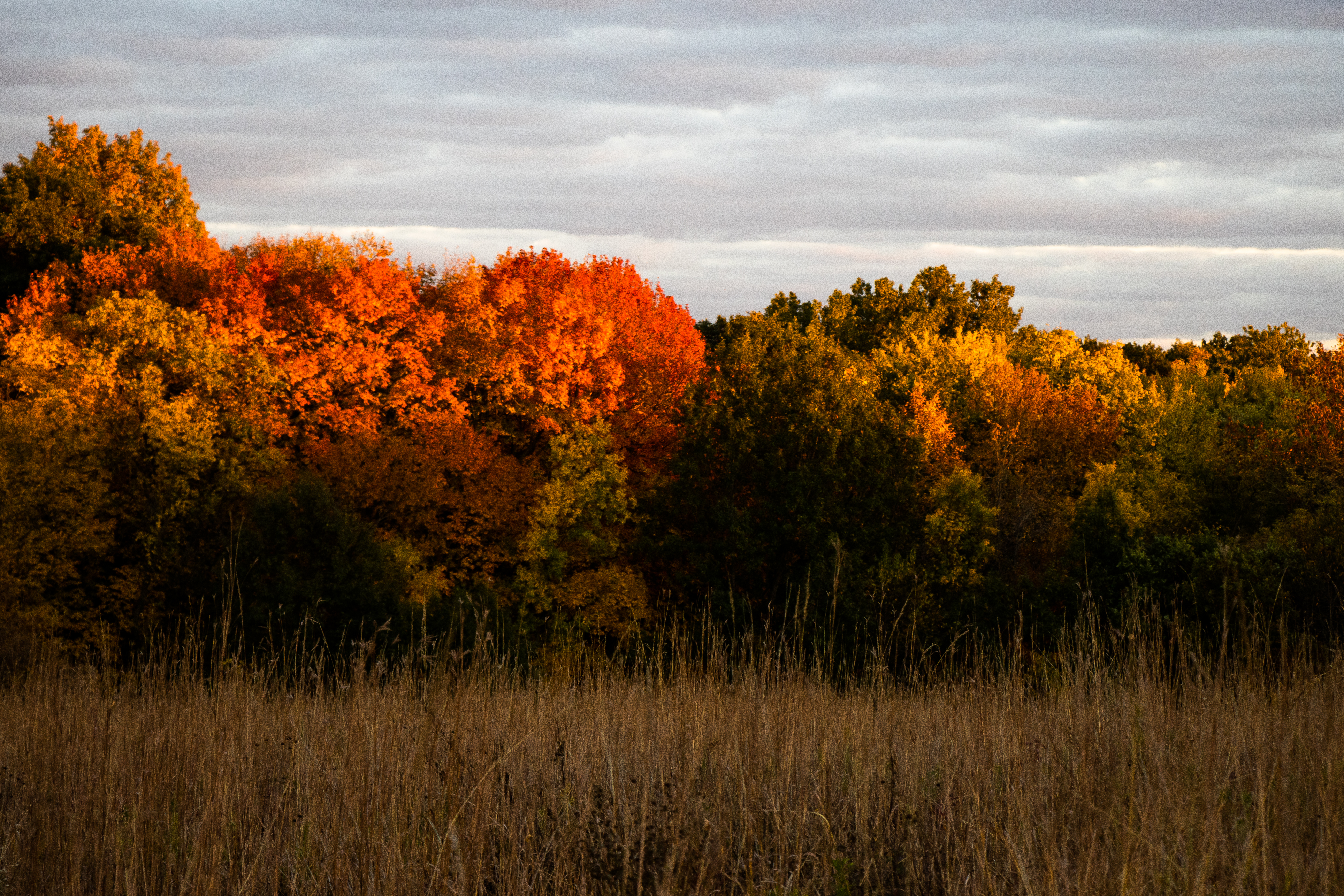
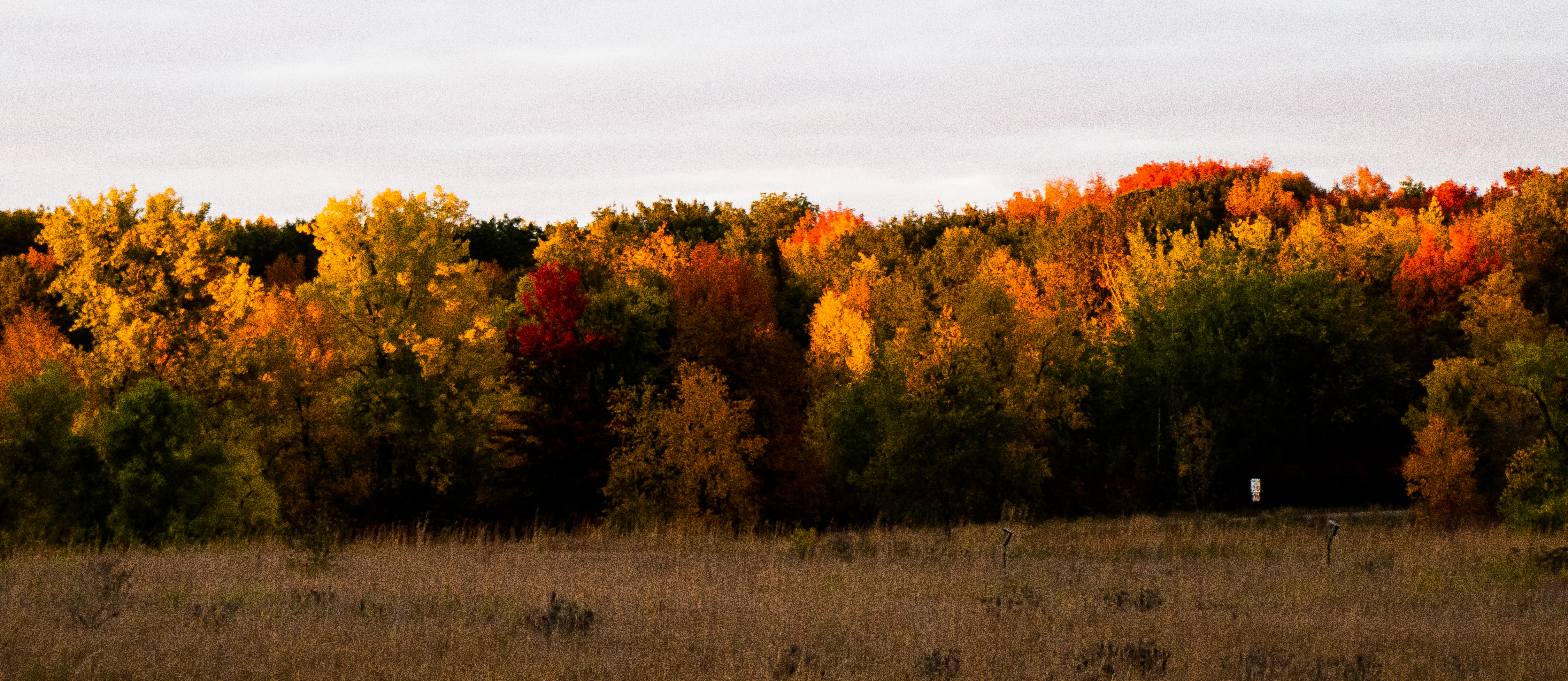
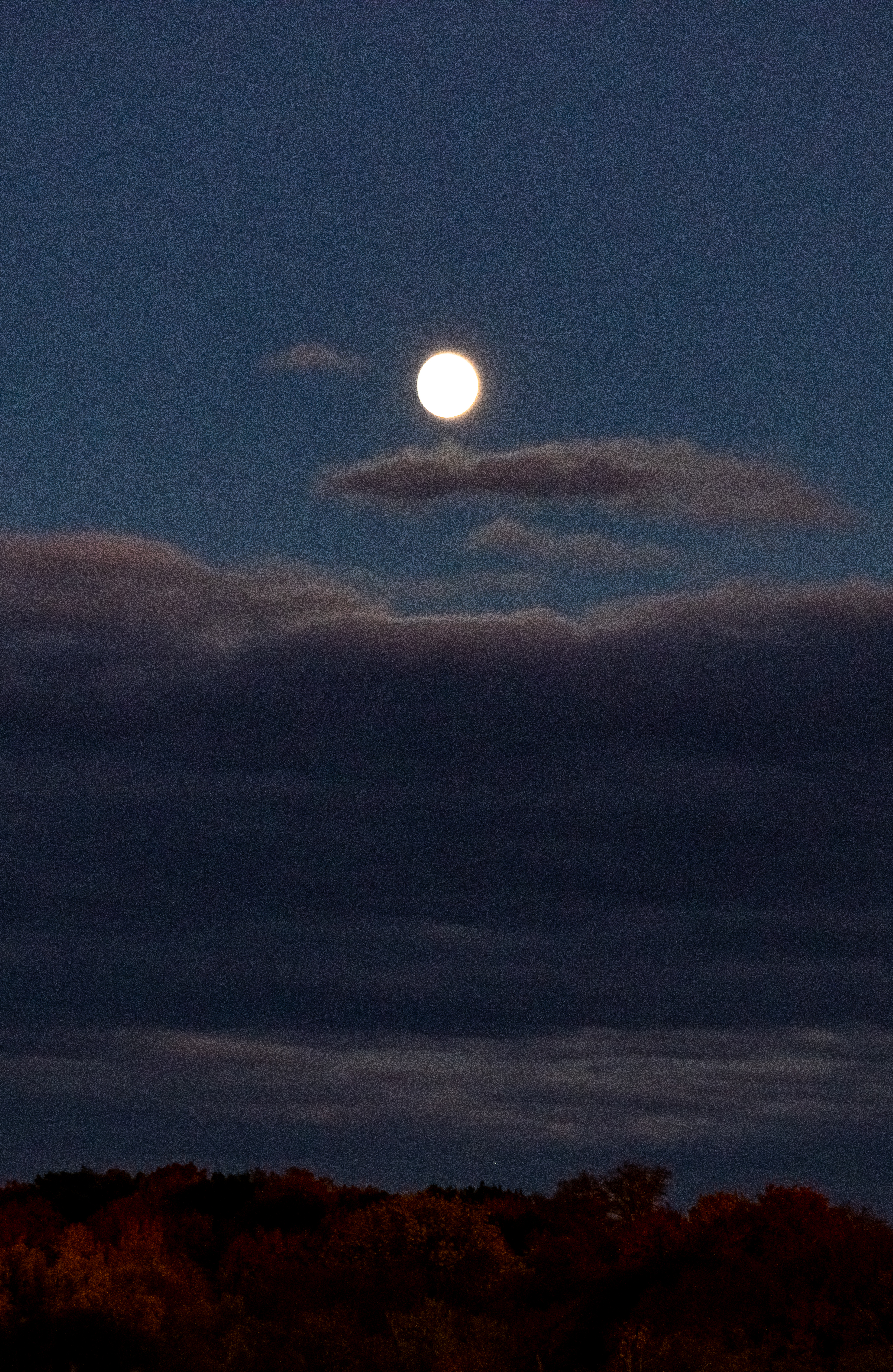
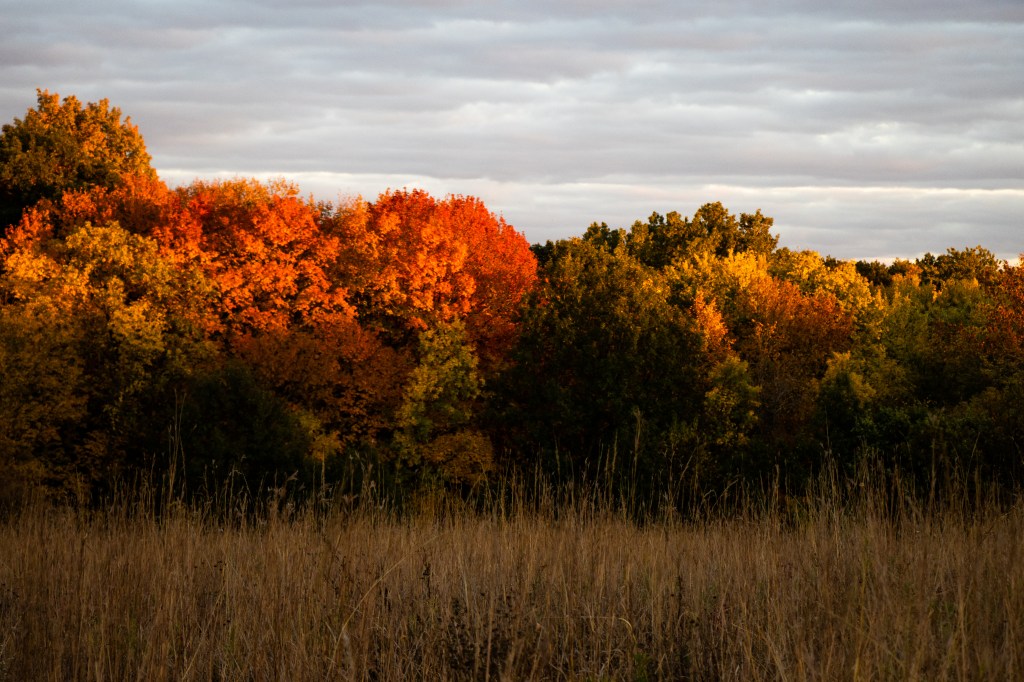
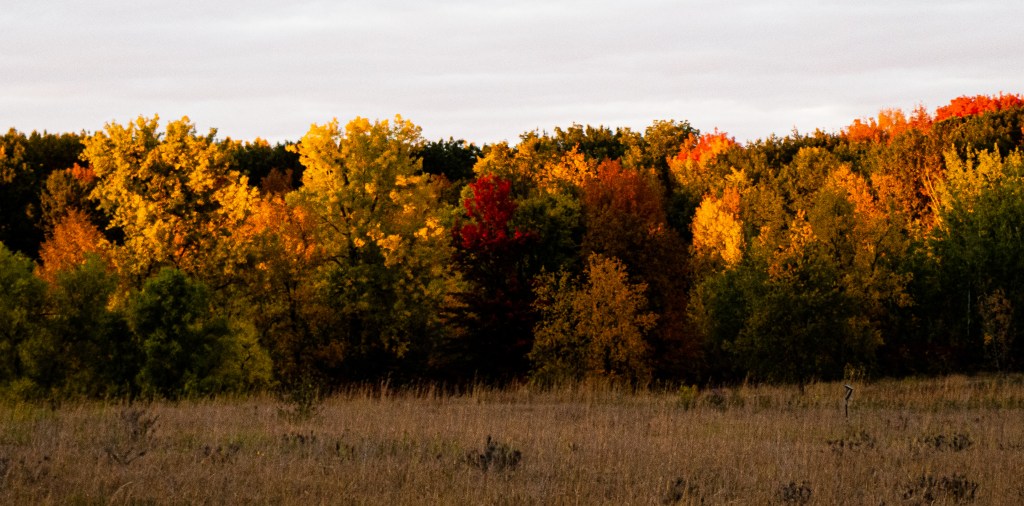
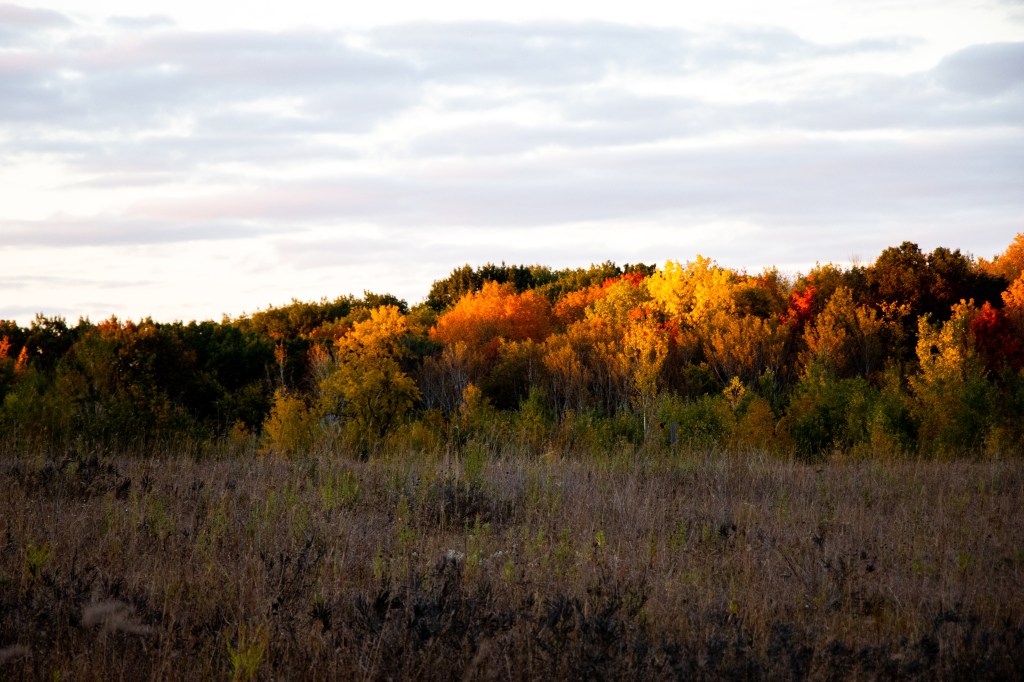
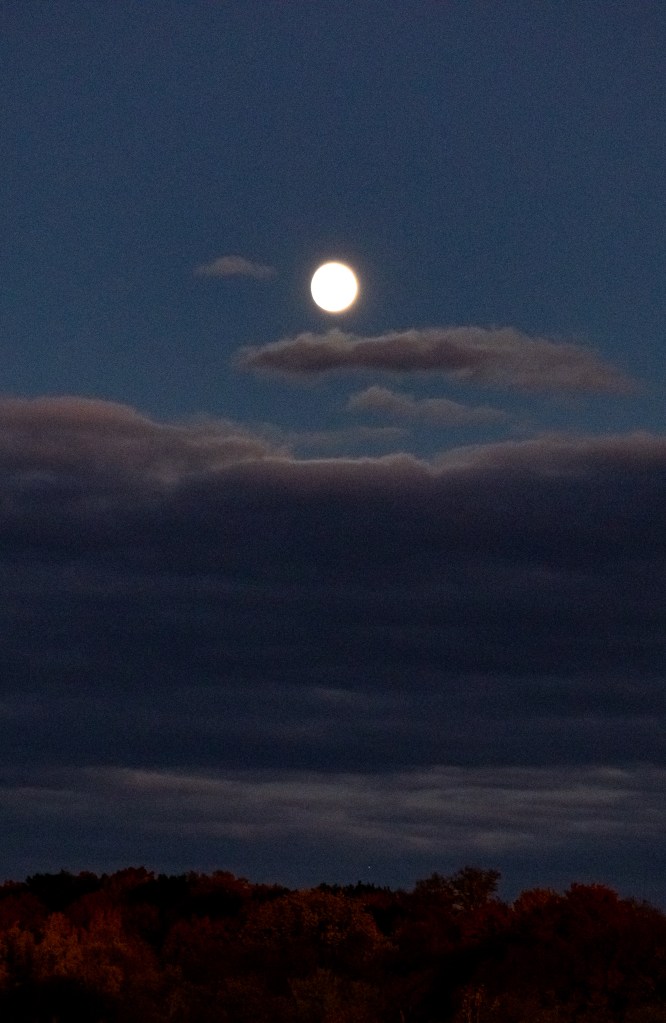
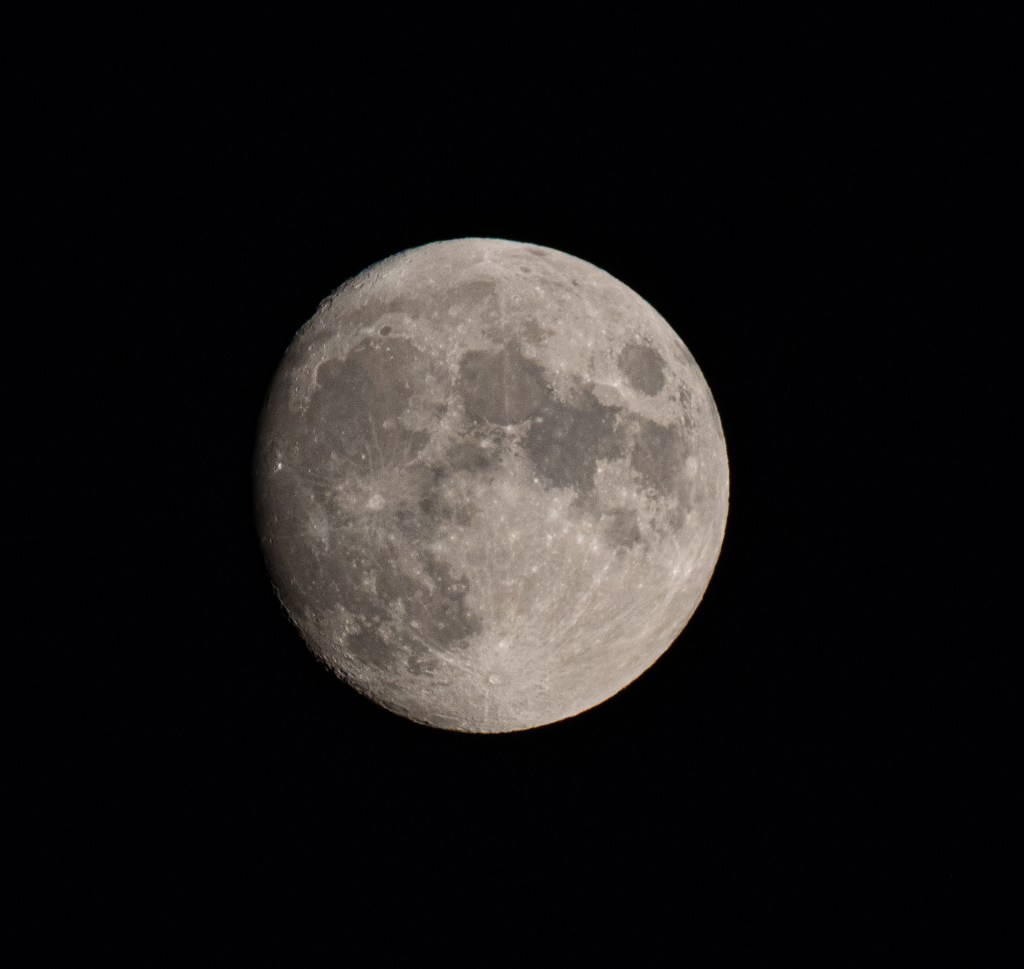
    One evening, in early October, I signed up for a golden-hour photography hike at Eastman Nature Center. As I hiked around the park reserve, the group took landscape pictures of colorful trees and flowers. As the group was wrapping up the hike, we all heard coyotes yipping in the distance. Last but not least, I got pictures of the moon brightly shining in the sky.

    Luceline Orchard, Watertown MN:

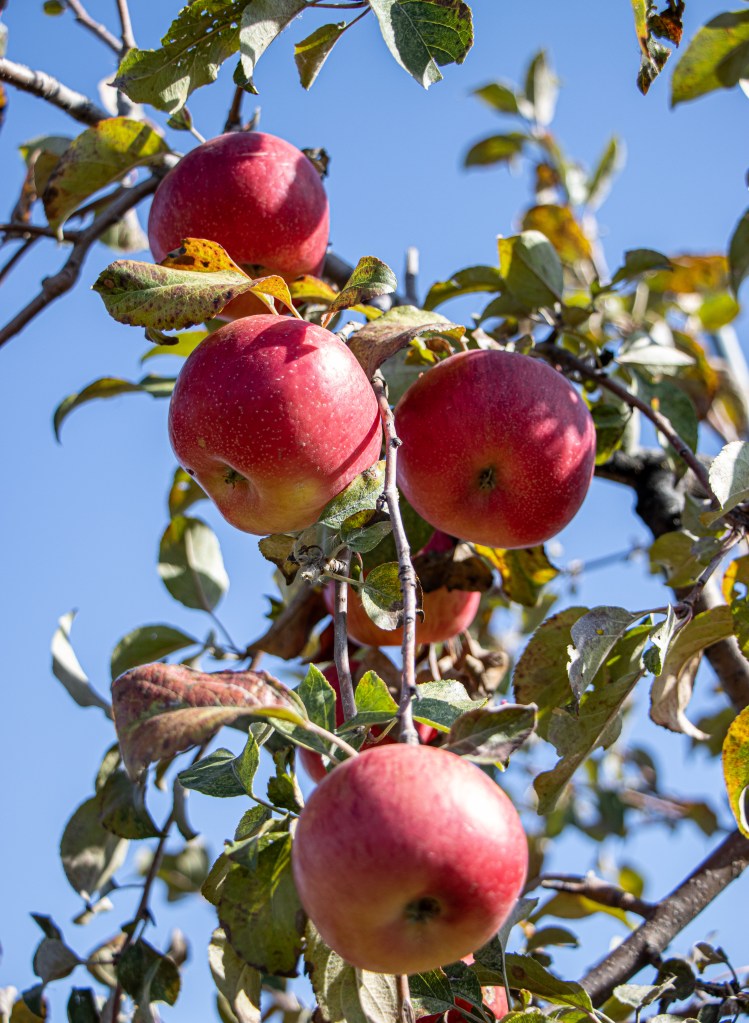
    One cold 40 degrees morning, I went to an orchard to not only pick apples but to photograph anything that interests me. There were several sights to see at the orchard like farm animals, bumpy hay rides, and a corn maze.

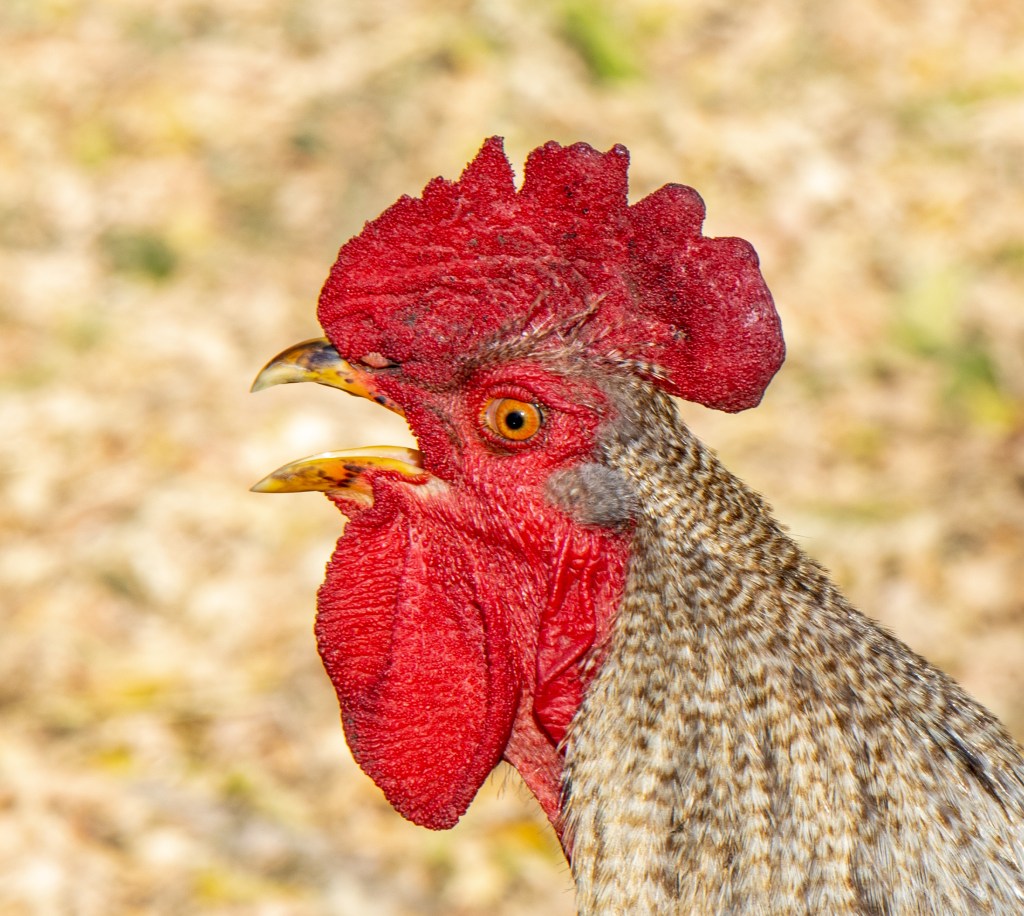
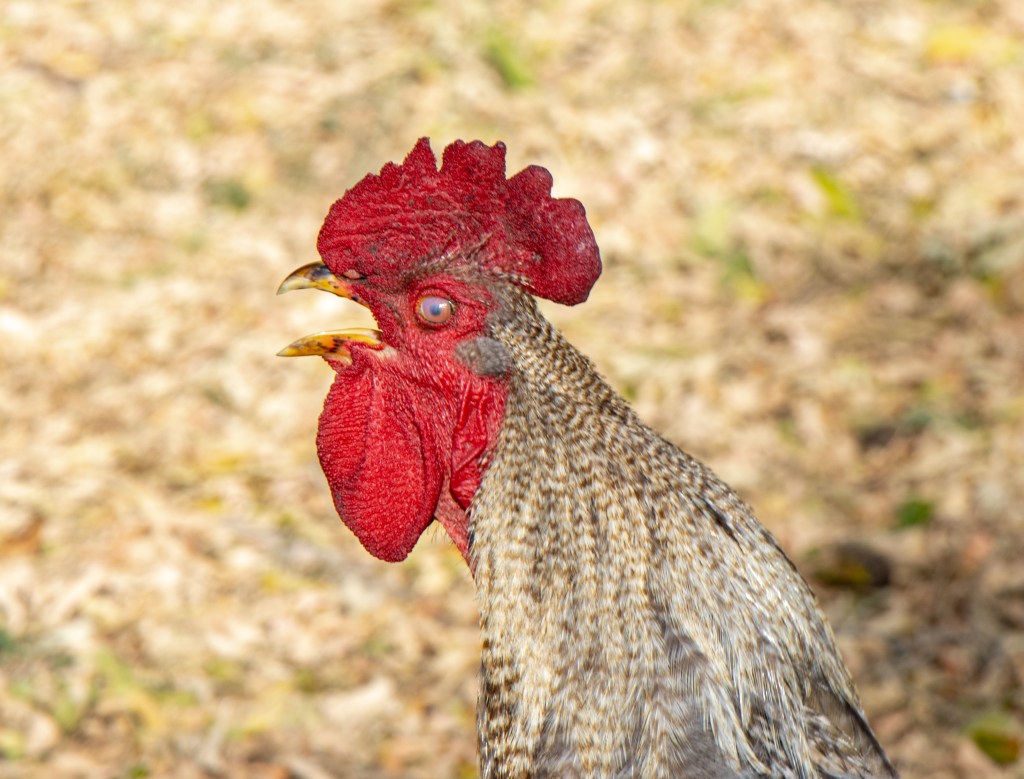
    One thing I noticed while at the orchard, is that roosters have a “nictating membrane” or what is commonly known as a “third eyelid”. The nictating membrane is a transparent membrane protecting the eye while maintaining visibility. Animals like fish, reptiles, birds, and most mammals all have it.

    Lowry Nature Center, Victoria MN:

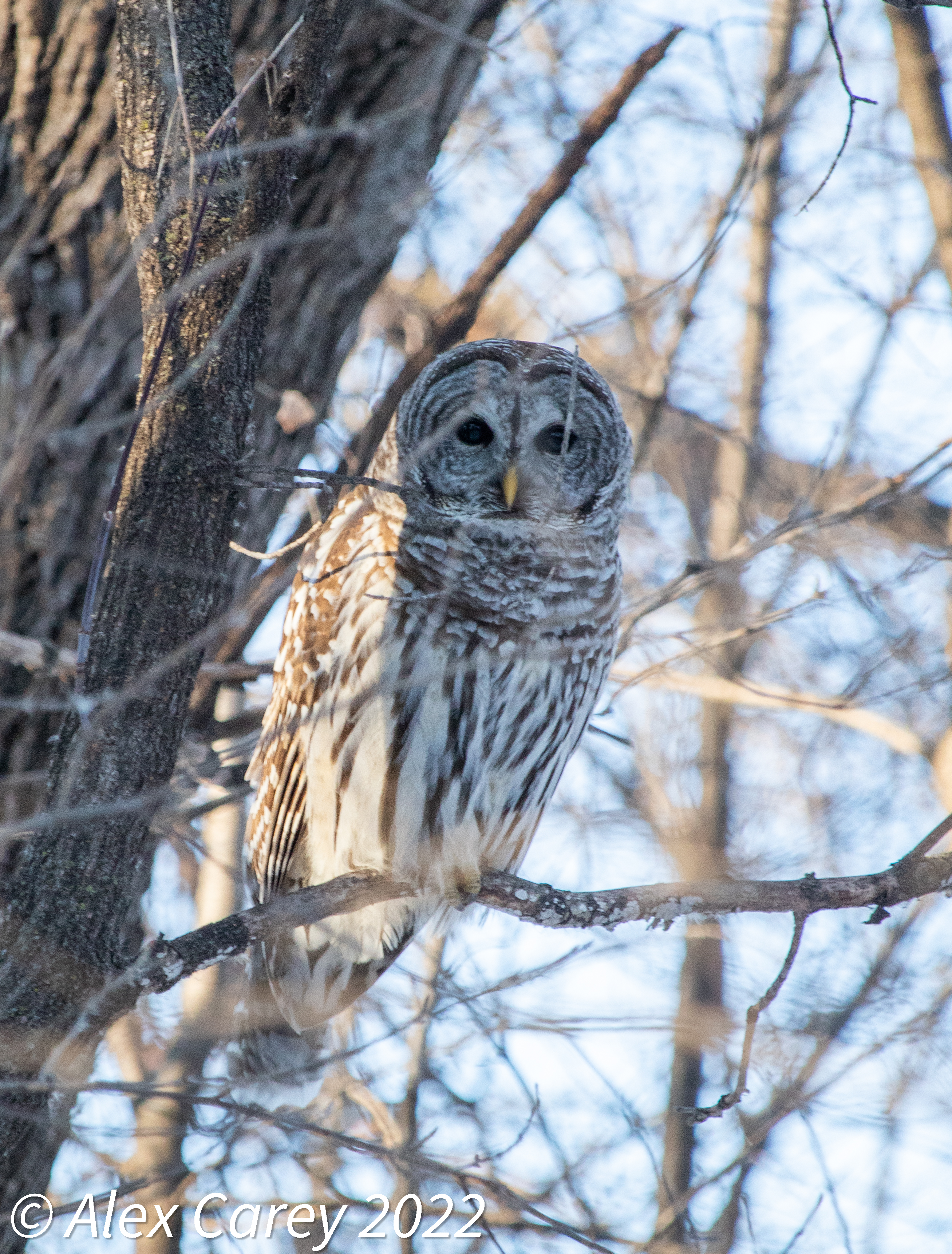
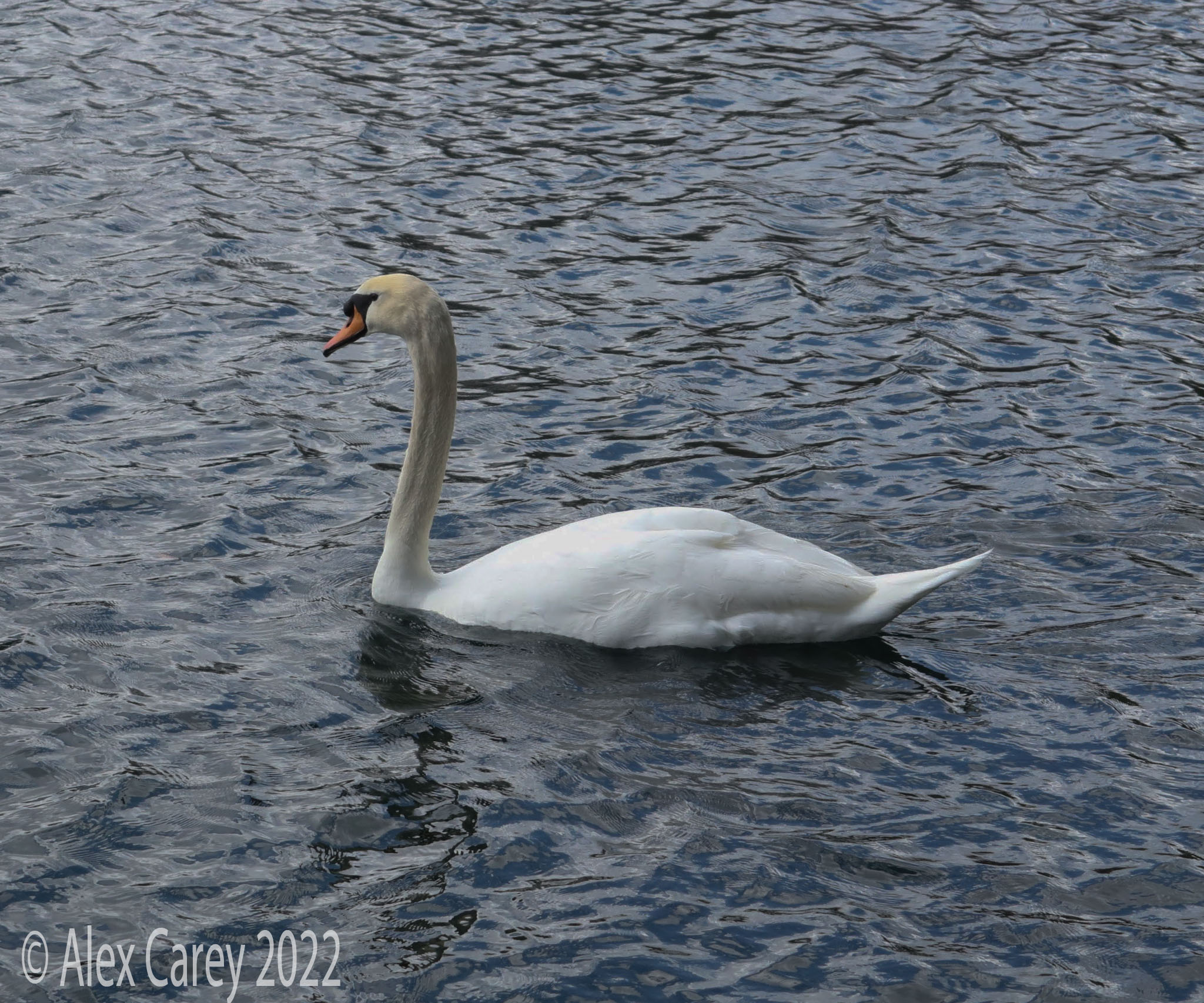
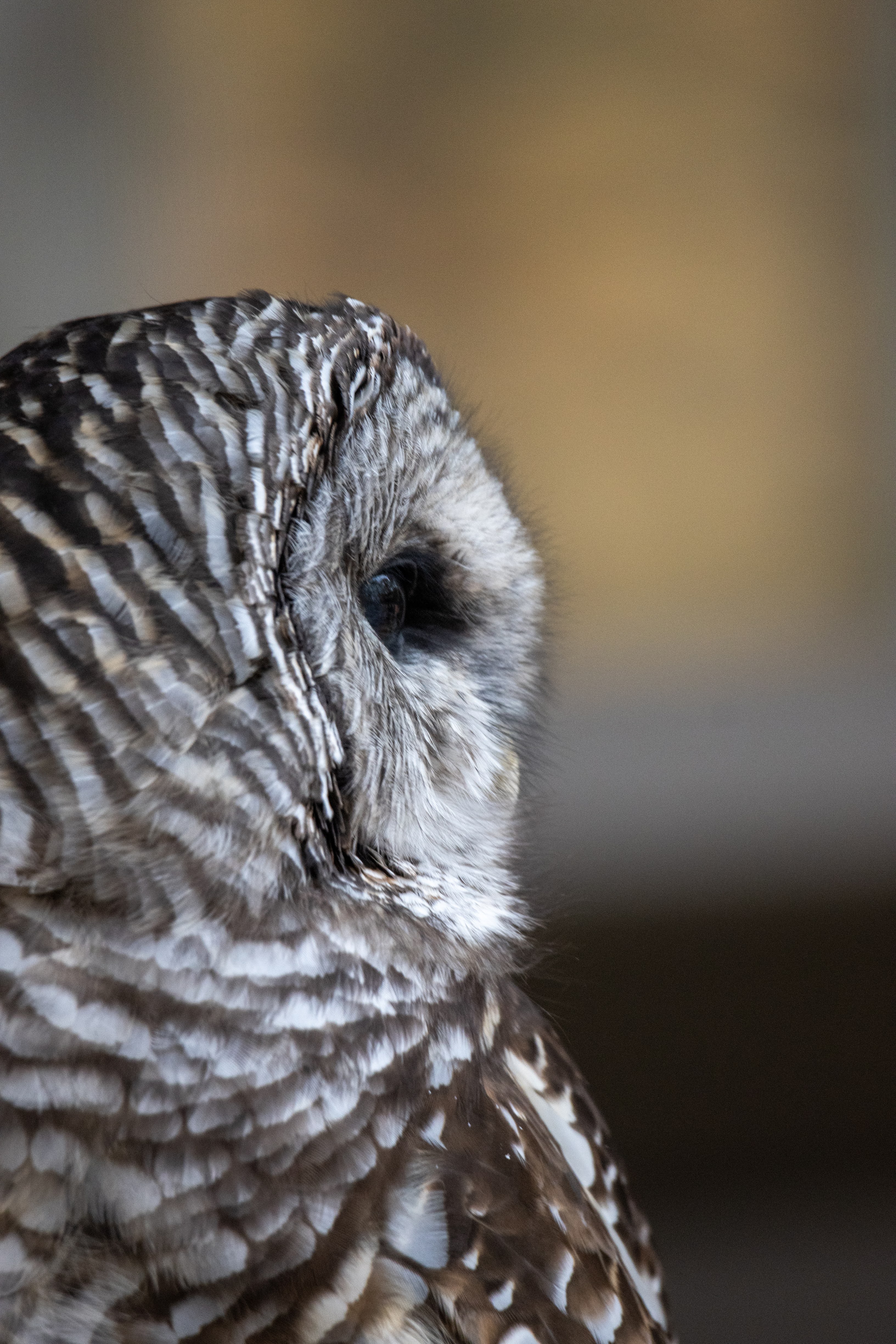
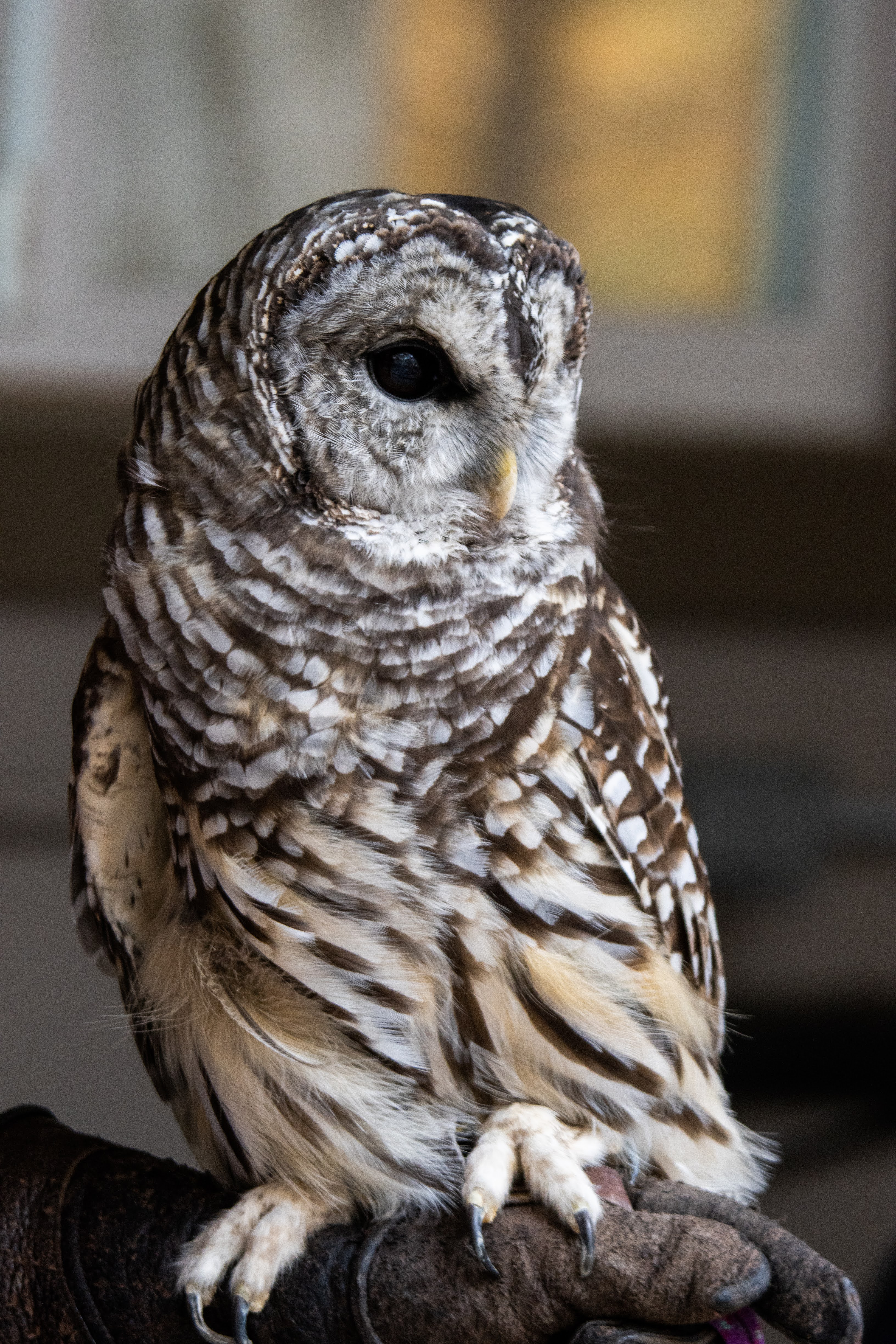
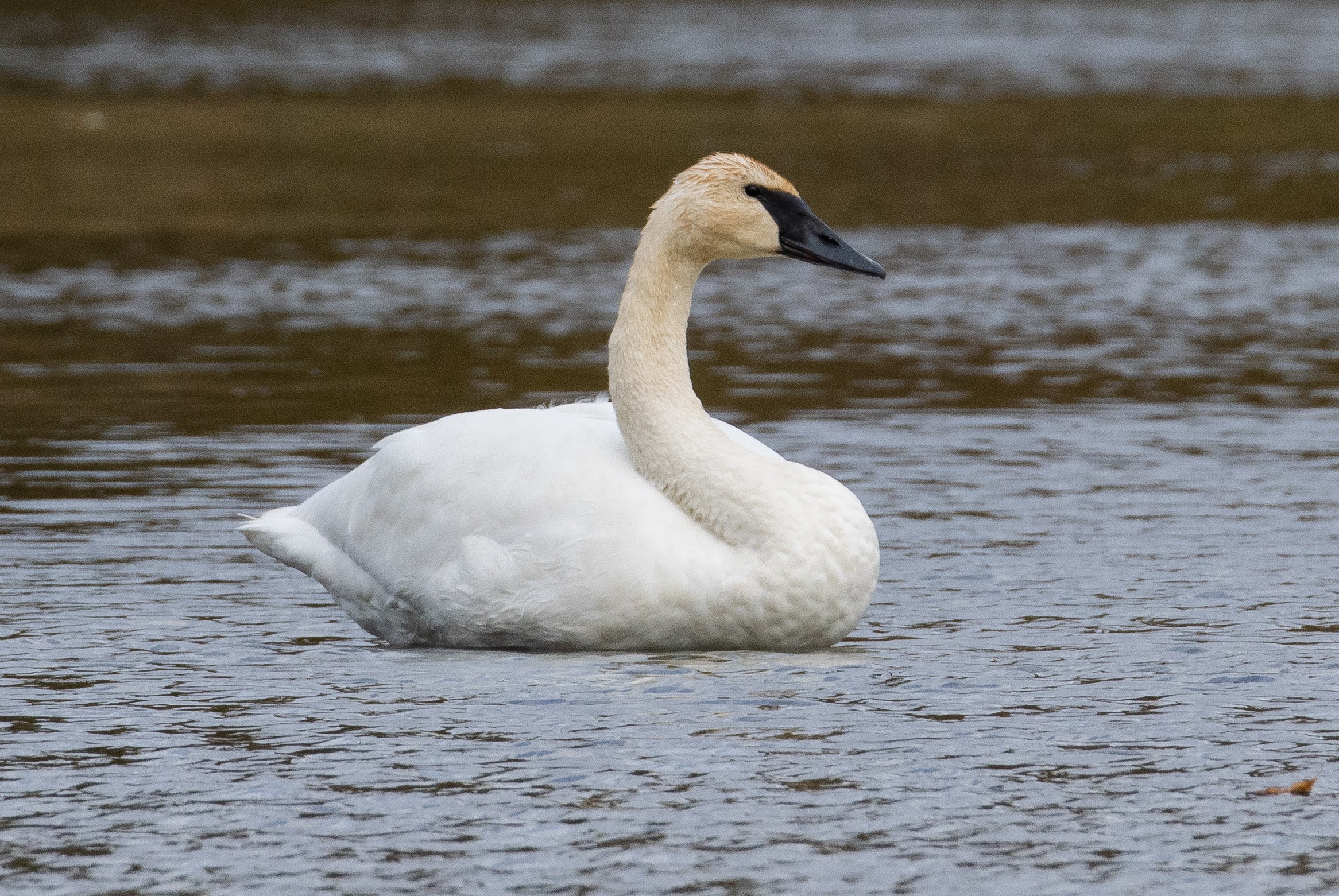
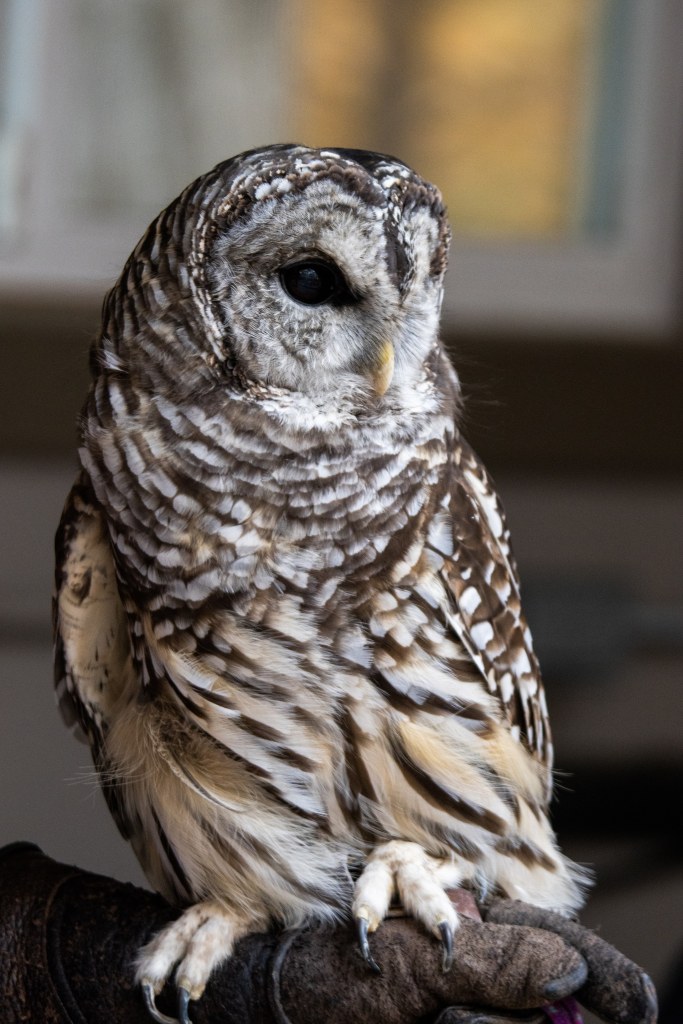
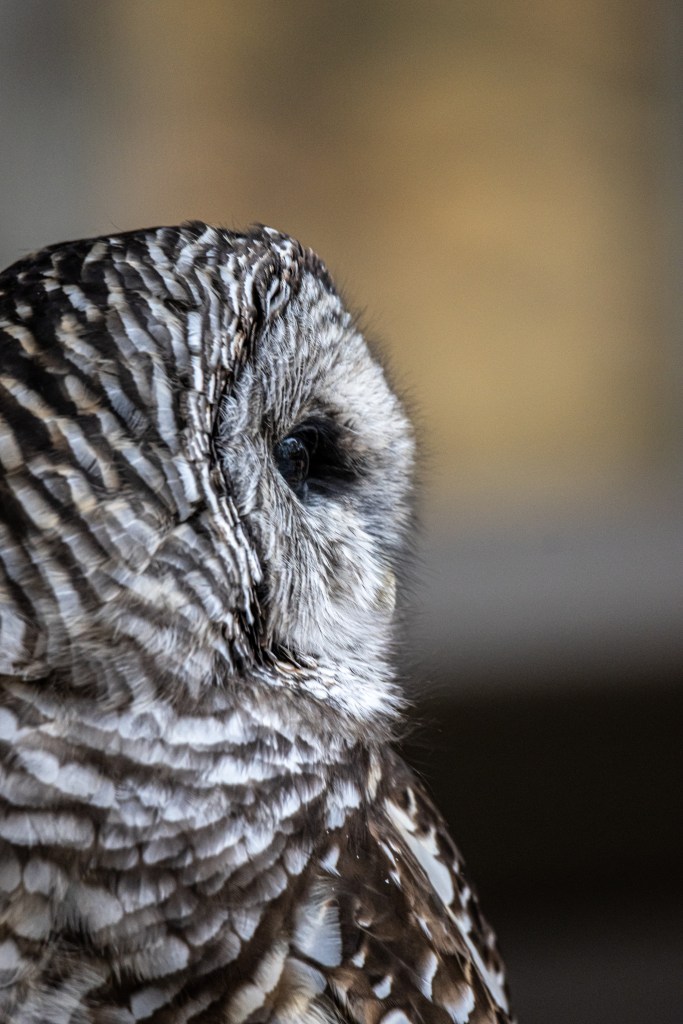
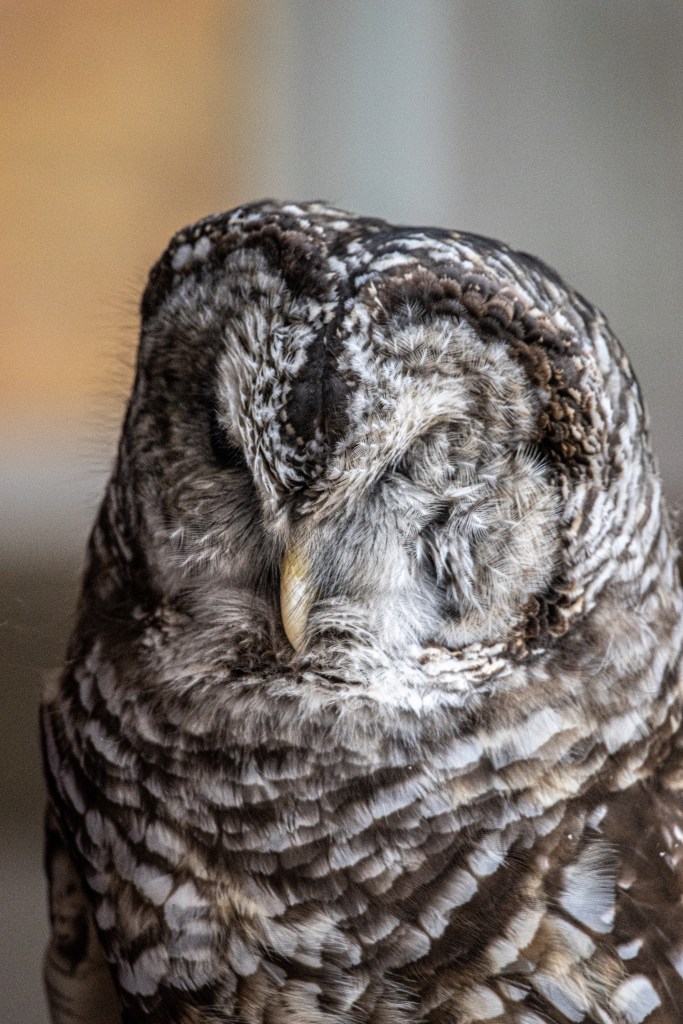
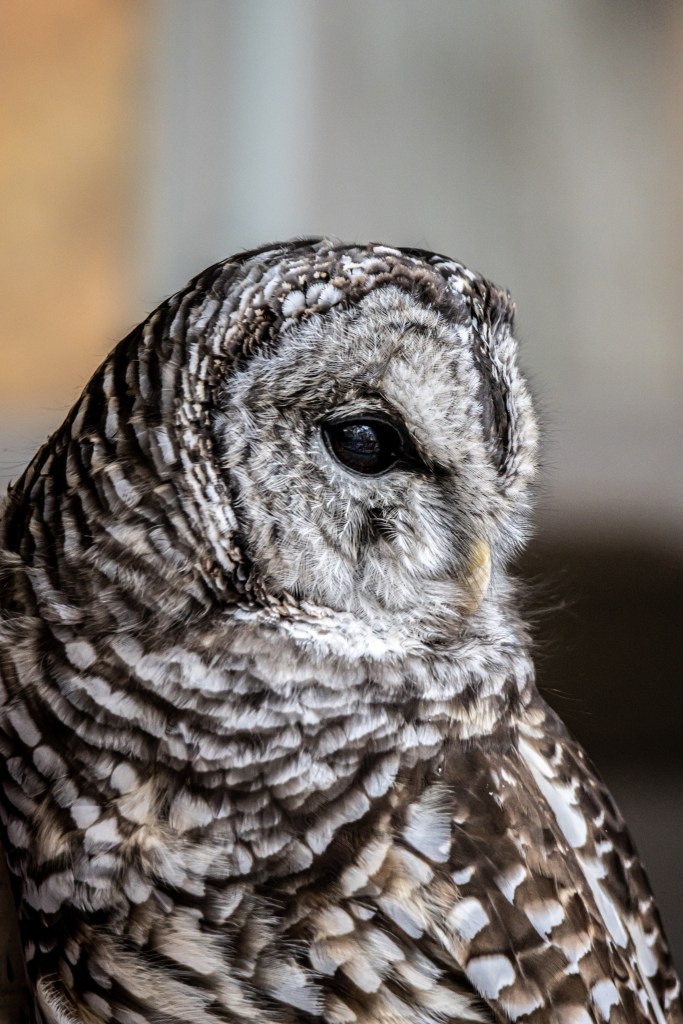
    Lastly, I went south to Lowry Nature Center for a raptors program they had and got a few shots of the Barred Owl they were showing. After the event, I decided to walk some of the park looking for any other birds to photograph. On my way out, I got a picture of a Trumpeter Swan resting on a shallow part of the pond.

    Hope you enjoyed the photos from places in Minnesota during the fall.
    I want to let you know, that I just recently started selling nature calendars for 2023, click the link if you are interested in ordering one.

    Form: https://forms.gle/AxVSDWF3rCqP5LW27

  • Green Heron

    Green Heron

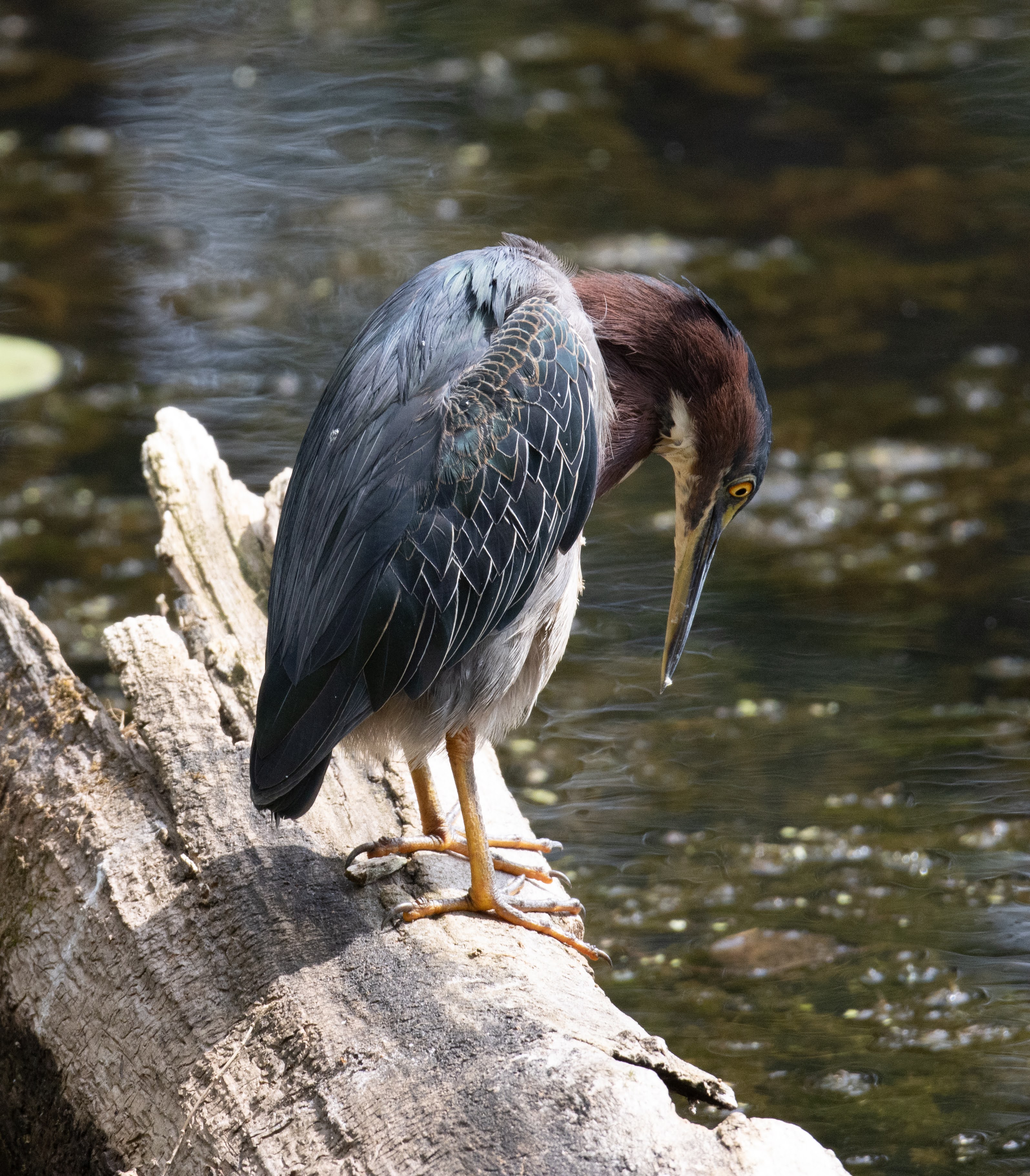
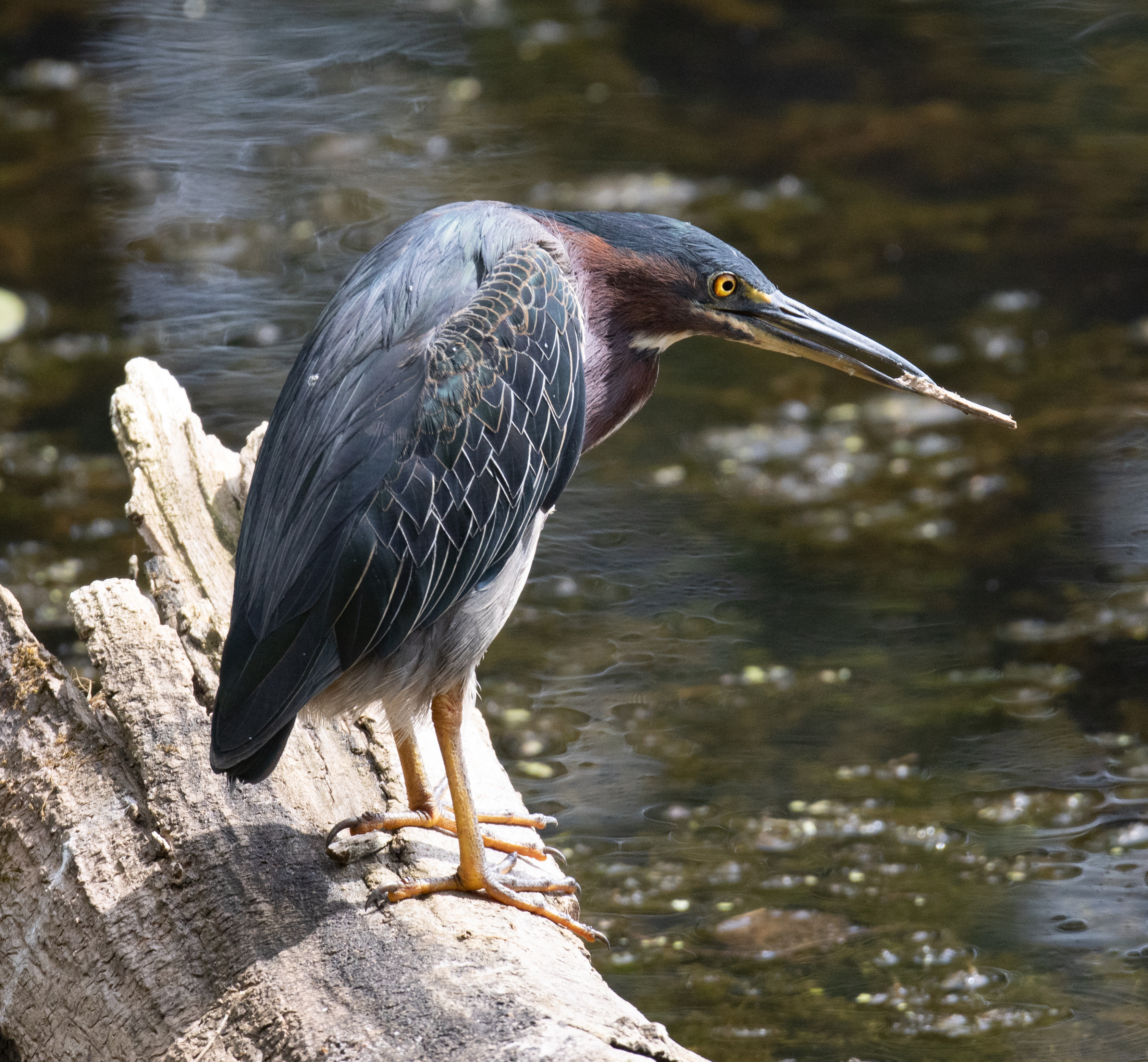
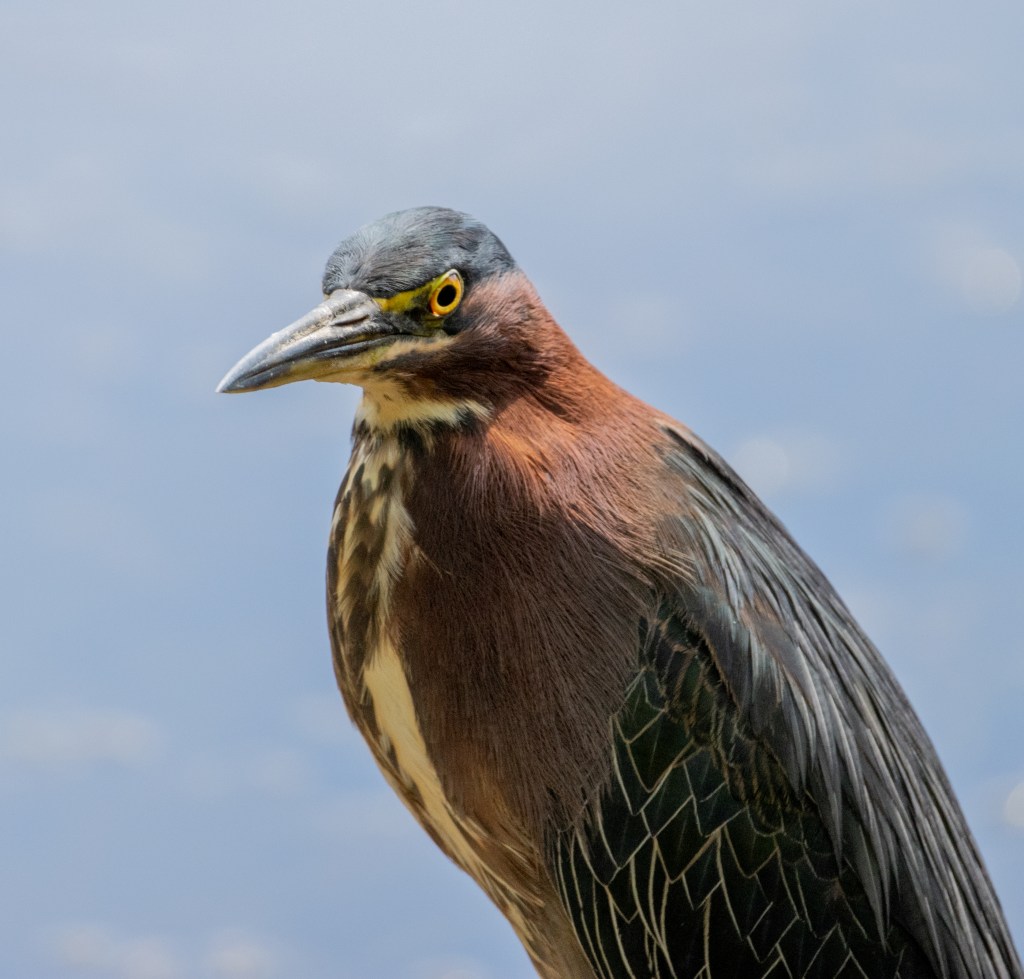
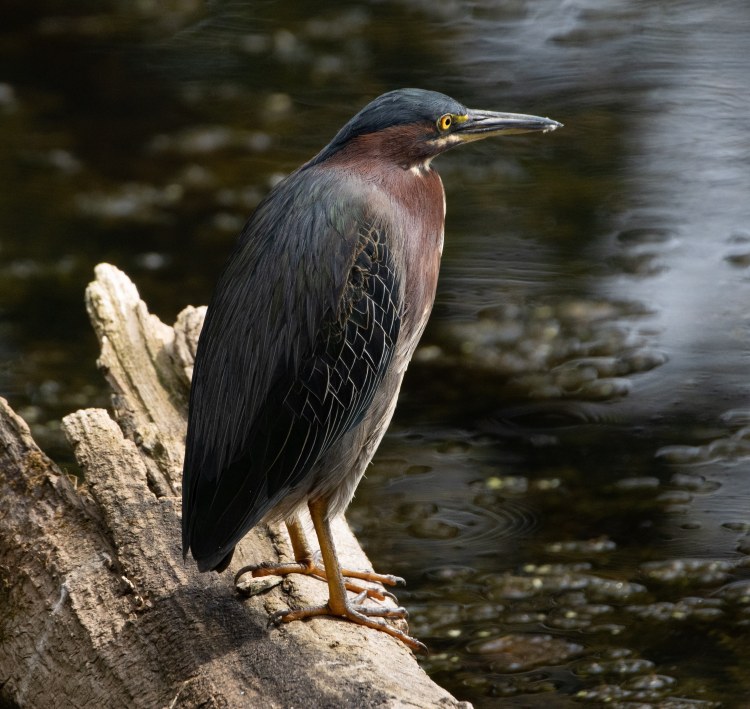
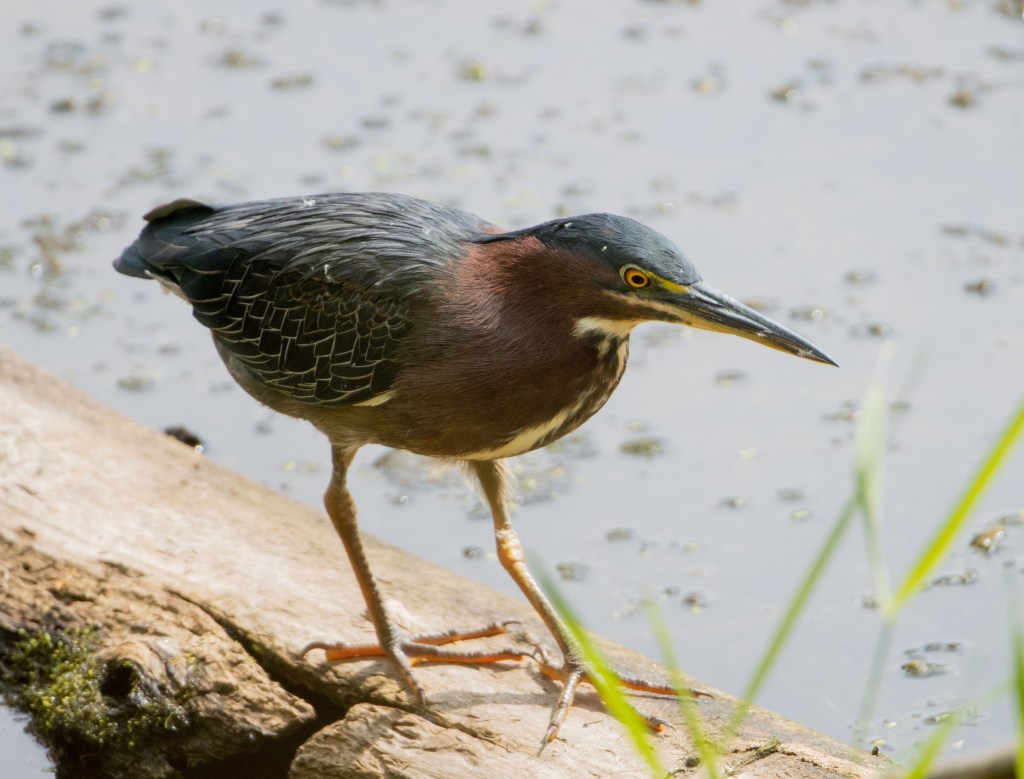
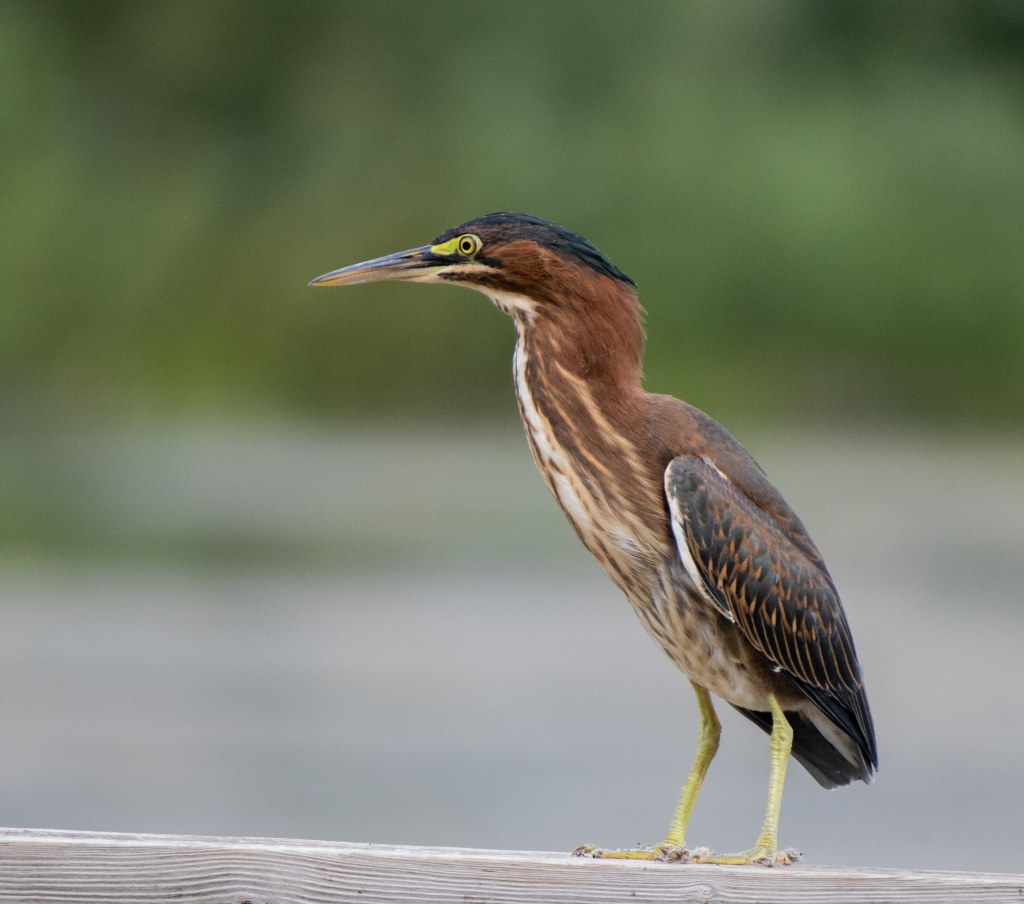
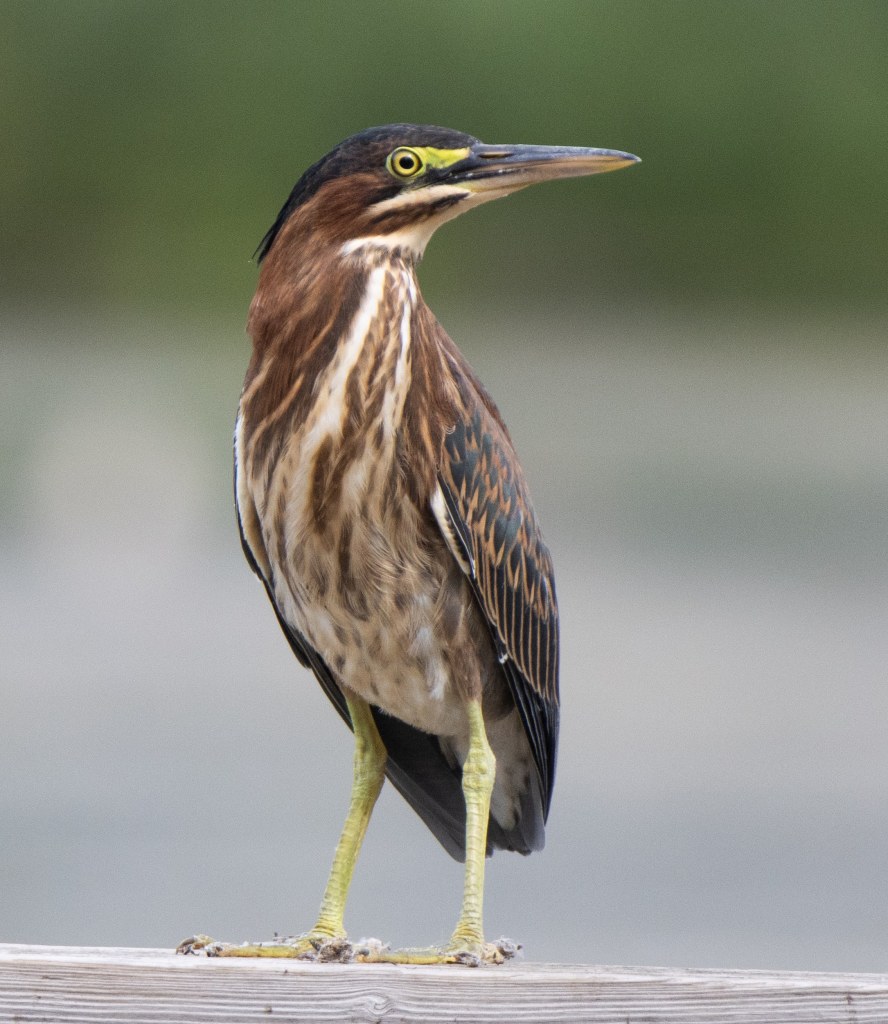
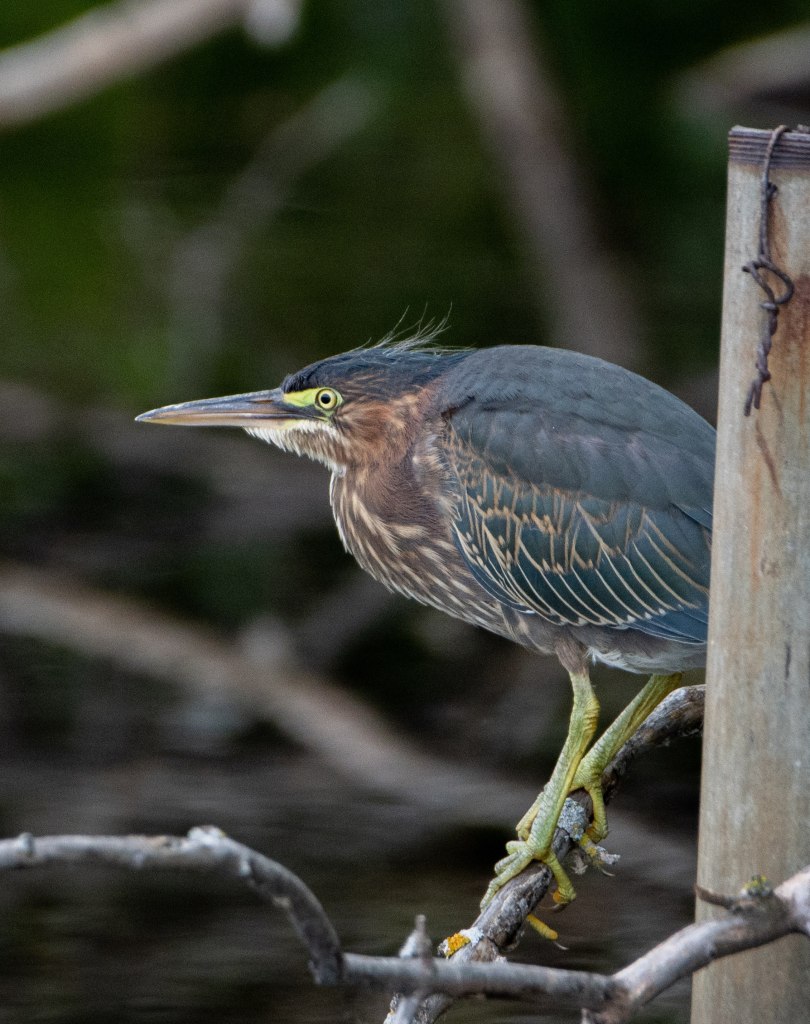
    A few weeks ago, I went to Langton Lake Park located in Roseville, Minnesota to photograph some birds. I have never photographed a green heron before, so I was hoping I would get a picture of one before they migrated south this year. To my surprise, I found 5 green herons at the lake! The green heron is a small dark-colored bird that often looks like it doesn’t have a neck. Whereas other herons tend to stand in open water hunting for prey, green herons tend to be near the edge of shallow water. This bird was fun to photograph, and just observing how they hunt is fascinating.

    Green Heron

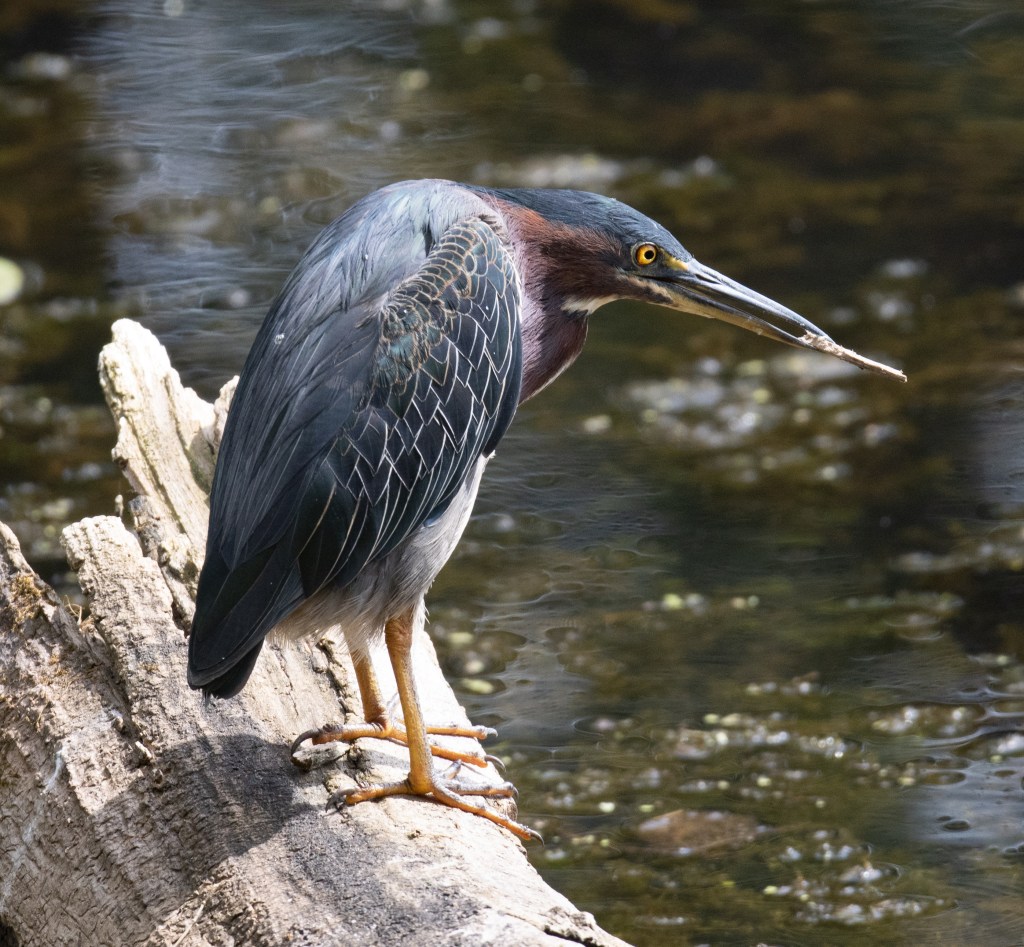
    The green heron is a fascinating bird and one that is clever when catching its own food. When I was observing one at the lake, I noticed it was dropping insects and sticks in the water trying to entice the fish. They are one of the few birds to use this method. Their diet mainly consists of minnows, sunfish, perch, crayfish, frogs, and catfish. They also feed on insects like spiders, caterpillars, reptiles, amphibians, snails, and anything else that can fit in their mouth. To catch food, they strike at prey with their sharp dagger-like bill. When visiting a wetland, carefully scan the banks for a small dark-colored bird staring intently at the water.

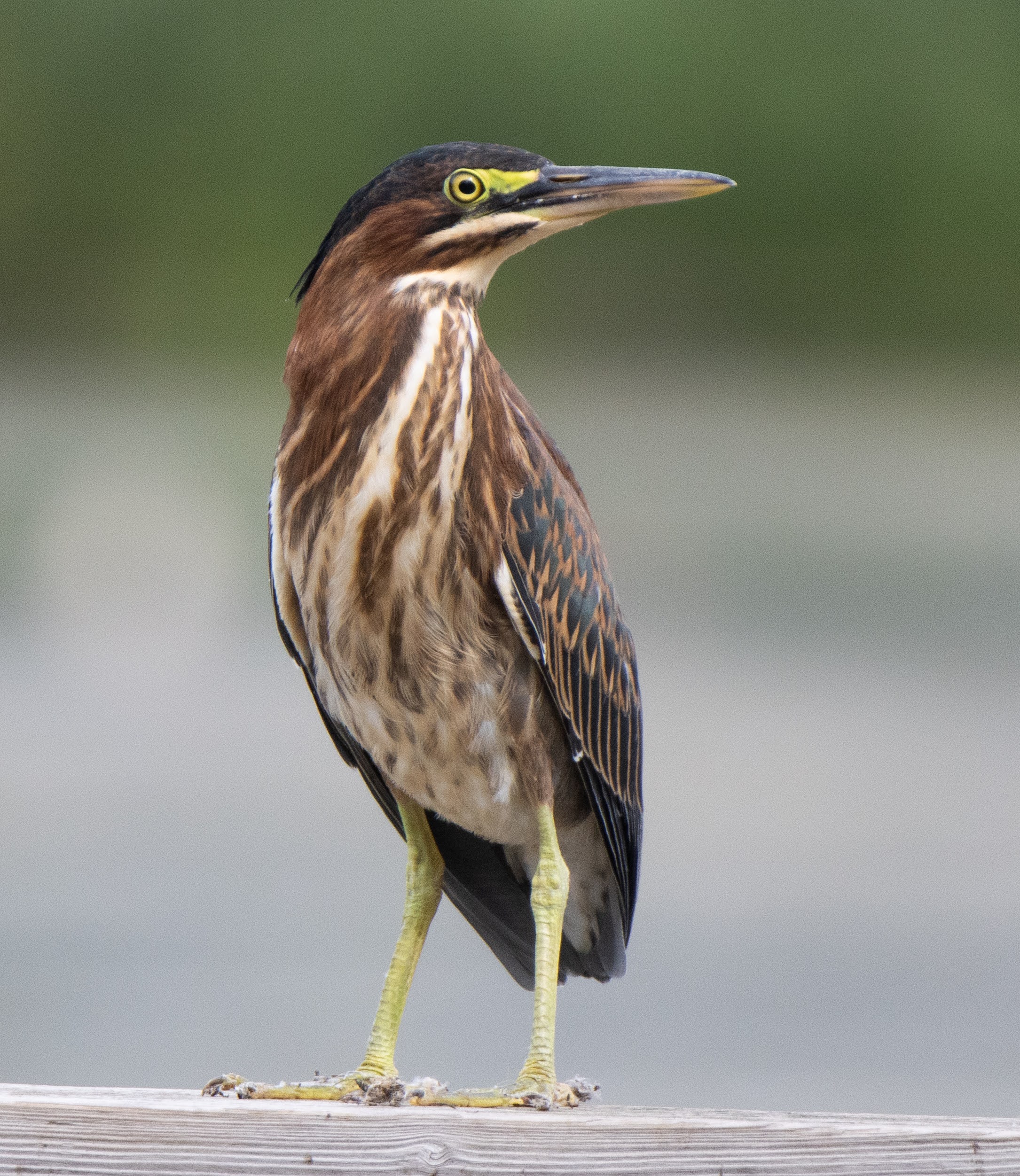
    After observing the heron for a while I decided to move on looking for another green heron. Like other herons, they nest in high-up trees and conceal their nest from predators. The male will find an area and start building the nest and later will pass it off to his mate who will finish it by shaping it. They also will renovate abandoned nests or even take sticks and use them for their own. They will have three to five eggs and incubation will take about twenty-two days. Both parents will feed the chicks and when they get older and are almost grown up they will often fight and compete for food when a parent arrives. The difference between a juvenile and an adult is that the adult will be dark-colored and have a dark rufous neck and the juvenile will have a streaked neck and a slight crest. After walking around the lake, I found a juvenile green heron on a small dock.

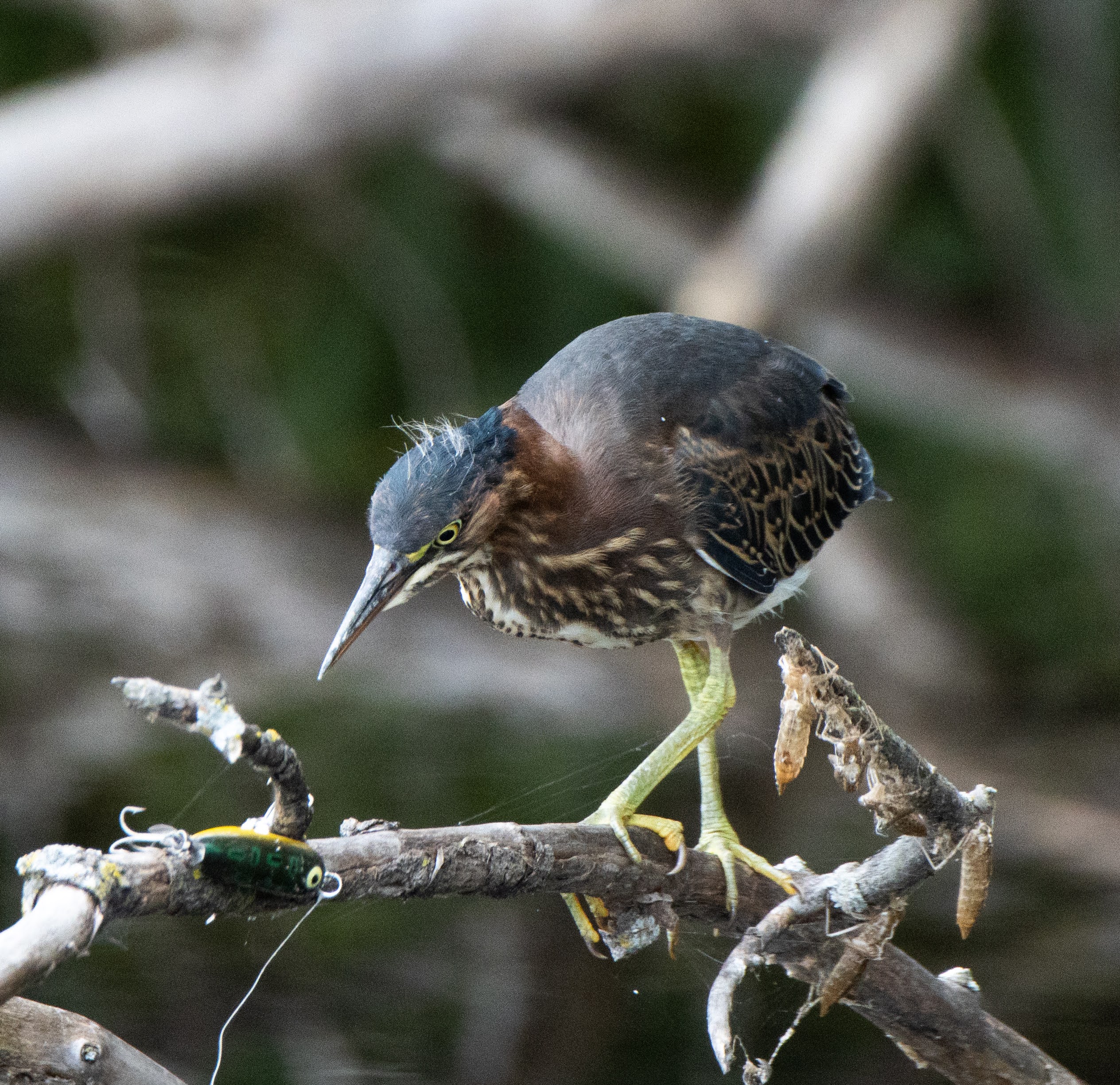
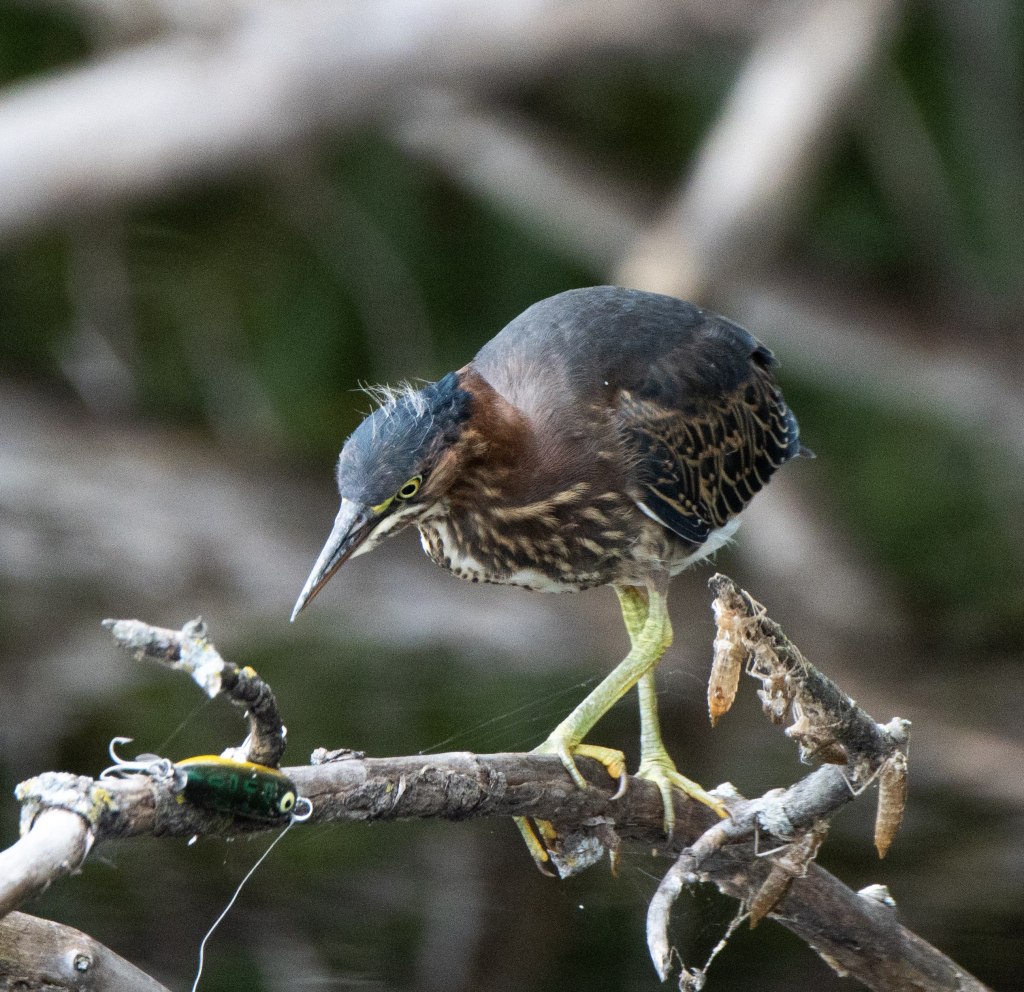
    At the end of my trip to Langton Lake, I noticed a juvenile heron curiously looking at a fishing lure that was caught on a dead tree branch. After staring at it for a few minutes, it decided to leave looking for something else to catch. I also saw a great blue heron, double-crested cormorant, wood ducks, and mallard ducks.

    Please consider following my blog for more upcoming posts in the future.

  • My Summer as a Pathways Intern

    My Summer as a Pathways Intern

    This Spring, I found out Three Rivers Park District had a Pathways Internship Program that hires high school and college students to work at different locations throughout the park district as a paid intern. I’ve always had a passion for the outdoors and a desire to share it with others. This seemed like the perfect opportunity for me. I applied for a position in Outdoor Education. After a few emails and an interview, I received the great news that I was accepted to work at Mississippi Gateway Regional Park!

    Mississippi Gateway Regional Park

    My Internship Experience

    The first week of my internship was onboarding, training, and meeting the staff at the park. As an Outdoor Education Intern at Mississippi Gateway Regional Park, my main focus was working with the professional naturalists and helping them lead the educational summer programs in the park. The following week was my first camp of the summer, and it was called “Wildlife Adventures”. It was adventurous for sure– from digging for critters to exploring the Mississippi River, there was never a dull moment. It was a great way to kick off my summer intern experience!

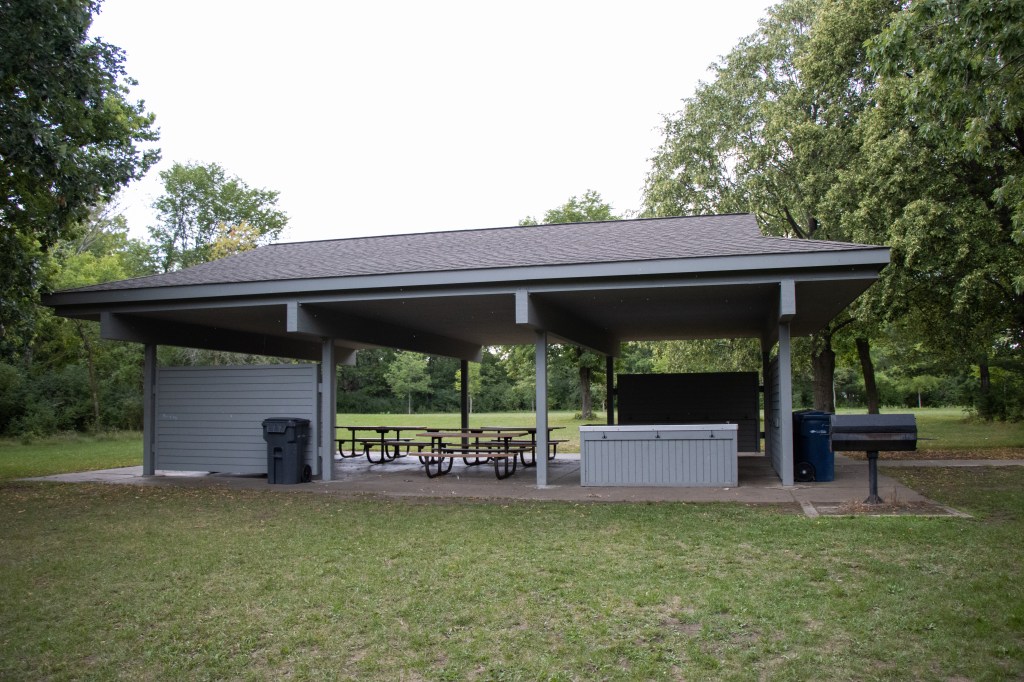
    Picnic Shelter where we did most of the Summer Camps and Programs

    Overall, the summer camps went very well. I spent a lot of time playing games and doing activities with the kids. Throughout the summer, I got to work with lots of kids, which I really enjoyed. We participated in many different fun activities, like making fires, birding, archery, catching critters, rafting, and fishing the Mississippi River. I got to know many naturalists and volunteers. In some of the camps, we got to fish the Mississippi River and caught various fish.

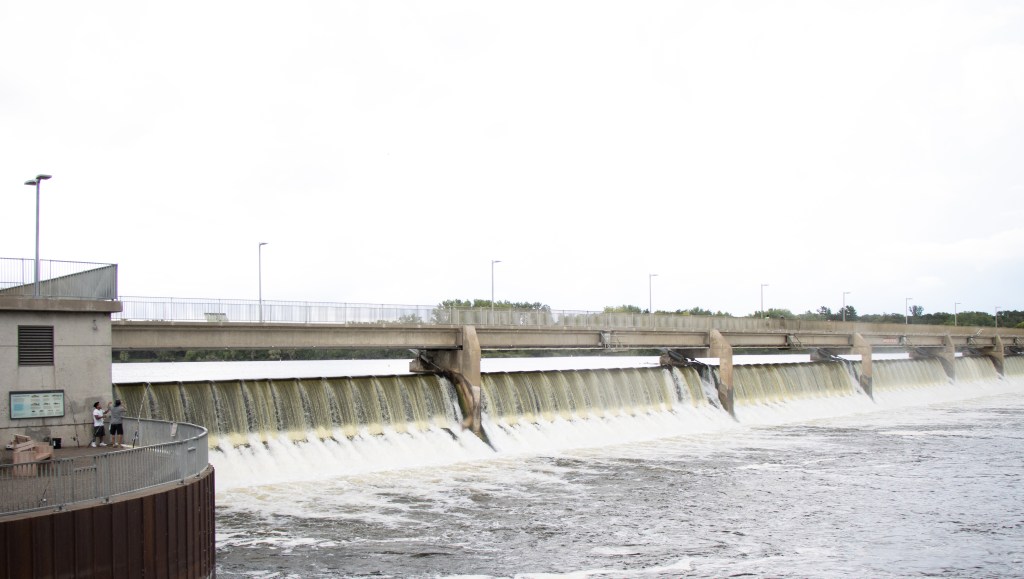
    Overlooking the Coon Rapids Dam and Mississippi River

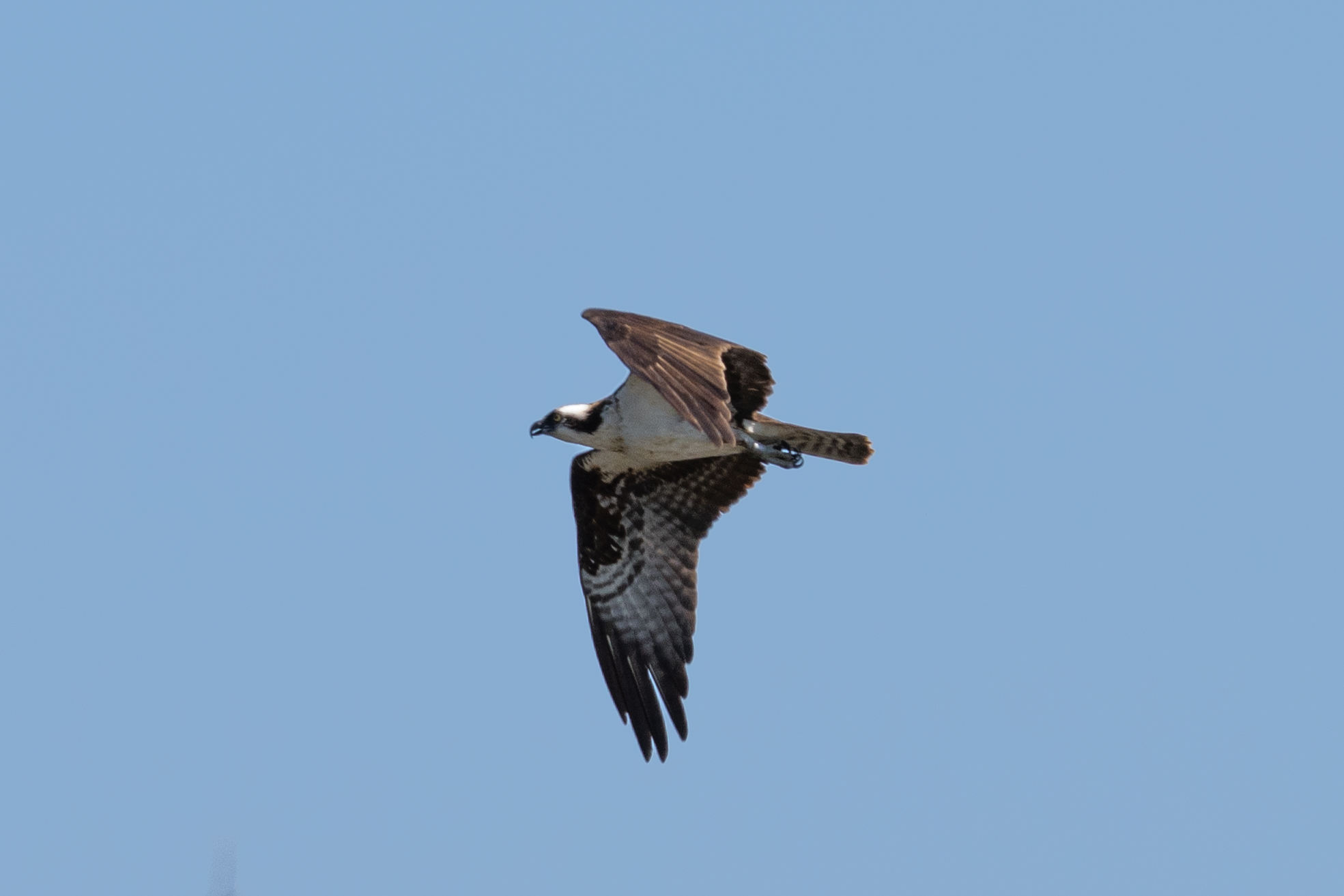
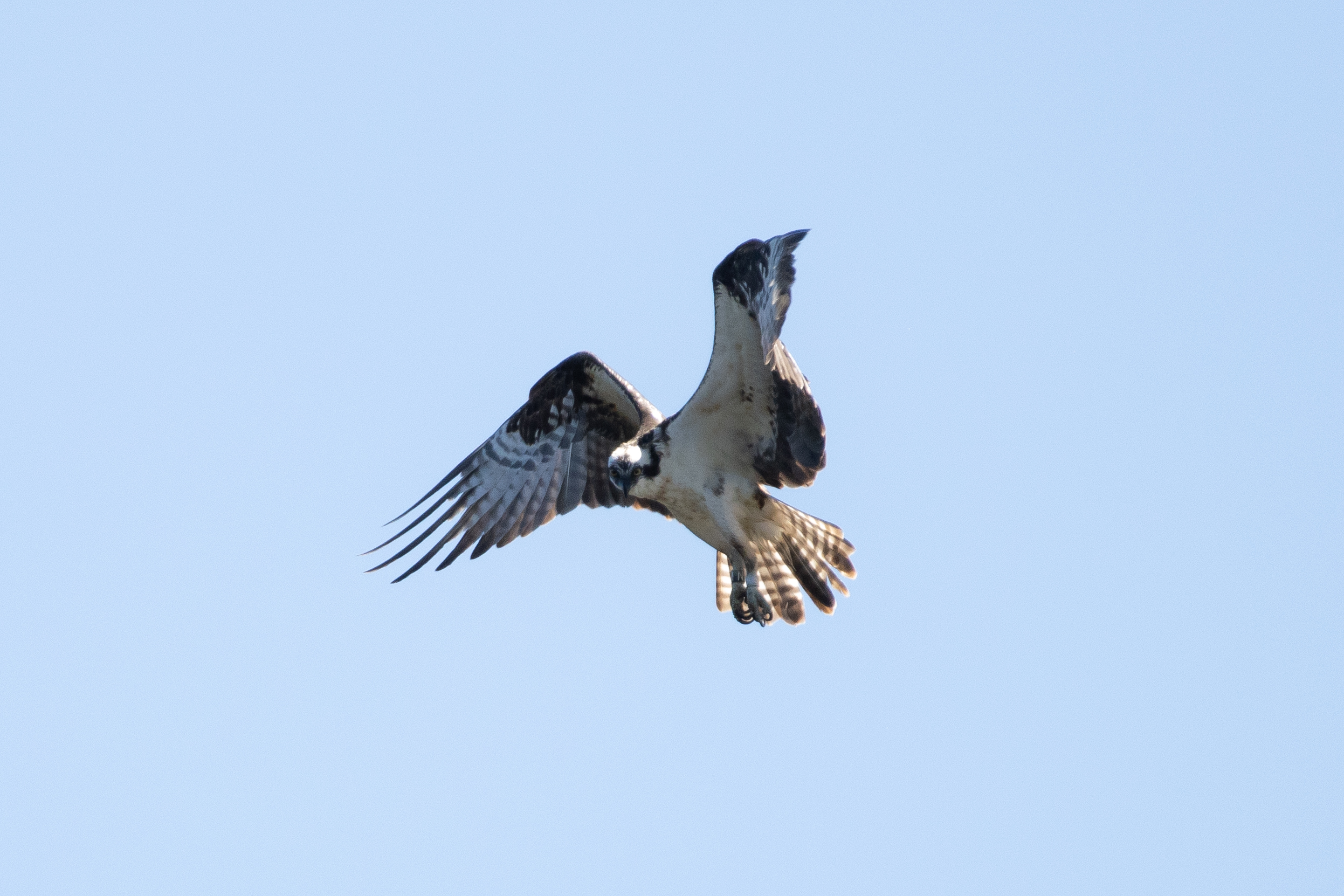
    I have never been at a summer camp before so seeing not just how it works, but how the behind-the-scenes work was pretty interesting. A highlight of my internship was that even though I was the intern who was learning, I got to lead a birding activity. We spotted a few birds while walking around the park, like Bald Eagles, Ospreys, Great Blue Herons, and Green Herons. Summer camps are a blast; you never know what to expect each day, and interacting and playing with the kids is fun.

    The Pathways Program

    One of the Program’s goals is for the interns to gain knowledge that can help them make decisions for their futures.

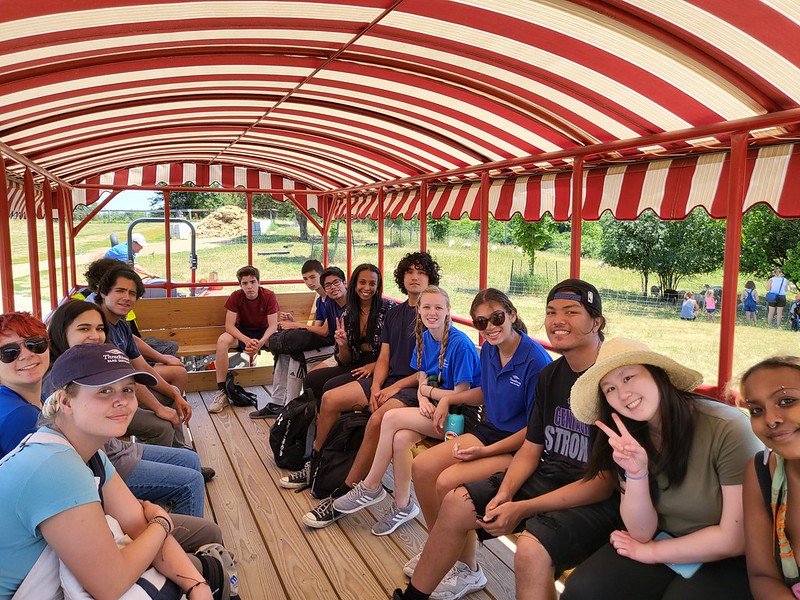
    Pathways Interns on a Development Day at Gale Woods Farm

    Over the summer, we had development days in which we learned skills like resume writing, networking, and learning from professionals.  Another one of their goals is to show that there are many different jobs and positions in the parks, like Outdoor Education/Recreation, Natural Resources/Maintenance, Administrative and more. I have developed valuable experience in these areas, which will serve me well throughout my life.

    What I Learned

    From my experience as a Pathways intern, I’ve found there are numerous career paths in the parks. From the Outdoor Education field, I have learned how the programs run in the parks, as well as skills like resume writing and networking that will help me in the future when I look to get a career or a job. I’ve had a wonderful time serving alongside the naturalists at the park. This opportunity was the highlight of my summer. I’m thankful for the people that invested in me, and I look forward to continuing to develop my passion for the outdoors and sharing the importance of connecting to our natural resources.

  • Pileated Woodpecker

    Pileated Woodpecker

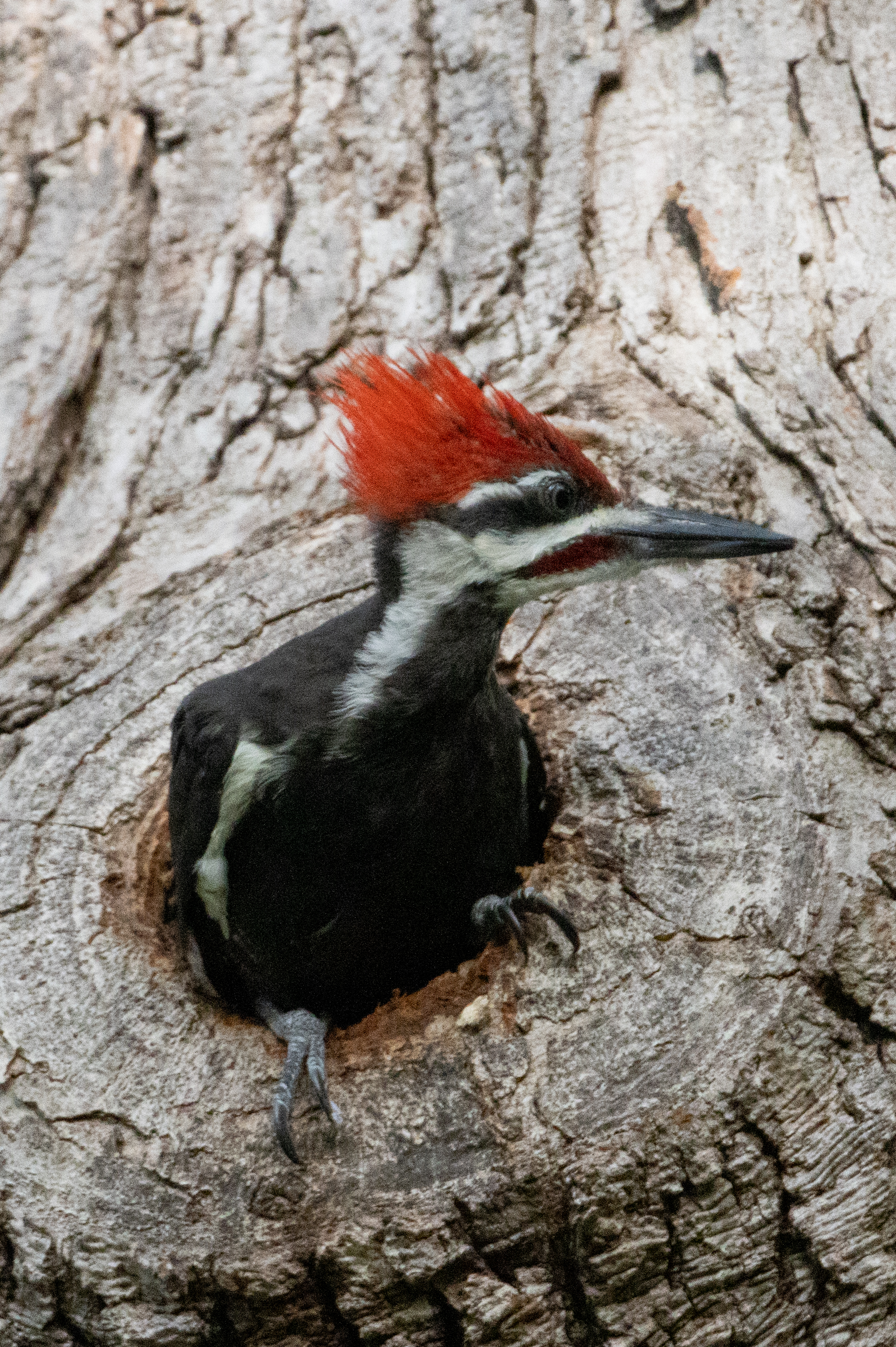
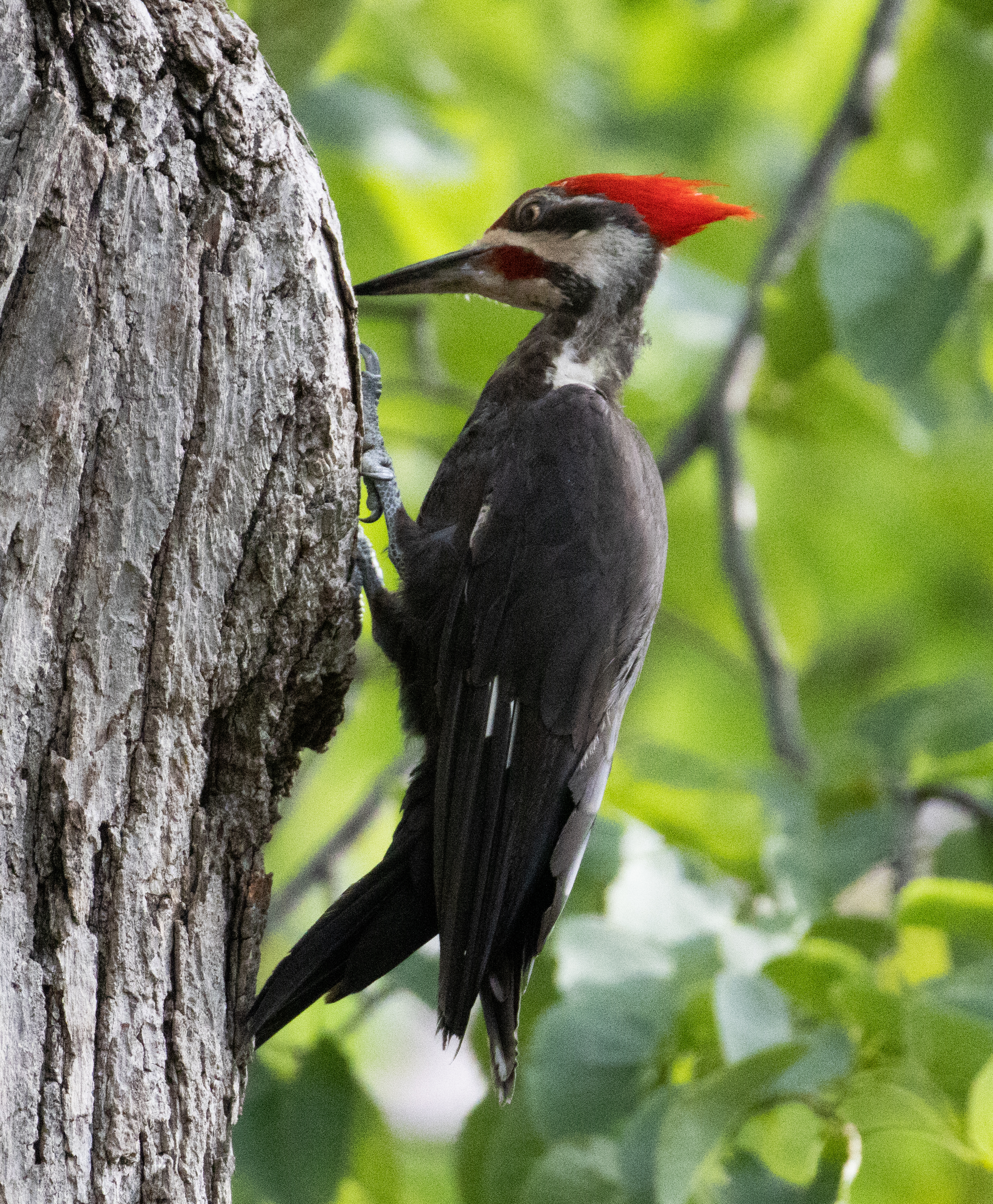
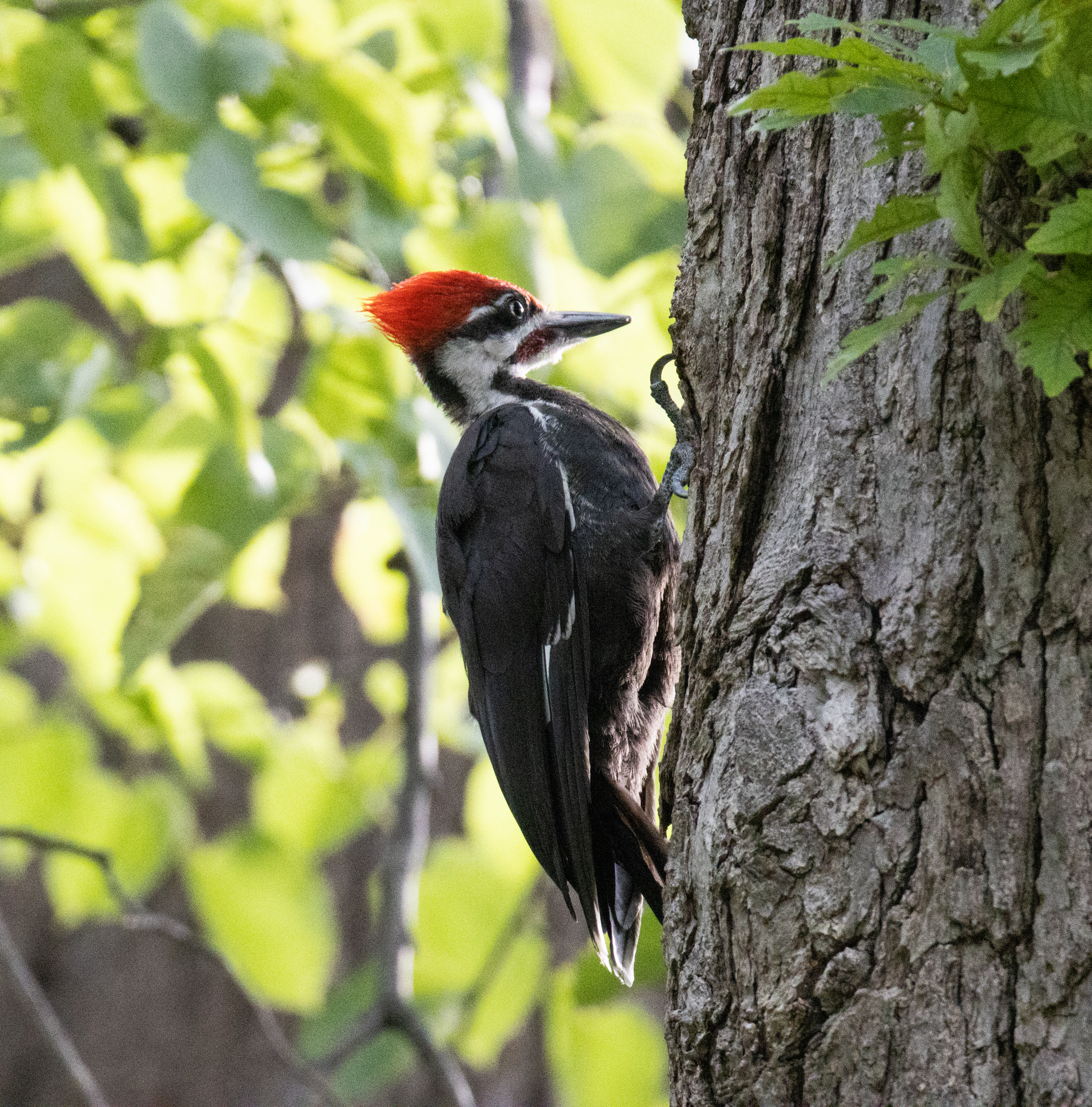
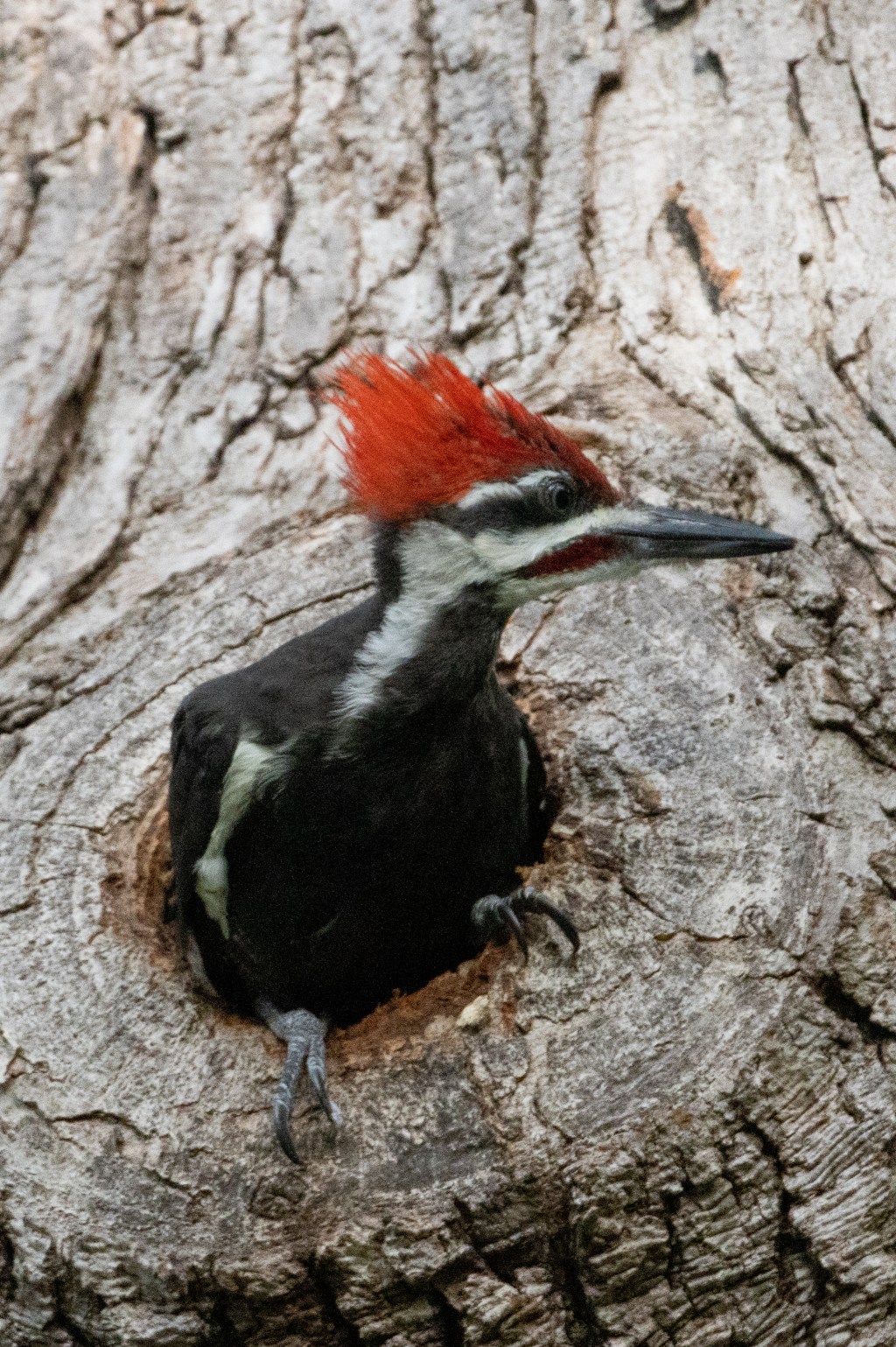
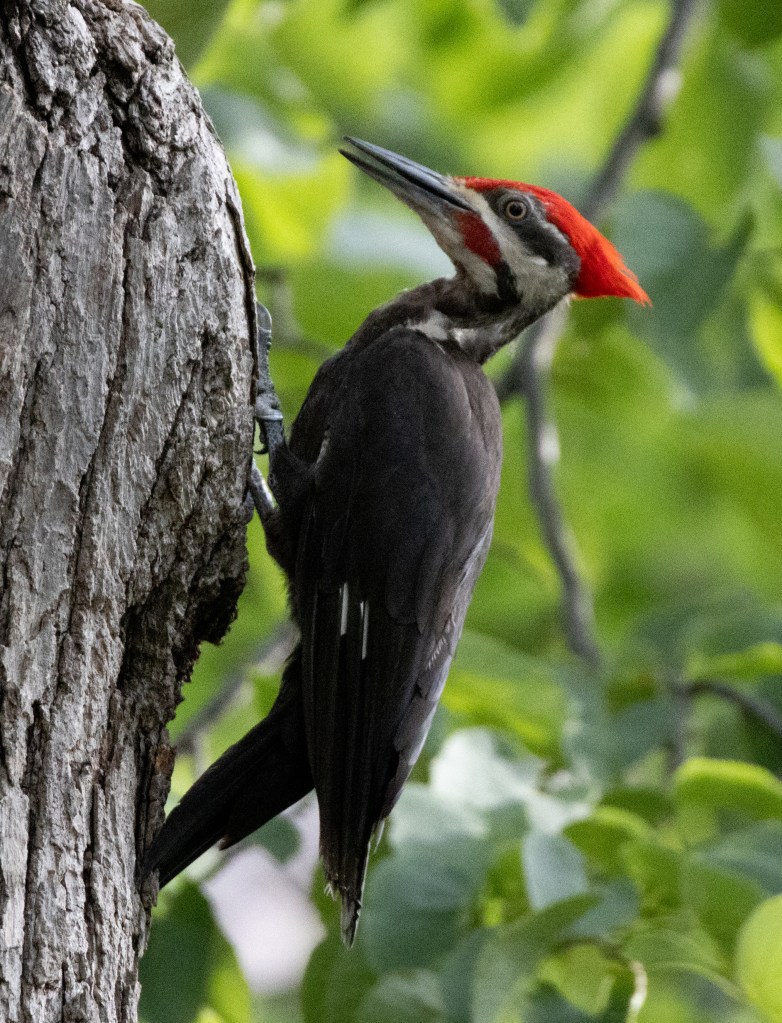
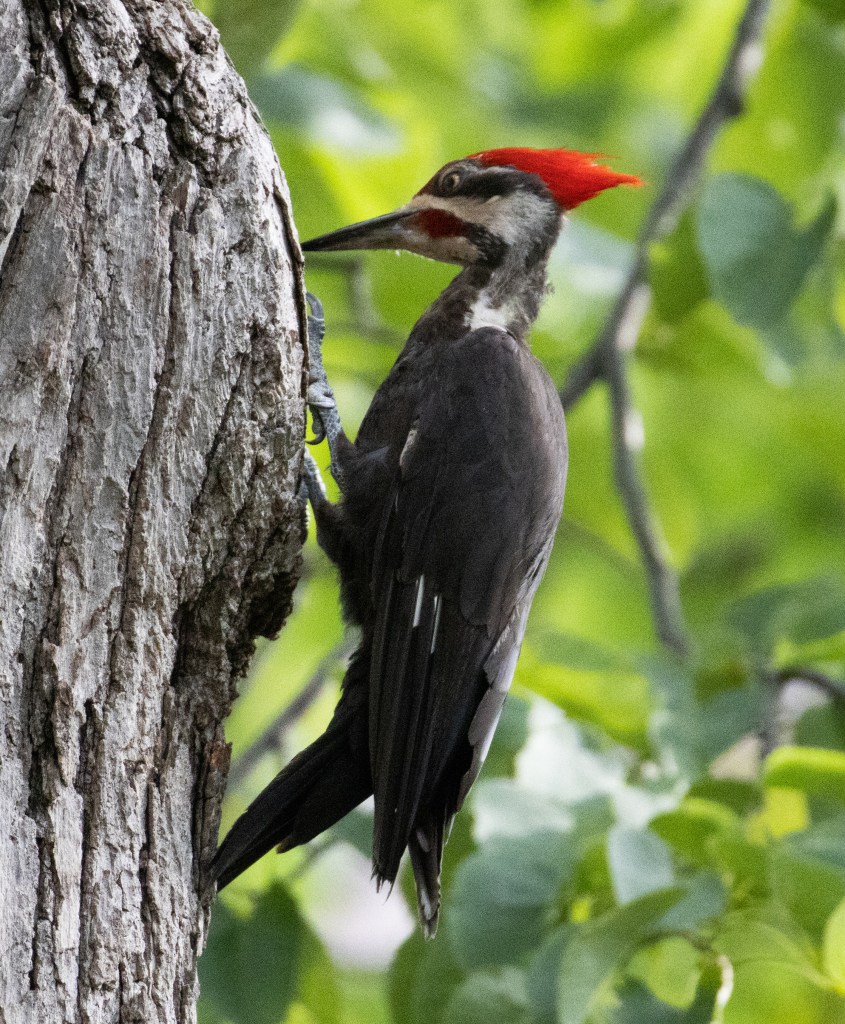
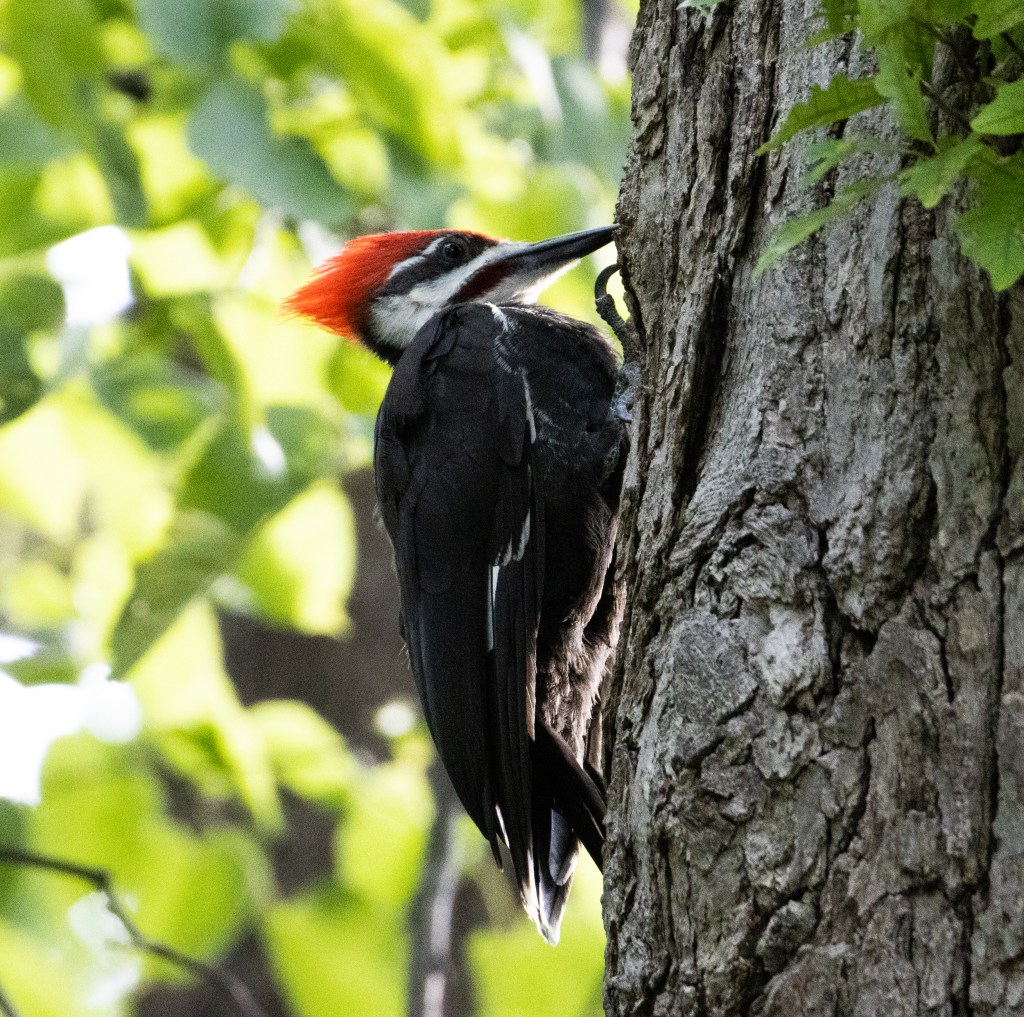
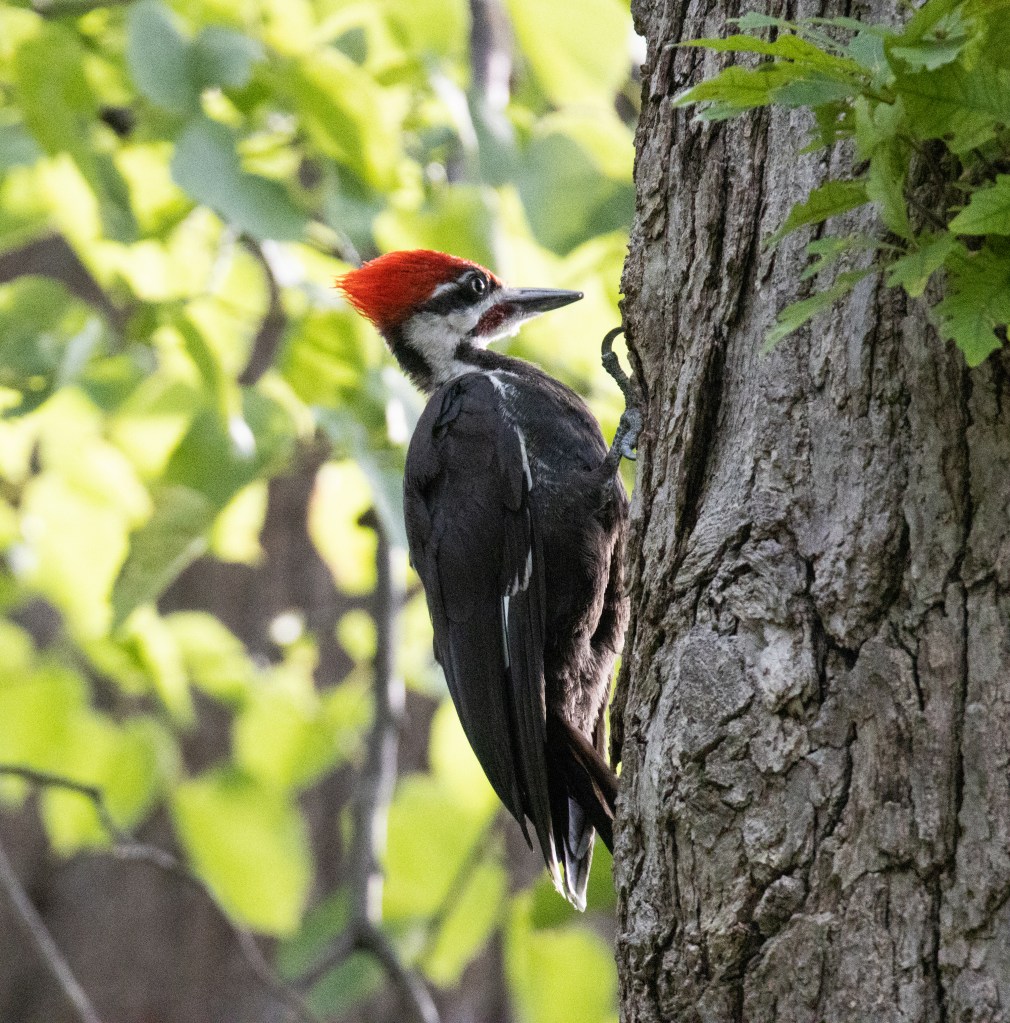
    On Saturday July 23rd, I returned to Silverwood Park hoping to find the Great Horned owls, only to find that they were not there. I decided to walk around the park looking for some other birds to photograph. I heard and saw this crow sized bird on a tree realizing that it was a pair Pileated Woodpecker. As I followed the birds down a path, I came upon their nest, which they had made in the side of a huge tree.

    The Pileated woodpecker is the largest woodpecker in Minnesota. They like to feed mostly on carpenter ants as well as beetles, flies, caterpillars, cockroaches and larvae. You might think that by banging their head on trees might cause brain damage to the bird. But actually, their tongue is super long wrapping around the brain protecting them from brain damage.

    These are birds that require large standing trees that are mostly dead. Dead trees are a valuable resource as nest sites and shelters not just for bird, but for animals too. The male does most of the work but the female will contribute when the nest is close to done. Nest construction will take 3-6 weeks and the nest will be 10-12 inches deep. A Pileated woodpecker pair will live year round protecting their territory and nest through the seasons but allowing some species to nest in their territory during the winter. They will have a clutch of 3-5 eggs which will take about a month for them to be fully fledged. Predators at the nest can be Squirrels, Weasels and Martens. For the adult, their predators can be Bald eagles, Barred owls, Cooper’s hawk, Great horned owls and Red-tailed hawks.

    Thanks for reading this post.

  • Great Horned Owl

    Great Horned Owl

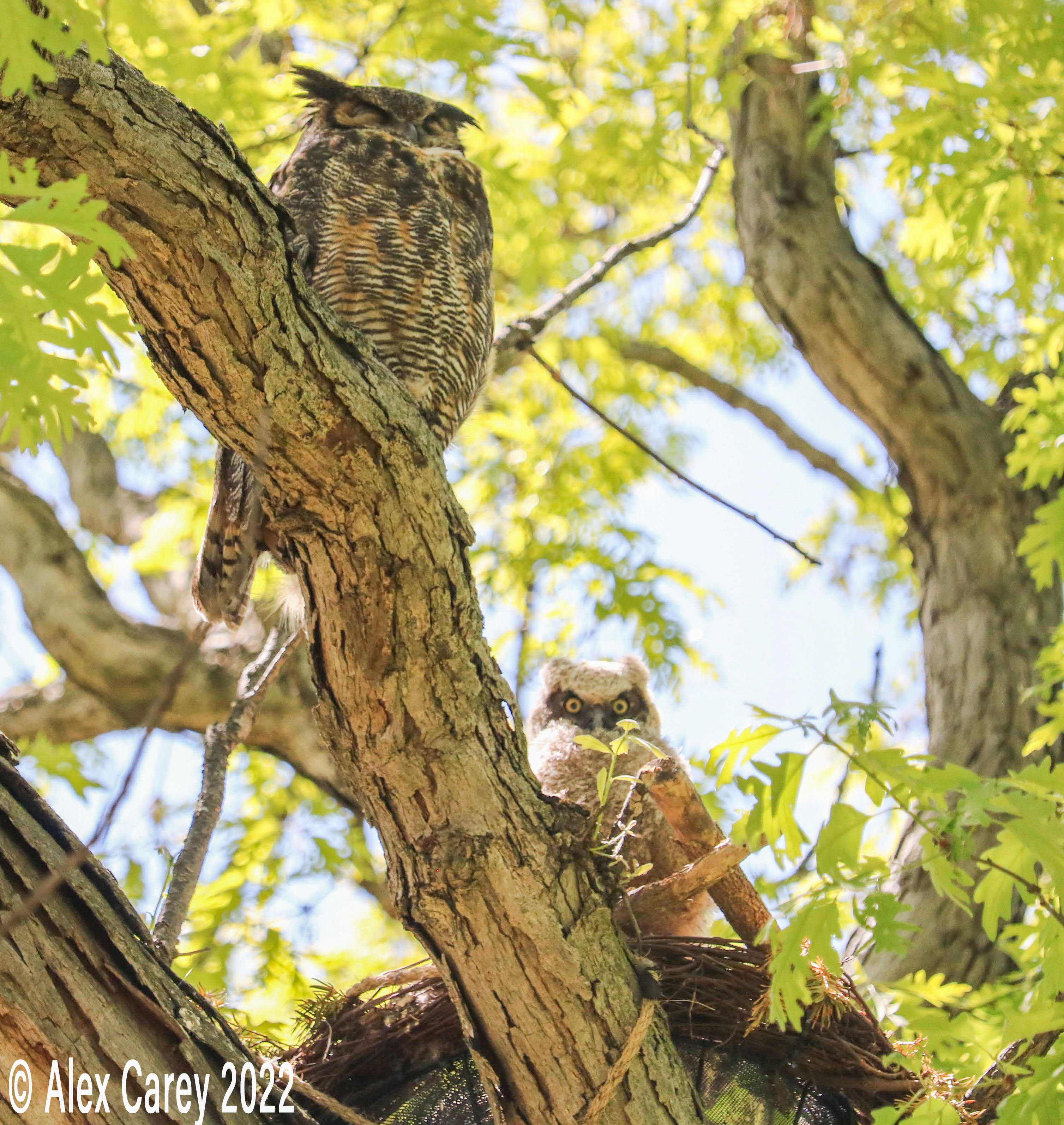
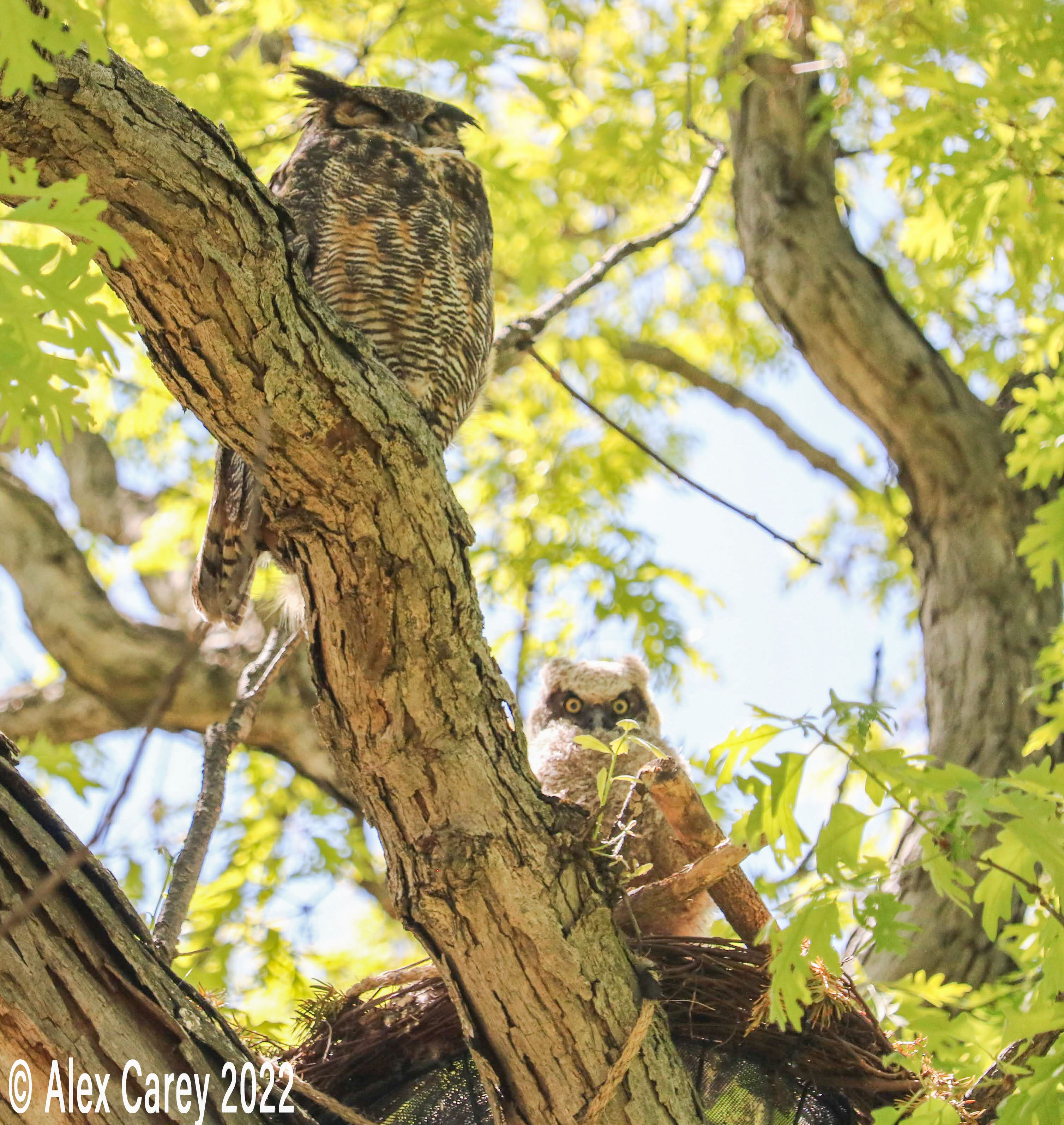
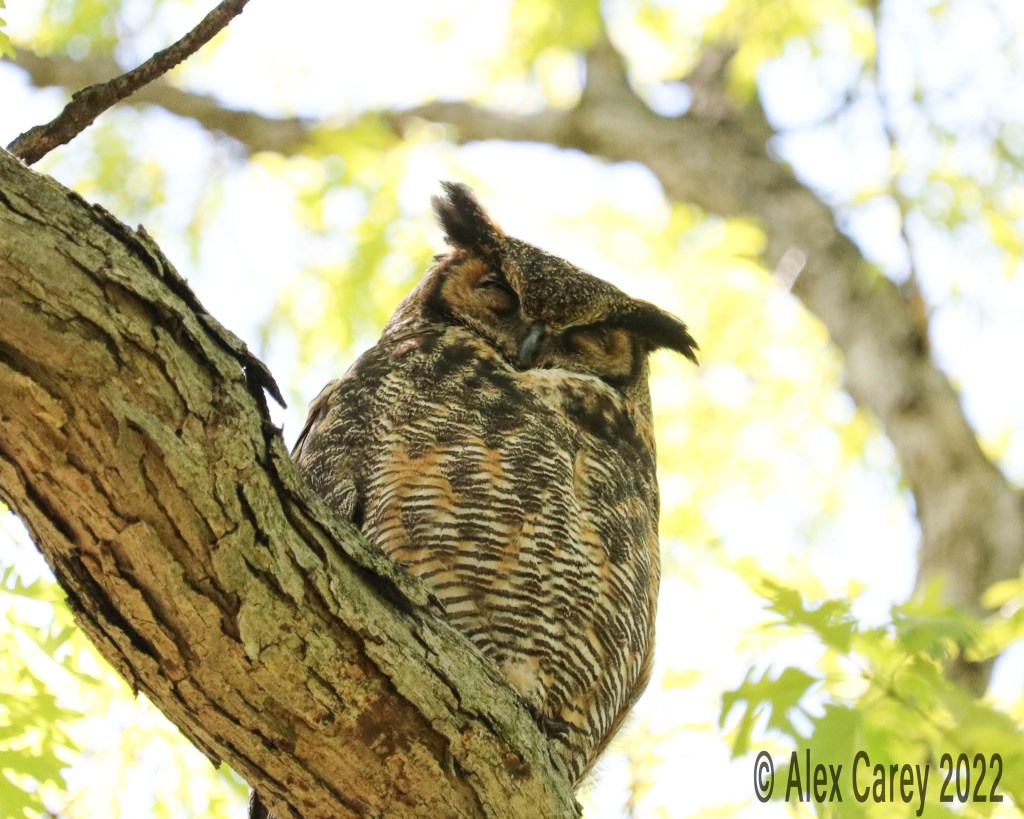
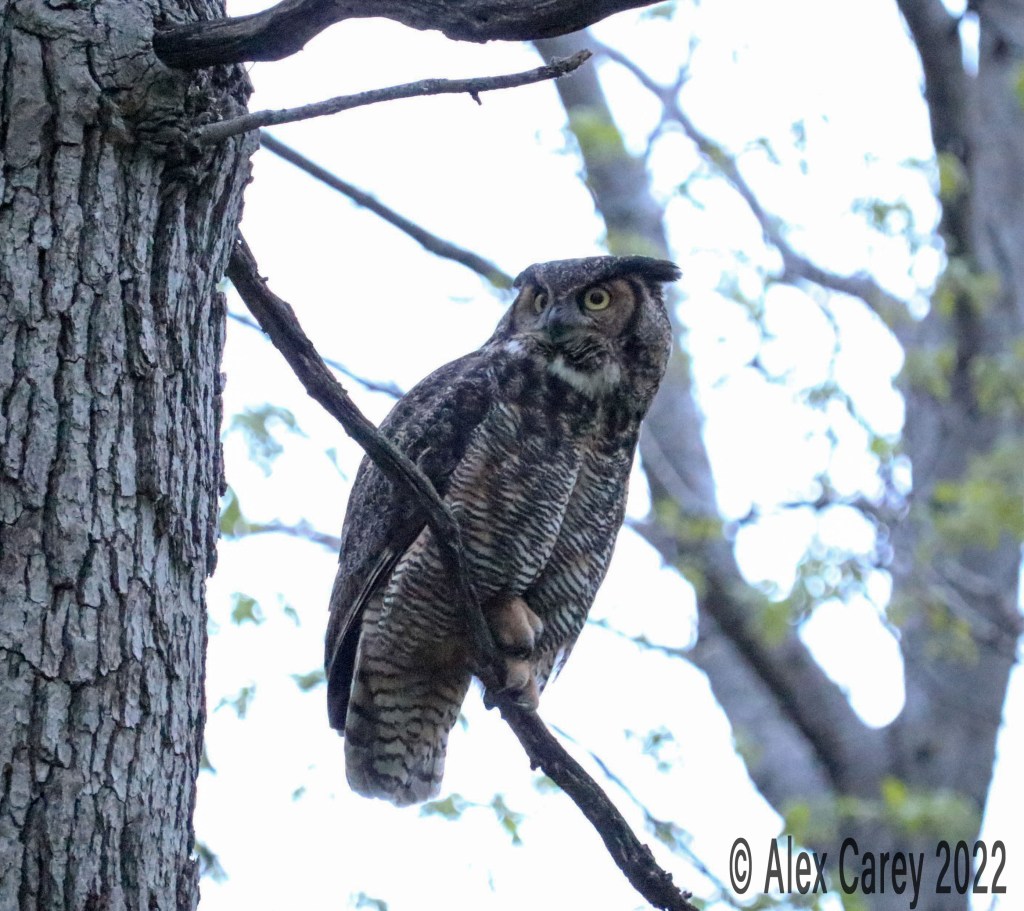
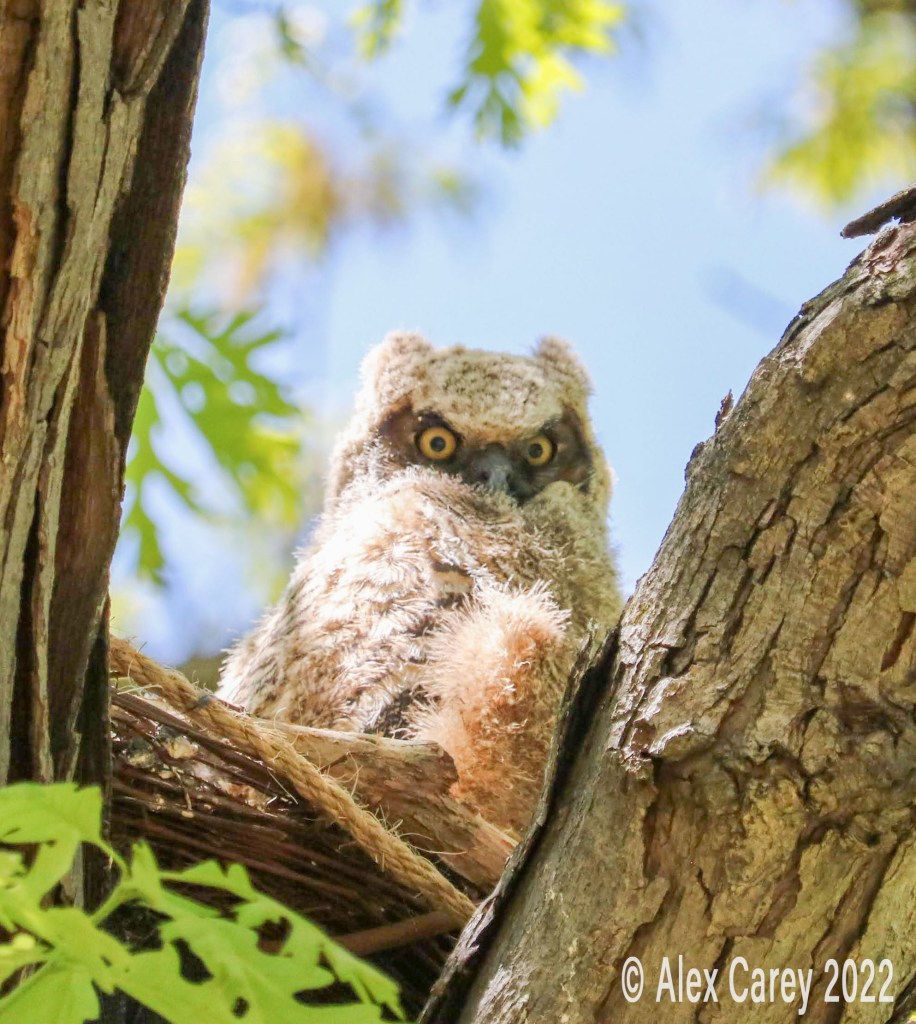
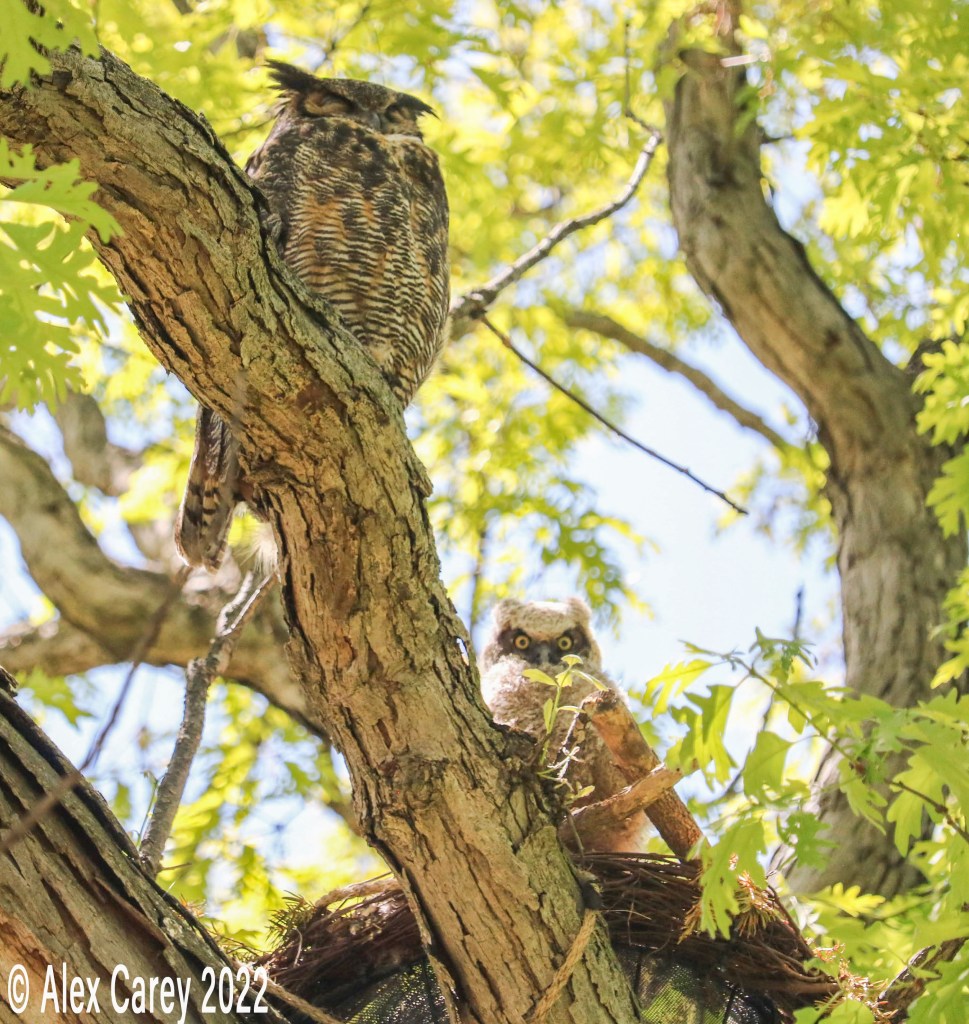
    A few weeks ago I heard that there was a pair of Great horned owls nesting at Silverwood Park. So last week I went to check it out. The first day I went to Silverwood, I was hoping I could find the nest but could only find one of the adults. The second day I found the nest. I saw three owlets in the nest and one of the parents on a branch close to the nest.

    Adult Great Horned Owl
    Credit to Stan Tekiela’s Birds of Minnesota Audio CD

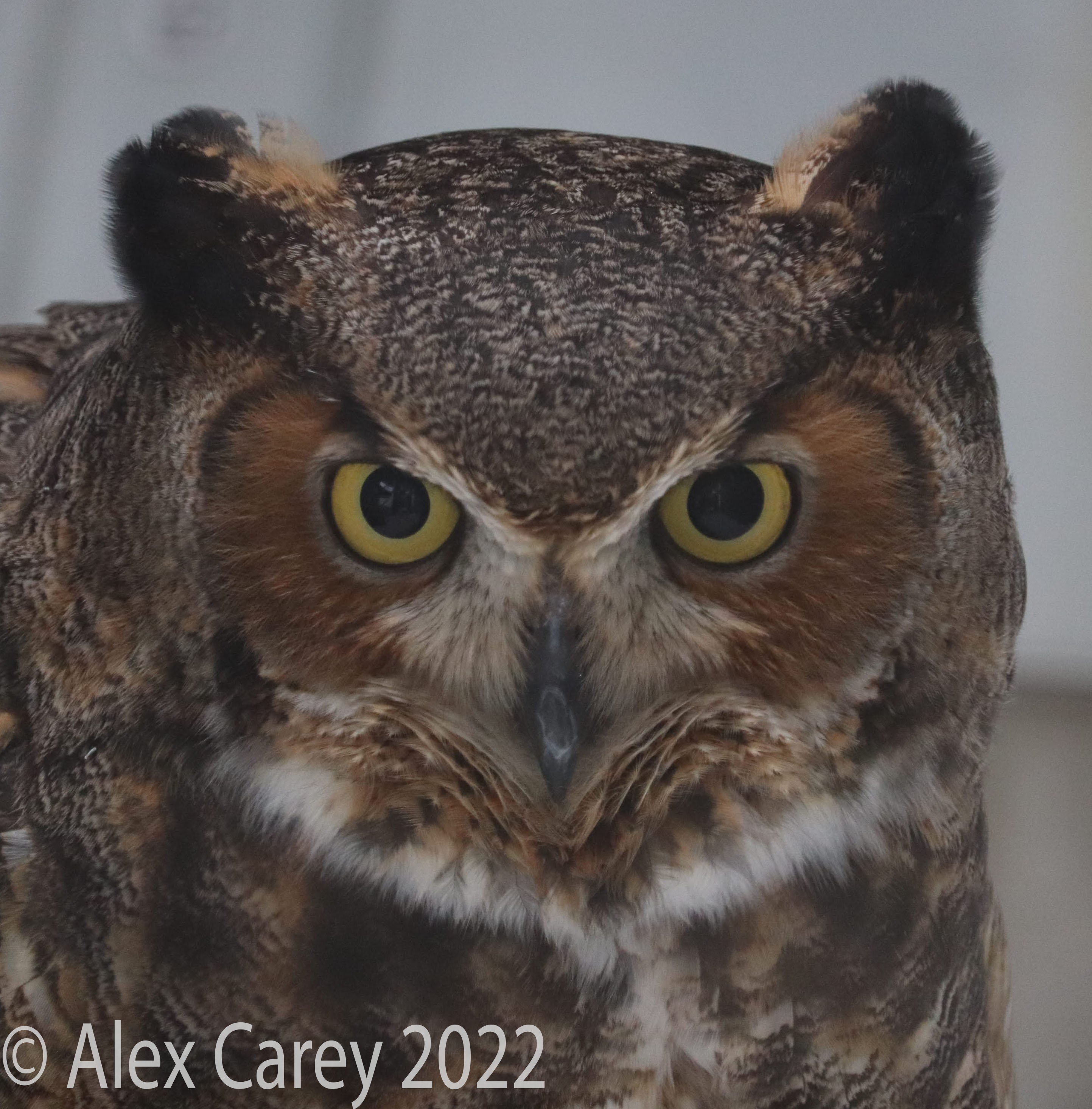
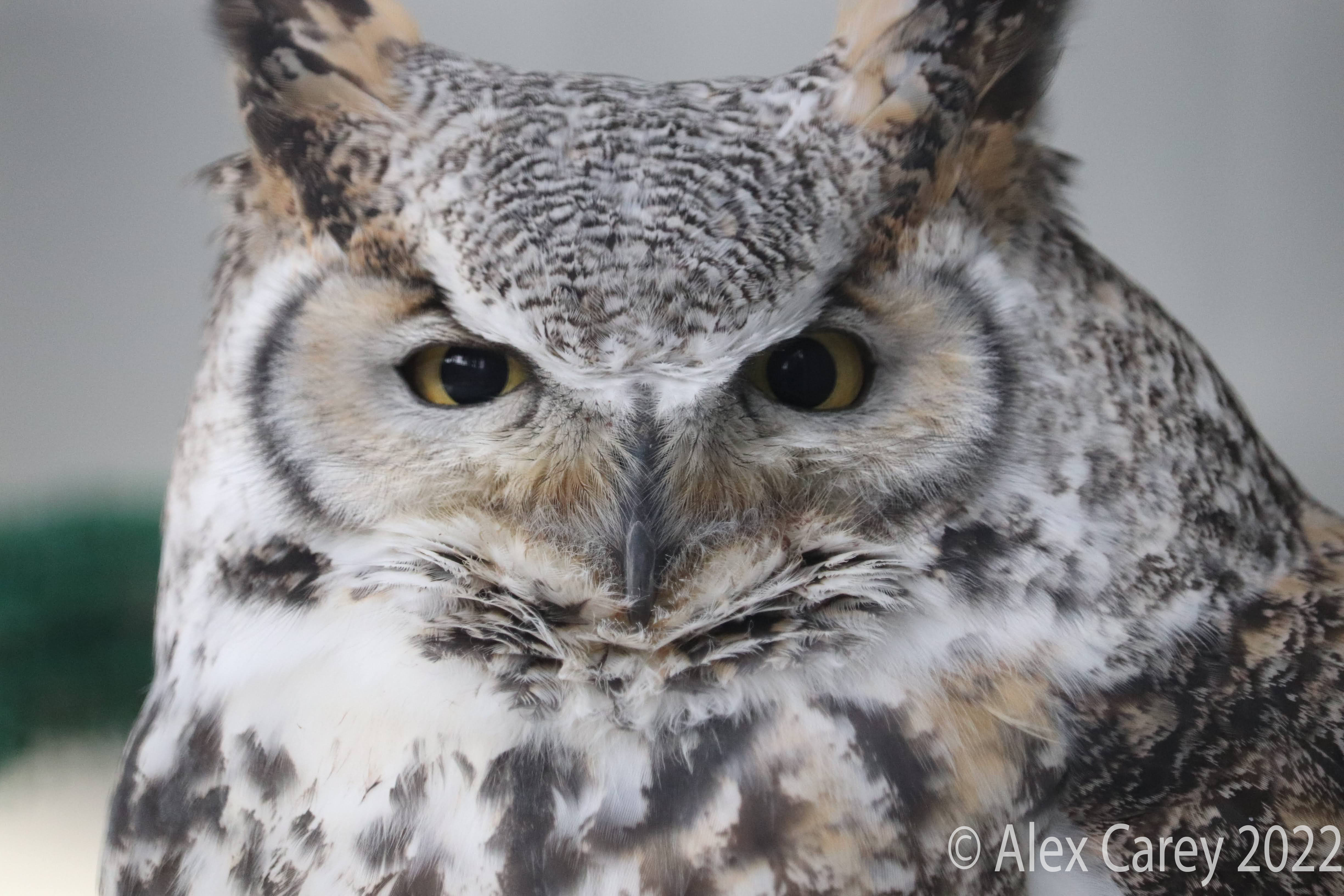
    The Great horned owl is the largest owl in North America. Great horned owls begin nesting in January or February using old abandoned nests built by other species such as Herons, Red-tailed hawks, Bald eagles, Squirrels, or Crows. Owls can’t smell, instead they use their keen sense of hearing in order to catch prey. This powerful predator can take down birds and mammals even larger than itself. Their diet consists of mammals and birds such as hawks, ducks, skunks, house cats, crows, ravens, loons, squirrels, porcupines, shrews, rats etc. If you hear a group of cawing American crows, they may be mobbing a Great horned owl. The crows have a good reason, because the Great horned owl is their most dangerous predator.

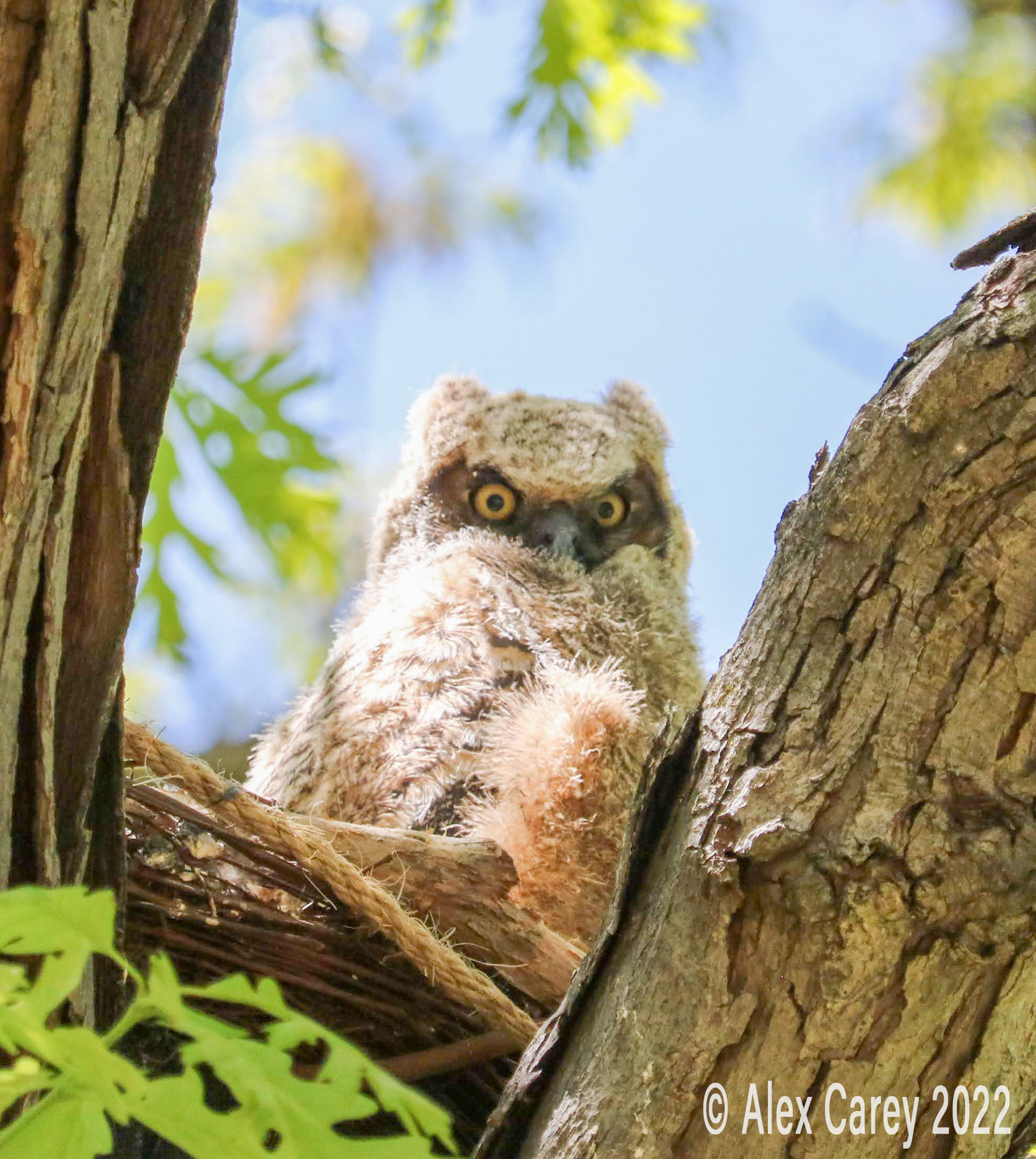
    Owlet

    Owlets can fly at about nine to ten weeks though they are still fed by the parents for up to several months. Owls can’t digest furs and bones, so instead they cough it back up into pellets.

  • Scarlet Tanager

    Scarlet Tanager

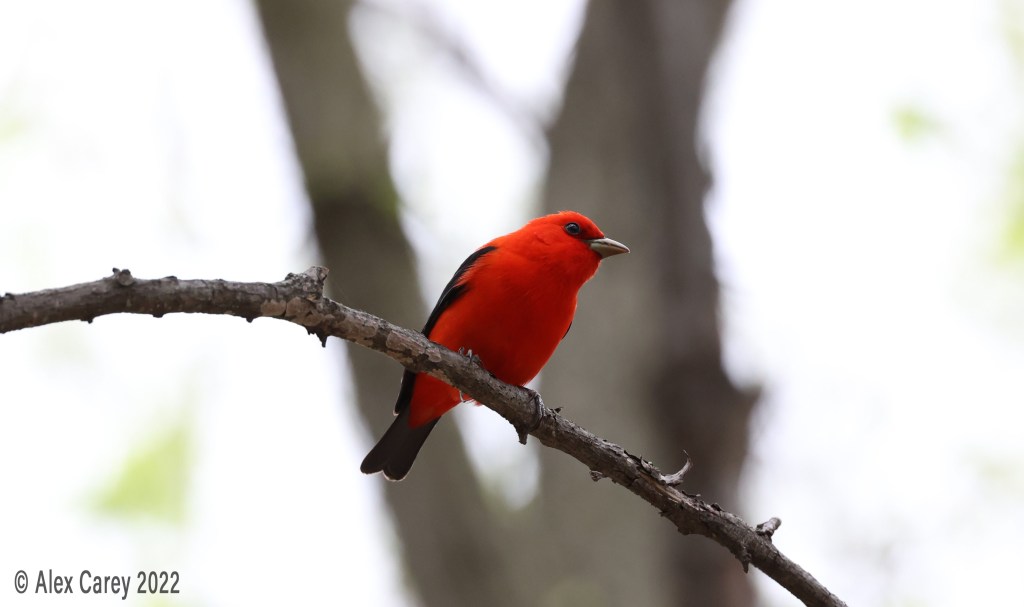
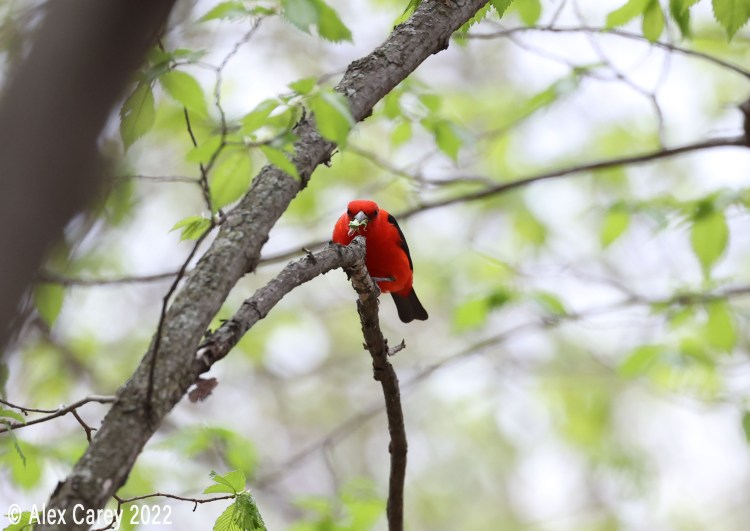
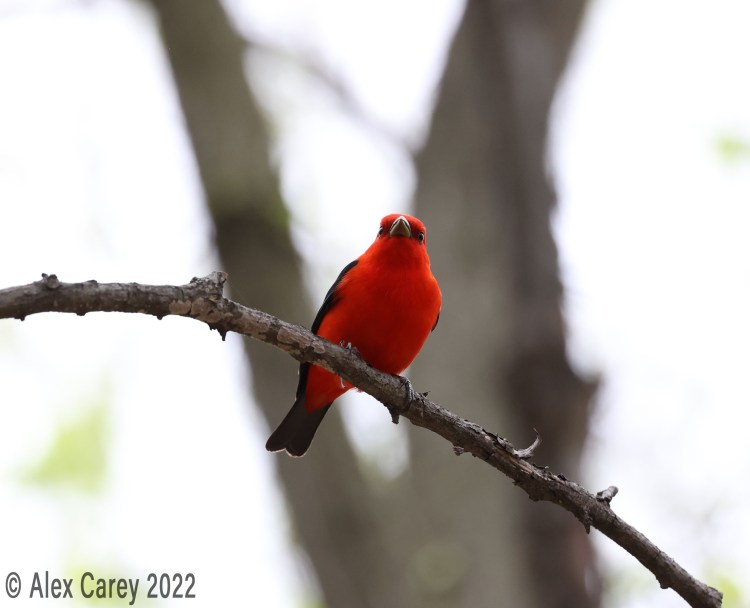
    On Saturday May 14th, I walked around the Eastman Nature Center hoping to find some migratory birds to photograph. I found a male Scarlet tanager in the trees that caught an insect. The Scarlet tanager is a bright colorful migratory songbird that is placed in the cardinal family. The Scarlet tanager migrates twice a year. They fly across the Gulf of Mexico to get to their breeding grounds in eastern North America and to their wintering grounds in South America.

    Scarlet Tanager with insect

    A Scarlet tanager’s diet consists of insects such as moths, butterflies and spiders. It’s predators are long-eared/short-eared owls, merlin, etc. Predators for their young include blue jays, crows, squirrels, and snakes. An interesting fact is that in the summer and spring the tanager’s colors are bright red and black, but during the fall those get traded with yellow feathers.

    Credit to Stan Tekiela’s Birds of Minnesota Audio Cd

    This is the book I reference a lot. This is an Amazon affiliate link. I get a small commission if you click and buy through it. Thanks for supporting my blog. https://amzn.to/3pFdeFm

    If you’re interested in binoculars, these are the ones I use. I really like them.  https://amzn.to/3Gs13lf